TR
TR EN
EN

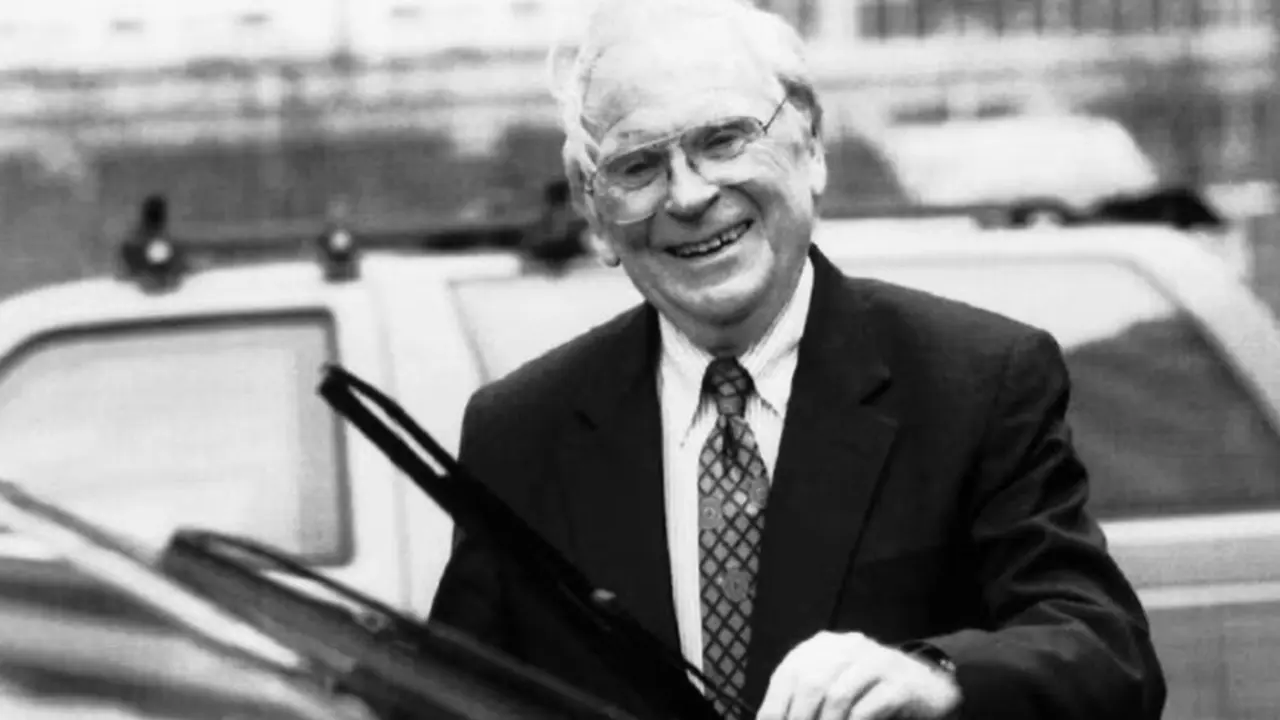
The Invention of Intermittent Windshield Wipers: Robert W. Kearns’ Revolutionary Invention
Intermittent windshield wipers, which have become an indispensable part of modern automobiles, emerged from the innovative thinking of American engineer and inventor Robert Kearns. However, this invention was not only the beginning of a technological revolution but also the story of an inventor’s long struggle to defend his rights.
The intermittent windshield wiper system is considered one of the important innovations in modern automotive technology. Its inventor was American engineer and inventor Robert Kearns. Kearns developed the system in 1963 and patented it in the 1960s. Traditional windshield wiper systems operated at fixed speeds, which could be inconvenient for drivers. Kearns improved this concept by designing a mechanism that allowed the wiper speed and intervals to be adjusted according to the intensity of the rain. Interestingly, the operating principle of this innovative system was inspired by a natural movement of the human eye: blinking.
The Source of Inspiration: The Blinking Eye
Robert Kearns suffered an unfortunate eye injury while opening a champagne bottle on his wedding night. The accident affected his vision but also gave him a new perspective: the human eye regularly cleans itself through the blinking mechanism. Kearns began thinking about whether this natural "cleaning mechanism" could be adapted to automobile windshield wipers.
The Birth of the Invention: Inspiration from a Rainy Day
During the 1960s, windshield wipers in automobiles generally operated at fixed speeds. Depending on the intensity of the rain, this fixed speed could be either insufficient or unnecessarily fast. One day, while traveling with his family, Kearns noticed that the windshield wipers were operating too frequently even though the rain was light.
This observation prompted him to apply his engineering knowledge to develop a new solution. Instead of having the wipers operate continuously at a fixed speed, he envisioned a system that could pause between wiping cycles, much like the natural blinking of the human eye.
How Does the Intermittent Wiper System Work?
Kearns designed a system using electrical circuits and timing mechanisms to make the windshield wipers operate at specific intervals. Different combinations of resistors and capacitors could be used to control the timing of the wiping cycles.
This allowed the wipers to operate more slowly or more frequently depending on driving conditions and rainfall intensity.
The invention not only improved driving comfort but also provided an important safety benefit. Intermittent wipers made it easier for drivers to maintain a clear view of the road without having the wipers constantly sweep across the windshield during light rain.
Today, intermittent windshield wipers are found in virtually all modern vehicles, representing one of the lasting legacies of Robert Kearns’ ingenious idea.
The Patent and the First Steps
After developing and refining his design, Kearns filed a patent application on December 1, 1964. After obtaining his patent, he sought to introduce the innovation to major automobile manufacturers.
One of the major companies of the era, Ford, showed significant interest in Kearns’ invention, and the possibility of cooperation appeared to be developing.
However, as the discussions progressed, Ford eventually stopped negotiations with Kearns. The company informed him that it would not use his system and ended its communication with him. Kearns would later come to believe that his invention had been used without proper recognition or compensation.
Disappointment and the Legal Battle
Some time later, Kearns noticed that Ford's new models were using an intermittent wiper mechanism similar to his system. He subsequently filed a patent infringement lawsuit against Ford.
This marked the beginning of a difficult legal battle that would last for years between an individual inventor and one of the world's largest automobile manufacturers.
The dispute was not limited to Ford. Other major automobile manufacturers, including Chrysler, also used similar intermittent wiper technology. Kearns fought lengthy legal battles against both Ford and Chrysler.
The Unforgettable Defense in the Courtroom
One of the most notable moments during Kearns' legal battles occurred when Ford argued that his patent was invalid. The company claimed that the resistors and capacitors used in the system were not themselves new inventions.
Kearns brought Charles Dickens' "A Tale of Two Cities" to court as part of his argument. He asked the judge whether he had read the book. After receiving an affirmative answer, Kearns made the following point:
"None of the words used in this book are new. But Charles Dickens put those words together to create a story that nobody else could have written. Inventors do the same thing by using existing tools to create something new."
This argument made a strong impression and became one of the memorable moments of Kearns' legal struggle.
The Cost of Victory
The lawsuit against Ford was settled in 1990, with Kearns receiving $5.2 million in compensation. His lawsuit against Chrysler was also resolved in 1992, and Kearns ultimately received more than $30 million in compensation.
However, the process was far from easy for Kearns.
The lengthy lawsuits consumed much of his financial and emotional resources. After years of intense stress and legal battles, Kearns was diagnosed with a brain tumor and died in 2005.
"Flash of Genius"
Robert W. Kearns' inspiring yet tragic story was brought to the big screen in 2008 in the film "Flash of Genius."
The film follows Kearns from the development of his invention through his legal battles with major automobile manufacturers and the personal difficulties he experienced throughout the process.
Starring Greg Kinnear, this biographical drama presents powerful themes of determination, justice, and the struggle to defend one's rights. It is particularly interesting for anyone interested in engineering, inventions, and innovation.
Kearns' Legacy
Robert W. Kearns contributed not only to the automotive industry through his intermittent windshield wiper mechanism but also demonstrated the importance of patent rights and the difficulties individual inventors can face when challenging large corporations.
His story remains an example of how a single idea can lead to significant changes and how persistence can ultimately help an inventor defend his rights.
For those interested in the story, "Flash of Genius" offers an opportunity to learn more about Kearns' life, determination, and intelligence. The film is not simply the story of an invention; it is also the story of one man's struggle for recognition, justice, and dignity.
This story is one of the most compelling chapters in modern automotive history. It also reminds us that behind every important invention, there is often a human story just as valuable as the technology itself.