TR
TR EN
EN

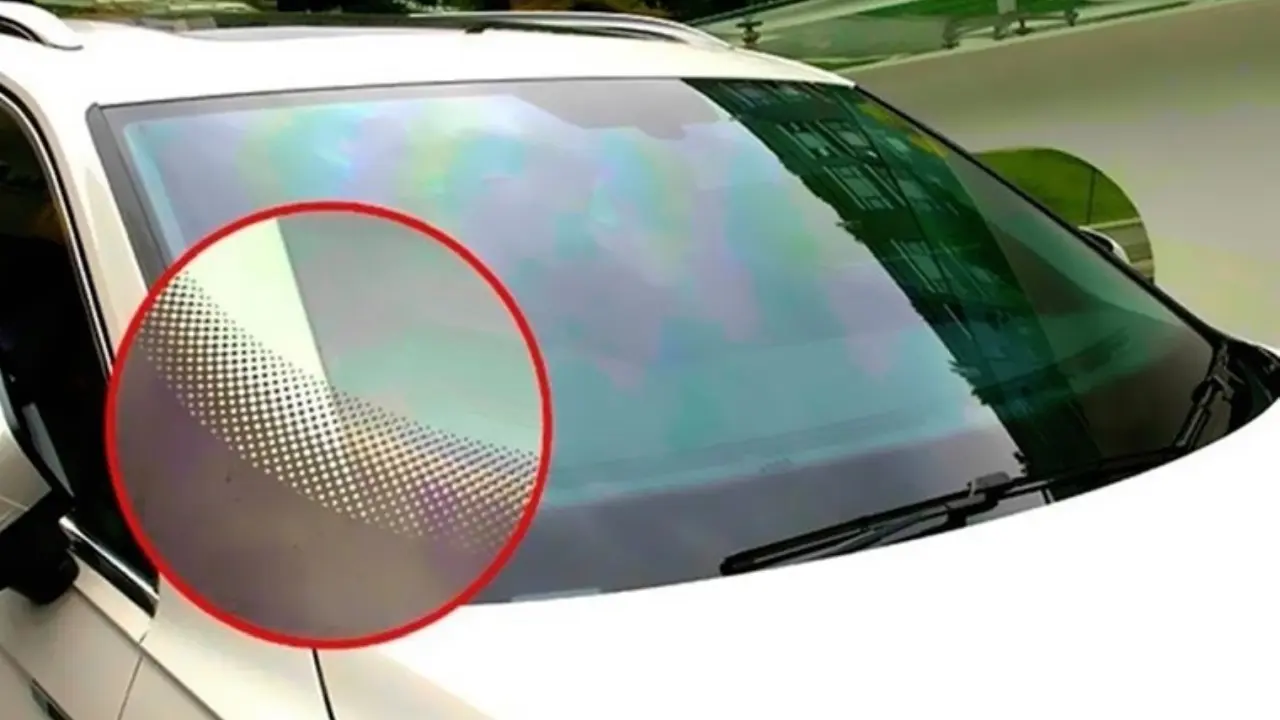
What Are the Black Dots on Car Windows Used For?
Many people may have noticed the black dots around the edges of car windows but never wondered what these small details are actually used for. In fact, these black dots are not merely decorative. They play important functional and safety-related roles. Here are the secrets behind the black dots on automotive glass:
1. What Are the Black Ceramic Dots and Edge Band?
The black bands and dots around the edges of automotive glass are created using ceramic printing technology used in automotive glass manufacturing. These black areas are known as “frit” and are designed to help provide a suitable surface for the adhesive used during the glass installation and bonding process.
2. They Provide Better Adhesion for the Adhesive
Automotive glass is firmly bonded to the vehicle body. The black ceramic band and dots provide a better bonding surface for the adhesive. These areas help prevent the adhesive from slipping across the glass surface and allow the glass to be securely attached to the vehicle structure.
3. They Block Sunlight
Another important function of the black bands and dots is to absorb sunlight and help protect the adhesive around the bonded area. Sunlight can gradually degrade, dry out, and crack adhesives over time, potentially compromising the security of the glass.
The black areas help block ultraviolet radiation and protect the adhesive from prolonged exposure to sunlight.
4. They Help Balance Heat Distribution
During glass manufacturing, automotive glass undergoes heat-treatment processes. Differences in temperature, particularly around the edges of the glass, can create thermal stress and increase the risk of cracking.
The black dots help create a gradual transition between the black ceramic edge band and the transparent glass. The dots become progressively smaller as they move away from the edge, creating a smoother visual and thermal transition.
5. They Provide Aesthetic and Visual Balance
In addition to their functional purpose, the black dots on automotive glass also contribute to its appearance. The gradual reduction in dot size creates a visually smoother transition from the solid black band to the transparent glass.
This detail is a good example of how engineering and automotive design can work together in a single component.
6. Their Role in the Manufacturing and Installation Process
During automotive glass production and installation, the black band and dots help create a clean transition between the glass and its surrounding frame. Particularly in modern vehicles, manufacturers aim to make the joint between the glass and the body as inconspicuous as possible.
The black ceramic band helps conceal the bonding line and contributes to a cleaner, smoother overall vehicle design.
Why Do the Black Dots Look Different on Different Vehicles?
On some vehicles, the black band and dots are much more noticeable, while on others they are less prominent. This can be due to differences in manufacturers' design preferences, glass construction, installation methods, and the technologies used.
However, the dots and black ceramic bands generally serve similar functional purposes across different vehicles.
Conclusion: The Importance of Small Details
The black dots around automotive windows may initially look like a simple design element, but they actually serve important purposes related to glass bonding, durability, protection from sunlight, thermal stress management, and aesthetics.
These small details are part of the engineering behind modern automotive glass and help ensure that the glass remains securely integrated into the vehicle while also providing a clean and finished appearance.
The next time you look at your car window, remember that those tiny black dots are more than just decoration—they are a small but clever piece of automotive engineering.