TR
TR EN
EN

The Invention and History of the Ignition Coil
The ignition coil is an electrical device used in internal combustion engines to convert low voltage into high voltage, allowing spark plugs to produce a spark. It is a fundamental part of an engine’s ignition system and is essential for an efficient combustion process.
The Invention of the Ignition Coil
-
Heinrich Daniel Ruhmkorff (1851)
-
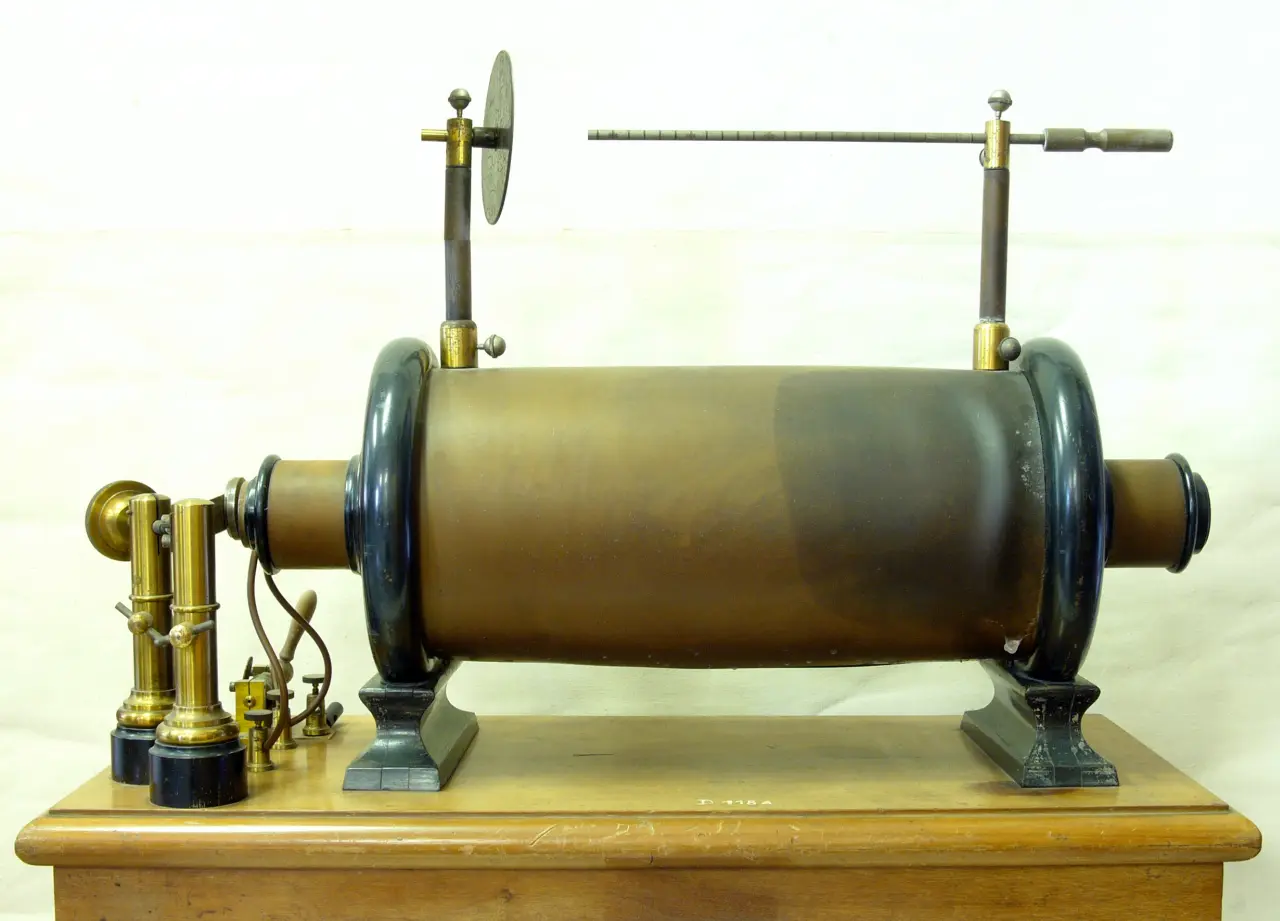
The foundation of the ignition coil was laid by German physicist Heinrich Daniel Ruhmkorff.
-
Ruhmkorff developed an induction coil capable of converting a low-voltage electrical current into high voltage. This device later became an inspiration for ignition coils used in internal combustion engines.
-
-
Nicolaus Otto and the Ignition System (1876)
-
Nicolaus Otto, who developed one of the first successful versions of the internal combustion engine, incorporated the use of an ignition coil into engine technology.
-
The coil used in Otto's four-stroke engine became a precursor to the systems used in modern engines.
-
-
Charles F. Kettering (1910s)
-
Kettering, the founder of Delco (Dayton Engineering Laboratories Co.), played an important role in the development of modern ignition systems.
-
Kettering's electric ignition system made the use of ignition coils more reliable and efficient. This system replaced manually operated ignition mechanisms driven by a hand crank.
-
How Does an Ignition Coil Work?
-
Primary Circuit: Low-voltage current supplied by the battery passes through the primary winding of the ignition coil, creating a magnetic field.
-
Collapse of the Magnetic Field: When the circuit is opened, the magnetic field suddenly collapses, producing an induced current.
-
High-Voltage Generation: As the magnetic field collapses, a much higher voltage is induced in the secondary winding.
-
Transfer to the Spark Plug: The generated high voltage is delivered to the spark plug, creating a spark that ignites the fuel-air mixture.
Use and Importance in Engines
-
The ignition coil makes spark ignition possible, particularly in internal combustion engines.
-
In modern vehicles, instead of using a single ignition coil, a separate coil is commonly used for each spark plug through the COP (Coil-On-Plug) system. This method provides more efficient ignition and reduces energy losses.
-
Ignition coils are widely used in motorcycles, automobiles, generators, and other engine-powered equipment.
Conclusion
The ignition coil has played an important role in engine technology by improving engine efficiency and contributing to the widespread adoption of internal combustion engines. The development process that began with Heinrich Ruhmkorff's induction coil eventually evolved, with contributions from engineers such as Charles Kettering, into an indispensable component of modern automotive technology.