TR
TR EN
EN

The History of the Turbocharger: Its Invention and First Uses
A turbocharger, or simply a turbo, is a device that increases engine power by increasing the density of the air entering an automobile engine. Its history developed as a result of efforts to improve the performance of internal combustion engines and motor vehicles. Here are the important milestones in the history of the turbocharger:
The Revolution in Power: The Birth of the Turbocharger in the Late 19th Century
The history of the turbocharger dates back to the late 19th century. During this period, visionaries such as Gottlieb Daimler and Rudolf Diesel experimented with forced-induction systems.
However, Swiss mechanical engineer Alfred Büchi managed to make his mark on history. On November 6, 1905, Büchi filed the first patent application for a practical turbocharger. This was a revolutionary milestone in the evolution of engine technology. When we look at the roots of the turbocharger, we can see how brilliant minds and experimental engines laid the foundations for the powerful and efficient turbochargers we use today.
General Electric's Turbocharger Breakthrough in the Early 1900s
The dawn of turbocharger mass production came from General Electric in the early 1900s. During this period, the company's chief engineer, Sanford Moss, began groundbreaking tests to explore the potential of turbochargers for aviation applications.
These tests focused on maintaining increased air pressure at altitudes above 14,000 feet. The experiments led by Moss were successfully completed at Pike's Peak in Colorado, laying the foundation for the widespread use of turbochargers in aircraft engines.
Sanford Moss's pioneering experiments were more than just altitude tests; they became a catalyst for bringing turbocharger technology into the aviation world. His work opened the door to a new era in flight and power generation.
The Turbocharged Aviation Revolution of the 1920s
In 1920, a turbocharged aircraft, the LaPere biplane, reached extraordinary altitudes with its 12-cylinder Liberty engine, exceeding 33,000 feet. This achievement marked the beginning of the rise of turbochargers in the aviation industry.
By the middle of the 1920s, turbocharged diesel engines began to be used in ships and locomotives, allowing the technology to find a wider range of applications.
During World War II, turbochargers were integrated into numerous fighter and bomber aircraft, making them faster and more efficient.
Turbo Titan: The Birth of Garrett Corporation in 1936
Garrett Corporation holds a special place in the history of turbochargers. The company was founded in 1936 by J.C. "Cliff" Garrett. Garrett's first product was an air cooler designed for the B-17 bomber.
In 1954, Cliff Garrett recognized the future potential of turbochargers and established a separate turbocharger division. This decision marked the birth of Garrett Automotive, a company focused on turbocharger technology.
The First Automotive Experiments with Turbochargers
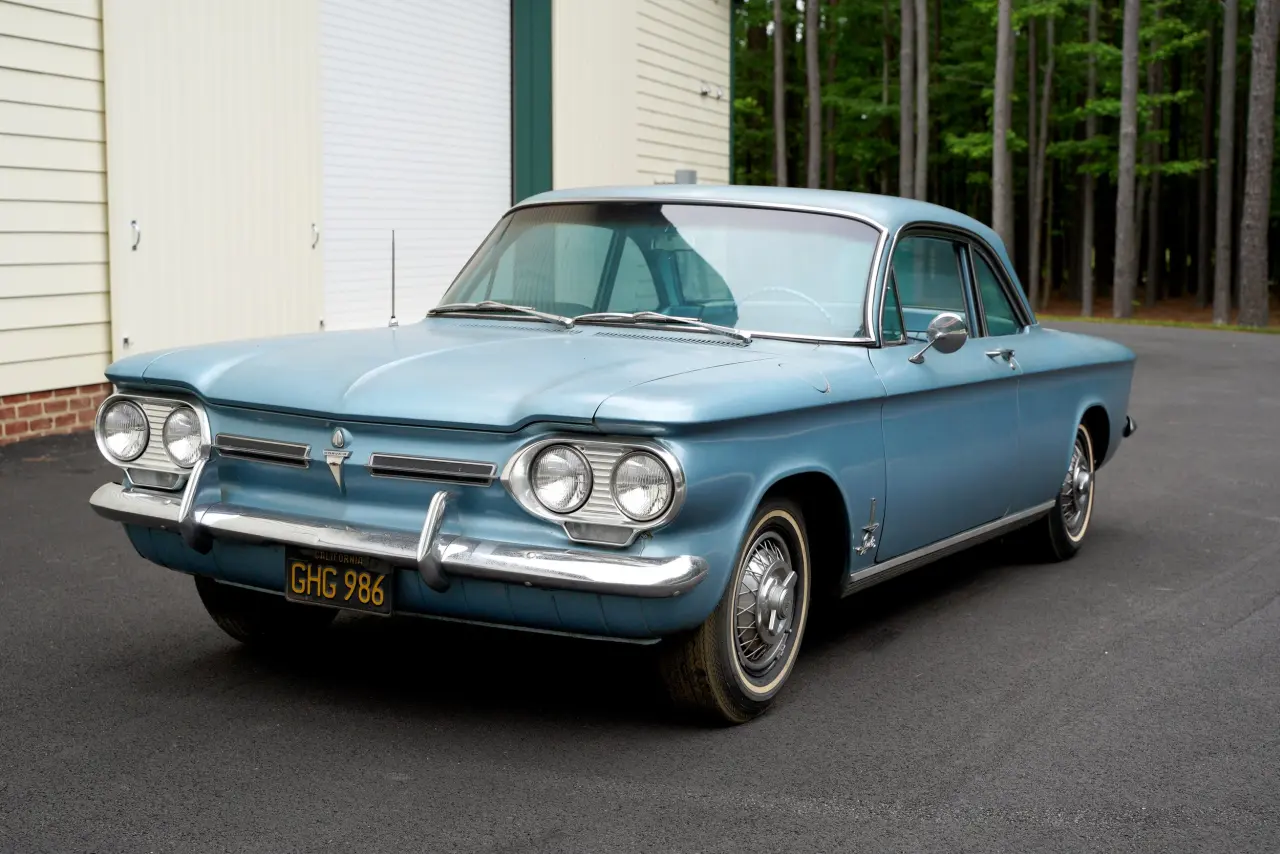
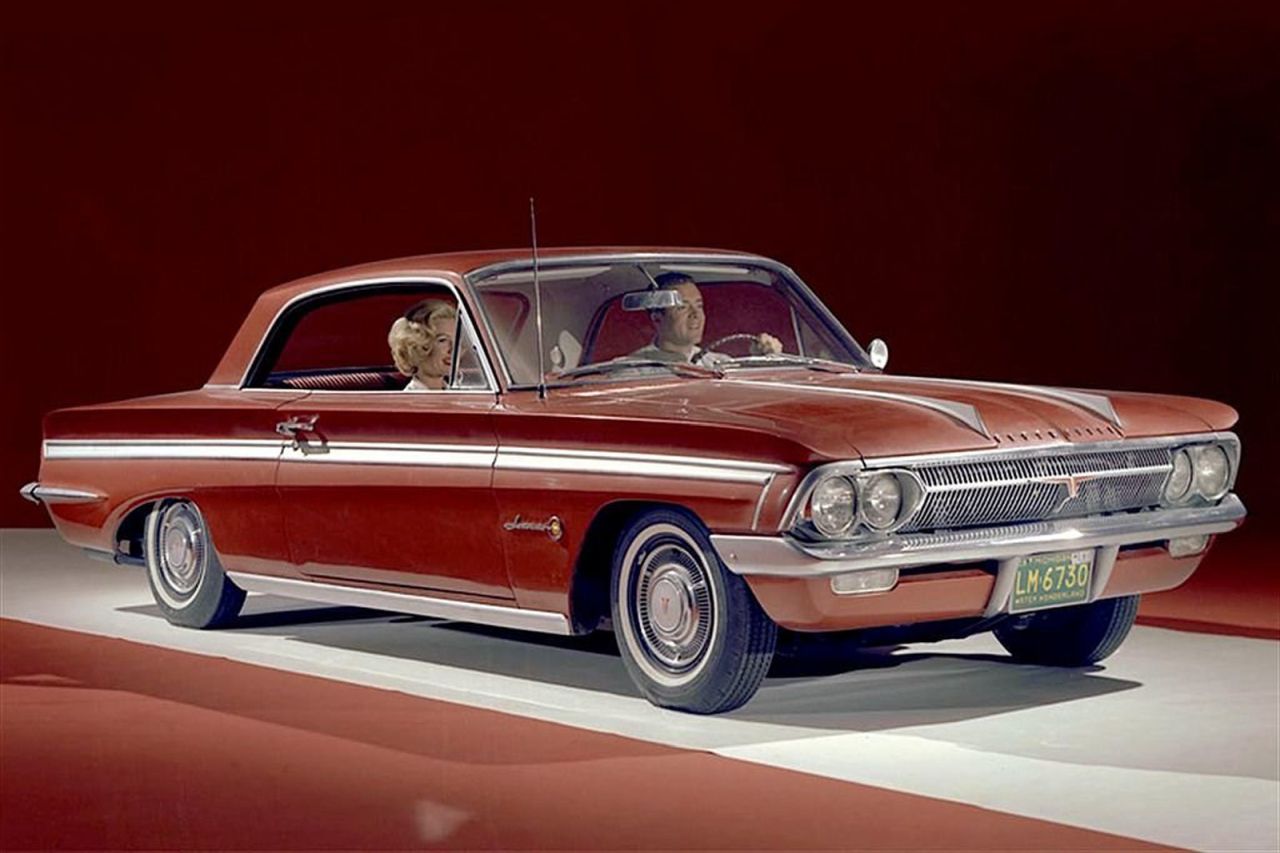
In 1962, turbocharging entered the automotive industry with the Chevrolet Corvair Monza and Oldsmobile Jetfire. However, these vehicles were quickly withdrawn from the market due to reliability problems.
The Evolution of Turbocharger Technology in the 1970s
Following the 1973 oil crisis, turbocharger technology became standard in commercial diesel engines. During the same period, turbocharging became increasingly popular in motorsports, particularly in Formula 1.
1975 Porsche 911
The Porsche 911 Turbo (930) is one of the most iconic early examples of turbocharger technology in passenger cars. Introduced in 1975, this model had a major impact, particularly in the world of sports cars. The turbocharger used in the Porsche 911 provided an excellent solution for drivers seeking greater speed and performance and became a popular choice for high-speed driving. This vehicle helped establish the power and potential of turbocharging in the sports car segment.
The First Turbocharged Diesel Passenger Car: 1978 Mercedes-Benz 300SD

In 1978, the Mercedes-Benz 300SD was introduced as the first turbocharged diesel passenger car. This vehicle helped establish the role of turbocharging in the automotive industry by offering lower emissions, improved efficiency, and a driving experience comparable to that of gasoline-powered vehicles.
Turbocharging Today and in the Future
Modern turbocharged engines have become highly advanced in terms of performance, efficiency, and environmental impact. Today, turbocharged engines are used across a wide range of applications, from small passenger cars to Formula 1 vehicles.
The future of turbocharger technology is being shaped by the use of lighter materials and the development of designs that provide greater efficiency. Turbocharging is likely to remain an important technology in the automotive industry for many years as manufacturers continue to seek more efficient and cleaner engine solutions.
The Evolution of Turbocharger Technology in the 1970s
Following the 1973 oil crisis, turbocharger technology became standard in commercial diesel engines. During the same period, turbocharging became increasingly popular in motorsports, particularly in Formula 1.