TR
TR EN
EN

The Invention of the Starter Motor and Its Place in Automotive History
Every innovation in the automotive world has aimed to make the driving experience safer, more efficient, and more user-friendly. The starter motor was one of these innovations and has become an essential component for starting modern vehicles. So, when was the starter motor invented, and what role did it play in the evolution of the automobile?
What Is a Starter Motor?
A starter motor is an electric motor used to start a car's engine. When the vehicle is started, the starter motor engages and turns the internal combustion engine, allowing it to begin operating. This provides the initial movement required every time the vehicle is started. The starter motor is generally an electric motor powered by the vehicle's battery.
The Invention of the Starter Motor: Charles Kettering and His 1912 Invention
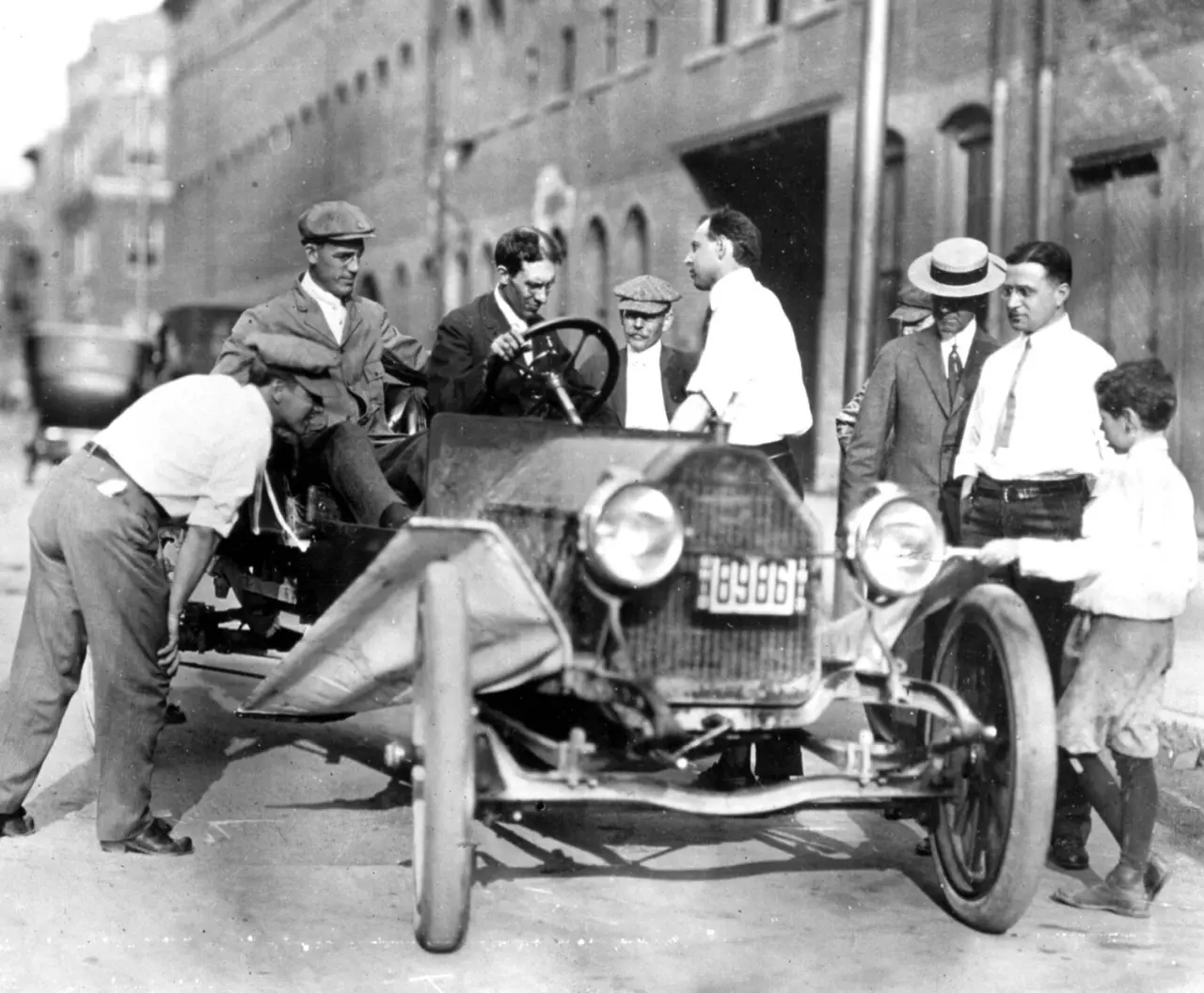
The invention of the starter motor was a revolutionary step in automotive technology. In the early years of automobiles, engines had to be started manually using a hand crank. This was both physically demanding and sometimes dangerous for drivers. Especially in cold weather, there was a risk of getting a hand caught or suffering an injury as a result of an incorrect movement while trying to start the engine.
To solve this problem, American engineer Charles Kettering invented the starter motor in 1912. Kettering was also the founder of Delco (Dayton Engineering Laboratories Company), and the electric starter motor was one of the first major innovations developed by his company. Kettering's invention was initially introduced on Cadillac vehicles and attracted considerable attention.
The First Use of the Starter Motor: Cadillac and the 1912 Model
The first starter motor was used in the 1912 Cadillac. This model is considered a major breakthrough in the automotive industry because it was the first mass-produced vehicle to have a starter motor integrated into a production automobile. Cadillac introduced the technology as a revolutionary innovation at the time.
Until then, the hand crank used to start an engine was difficult to operate and could be particularly dangerous and inconvenient, especially for women drivers.
The Place of the Starter Motor in the Automotive Industry
The invention of the starter motor transformed both the automotive industry and the driving experience. At first, the technology was available mainly on luxury automobiles because of its high cost. Over time, however, the advantages and convenience of electric starting led to its widespread adoption.
Today, the starter motor is a standard component in virtually every vehicle and is one of the fundamental components involved in starting an engine.
How Does a Starter Motor Work?
The starter motor operates using electrical energy supplied by the vehicle's battery. Electricity from the battery activates the starter motor's electric motor. The starter motor then turns the crankshaft, allowing the engine to begin running.
Once the engine starts operating on its own, the starter motor disengages and the engine continues to run normally.
Developments in Starter Motor Technology
Over time, starter motors have become more efficient and durable. In modern vehicles, they have become smaller, lighter, and more energy-efficient. They are also integrated with electronic controls and sensors, allowing them to operate more precisely and reliably.
Another important development is start-stop technology. This system allows the starter motor to restart the engine efficiently when the vehicle stops and then needs to move again. By automatically restarting the engine after it has been switched off during stops, start-stop systems help reduce fuel consumption and their associated environmental impact.
The Starter Motor and the Evolution of the Automobile
The starter motor has been one of the most important inventions in automotive history. Charles Kettering's invention not only made starting an engine much easier but also made automobiles safer and more accessible to a wider range of drivers.
Initially available only on luxury vehicles, the technology was eventually incorporated into almost all types of automobiles and played an important role in the evolution of the modern car. Without starter motors, starting a car would require manual effort every time, making everyday driving considerably more difficult.
As automotive technology continues to evolve, starter motor technology will continue to develop as well. However, one thing is certain: the starter motor remains an essential component of modern vehicles and continues to represent one of the important innovations that transformed automobile use after Charles Kettering's pioneering work in 1912.