TR
TR EN
EN

The World’s First Traffic Sign
Traffic signs play a critical role in ensuring road safety and maintaining traffic order. Today, every road sign carries a potentially life-saving warning or directional message for drivers and pedestrians. However, the history of traffic signs has a fascinating background. The first traffic sign appeared nearly 150 years ago, at a time when bicycles were common but motor vehicles had not yet become widespread. Let’s take a look at how and when the world’s first traffic sign emerged.
1. The World’s First Road Sign: 1868, England
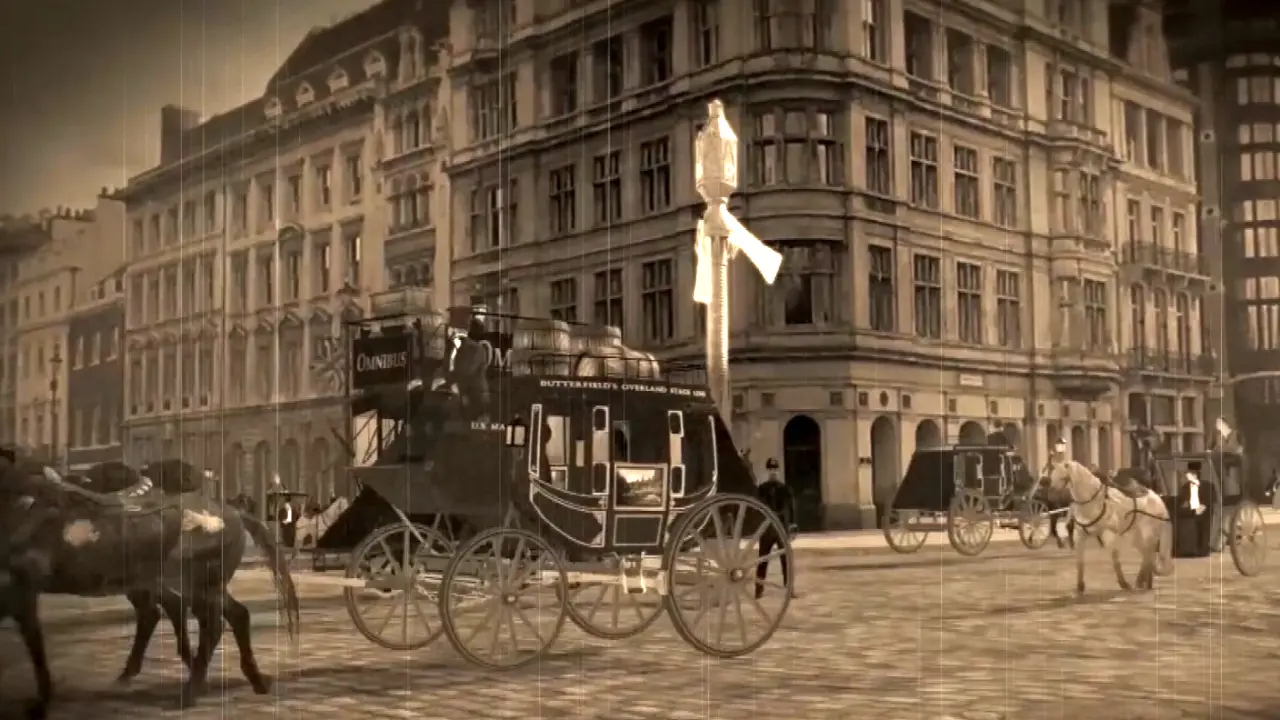
The history of traffic signs dates back to a time long before motor vehicles became common. The first road sign generally recognized in the world was introduced in England in 1868. This sign was designed to ensure the safety of horse-drawn carriages at a time when motor vehicles had not yet become widespread.
Rather than being a traffic sign in the modern sense, this sign can actually be considered a road sign. It was installed to regulate the speed of horse-drawn carriages and help ensure safer travel, indicating simple traffic regulations such as slowing down. It was one of the earliest examples of the traffic signs we use today.
2. The First Bicycle Traffic Sign: 1879, England
Following the growing use of motor vehicles and horse-drawn carriages, the increasing popularity of bicycles also led to the introduction of the first traffic sign specifically intended for cyclists in England in 1879. This sign warned bicycle riders to be particularly careful, especially when climbing hills.
The sign consisted of a metal plate mounted on a wooden post and provided cyclists with important warnings about hazards such as steep inclines. Long before motor vehicles became widespread, such signs for bicycles were considered one of the first steps toward organized traffic regulations.
3. Motor Vehicles and the Spread of Traffic Signs
As motor vehicles became more common, traffic regulations also became more complex. During the 20th century, the growing number of vehicles led to the introduction of more standardized traffic signs. During this period, traffic signs were no longer used only to indicate speed limits; more specific regulations were also introduced to improve road safety.
The first signs associated with motor vehicles, beginning with early developments in England in 1868, eventually spread to many countries around the world, where they were standardized. The International Road Convention of 1949 helped establish a more common international framework for the design and meanings of traffic signs.
4. The Role of Traffic Signs Today
Today, traffic signs have become an inseparable part of our daily lives. Signs such as Slow Down, No Turn, Speed Limit, and Pedestrian Crossing play an important role in maintaining road safety and traffic order. Traffic signs continue to be developed and improved to ensure the safety of both drivers and pedestrians.
With technological innovations such as digital traffic signs, illuminated signals, and smart road marking systems, modern traffic has become safer and more organized. However, the origins of all these developments can be traced back to the simple signs introduced in the late 19th century.
5. Conclusion
The history of traffic signs was shaped not only by the emergence of motor vehicles but also by the transportation methods that existed at the earliest stages of organized road travel. The first traffic sign, installed in England in 1868, was a simple road sign designed to help ensure the safety of horse-drawn carriages. The 1879 bicycle sign went down in history as one of the earliest warning signs created specifically for cyclists before the widespread emergence of motor vehicles.
Traffic signs have become an important indicator not only of road safety but also of the transportation habits and regulations of different societies. Today, every road sign reminds us of the importance of those early signs and continues to play a vital role in creating a safer traffic environment.