TR
TR EN
EN

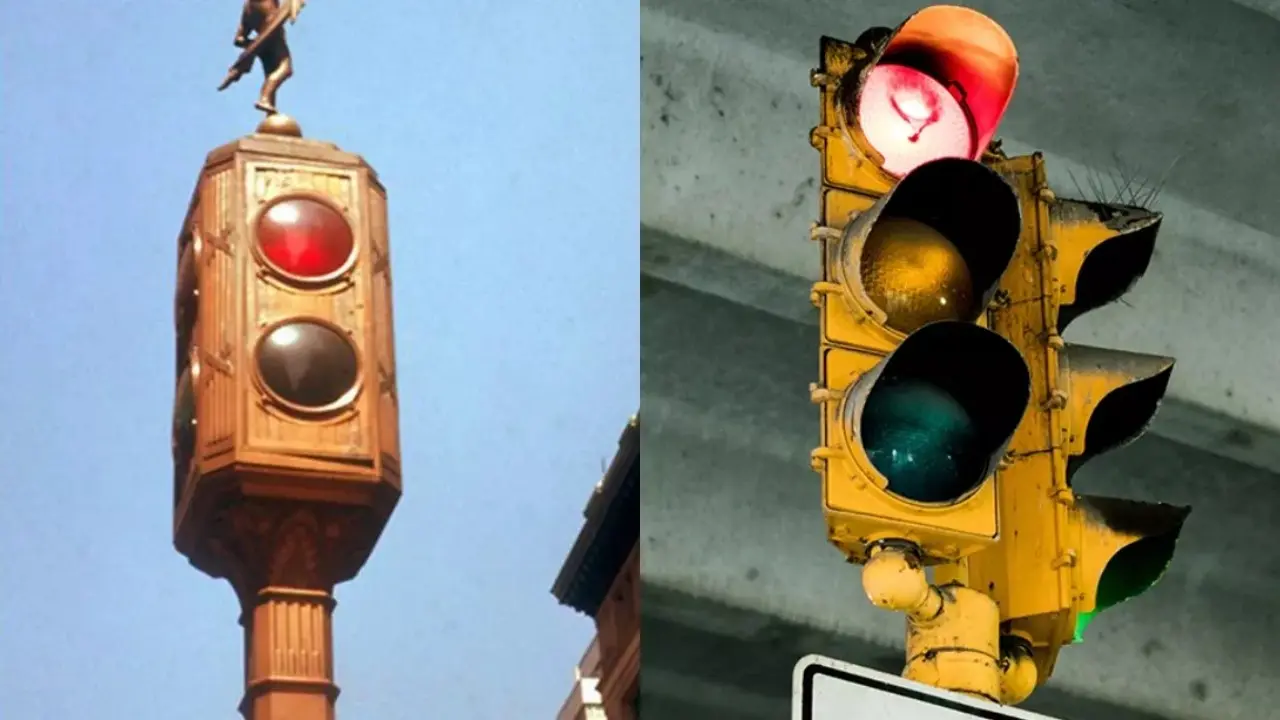
The History of Traffic Lights: From the Past to Today’s Smart Traffic Systems
Traffic lights are a traffic control tool that we encounter frequently in daily life but often use without giving them much thought. Developed to manage traffic flow and prevent accidents, the origins of this system date back quite far. So, when, by whom, and in which city were traffic lights invented?
The Emergence of Traffic Lights
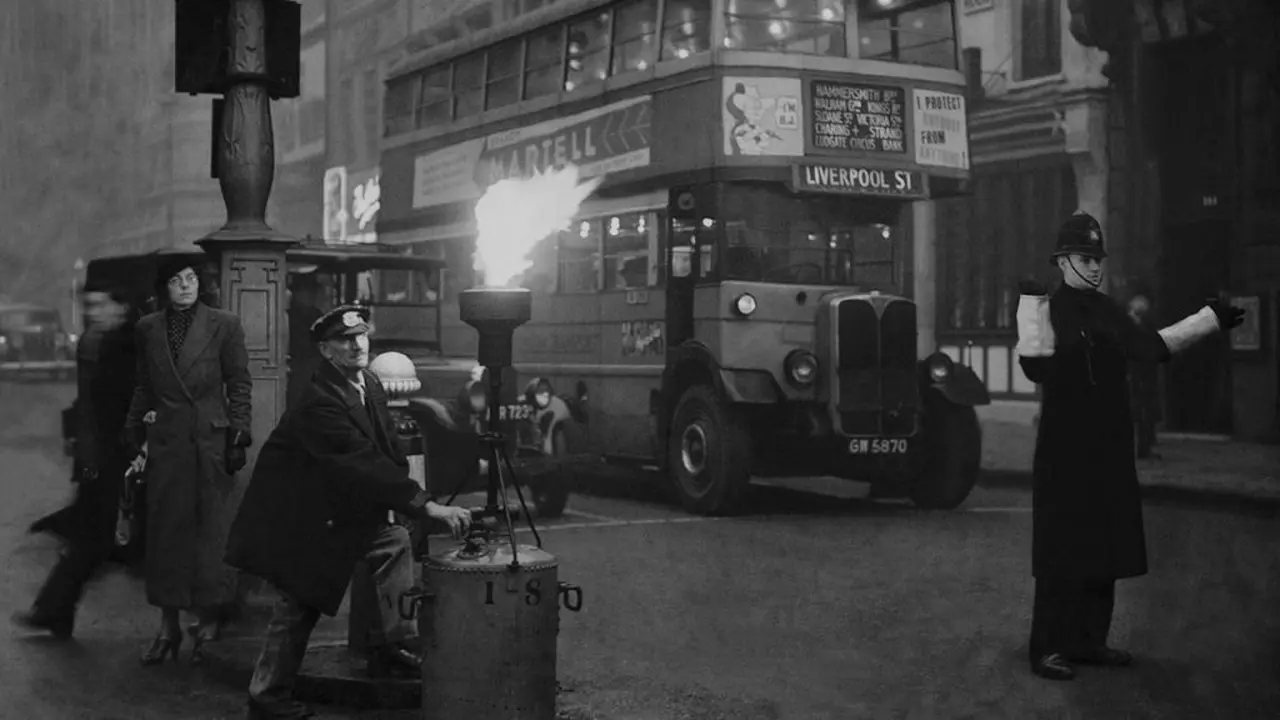
The world’s first traffic light began operating on December 10, 1868, in London, the capital of England. This early system was quite different from modern traffic lights and operated entirely manually. Gas lamps were used to regulate traffic flow, and the system was designed to control the movement of horse-drawn carriages and pedestrians in the city.
John Peake Knight and the First Traffic Light
This first traffic signal was developed by the British engineer John Peake Knight. Knight was an engineer specializing in railway signaling systems, and inspired by the illuminated signaling systems used on railways, he proposed a similar system for road traffic.
John Peake Knight was born in England in 1828 and built his career in the railway industry. His work to improve railway safety led him to develop innovative solutions for managing road traffic. He designed a system to reduce the heavy traffic and accidents caused by horse-drawn carriages around the Houses of Parliament in London.
The traffic signals he proposed consisted of red and green lights and were powered by gas. Controlled by traffic police officers, the system operated using specific signals during the day and illuminated signals at night. However, the first gas-powered traffic light became unusable after an explosion on January 2, 1869, and was removed. As a result, it would take several more decades before electrically powered traffic lights became established in the modern sense.
Although John Peake Knight anticipated that traffic regulations would become a major necessity in the future, the failure of his system prevented him from carrying out further work in the field of traffic management. Nevertheless, his pioneering efforts laid the foundation for the electrically powered traffic lights that would be developed in later years.
The Birth of Electric Traffic Lights
As automobiles became more widespread in the early 20th century, traffic problems increased significantly. This created a need for the development of modern electric traffic lights. On August 5, 1914, the first electric traffic light began operating in Cleveland, United States.
The system was developed by General Electric and used red and green lights to control traffic flow. The yellow light was added in Detroit in 1920, completing the three-color system used today.
Why Are Traffic Lights Red, Yellow, and Green?
The main reason traffic lights use red, yellow, and green is related to the way these colors are perceived by the human eye.
-
Red: It has the longest wavelength and can be seen from the greatest distance. Its use as a warning and stop signal is related to its high visibility. Historically, red was also used to indicate “stop” in railway signaling systems.
-
Yellow: It is used to indicate transition and warning. Although it is not as attention-grabbing as red, it has high visibility. It is ideal for warning drivers during the transition from green to red.
-
Green: It is commonly associated with nature and is considered a calming color. For this reason, it is used when vehicles are permitted to proceed, helping provide direction and reduce driver stress.
The use of these colors first began in railway signaling systems and was later adapted to road traffic after proving effective for traffic management.
Where Were the First Traffic Lights Installed in Turkey?
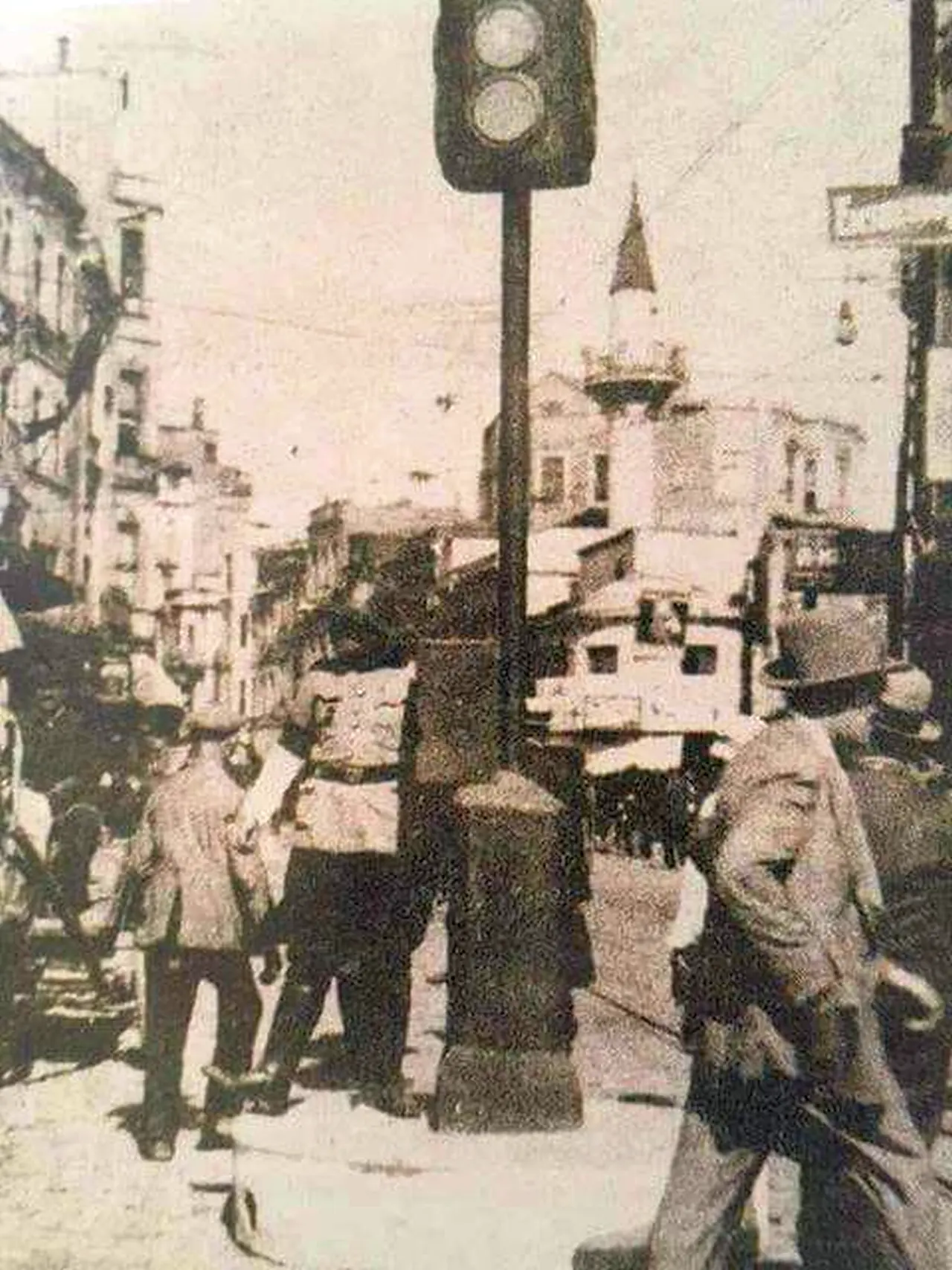
The first traffic lights in Turkey began operating in Istanbul in 1929. As vehicle and pedestrian traffic increased in Istanbul, modern traffic regulations became necessary. The first traffic lights were installed in Taksim Square, one of the busiest areas of Istanbul. At the time, the number of automobiles in Turkey was steadily increasing, and new solutions were being sought to improve traffic management.
The first traffic lights installed consisted of red and green lights, similar to the system used in the United States, and were operated under police control. Over time, the number of traffic lights in Istanbul increased, and they spread to other major cities. By the 1950s, electric traffic lights had become widespread in many major cities across Turkey, laying the foundations for the modern systems used today.
Today, smart traffic management systems are used in all major cities, particularly Istanbul, and traffic lights are managed using sensor-based technologies. Traffic density can be analyzed through these systems, allowing signal durations to be optimized and traffic flow to become more efficient.
The Development of Traffic Lights
-
1923: American inventor Garrett Morgan patented a three-color system that formed the basis of modern traffic lights.
-
1950s: Electronic control systems were introduced, allowing traffic lights to be automatically timed.
-
1980s: Computer-supported smart traffic systems began to be developed.
-
2000s and Beyond: Sensor-based and artificial intelligence-supported traffic management systems became increasingly widespread.
Traffic Lights Today
Today, traffic lights are no longer limited to simple red, yellow, and green signals. They are integrated with smart traffic systems to optimize traffic flow. Sensor-based systems can adjust signal timing according to traffic density, helping save both time and fuel.
Conclusion
Traffic lights play a crucial role in regulating transportation. The journey that began in London in 1868 has evolved into sophisticated traffic management systems equipped with smart technologies. In the future, the integration of artificial intelligence and the Internet of Things will make traffic management even more efficient and contribute further to accident prevention.