TR
TR EN
EN

Wilhelm Maybach: The Genius of the Automotive World
Wilhelm Maybach was a genius who revolutionized the field of automotive engineering. Making major contributions to the development of modern internal combustion engines, Maybach is regarded as one of the key figures who helped lay the foundations of the Mercedes brand. In this article, we will take a detailed look at Maybach’s life story, inventions, and contributions to the automotive industry.
The Life of Wilhelm Maybach
Birth and Early Years
Wilhelm Maybach was born on February 9, 1846, in Heilbronn, Germany. He was orphaned at the age of 10 and placed in an orphanage. Thanks to the engineering talent he demonstrated there, he was given the opportunity to receive a technical education. In 1861, he met Gottlieb Daimler, who would later become one of Germany’s most famous engineers. This meeting would eventually lead to major developments in the automotive world.
Partnership with Daimler
Wilhelm Maybach worked alongside Gottlieb Daimler and together they helped lay the foundations of the automotive industry. In 1872, Daimler began working as technical director at Deutz Gasmotorenfabrik, while Maybach served as chief engineer. The two worked on internal combustion engines and achieved significant developments in the field. However, disagreements with the company’s management eventually led them to leave the firm in 1882.
The First High-Speed Internal Combustion Engine
In 1883, Daimler and Maybach established a small workshop in Stuttgart, where they began developing their own engines. In 1885, they succeeded in producing a lightweight, high-speed internal combustion engine. The engine was designed for use in motorcycles, automobiles, and even boats. It became one of the early engines that laid the foundations for modern automobiles.
Wilhelm Maybach’s Inventions and Contributions
The First Modern Internal Combustion Engine
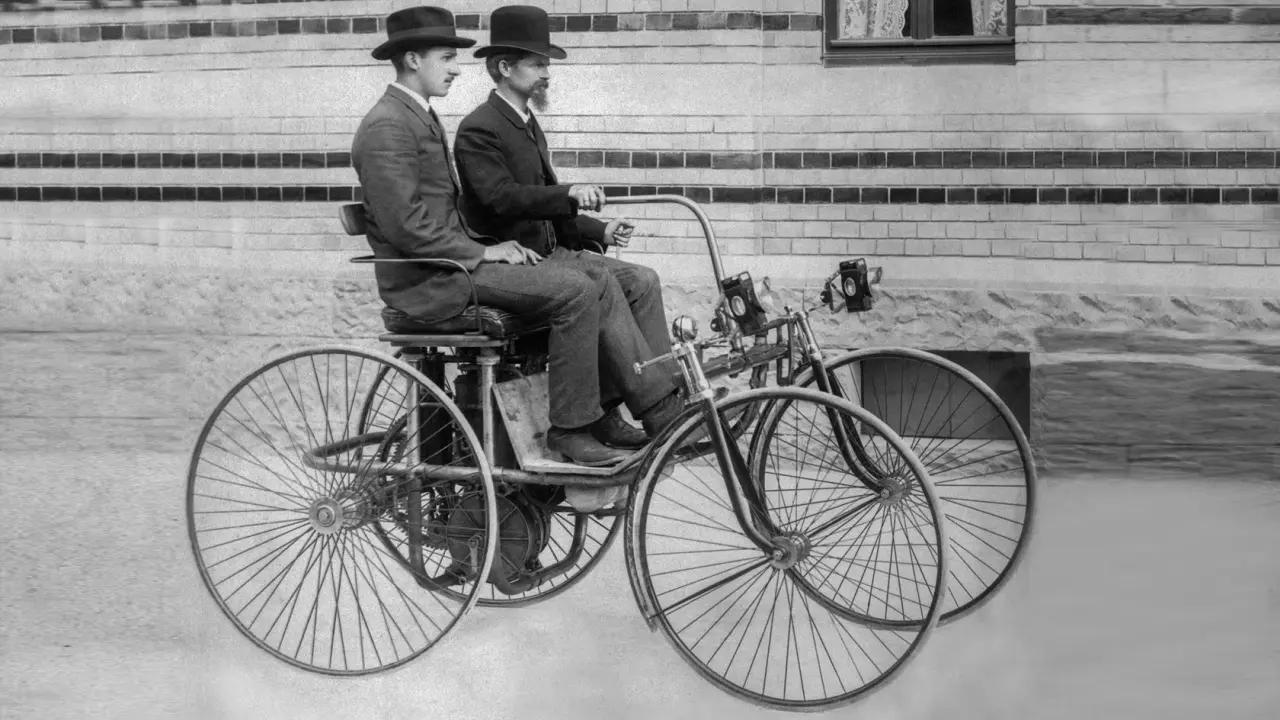
The engine developed by Maybach and Daimler in 1885 was used in the Daimler Reitwagen motorcycle. It is widely regarded as one of the earliest motorcycles in history.
The First Automobile (1889)
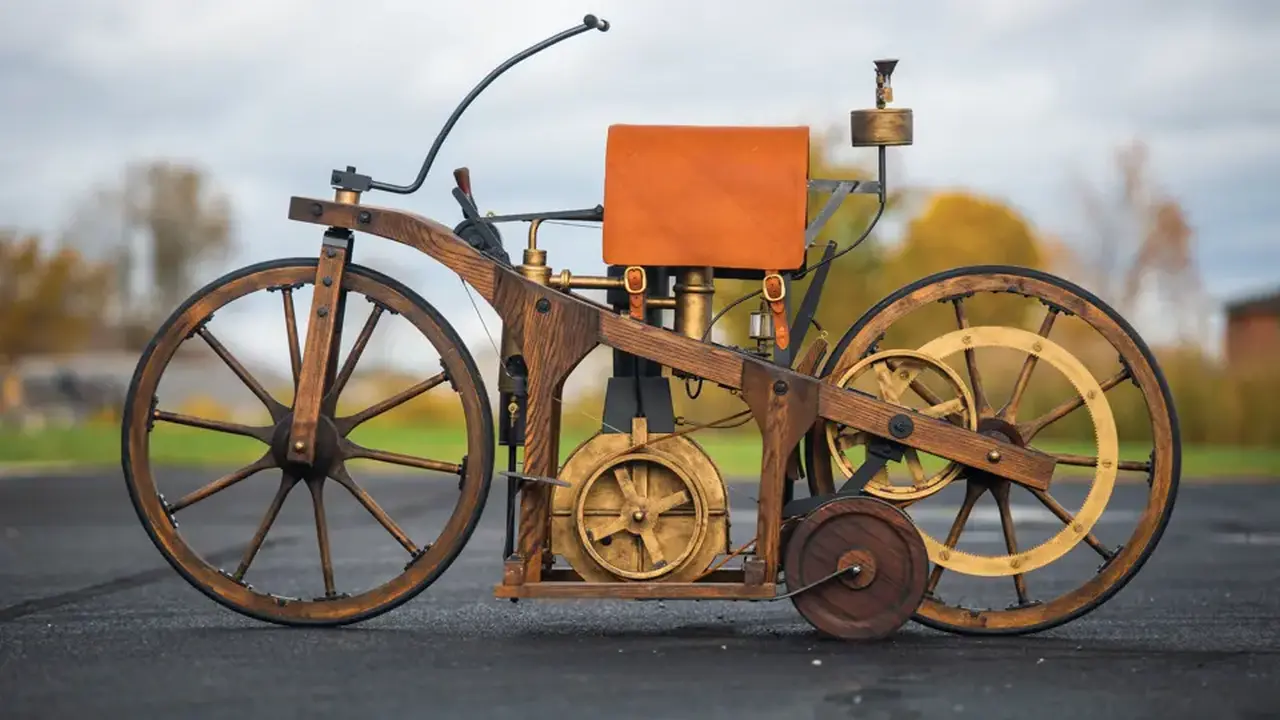
In 1889, Wilhelm Maybach helped develop an early four-wheeled automobile equipped with steering control. The vehicle is regarded as an important ancestor of the modern automobile.
Mercedes 35 HP (1901)
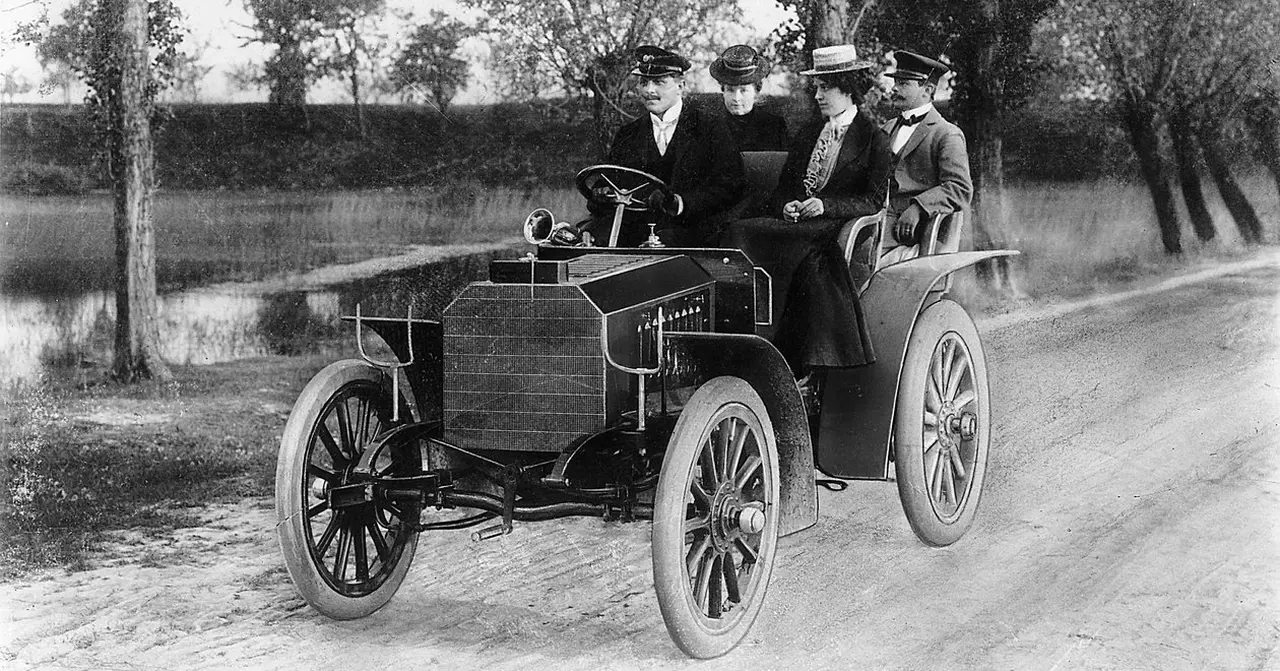
One of Maybach’s greatest achievements was the development of the Mercedes 35 HP in 1901. The vehicle incorporated many innovations that would influence the development of modern automobiles. With a more aerodynamic design, a powerful engine, and a high top speed, the model attracted considerable attention.
The Founding of Maybach Motorenbau (1909)
In 1909, Wilhelm Maybach and his son, Karl Maybach, founded Maybach Motorenbau. The company initially produced engines for airships before later moving into the production of luxury automobiles.
Luxury Automobile Production
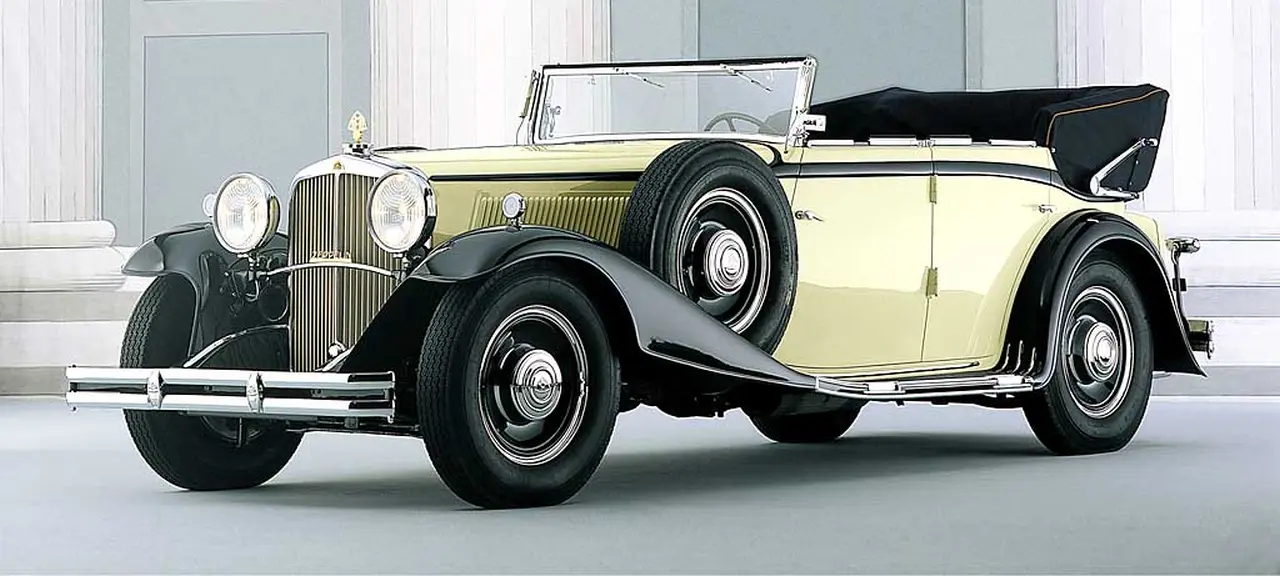
During the 1920s and 1930s, the Maybach brand began producing ultra-luxury automobiles. The Maybach Zeppelin DS 8 became one of the most prestigious automobiles of its era.
Wilhelm Maybach’s Legacy
Wilhelm Maybach died in 1929, but his legacy continues to live on in the automotive world. Today, Maybach, the ultra-luxury marque associated with Mercedes-Benz, carries his name. Maybach is regarded as a symbol of innovation, outstanding engineering, and luxury in the automotive industry.
The internal combustion engines developed by Wilhelm Maybach helped transform automotive engineering and contributed to the foundations of the modern automobile. His work continues to serve as a source of inspiration for engineers around the world.
Conclusion
Wilhelm Maybach was a pioneering genius in automotive engineering. His collaboration with Daimler contributed significantly to the development of modern internal combustion engines and played an important role in bringing the automotive industry to its modern level.
The Maybach name continues to represent the pinnacle of luxury automobiles, keeping his legacy alive. Today, Wilhelm Maybach’s engineering genius and innovative spirit continue to influence the automotive world.