TR
TR EN
EN

Ferdinand Porsche: The Genius Engineer of the Automotive World
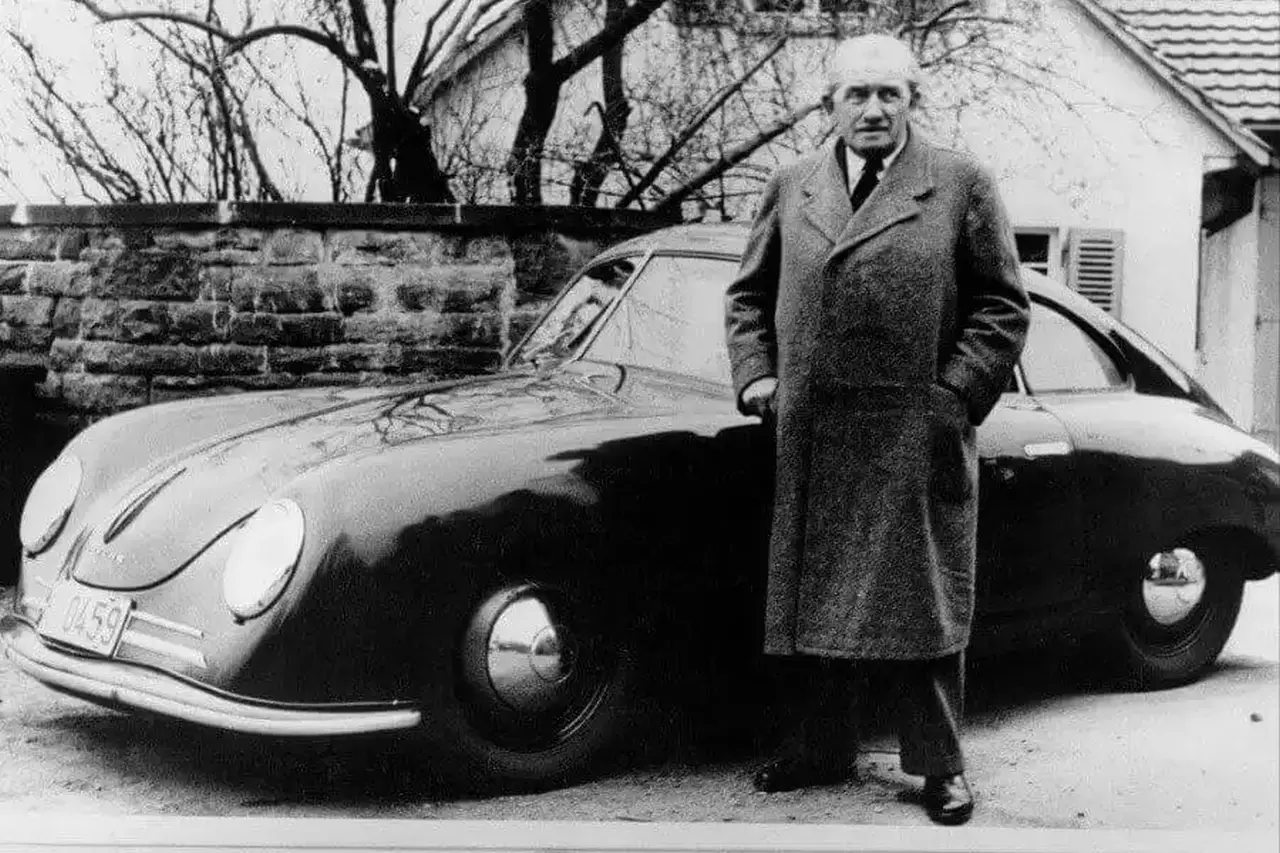
Ferdinand Porsche is considered one of the most important figures in the history of the modern automotive world. Through his innovative approach to automotive engineering and his contributions to technological development, he left behind a legacy that continues to influence the industry even today. In addition to being known as the founder of the Porsche brand, he was also responsible for many revolutionary vehicle designs.
The Life of Ferdinand Porsche
Early Life and Education
Ferdinand Porsche was born on September 3, 1875, in Maffersdorf, a town in the Austro-Hungarian Empire, now known as Vratislavice nad Nisou in the Czech Republic. His father, Anton Porsche, was a tinsmith, and Ferdinand developed a strong interest in mechanical work from an early age. Although he did not receive formal engineering training, he educated himself in the fields of electricity and mechanics at a young age. In 1893, at the age of 18, he began working for the electrical company Béla Egger & Co. in Vienna.
His Entry into the Automotive World
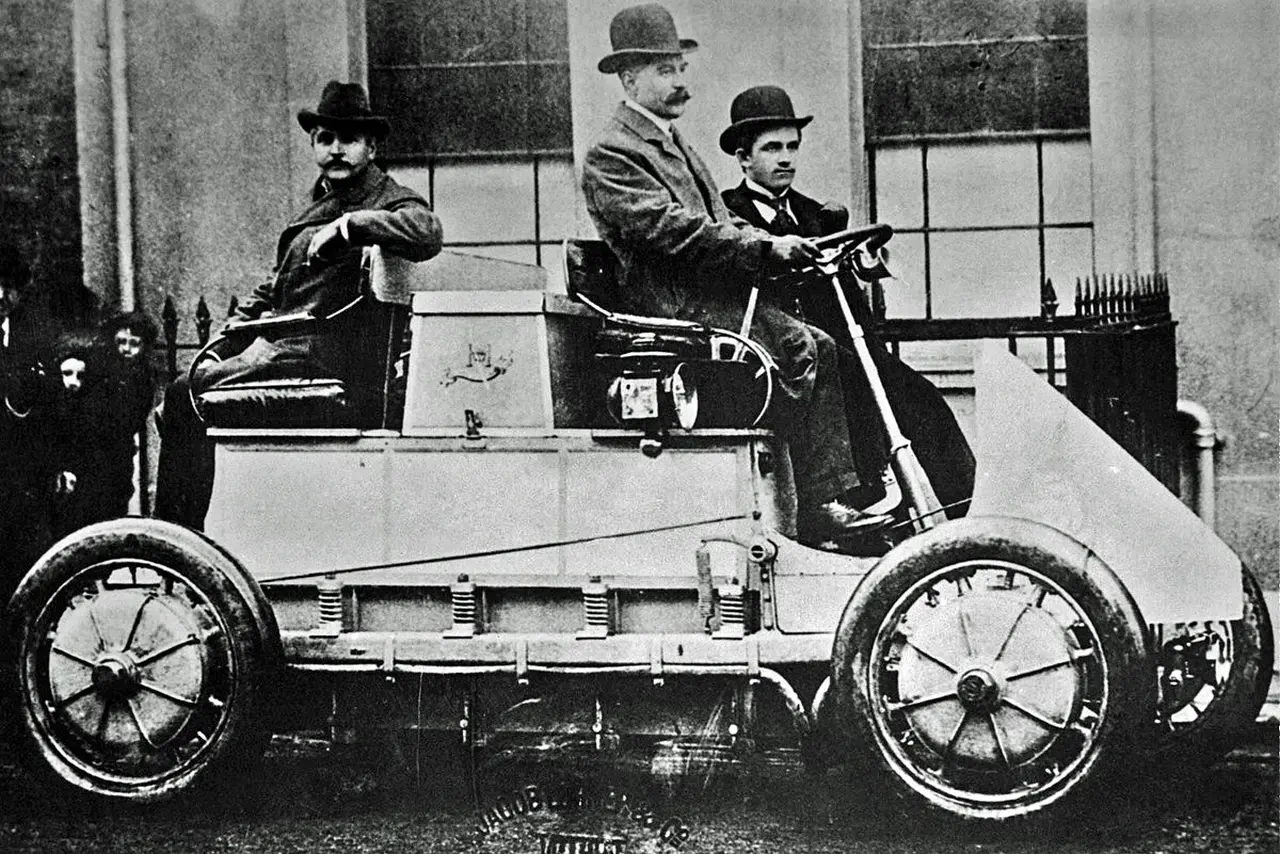
Porsche quickly attracted attention because of his interest in electric vehicles. In 1898, he began working for Jacob Lohner’s automotive company, where he developed the Lohner-Porsche Electric Car, one of the world’s earliest hybrid vehicles. The vehicle featured an innovative design powered by electric motors mounted directly in the wheel hubs.
Porsche’s Inventions and Achievements
1. Lohner-Porsche Electric Car
Introduced at the Paris World’s Fair in 1900, the Lohner-Porsche attracted considerable attention as one of the first vehicles to use electric wheel-hub motors. It was the first major demonstration of Ferdinand Porsche’s engineering genius and represented a groundbreaking step forward in automotive electrification.
2. Contributions to Daimler-Benz and Mercedes-Benz
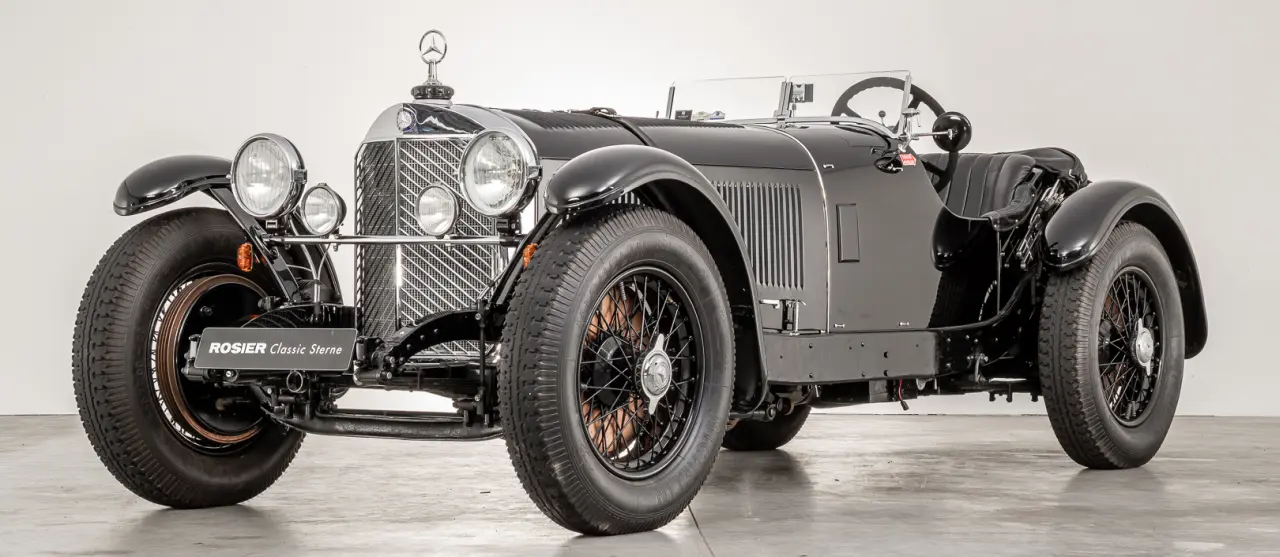
In 1906, Porsche became chief engineer at Austro-Daimler, where he developed high-performance automobiles. In 1923, he joined Daimler-Benz and led the development of the legendary Mercedes-Benz SSK. The vehicle was regarded as one of the fastest and most powerful sports cars of its era.
3. Volkswagen Beetle (Volkswagen Käfer)
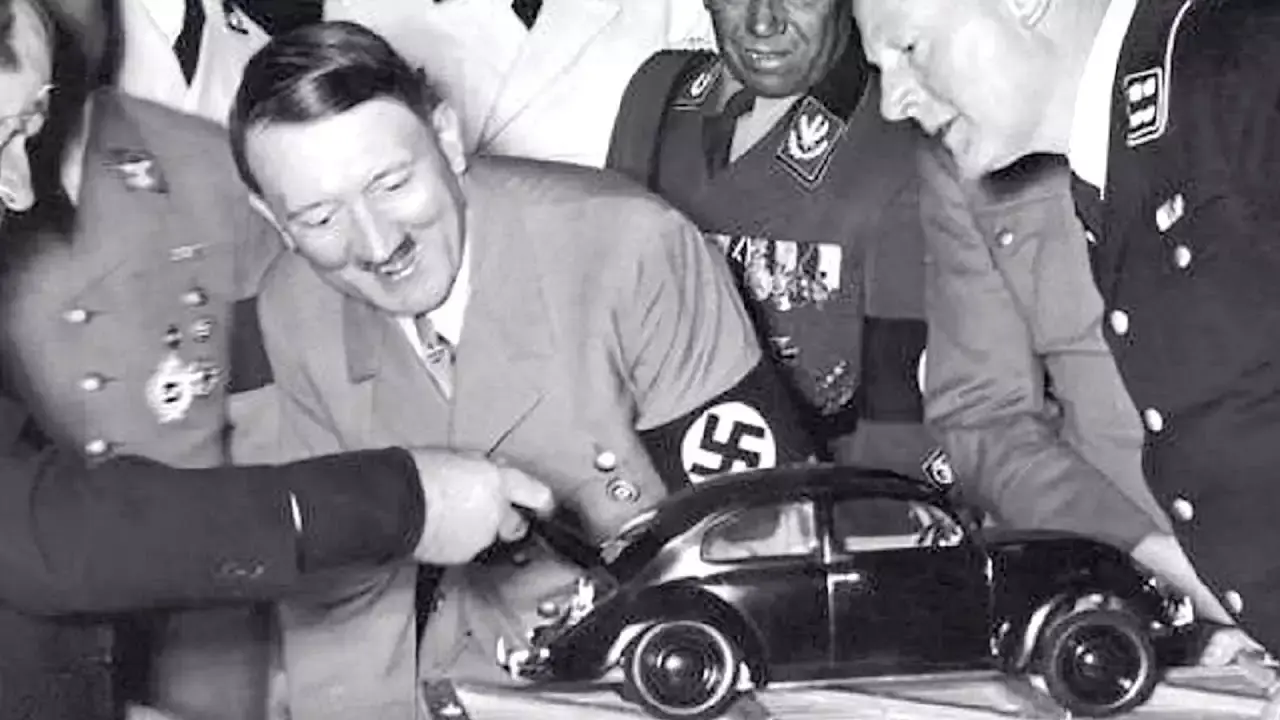
One of Ferdinand Porsche’s most significant projects was the development of the Volkswagen Beetle, commissioned by Adolf Hitler in 1934. Designed as a “people’s car,” the model became highly successful thanks to its simplicity, affordability, and durability. It eventually became one of the most widely produced automobiles in the world.
4. Porsche 356 and the Birth of the Porsche Brand
Following World War II, Ferdinand Porsche worked with his son, Ferry Porsche, to establish their own automobile brand. In 1948, the Porsche 356 was introduced. With its lightweight body and excellent engineering, the model achieved significant success and laid the foundation for the Porsche brand.
5. Tank and Military Vehicle Designs
During World War II, Ferdinand Porsche also worked on military vehicles and tank designs. He developed various designs for the Tiger I and Tiger II tanks, although these projects were generally produced in limited numbers due to manufacturing difficulties.
Ferdinand Porsche died on January 30, 1951, but his legacy continues to live on in the automotive world. Today, Porsche is regarded as one of the world’s most prestigious sports car manufacturers.
His Contributions to the Automotive World
-
Pioneer of electric and hybrid automobiles
-
Creator of an iconic mass-produced model such as the Volkswagen Beetle
-
Contributions to high-performance sports car engineering
-
Pioneer in tank and military vehicle design
Ferdinand Porsche became one of the most influential figures in automotive history through his engineering genius and forward-thinking designs. From electric cars and sports cars to mass-market vehicles and military tanks, his work covered a remarkably broad range of automotive and engineering fields. His legacy continues to live on through the Porsche brand and modern automotive engineering.