TR
TR EN
EN

Giovanni Agnelli: The Symbol of Italian Industry and Founder of Fiat
Giovanni Agnelli was the founder of Fiat, one of Italy’s largest industrial giants, and a businessman who played a major role in transforming the automotive industry. His vision and leadership turned Fiat into a globally recognized brand. Agnelli’s life, his contributions to business, and his influence on Italian industry are still remembered as an inspiring story.
Early Life and Education
Giovanni Agnelli was born on August 13, 1866, in Villar Perosa, a small town in Italy’s Piedmont region. His father, Edoardo Agnelli, was one of the region’s prominent landowners. Agnelli was educated in Turin, where he studied engineering and developed an early interest in industry. The Industrial Revolution and the rapid rise of automobile technology during his education played an important role in shaping his future business career.
The Founding of Fiat and Its Early Years
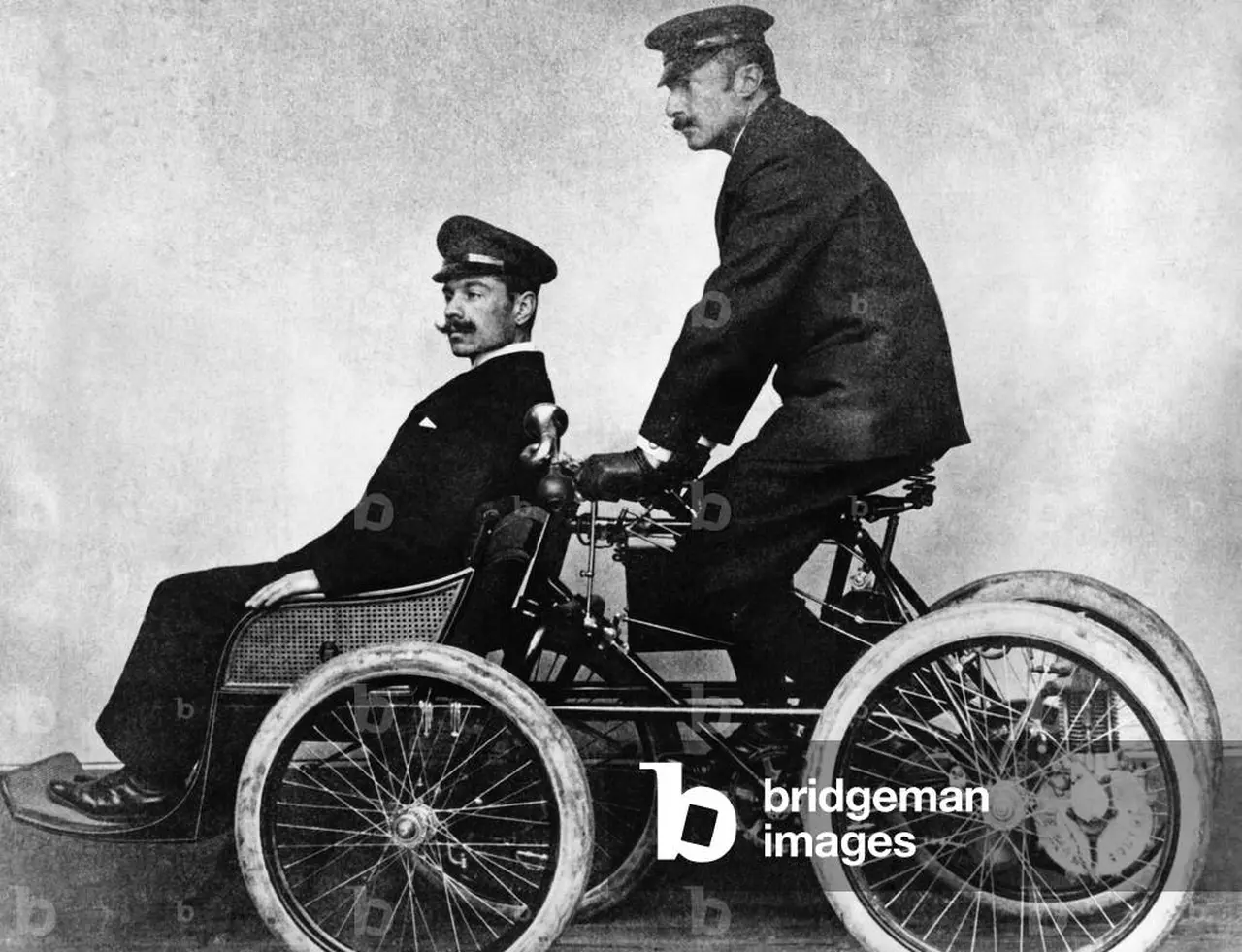
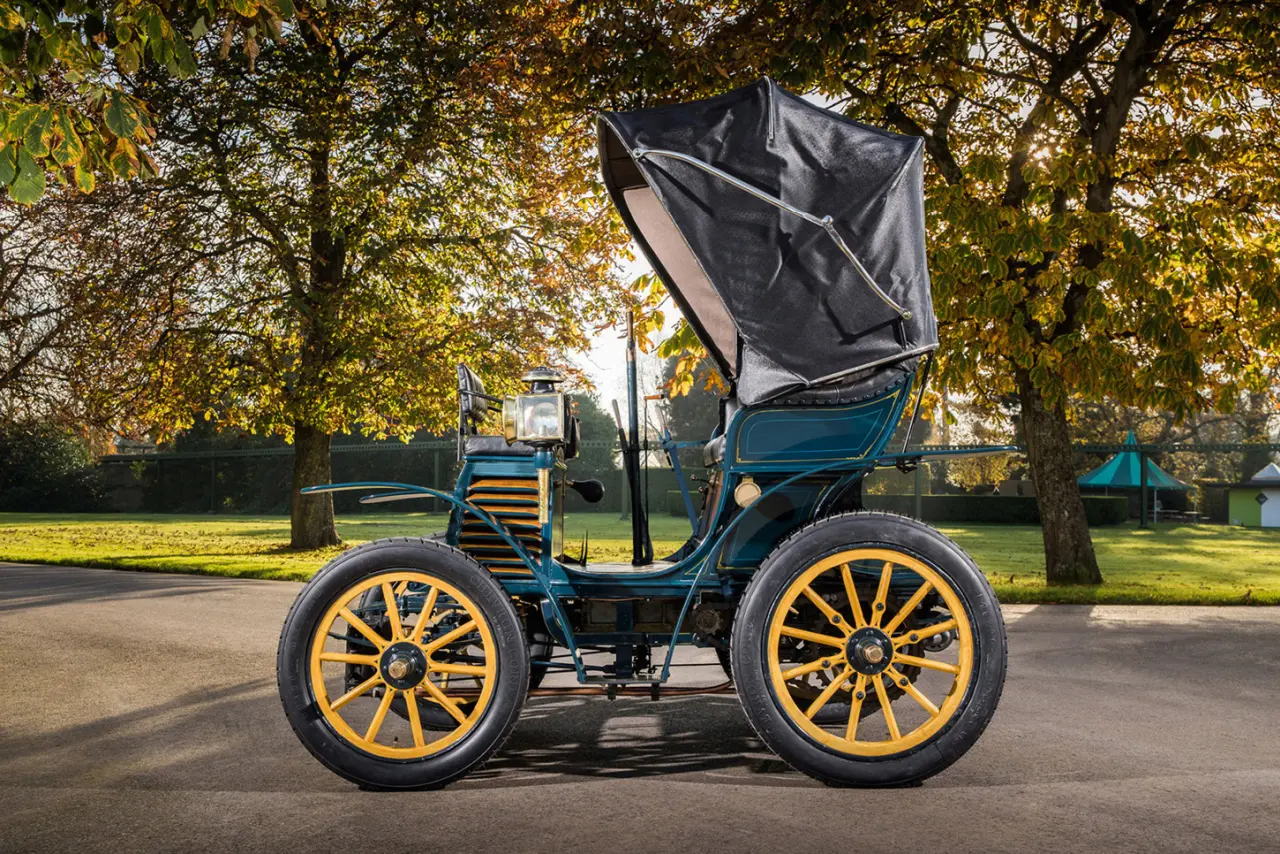
In 1899, Giovanni Agnelli founded Fiat (Fabbrica Italiana Automobili Torino) together with a group of investors. The company was established with the goal of creating a strong Italian brand in the emerging automotive industry. Fiat’s first automobile, the 3½ HP, was introduced in 1900 and attracted considerable attention. The model demonstrated how far-sighted Agnelli’s industrial vision was.
In 1908, Fiat expanded into international markets and began production in the United States. Agnelli closely followed technological developments and helped transform Fiat into one of Europe’s largest automobile companies.
World War I and His Contribution to Industry
During World War I, Fiat began producing military vehicles and aircraft engines. Through its contribution to the war industry, Agnelli played an important role in supporting Italy’s industrial and economic development. After the war, Fiat returned to civilian automobile production and entered a period of rapid growth.
Fiat and Global Expansion
During the 1920s and 1930s, Fiat expanded rapidly and became one of Italy’s largest industrial companies. Agnelli modernized the company, developed mass-production techniques, and introduced new methods designed to increase efficiency in its factories. During this period, Fiat became a leading force in the European automotive market.
Under Agnelli’s leadership, Fiat expanded beyond automobile manufacturing. The company became involved in the production of aircraft, trains, tractors, and military vehicles, creating a diverse industrial portfolio. This diversification transformed Fiat from an automobile manufacturer into a major industrial group with international ambitions.
World War II and the Postwar Period
During World War II, Fiat once again made a major contribution to the war industry. However, by the end of the war, the company had suffered extensive damage, and some of its production facilities had been destroyed.
Giovanni Agnelli made significant efforts to rebuild Fiat during the postwar period. Fiat played a major role in Italy’s economic recovery, and Agnelli was one of the key figures behind this industrial revival.
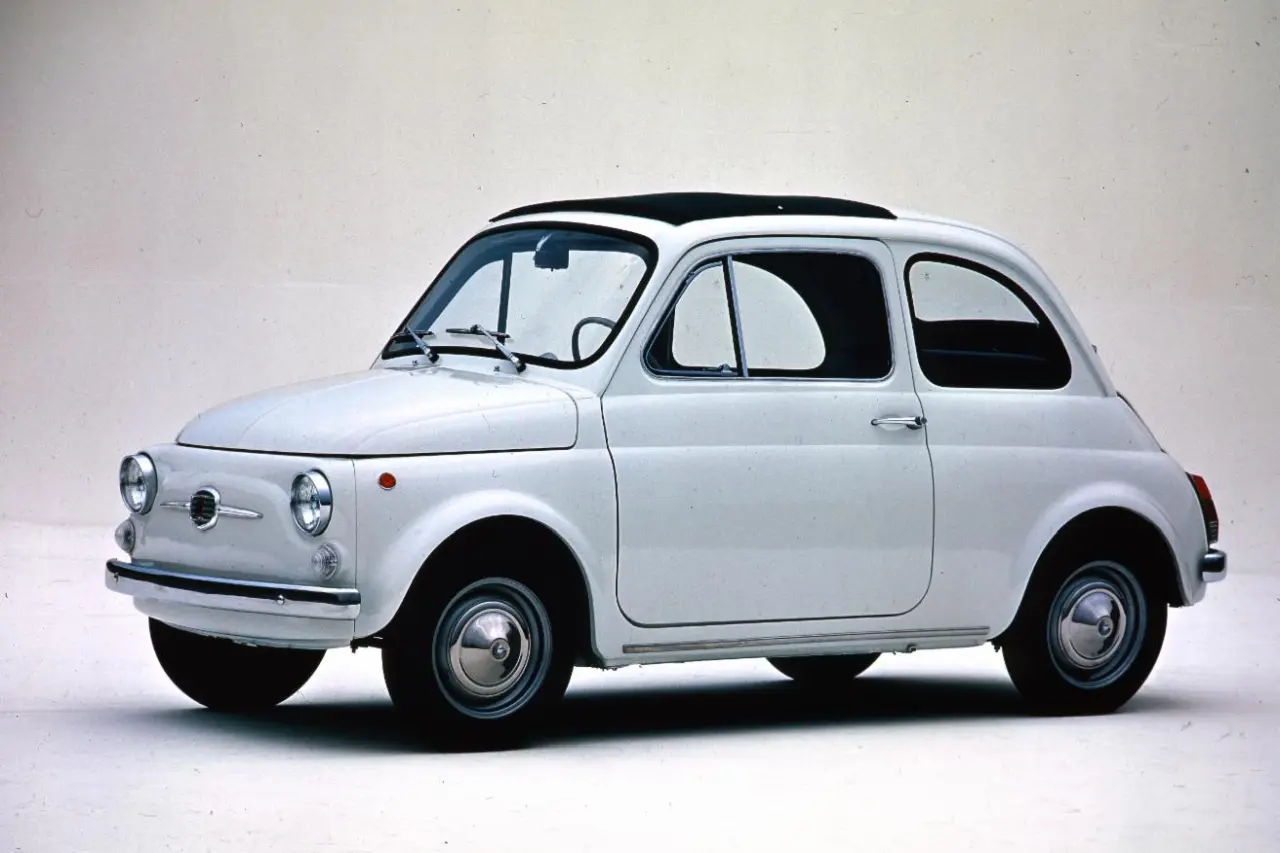
During the 1950s, Fiat became one of the leading forces behind Italy’s economic miracle. The launch of the Fiat 500 in 1957 was a major success and further strengthened the company’s position in the global automotive market.
Technological Innovations and Industrial Developments
Giovanni Agnelli’s leadership at Fiat was not limited to increasing production capacity. He also worked extensively on strategic initiatives designed to transform Fiat into a global brand. One of the most important aspects of Fiat’s growth was the modernization of industrial production.
At the beginning of the 20th century, Agnelli focused particularly on improving manufacturing processes. He sought to introduce new technologies and production methods that could make automobile manufacturing more efficient. These efforts helped transform Fiat into a brand recognized not only in Italy but around the world.
Some of the major innovations and developments associated with Agnelli’s leadership included:
-
Mass-Production Techniques: Agnelli adapted modern production-line principles to Fiat and developed a more efficient manufacturing model.
-
Compact Car Concept: By anticipating growing demand for small and economical automobiles, Fiat developed iconic models such as the Fiat 500 and Fiat 600.
-
Industrial Modernization: Agnelli helped modernize Italy’s automotive industry and improve workforce productivity through more advanced manufacturing methods.
-
International Expansion: He helped take Fiat beyond the Italian market and expand its presence into international markets, including the United States and Asia.
Agnelli’s Approach to Social Responsibility
Giovanni Agnelli sought to reinforce his success in business not only through economic growth but also through social initiatives. As Fiat factories expanded, he placed increasing importance on workers’ health and living conditions.
Agnelli was particularly attentive to employee welfare and aimed to contribute to workers’ education, healthcare, and general well-being. He supported efforts to improve working conditions in Fiat’s factories and raise the living standards of employees.
Agnelli was also active in Italian social life. He became an important figure in the world of sports and was involved in the management of Juventus Football Club. His influence was associated with some of the most successful periods in the club’s history.
In addition, Agnelli supported cultural activities and promoted various projects related to art and culture, further expanding his influence beyond the industrial world.
Giovanni Agnelli’s Legacy
Giovanni Agnelli died on December 16, 1945. However, his legacy left a lasting impact on Fiat and Italian industry. His vision helped establish Fiat as one of the most important automotive companies in Italy and laid the foundations for its later international expansion.
His descendants and successors continued his legacy and helped Fiat maintain its position as a major global automotive company. In the 21st century, Fiat became part of Fiat Chrysler Automobiles (FCA) following its merger with Chrysler. FCA later merged with the PSA Group, contributing to the formation of Stellantis, one of the world’s largest automotive groups.
Conclusion
Giovanni Agnelli did more than establish Fiat. He made significant contributions to Italy’s industrialization, the development of its automotive sector, and the modernization of manufacturing. Through his vision, he helped build an industrial organization that introduced Italian engineering and manufacturing to international markets.
Agnelli became one of the most influential businessmen of the 20th century, not simply because of the automobiles produced by Fiat, but because of the broader industrial transformation associated with his leadership.
His life represents more than the story of a successful businessman. It is also the story of a leader whose decisions had a lasting impact on Italian industry, society, and the country’s economic development.