TR
TR EN
EN

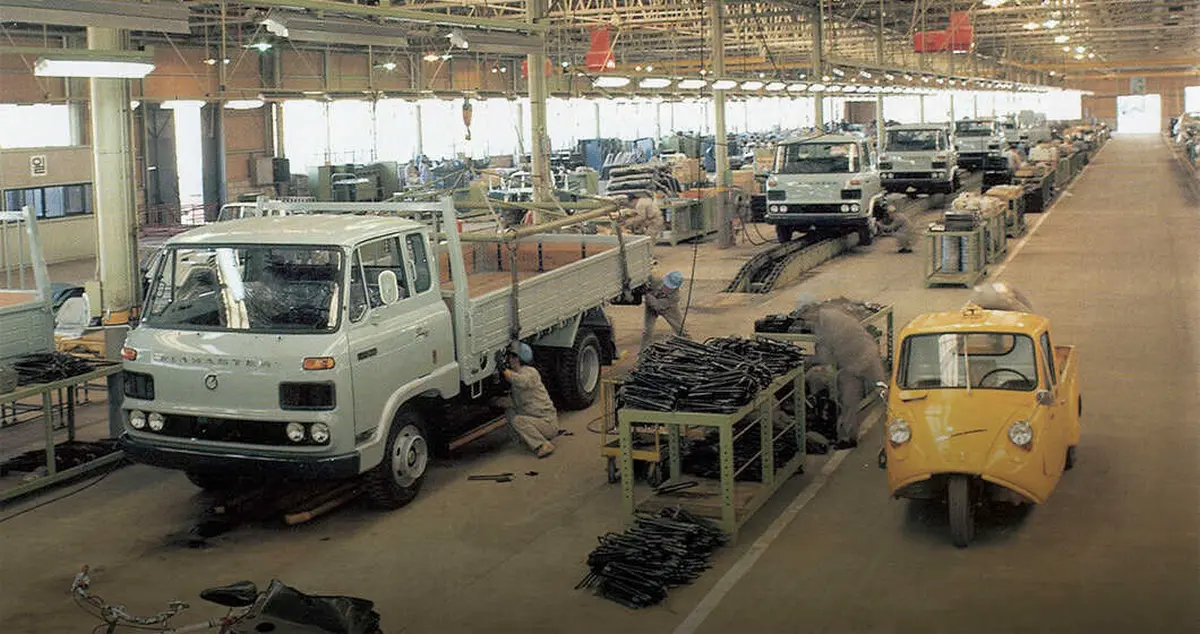
Kia History: From a Small Workshop to a Global Automotive Brand
Kia has grown from a small bicycle parts manufacturer into one of the world's leading automotive companies. Today, the South Korean brand is recognized for producing reliable, stylish, and technologically advanced vehicles, including electric cars, SUVs, and commercial vehicles. With a history spanning more than 80 years, Kia's journey is a remarkable story of innovation, resilience, and global expansion.
The Beginning: From Bicycle Parts to Manufacturing (1944–1960)
Kia was founded on June 9, 1944, in Seoul, South Korea, under the name Kyungsung Precision Industry. The company initially manufactured steel tubing and bicycle parts, serving a country that was rebuilding its industrial base.
In 1951, Kia produced South Korea's first domestically manufactured bicycle, marking an important milestone for the country's manufacturing industry.
The following year, in 1952, the company changed its name to Kia Industries. The name "Kia" is commonly interpreted as "Rising from Asia," reflecting the company's ambition to grow beyond its domestic market.
Throughout the 1950s, Kia expanded its manufacturing capabilities and established itself as one of South Korea's leading industrial companies.
Entering the Motor Vehicle Industry (1960–1980)
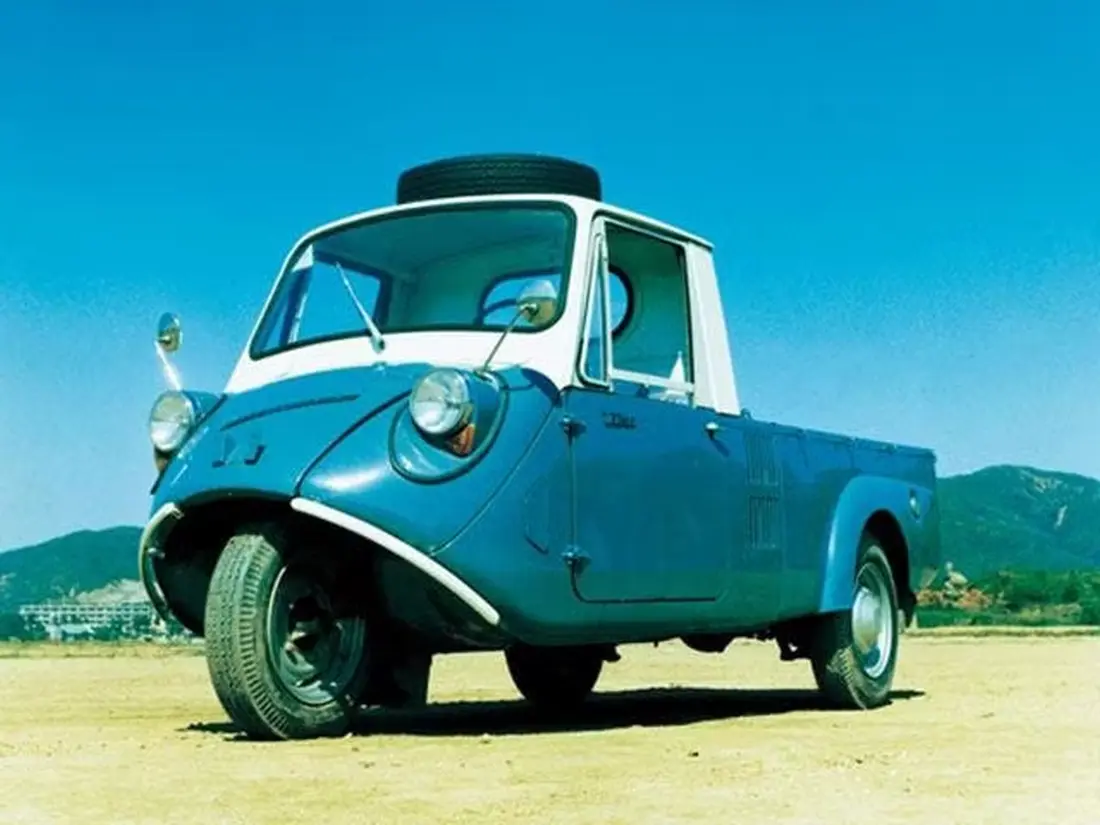
As South Korea's economy rapidly developed during the 1960s, Kia began producing motorized vehicles.
The company initially focused on motorcycles, three-wheeled cargo vehicles, and light commercial trucks, helping meet the country's growing transportation needs.
A major breakthrough came in 1973, when Kia completed South Korea's first integrated automobile manufacturing plant. During the same period, the company also began producing its own gasoline engines.
In 1974, Kia introduced its first passenger car, the Kia Brisa.
Based on Mazda technology, the Brisa was one of the first mass-produced passenger cars built in South Korea. Available as both a sedan and pickup truck, it earned a reputation for reliability, affordability, and fuel efficiency.
However, government restructuring of South Korea's automotive industry in the early 1980s forced Kia to temporarily suspend passenger car production.
Recovery and International Expansion (1980–2000)
Kia returned to passenger vehicle production in 1986 through a strategic partnership with Ford Motor Company.
Many of Kia's vehicles during this period were developed using Mazda platforms and technologies, allowing the company to gain valuable engineering experience while expanding into international markets.
One of the company's biggest successes was the Kia Pride, introduced in 1986. Built under license from Mazda and sold in many countries through Ford's global network, the Pride became one of Kia's first internationally recognized vehicles.
During the 1990s, Kia expanded its lineup with important models such as the Sephia and the Sportage.
The Kia Sportage, introduced in 1993, became one of the world's earliest compact SUVs and helped establish Kia as a serious competitor in the rapidly growing SUV segment.
Despite these achievements, the 1997 Asian Financial Crisis severely affected Kia's finances, leading the company to declare bankruptcy.
In 1998, Hyundai Motor Company acquired a controlling stake in Kia. This acquisition marked the beginning of a new era of stability, investment, and global growth.
Modern Growth and Global Recognition (2000–Present)
The 21st century transformed Kia into a truly global automotive brand.
Significant investments in engineering, manufacturing, and product quality helped improve the company's reputation worldwide.
One of the most important turning points came in 2006, when renowned German automotive designer Peter Schreyer became Kia's Chief Design Officer.
His influence completely reshaped Kia's design philosophy.
The introduction of the iconic Tiger Nose grille gave Kia vehicles a distinctive identity that remains one of the brand's signature design elements today.
Throughout the 2010s, Kia introduced numerous award-winning vehicles while significantly improving safety, technology, and build quality.
The company also entered the hybrid and electric vehicle market with models such as:
-
Kia Soul EV
-
Kia Niro Hybrid
-
Kia Niro EV
-
Kia Optima Hybrid
In 2021, Kia unveiled a completely new global brand identity.
The company introduced a redesigned logo along with its new slogan:
"Movement that Inspires."
This rebranding reflected Kia's transformation from a traditional automobile manufacturer into a mobility solutions provider.
Kia's First and Most Important Early Models
Kia Brisa (1974–1981)
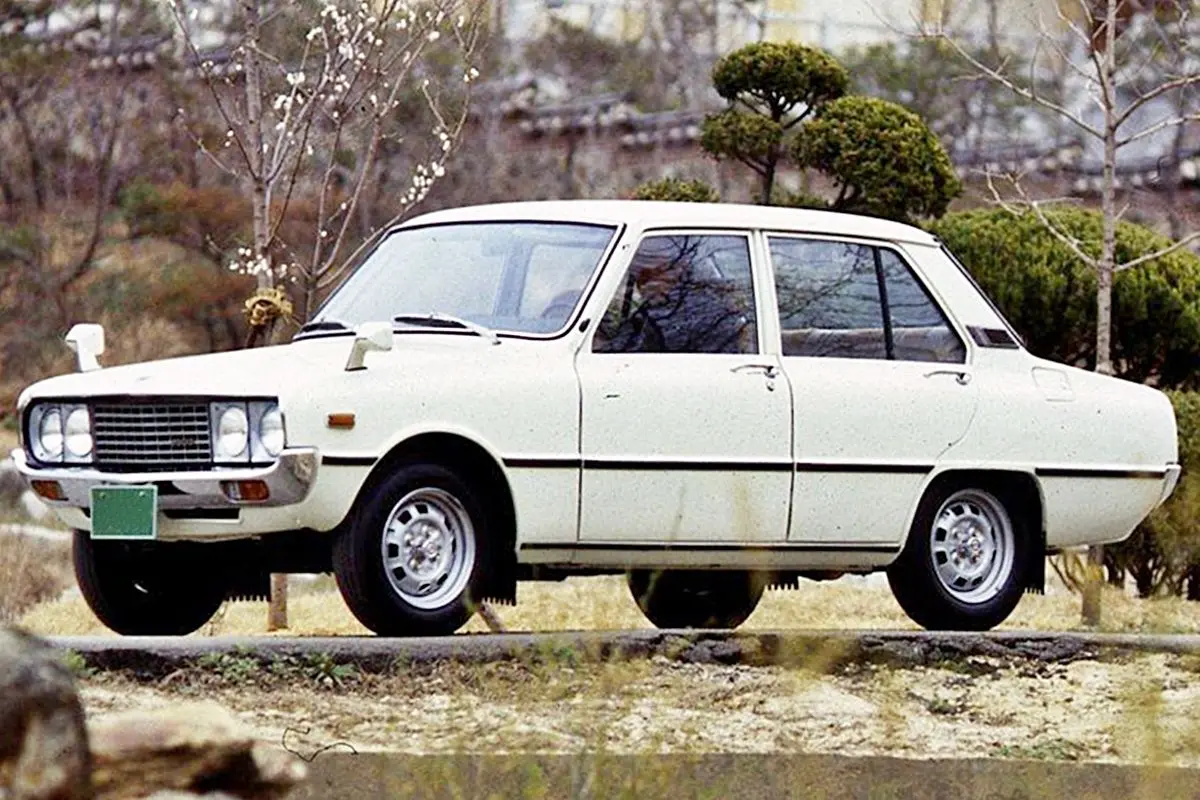
The Brisa was Kia's first passenger car and one of South Korea's earliest mass-produced automobiles. Based on Mazda engineering, it established Kia's presence in the passenger vehicle market.
Kia Bongo (1980–Present)

Introduced in 1980, the Bongo became Kia's first successful light commercial vehicle. Known for its durability and practicality, it remains one of Kia's longest-running models.
Kia Pride (1986–2000)
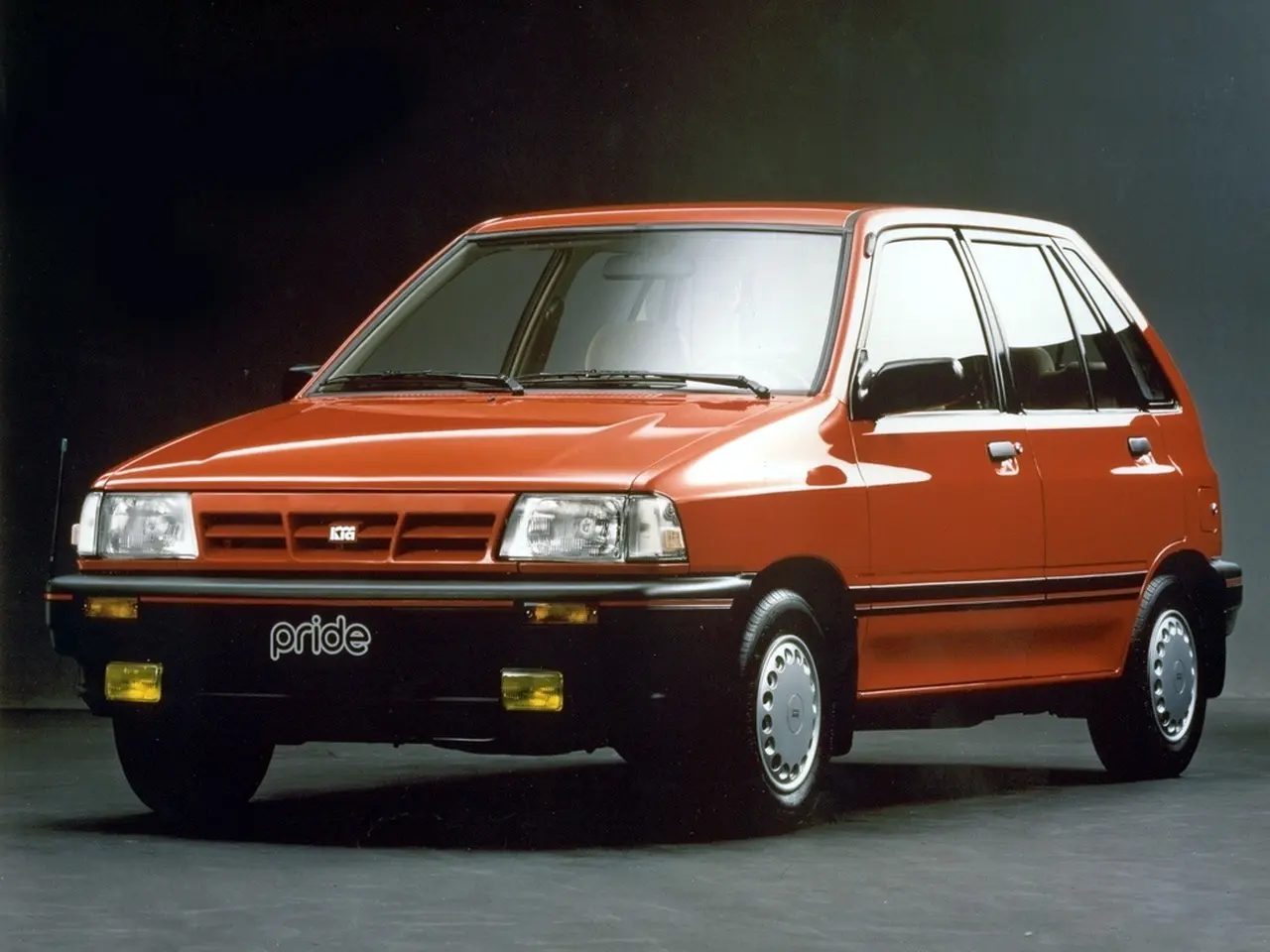
Produced through cooperation with Ford and Mazda, the Pride became Kia's first globally successful passenger vehicle and played a key role in expanding the company's international presence.
Kia Sephia (1992–2003)
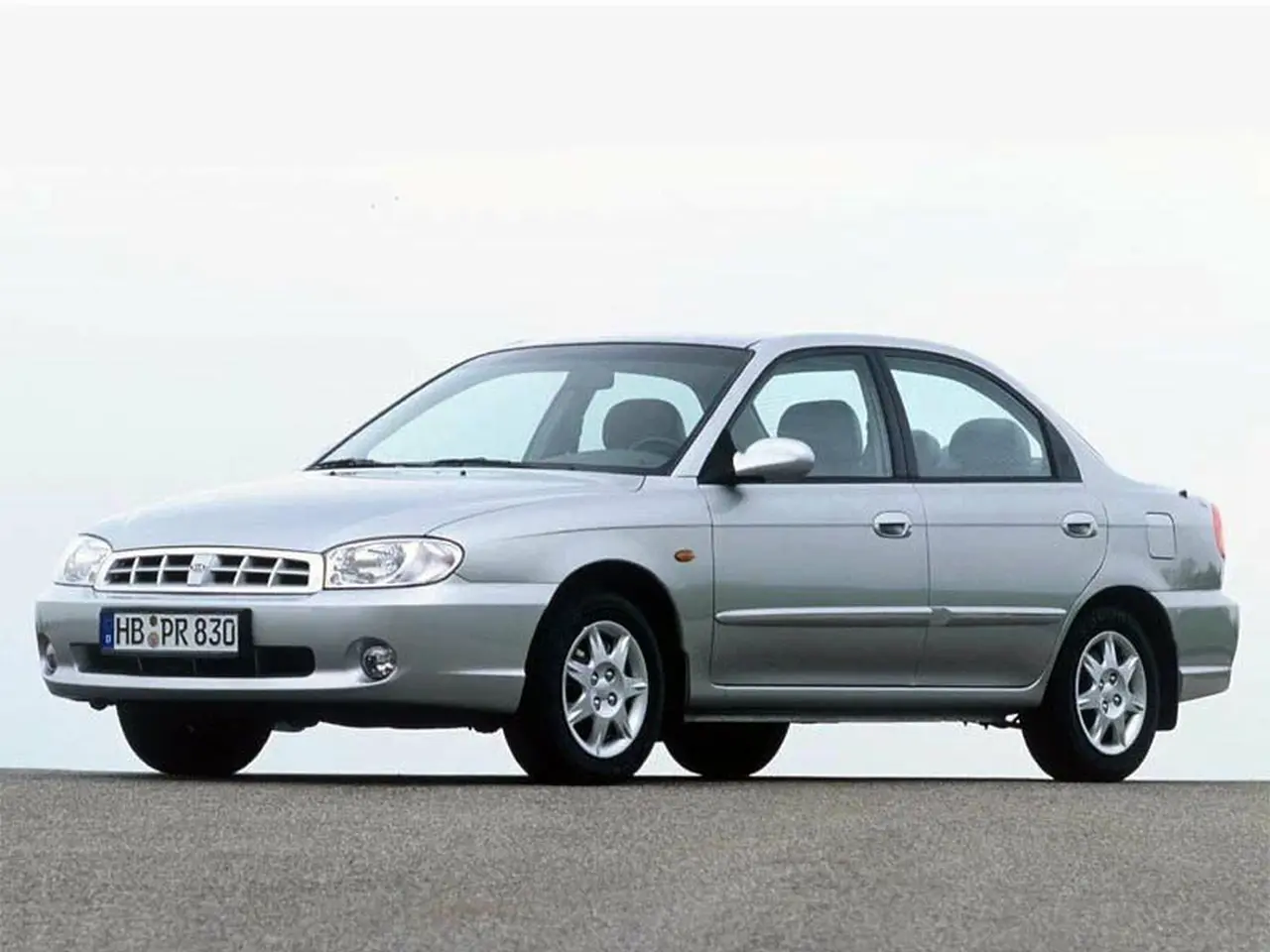
The Sephia was Kia's first independently developed compact sedan. It demonstrated the company's growing engineering capabilities and helped strengthen its position in overseas markets, particularly North America.
Kia Sportage (1993–Present)
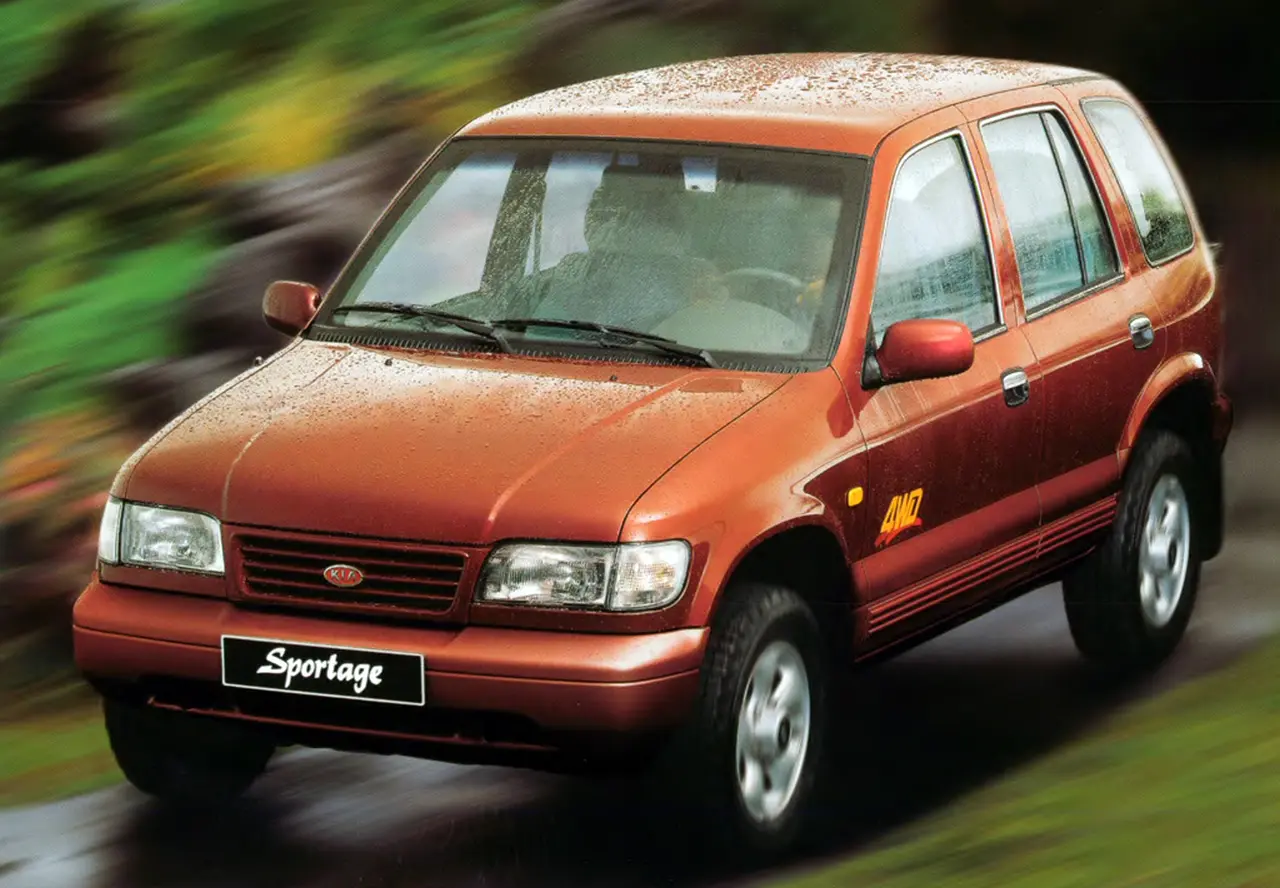
As Kia's first SUV, the Sportage became one of the brand's most recognizable models. Over several generations, it has evolved into one of the world's best-selling compact SUVs.
Kia Credos (1995–2001)

The Credos represented Kia's entry into the midsize sedan segment, offering greater comfort, improved safety, and more refined engineering than previous models.
Kia's Move Toward Electrification
Today, Kia is one of the industry's fastest-growing electric vehicle manufacturers.
The company has developed a dedicated electric vehicle platform known as E-GMP (Electric Global Modular Platform), enabling longer driving ranges, faster charging, and improved performance.
Some of Kia's most important electric vehicles include:
Kia EV6
The EV6 became Kia's first dedicated battery-electric vehicle built on the E-GMP platform. It received widespread international recognition, including the 2022 European Car of the Year award.
Kia EV9
The EV9 is Kia's flagship all-electric SUV, combining advanced technology, spacious design, and long-range capability while showcasing the company's future design language.
Kia plans to introduce numerous additional electric vehicles over the coming years as part of its global sustainability strategy.
What Makes Kia Unique?
Several factors have contributed to Kia's remarkable success.
Excellent Value for Money
Kia consistently offers high levels of equipment, technology, and reliability at competitive prices.
Modern Design
Since the arrival of Peter Schreyer, Kia vehicles have become known for their bold styling and distinctive appearance.
Industry-Leading Warranty
In many global markets, Kia offers one of the automotive industry's longest factory warranties, helping build customer confidence.
Advanced Technology
Modern Kia vehicles feature digital displays, advanced infotainment systems, connected services, and comprehensive driver assistance technologies.
Electrification Strategy
Kia is investing heavily in battery-electric vehicles, software-defined mobility, autonomous driving technologies, and sustainable transportation.
Kia Today
Today, Kia sells vehicles in more than 190 countries and operates manufacturing facilities across Asia, Europe, and North America.
Its product lineup includes:
-
Compact city cars
-
Hatchbacks
-
Sedans
-
Crossovers
-
SUVs
-
Pickup trucks (in selected markets)
-
Commercial vehicles
-
Hybrid vehicles
-
Plug-in hybrid vehicles
-
Fully electric vehicles
As a member of the Hyundai Motor Group, Kia continues to expand its global presence while maintaining its reputation for quality, innovation, and affordability.
Conclusion
From manufacturing bicycle parts in 1944 to becoming one of the world's largest automotive brands, Kia has undergone an extraordinary transformation.
Its history is defined by continuous innovation, strategic partnerships, resilient recovery from economic challenges, and an unwavering commitment to improving vehicle quality and technology.
Today, Kia stands as a global leader in modern mobility, producing award-winning electric vehicles, advanced SUVs, and reliable passenger cars for millions of drivers worldwide.
As the automotive industry shifts toward electrification, connected technologies, and autonomous driving, Kia is well positioned to remain one of the most influential manufacturers shaping the future of transportation.