TR
TR EN
EN

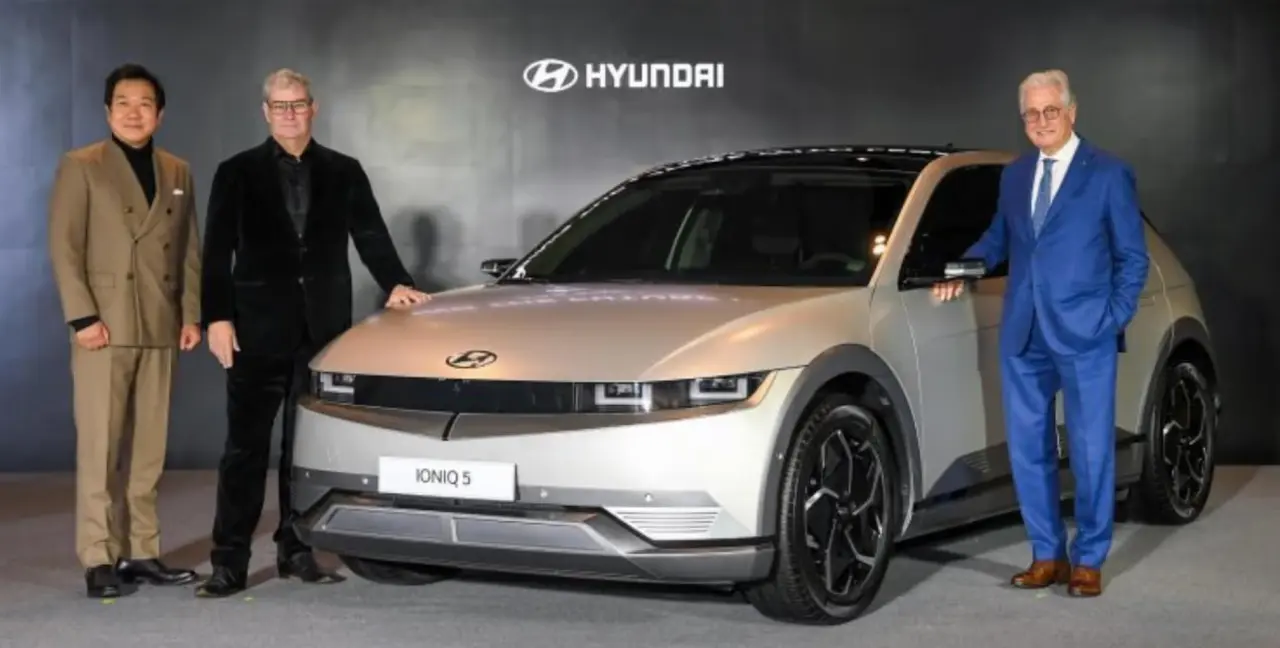
Hyundai History: From South Korea to a Global Automotive Powerhouse
Hyundai is one of the world's largest automobile manufacturers and a symbol of South Korea's industrial success. Known for producing reliable, affordable, and technologically advanced vehicles, Hyundai has transformed itself from a small construction company into a global automotive leader. Today, the company is at the forefront of electric mobility, hydrogen fuel cell technology, and autonomous driving innovation.
The Foundation of Hyundai (1947–1967)
Hyundai's story began in 1947, when Chung Ju-Yung founded the Hyundai Engineering and Construction Company in South Korea.
Initially focused on construction and infrastructure projects, Hyundai played a significant role in rebuilding South Korea following World War II and the Korean War. The company's rapid growth established the Hyundai name as a symbol of quality, determination, and industrial development.
As South Korea's economy expanded during the 1960s, Hyundai recognized the growing demand for automobiles and decided to enter the automotive industry.
In 1967, Hyundai Motor Company was officially established, marking the beginning of one of the world's most remarkable automotive success stories.
Hyundai's First Vehicles (1968–1975)
Hyundai's first automobile was produced through a partnership with Ford Motor Company.
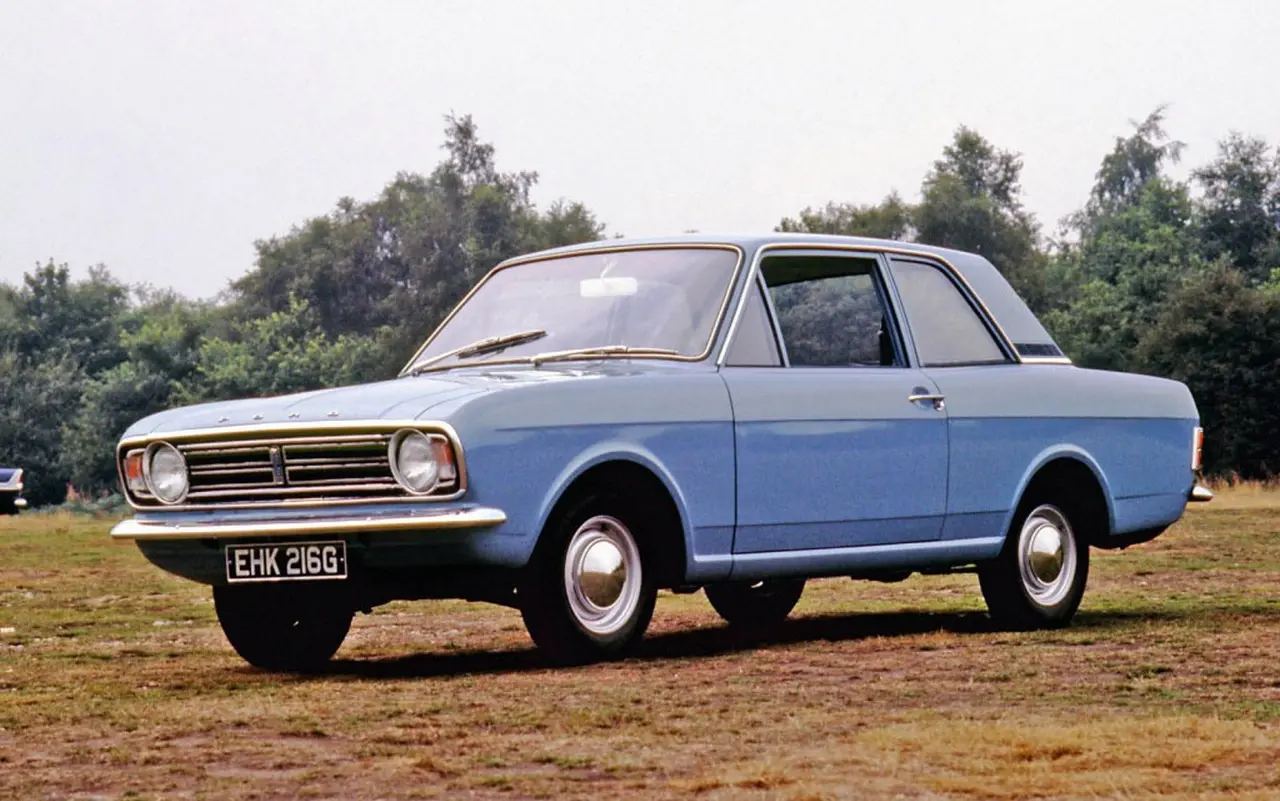
In 1968, Hyundai assembled the Ford Cortina under license for the South Korean market. This collaboration allowed Hyundai to gain valuable manufacturing experience while developing its own engineering capabilities.
Although the Cortina was based on Ford technology, the project provided Hyundai with the expertise needed to begin designing its own vehicles.
The Hyundai Pony: South Korea's First Mass-Produced Car

A major milestone came in 1975 with the introduction of the Hyundai Pony, the company's first mass-produced passenger car.
The Pony represented an international collaboration:
-
Designed by legendary Italian automotive designer Giorgetto Giugiaro.
-
Powered by Mitsubishi engines and mechanical components.
-
Manufactured entirely by Hyundai in South Korea.
The Pony quickly became a national success and symbolized South Korea's growing industrial capabilities.
In 1976, Hyundai began exporting the Pony to international markets, including South America, Europe, and later Canada, becoming the first South Korean automaker to successfully export passenger cars.
Global Expansion During the 1980s
Throughout the 1980s, Hyundai expanded aggressively into overseas markets.
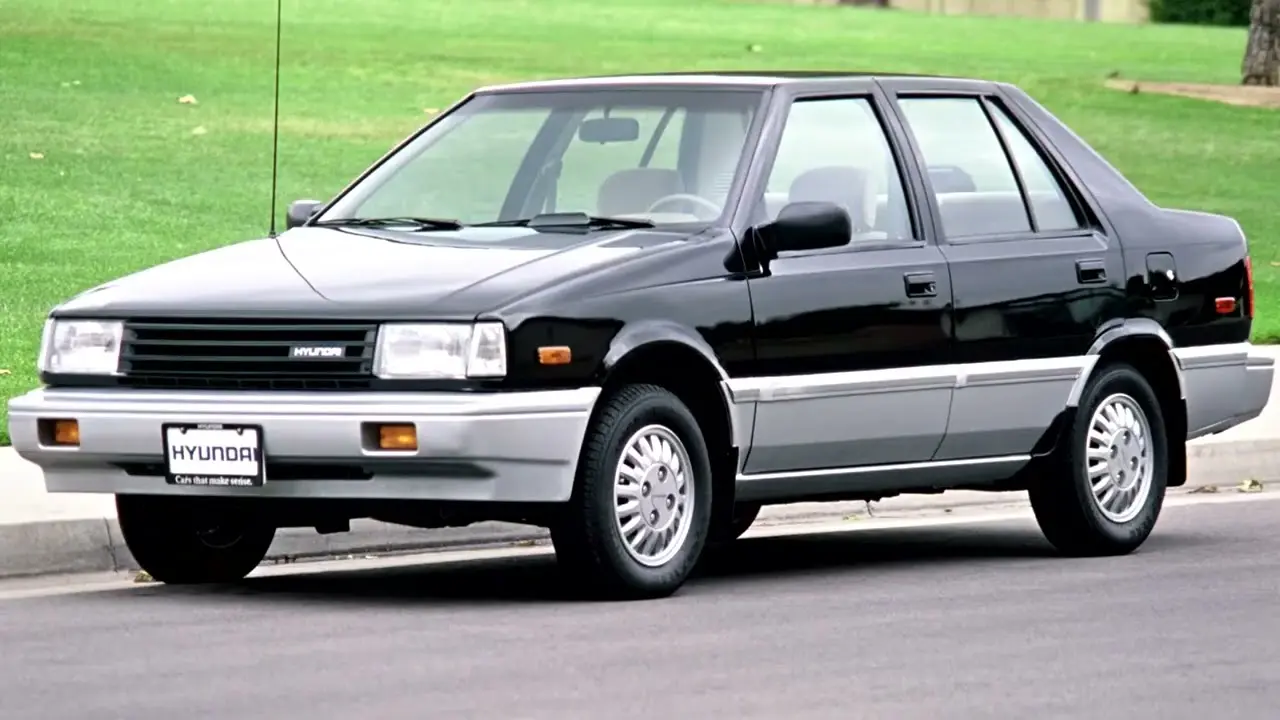
In 1983, Hyundai entered several European countries, introducing affordable vehicles that combined reliability with competitive pricing.
A major breakthrough occurred in 1986, when Hyundai entered the United States with the Hyundai Excel.
The Excel became an immediate success thanks to its affordable price and practical design.
Within its first year, it became one of the best-selling imported cars in the United States, dramatically increasing Hyundai's global visibility.
By the mid-1980s, Hyundai had produced more than one million vehicles, demonstrating the company's rapid growth.
Investing in Quality and Technology (1990s)
During the 1990s, Hyundai shifted its focus toward improving engineering quality, manufacturing standards, and technological innovation.
One of the company's most important achievements came in 1991, when Hyundai introduced its first independently developed gasoline engine, the Alpha Engine.
Developing its own powertrain technology significantly reduced Hyundai's dependence on foreign manufacturers and marked an important step toward becoming a fully independent automaker.
Hyundai also expanded internationally by opening manufacturing facilities in several countries, including India, where Hyundai Motor India was established in 1996.
This investment strengthened Hyundai's position in one of the world's fastest-growing automotive markets.
Hyundai Acquires Kia Motors (1998)
A defining moment in Hyundai's history came during the Asian Financial Crisis.
In 1998, Hyundai acquired a controlling interest in Kia Motors, rescuing the struggling automaker and forming what is now known as the Hyundai Motor Group.
Today, Hyundai Motor Group includes several well-known automotive brands, including:
-
Hyundai
-
Kia
-
Genesis
The acquisition transformed Hyundai into one of the world's largest automotive groups.
Hyundai's Rise in the 2000s
The early 2000s marked Hyundai's transition from a value-focused manufacturer to a globally respected automotive brand.

The company invested heavily in:
-
Vehicle quality
-
Safety engineering
-
Manufacturing technology
-
Design innovation
-
Research and development
Popular models such as the:
-
Hyundai Sonata
-
Hyundai Elantra
-
Hyundai Tucson
-
Hyundai Santa Fe
helped establish Hyundai's reputation for reliability and value.
By 2005, Hyundai had become one of the world's ten largest automobile manufacturers.
The company's improving quality also resulted in consistently high rankings in international reliability and customer satisfaction surveys.
Entering the Era of Electrification
Recognizing the future of sustainable transportation, Hyundai began investing heavily in hybrid, electric, and hydrogen-powered vehicles.
In 2011, the company introduced the Hyundai Sonata Hybrid, one of its first mass-market hybrid vehicles.
In 2015, Hyundai launched Genesis as its standalone luxury vehicle brand, competing with premium manufacturers such as BMW, Mercedes-Benz, and Lexus.
A year later, Hyundai introduced the IONIQ, one of the world's first vehicle platforms available with three electrified powertrains:
-
Hybrid
-
Plug-in Hybrid
-
Fully Electric
This flexible approach demonstrated Hyundai's commitment to multiple clean-energy technologies.
Hydrogen Fuel Cell Leadership
Hyundai has become one of the automotive industry's pioneers in hydrogen fuel cell technology.
In 2018, the company introduced the Hyundai NEXO, one of the world's most advanced hydrogen-powered SUVs.
Unlike battery-electric vehicles, hydrogen fuel cell vehicles generate electricity onboard using hydrogen, producing only water vapor as a byproduct.
Hyundai continues investing heavily in hydrogen technology for passenger cars, commercial vehicles, buses, and heavy-duty transportation.
Hyundai's Electric Future
In 2020, Hyundai introduced IONIQ as a dedicated electric vehicle sub-brand.

The company's new Electric Global Modular Platform (E-GMP) supports next-generation electric vehicles with:
-
Long driving range
-
Ultra-fast charging
-
High efficiency
-
Advanced software integration
Several important models followed.
Hyundai IONIQ 5
Released in 2021, the IONIQ 5 received worldwide acclaim for its futuristic design, spacious interior, and impressive charging capabilities. It earned numerous international awards, including World Car of the Year 2022.
Hyundai IONIQ 6
Introduced in 2022, the IONIQ 6 combines aerodynamic styling with outstanding energy efficiency and long-range performance, competing directly with premium electric sedans.
Innovation Beyond Automobiles
Hyundai's ambitions extend beyond conventional automobile manufacturing.
In 2021, Hyundai acquired a controlling stake in Boston Dynamics, one of the world's leading robotics companies.
The acquisition reflects Hyundai's broader vision of becoming a global mobility solutions provider through advancements in:
-
Robotics
-
Artificial intelligence
-
Autonomous driving
-
Urban air mobility
-
Smart transportation systems
The company is actively developing autonomous driving technologies through partnerships and dedicated research initiatives.
Hyundai Today
Today, Hyundai is one of the world's largest automobile manufacturers, selling millions of vehicles annually across more than 200 countries.
Its global lineup includes:
-
Compact city cars
-
Sedans
-
Hatchbacks
-
SUVs
-
Pickup trucks (selected markets)
-
Hybrid vehicles
-
Plug-in hybrid vehicles
-
Battery-electric vehicles
-
Hydrogen fuel cell vehicles
-
Commercial vehicles
Hyundai operates manufacturing plants across Asia, Europe, North America, South America, and other international markets, making it one of the automotive industry's most globally diversified manufacturers.
What Makes Hyundai Unique?
Several key factors distinguish Hyundai from many competitors.
Outstanding Value
Hyundai consistently delivers advanced technology, safety features, and modern design at competitive prices.
Rapid Innovation
The company invests billions of dollars annually in electrification, software, and future mobility technologies.
Industry-Leading Warranty
In many countries, Hyundai offers one of the automotive industry's longest factory warranties, increasing customer confidence.
Commitment to Sustainability
Hyundai is investing simultaneously in battery-electric vehicles, hydrogen fuel cells, renewable energy, and carbon-neutral manufacturing.
Global Manufacturing Excellence
Its worldwide production network enables Hyundai to serve customers efficiently while maintaining consistent quality standards.
Conclusion
From its origins as a construction company in 1947 to becoming one of the world's leading automobile manufacturers, Hyundai's journey is a remarkable example of innovation, determination, and continuous improvement.
Over the decades, Hyundai has introduced iconic vehicles such as the Pony, Excel, Sonata, Tucson, Santa Fe, and the award-winning IONIQ family, while expanding into luxury vehicles through Genesis and pioneering hydrogen-powered transportation.
Today, Hyundai stands at the forefront of the automotive industry's transformation toward electrification, autonomous driving, and intelligent mobility. With its commitment to innovation, sustainability, and customer value, Hyundai is well positioned to remain one of the world's most influential automotive companies for decades to come.