TR
TR EN
EN


Opel History: The Evolution of Germany's Iconic Automotive Brand
Opel is one of Germany's oldest and most respected automobile manufacturers, with a history spanning more than 160 years. From its humble beginnings as a sewing machine manufacturer to becoming one of Europe's leading automotive brands, Opel has continuously adapted to changing technologies and market demands. Today, as part of the Stellantis Group, Opel is focused on electrification and sustainable mobility while maintaining its reputation for practical German engineering.
The Beginning: From Sewing Machines to Bicycles (1862–1899)
Opel was founded in 1862 by Adam Opel in Rüsselsheim, Germany. The company initially specialized in manufacturing sewing machines, quickly earning a reputation for producing reliable, high-quality products.
By 1886, Opel expanded into bicycle manufacturing. The company's bicycles became extremely popular throughout Europe, and within a few years Opel had become one of the world's largest bicycle manufacturers. This success provided the financial foundation that would later allow the company to enter the automotive industry.
Entering the Automobile Industry (1899–1929)
Following Adam Opel's death in 1895, the business was managed by his five sons, who recognized the growing potential of automobiles.
In 1899, Opel produced its first automobile, the Opel Patent-Motorwagen System Lutzmann, developed in partnership with German engineer Friedrich Lutzmann.

The First Opel Automobile
Although the first model was produced in limited numbers, it marked the beginning of Opel's automotive journey.
A few years later, Opel partnered with French automaker Darracq, allowing the company to gain valuable engineering experience and accelerate vehicle development.
By 1906, Opel had transitioned to designing and manufacturing its own automobiles independently.
Germany's First Mass Production Line
A major milestone came in 1924, when Opel introduced Germany's first modern automobile assembly line.
Mass production enabled the company to:
-
Lower manufacturing costs
-
Increase production efficiency
-
Make automobiles more affordable
-
Reach a wider customer base
These innovations quickly established Opel as one of Germany's largest automobile manufacturers.
The General Motors Era (1929–2017)
During the Great Depression, Opel entered a new chapter in its history.
In 1929, General Motors (GM) acquired an 80% ownership stake in Opel, and by 1931, GM had purchased the remaining shares, making Opel a wholly owned subsidiary.
The partnership gave Opel access to:
-
Advanced manufacturing technologies
-
Modern engineering practices
-
International markets
-
Greater financial stability
Under General Motors, Opel became one of Europe's leading automotive brands.
World War II and Post-War Recovery
Like many European manufacturers, Opel shifted its factories to military production during World War II.
Following the war, many production facilities required significant rebuilding before civilian automobile manufacturing could resume.
Despite these challenges, Opel recovered quickly and returned to producing passenger vehicles for the growing European market.
Opel's Golden Era (1950s–1980s)
The decades following World War II proved to be some of Opel's most successful.
The company introduced several iconic models that became household names across Europe.
Opel Kadett
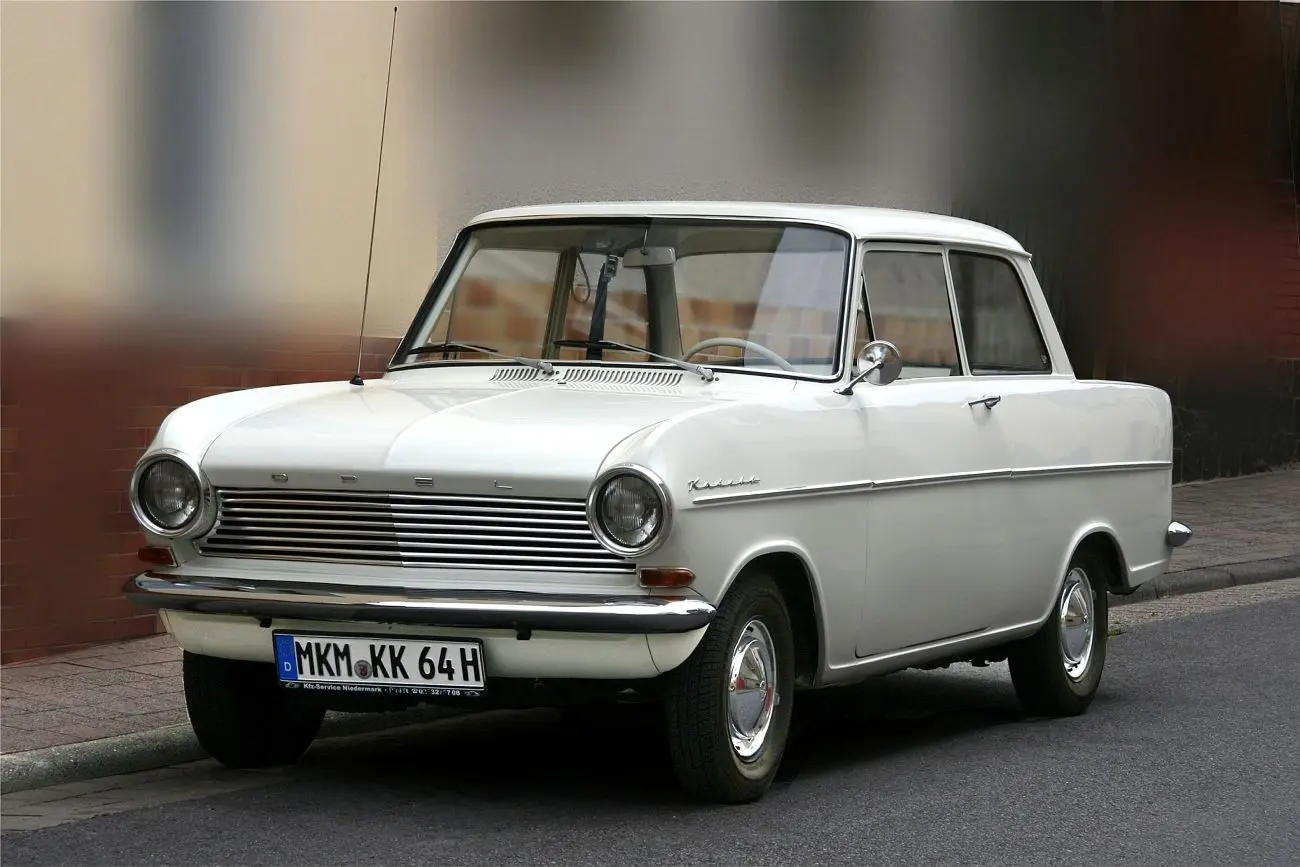
The Opel Kadett became one of Europe's most successful compact family cars, known for its reliability, affordability, and practicality.
Opel Rekord
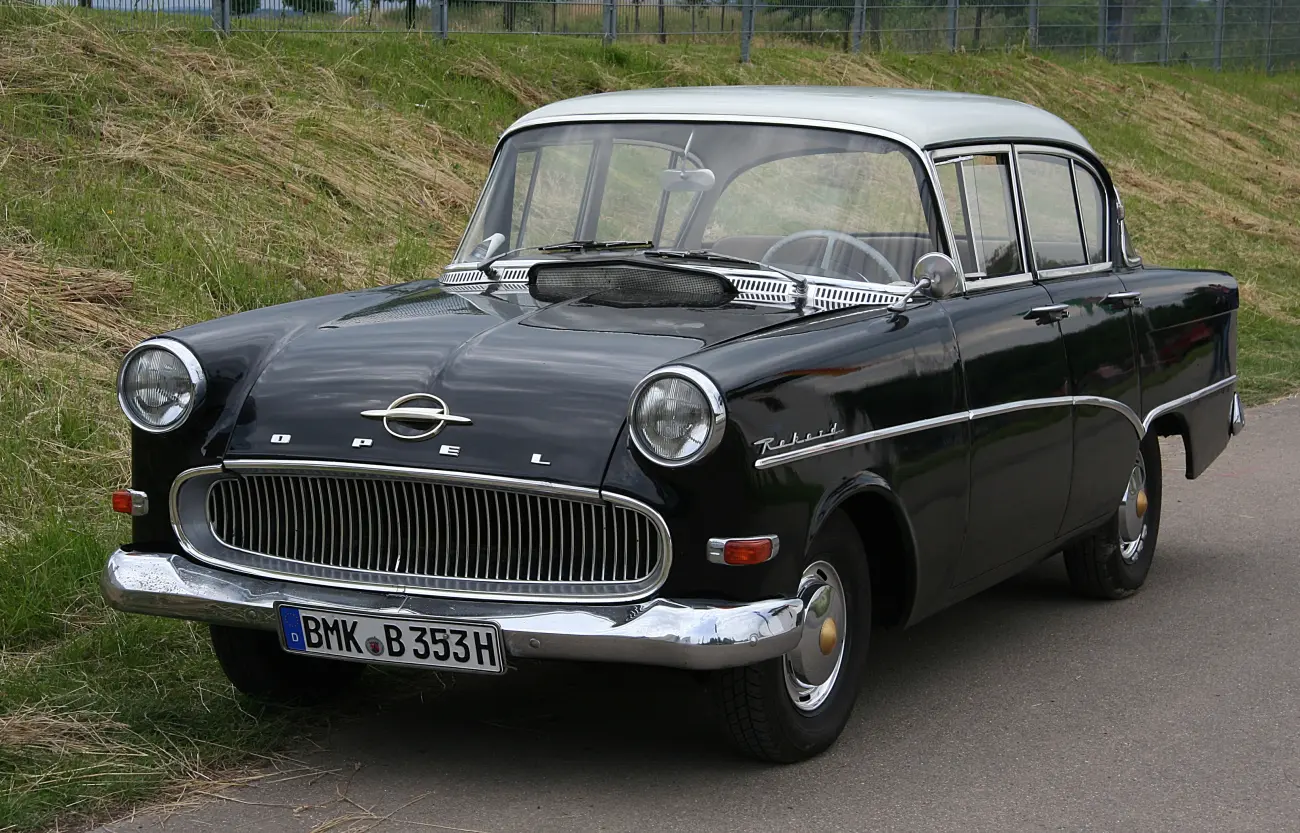
The Opel Rekord appealed to buyers seeking a larger and more comfortable sedan, combining German engineering with everyday usability.
Opel Ascona
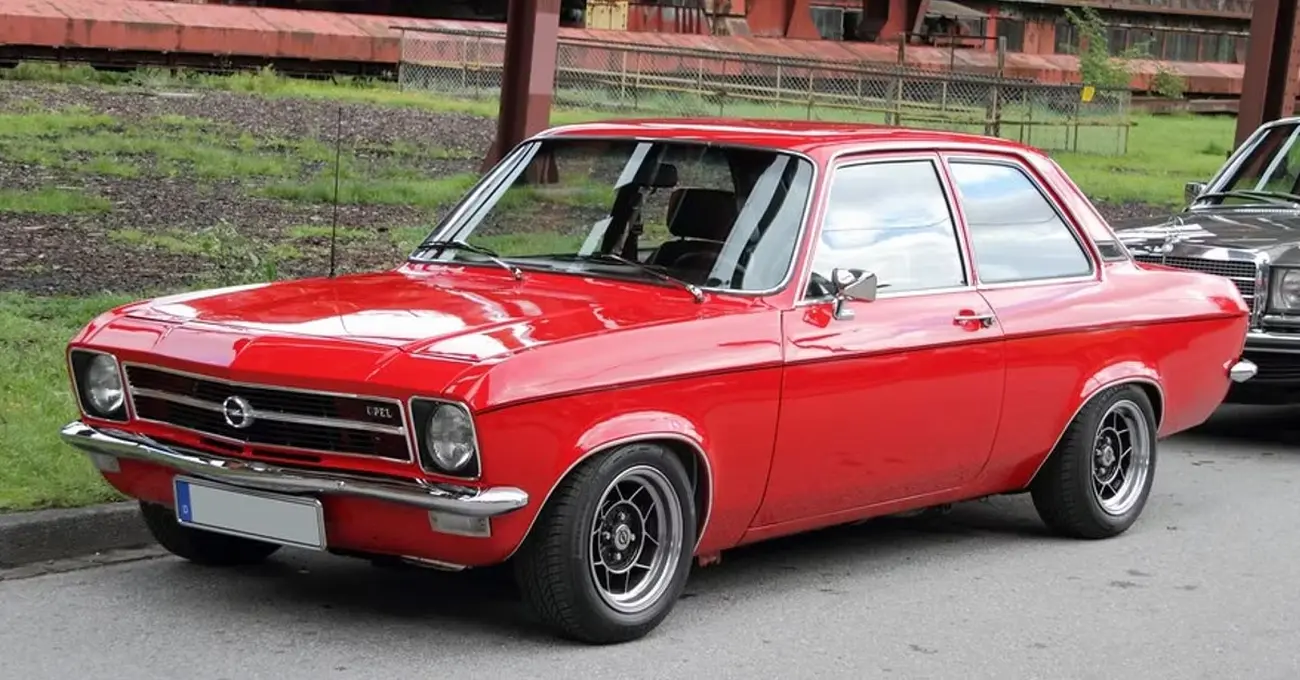
Introduced in the early 1970s, the Opel Ascona gained popularity for its dependable performance and also achieved success in international rally competitions.
Opel Vectra and Omega
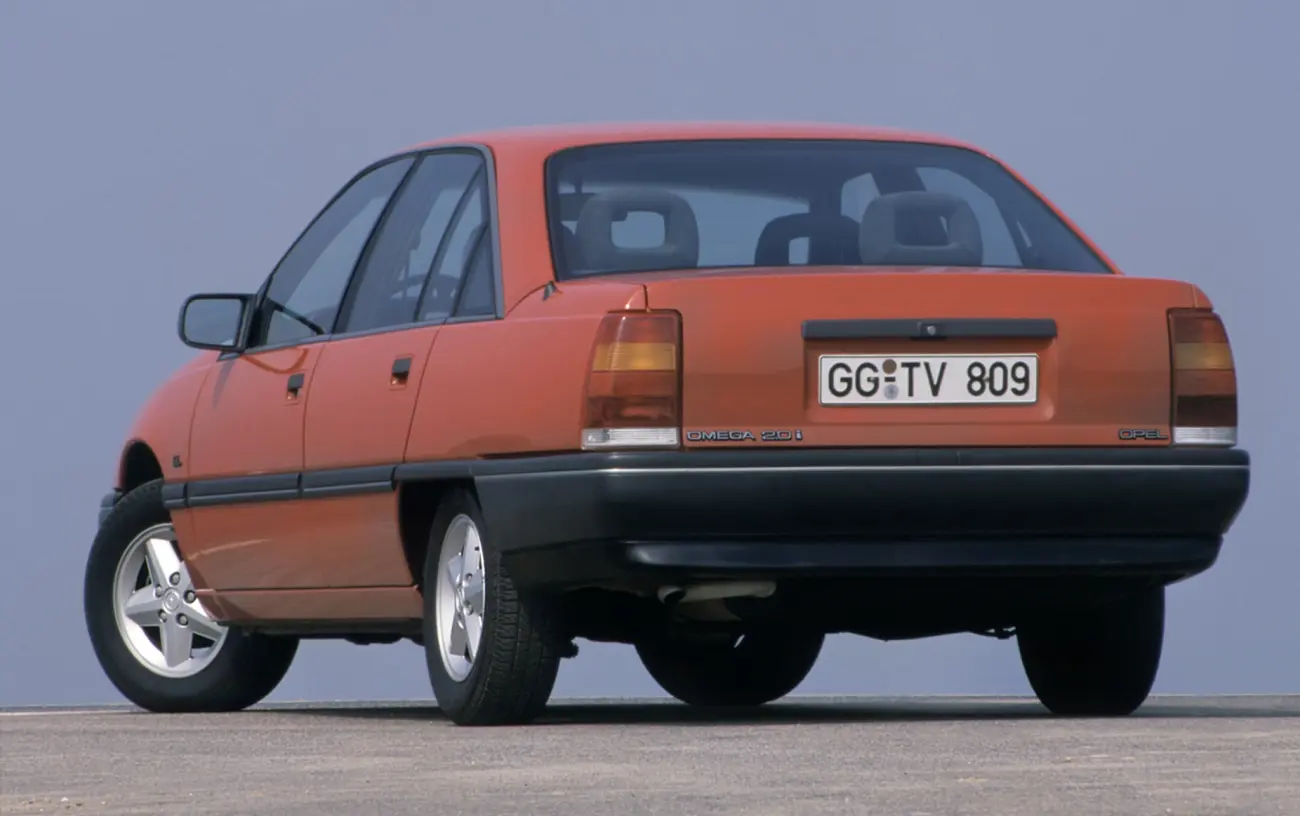
During the 1980s, Opel strengthened its position with models such as:
-
Opel Vectra
-
Opel Omega
These vehicles became popular among families and business users thanks to their comfort, efficiency, and durability.
Challenges in the 21st Century
Entering the 2000s, Opel faced increasing competition and financial pressures.
Several factors contributed to the company's struggles:
-
Economic downturns across Europe
-
Declining market share
-
Rising development costs
-
Global financial challenges affecting General Motors
Although Opel continued introducing competitive vehicles, profitability became increasingly difficult to maintain.
Becoming Part of PSA and Stellantis (2017–Present)
A major turning point occurred in 2017, when General Motors sold Opel to the PSA Group, the parent company of Peugeot, Citroën, and DS Automobiles.
The acquisition marked the beginning of a comprehensive restructuring focused on:
-
Improved efficiency
-
Cost reduction
-
Platform sharing
-
Electrification
-
Sustainable mobility
In 2021, PSA merged with Fiat Chrysler Automobiles (FCA) to form Stellantis, making Opel one of the group's key European brands.
Opel's Electric Future
Today, Opel is investing heavily in electric mobility.
The company has introduced electric and hybrid versions of many of its most popular models, including:
Opel Corsa Electric
One of Europe's best-selling electric hatchbacks, offering zero-emission driving with practical everyday usability.
Opel Astra Electric
A fully electric version of Opel's long-running compact family car, combining modern technology with German engineering.
Opel Mokka Electric
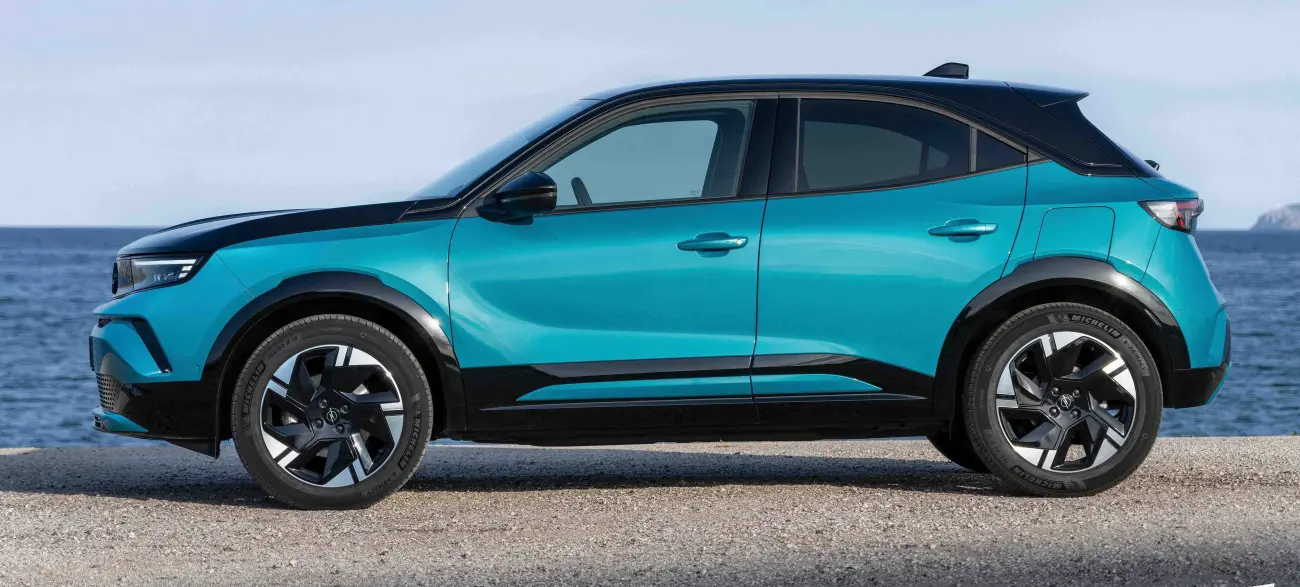
A stylish compact SUV designed for urban mobility while maintaining the versatility expected from a crossover.
Opel has announced ambitious plans to expand its electric vehicle lineup and support Europe's transition toward sustainable transportation.
What Makes Opel Unique?
For decades, Opel has built its reputation around several key strengths:
German Engineering
Opel vehicles are known for solid engineering, dependable construction, and practical design.
Affordable Innovation
Unlike many premium German manufacturers, Opel has consistently focused on making advanced technology accessible to everyday drivers.
Practical Design
Opel models emphasize comfort, efficiency, and ease of ownership rather than unnecessary complexity.
Wide Product Range
Throughout its history, Opel has offered vehicles for nearly every segment, including:
-
City cars
-
Hatchbacks
-
Sedans
-
SUVs
-
Vans
-
Commercial vehicles
-
Electric cars
Opel Today
As a member of the Stellantis family, Opel continues developing modern vehicles featuring:
-
Electric powertrains
-
Hybrid technology
-
Advanced driver assistance systems
-
Connected infotainment
-
Improved efficiency
-
Lower emissions
The company remains committed to producing practical, affordable, and technologically advanced vehicles for European drivers.
Conclusion
From manufacturing sewing machines in 1862 to becoming one of Europe's most recognizable automotive brands, Opel has experienced an extraordinary transformation.
Its history includes pioneering mass production in Germany, decades under General Motors, successful family cars that shaped European roads, and a new chapter under Stellantis focused on electrification.
With more than 160 years of industrial heritage, Opel continues to combine German engineering, everyday practicality, and modern technology. As the automotive industry moves toward an electric future, Opel is well positioned to remain an important player in Europe's evolving mobility landscape.