TR
TR EN
EN

The History of Volvo: The Story of Safety and Durability
Volvo is one of the first names that comes to mind when people think of automotive safety, durability, and Scandinavian engineering. Since its founding in 1927, the Swedish automaker has built its reputation on designing vehicles that prioritize protecting occupants while delivering dependable performance in some of the world's harshest climates. Today, Volvo continues to lead the industry with advanced safety technologies, electrification, and sustainable mobility.
The Beginning: Built for Sweden (1927–1940)
Volvo was founded on April 14, 1927, in Gothenburg, Sweden, by Assar Gabrielsson and Gustaf Larson. Their vision was simple yet ambitious: build automobiles strong enough to withstand Sweden's rough roads, freezing winters, and demanding weather conditions.
At the time, most imported vehicles were not designed for Scandinavia's climate, creating an opportunity for a manufacturer focused on durability and reliability.
Volvo ÖV4 "Jakob"
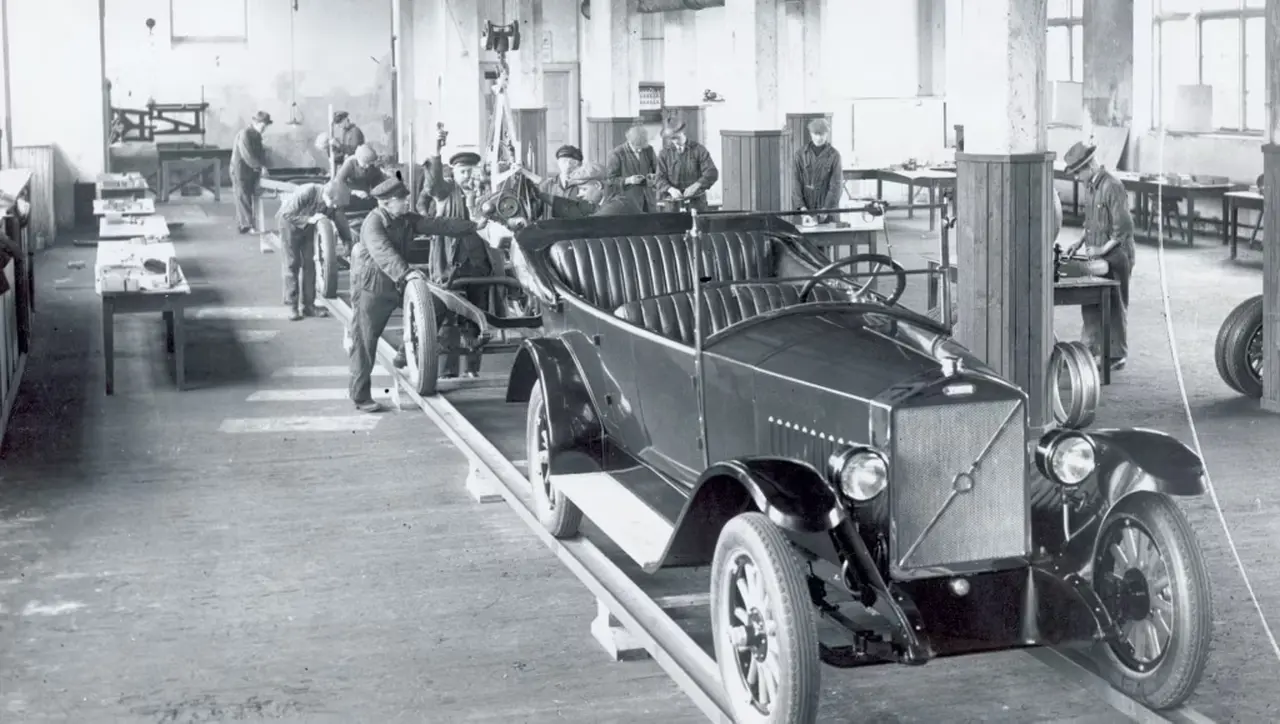
The company's first production vehicle, the Volvo ÖV4, also known as "Jakob," rolled off the production line on April 14, 1927.
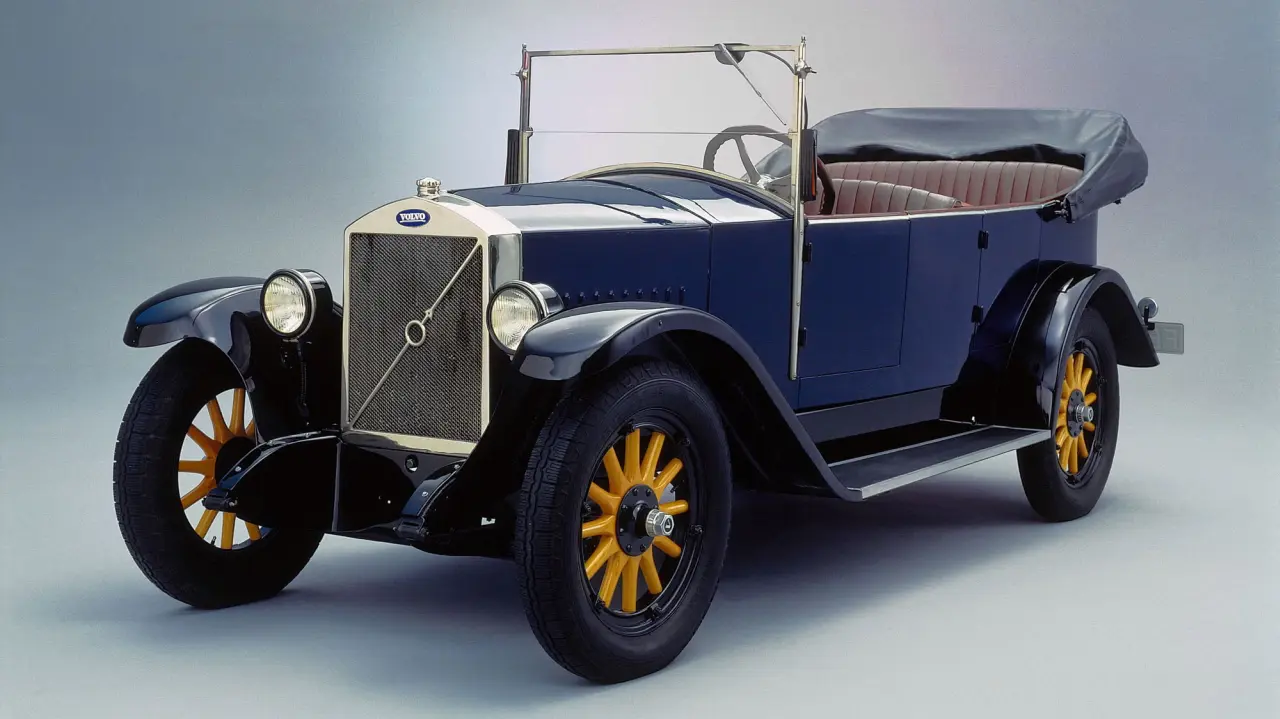
Key specifications included:
-
1.9-liter four-cylinder engine
-
28 horsepower
-
Rear-wheel drive
-
Open-top body design
Soon afterward, Volvo introduced the enclosed PV4, providing greater comfort and protection against cold weather.
Early Expansion
During the 1930s, Volvo steadily expanded its product lineup.
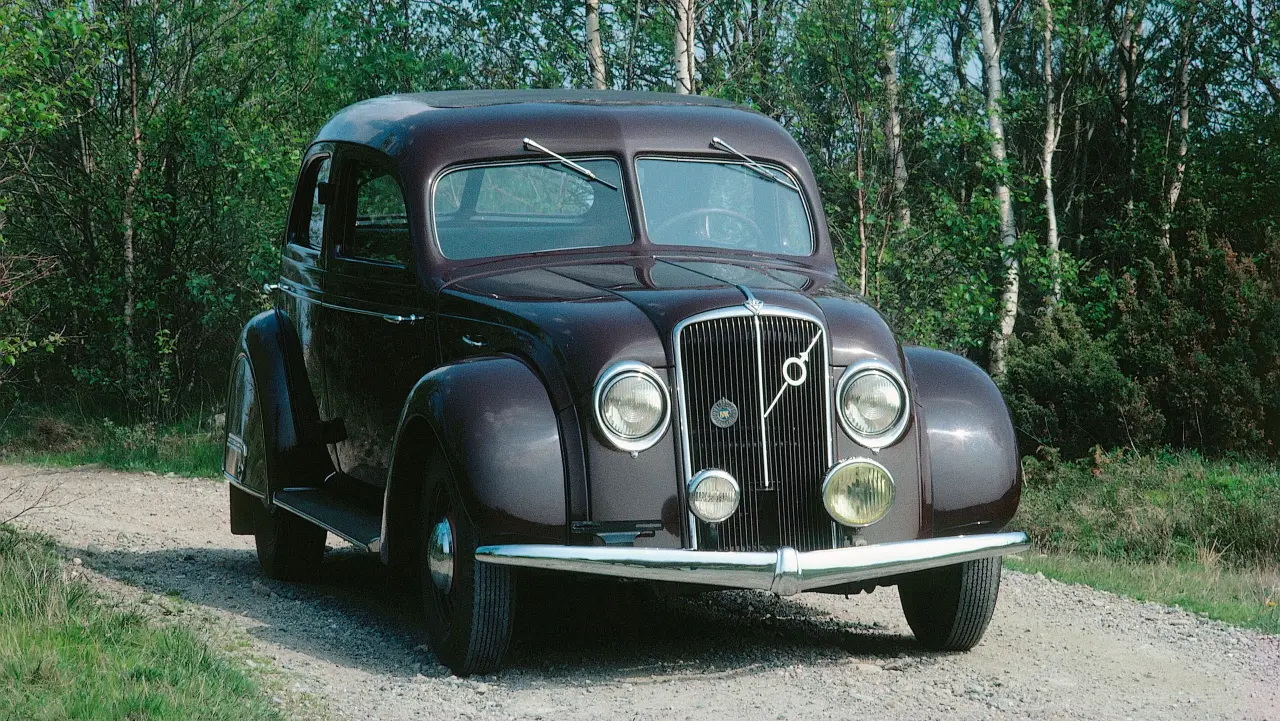
One of the company's most notable models was the Volvo PV36 "Carioca," featuring a more aerodynamic body inspired by American automotive design.
At the same time, Volvo diversified beyond passenger cars by manufacturing:
-
Heavy trucks
-
Commercial vehicles
-
Buses
-
Industrial engines
These products helped establish Volvo as one of Scandinavia's leading engineering companies.
World War II and the Birth of Modern Volvo (1940–1960)
Unlike many European manufacturers, Volvo was able to continue operating during World War II because Sweden remained neutral.
After the war, demand for affordable and reliable family cars increased rapidly.
Volvo PV444
Introduced in 1944, the Volvo PV444 became one of the company's biggest successes.
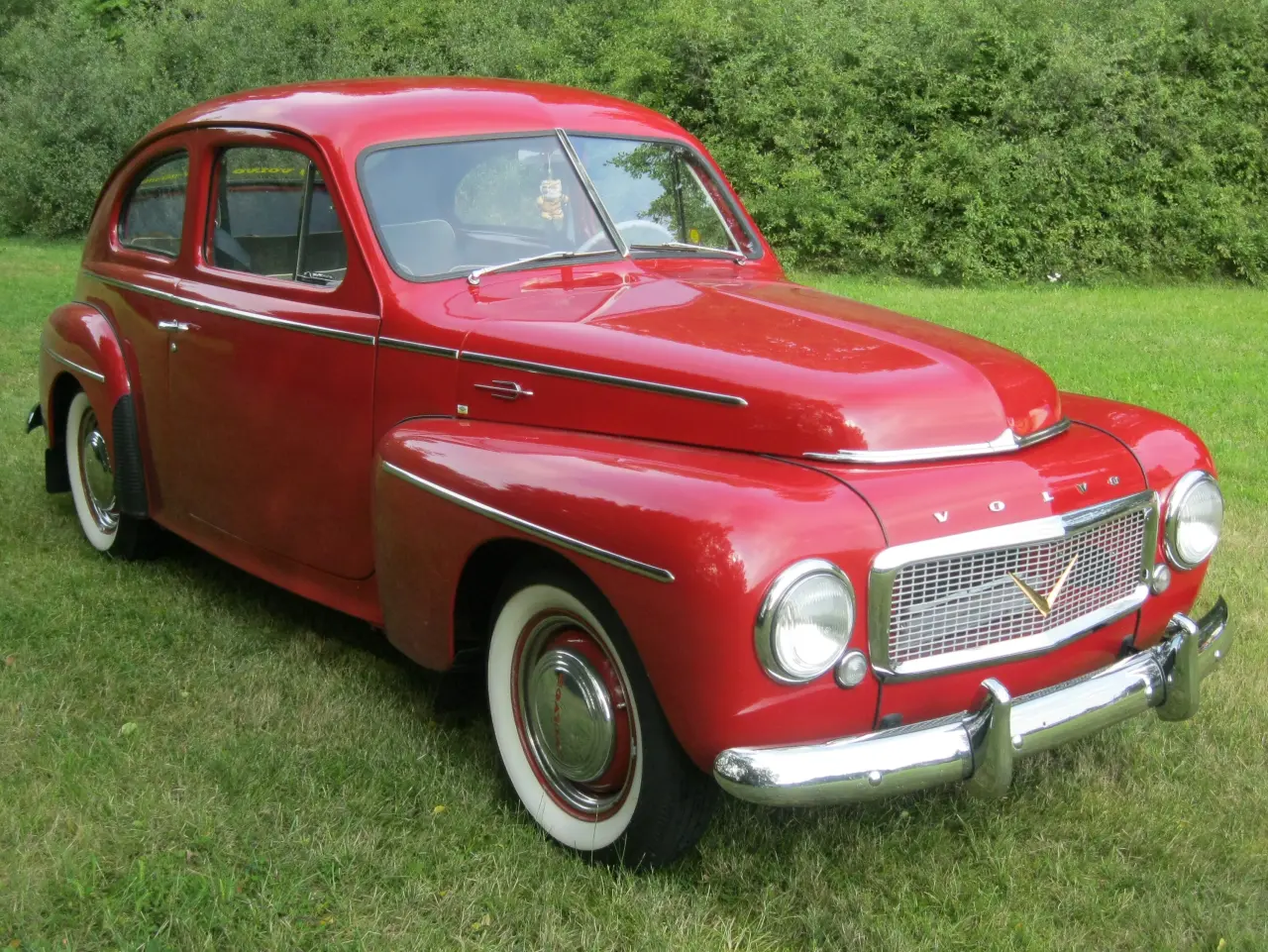
It featured:
-
Modern unibody construction
-
Improved crash resistance
-
Affordable pricing
-
Excellent reliability
The PV444 helped Volvo expand beyond Sweden into international markets.
The Invention That Changed the Automotive Industry
Perhaps the most important moment in Volvo's history came in 1959.
Volvo engineer Nils Bohlin invented the three-point seat belt, one of the greatest safety innovations ever introduced in passenger vehicles.
Instead of patenting the design for exclusive profit, Volvo made the patent available to the entire automotive industry free of charge.
The three-point seat belt has since saved millions of lives worldwide and remains the global safety standard today.
Volvo Amazon (P120)
Another landmark vehicle was the Volvo Amazon (P120).
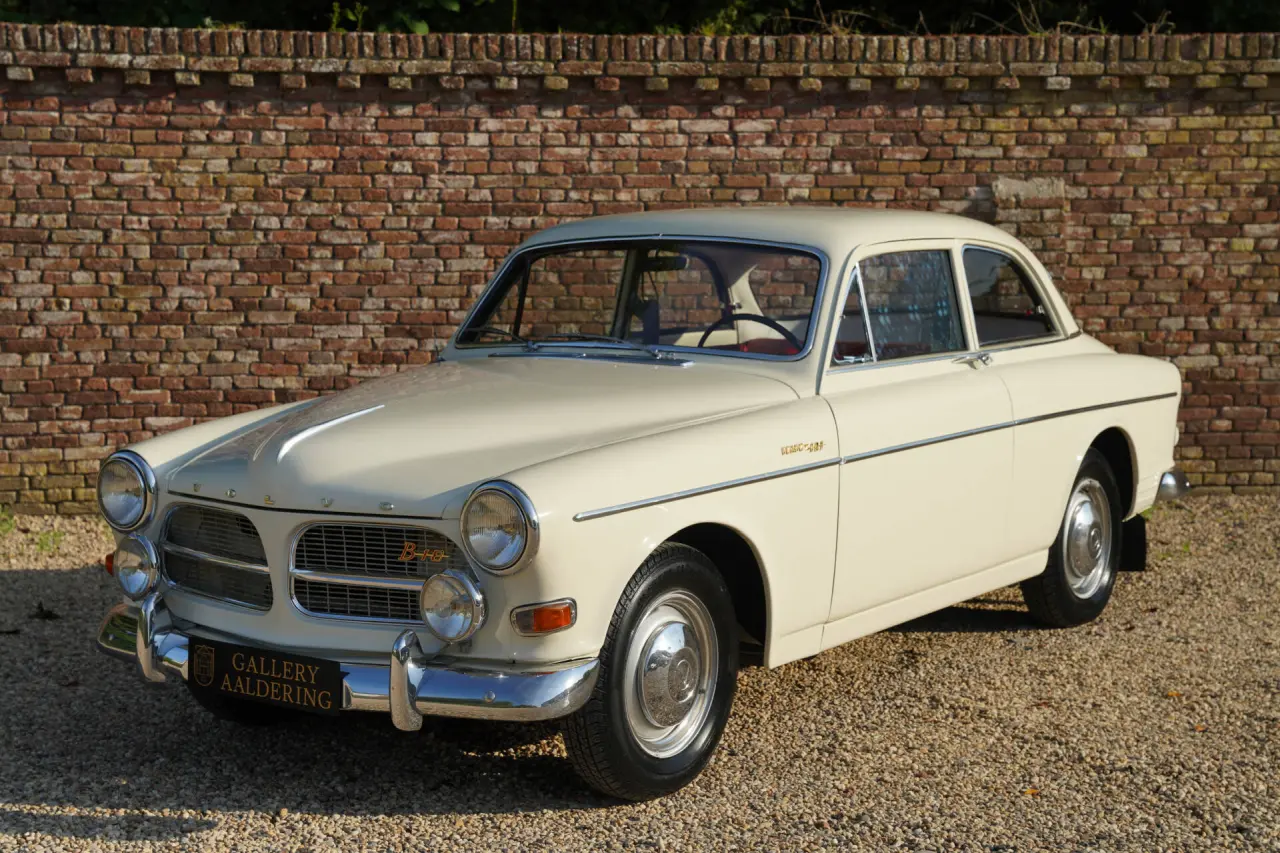
The model introduced numerous safety improvements, including:
-
Three-point seat belts
-
Laminated windshield
-
Dual-circuit braking system
-
Strong passenger safety cell
The Amazon became one of Volvo's most successful export vehicles.
Global Expansion and Safety Leadership (1960–1980)
During the 1960s, Volvo entered the North American market and quickly gained popularity among drivers seeking safe, dependable automobiles.
Volvo 140 Series

Released in 1966, the Volvo 140 Series introduced:
-
Disc brakes
-
Crumple zones
-
Reinforced passenger compartment
-
Improved suspension
These features set new standards for family vehicle safety.
Volvo 240 Series
Introduced in 1974, the legendary Volvo 240 became one of the most recognizable Volvo models ever built.
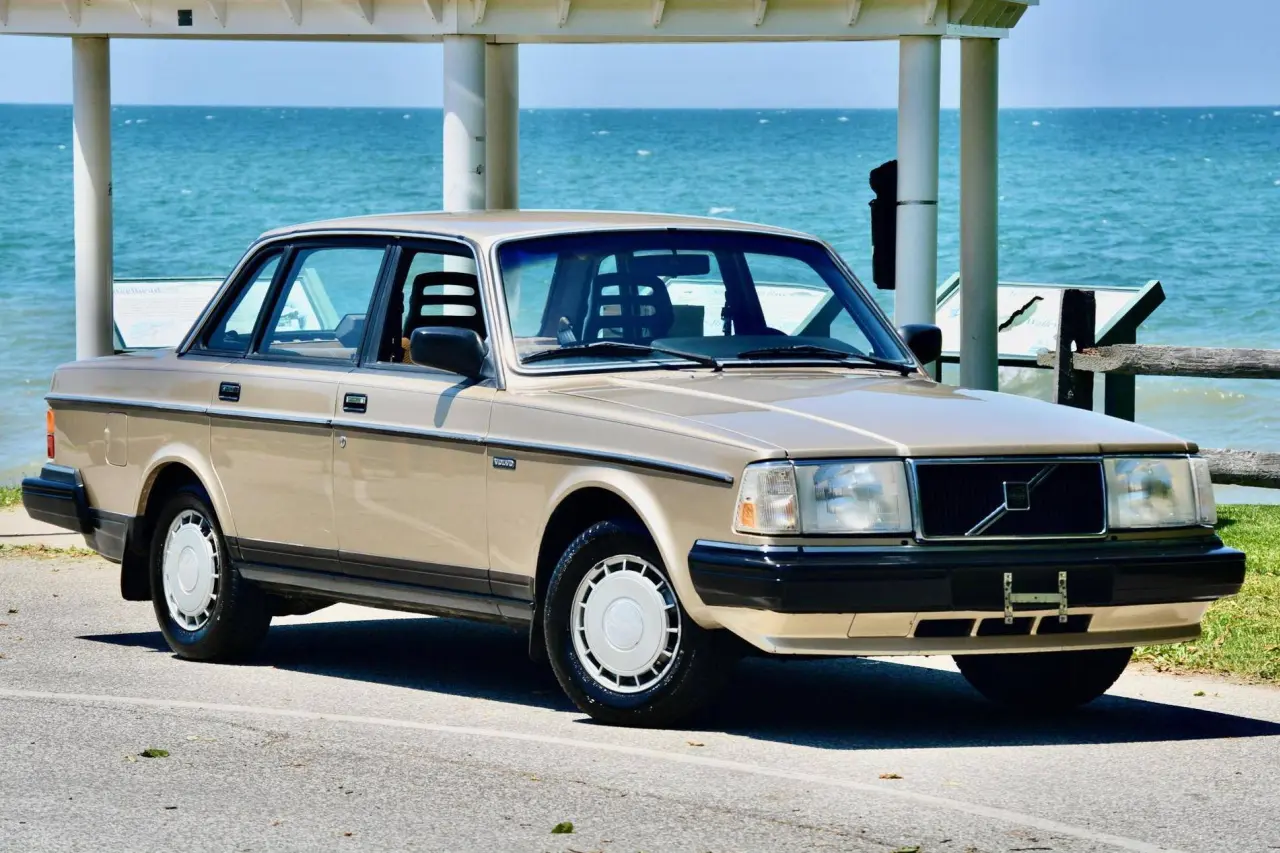
Known for its square styling and remarkable durability, it earned a reputation for lasting hundreds of thousands of kilometers with proper maintenance.
The Volvo 240 also introduced additional safety advancements, including:
-
Enhanced side-impact protection
-
Larger crumple zones
-
Improved steering column design
-
Stronger roof structure
Many examples remain on the road decades later.
Environmental Innovation
Volvo also became one of the industry's environmental pioneers.
In 1976, the company became one of the first manufacturers to equip production vehicles with:
-
Catalytic converters
-
Lambda (oxygen) sensors
These technologies significantly reduced harmful exhaust emissions.
Premium Growth and Technological Progress (1980–2000)
The 1980s marked Volvo's transition toward the premium automotive segment.
Volvo 700 and 900 Series
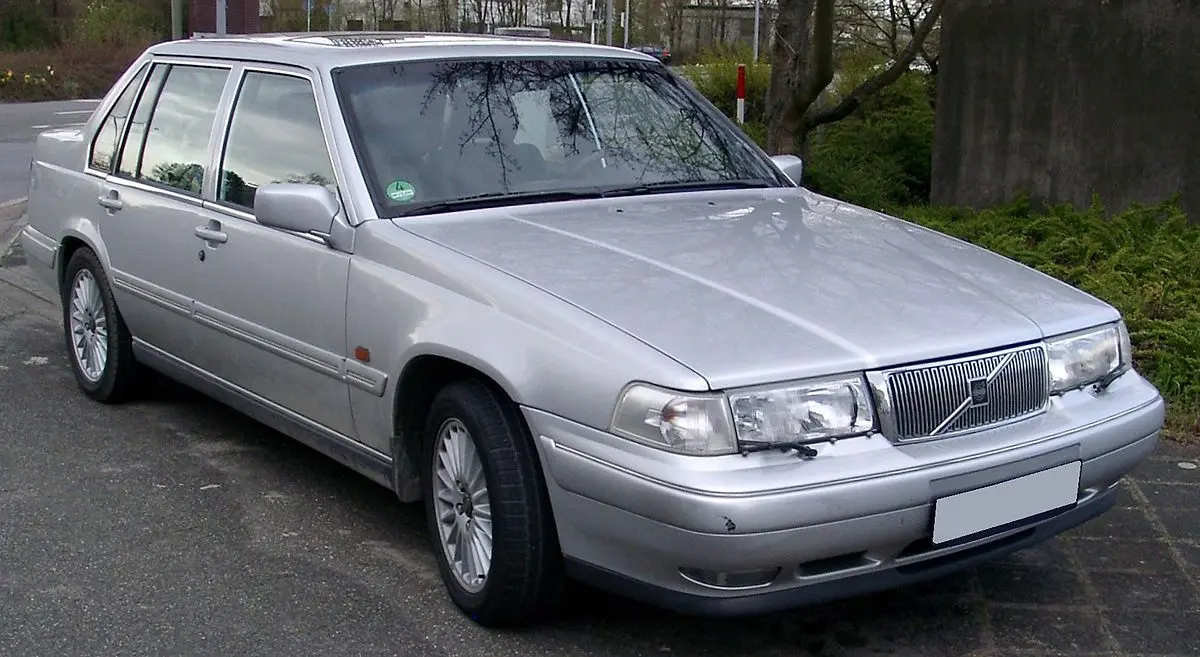
These executive sedans offered:
-
More powerful engines
-
Greater luxury
-
Advanced electronics
-
Exceptional highway comfort
The vehicles helped Volvo compete with established premium European brands.
Volvo 850
Released in 1991, the Volvo 850 represented a major engineering milestone.

It introduced:
-
Front-wheel drive
-
Five-cylinder engine
-
Advanced suspension
-
Side Impact Protection System (SIPS)
The SIPS technology dramatically improved occupant protection during side collisions.
Ford Acquisition
In 1999, Ford Motor Company acquired Volvo Cars.
Under Ford ownership, Volvo continued investing heavily in:
-
Crash safety
-
Electronic driver assistance
-
Structural engineering
-
New global platforms
Geely Ownership and the Electric Era (2010–Present)
A major transformation occurred in 2010, when Chinese automotive company Geely Holding Group acquired Volvo Cars from Ford.
The acquisition provided Volvo with significant financial resources while allowing the company to maintain its Swedish identity, engineering teams, and design philosophy.
A New Generation of Volvo Models
Following the acquisition, Volvo launched an entirely new lineup built on the SPA (Scalable Product Architecture) platform.
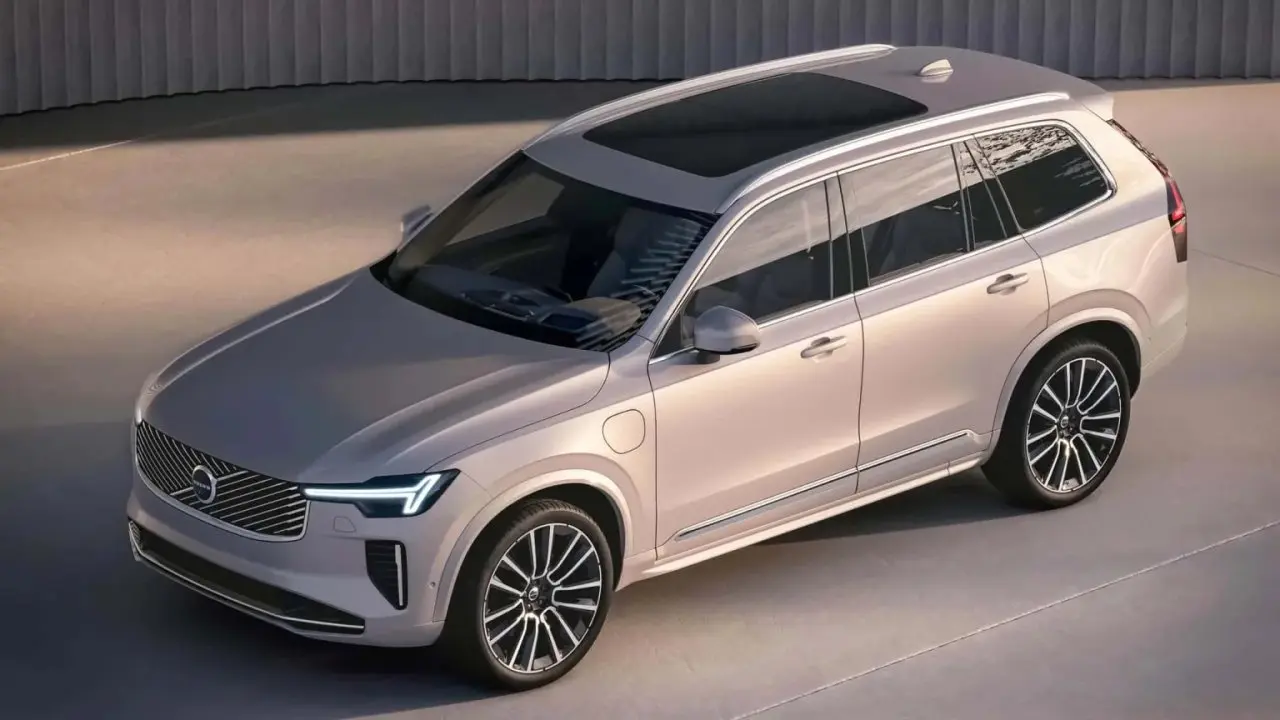
Popular models included:
-
Volvo XC90
-
Volvo XC60
-
Volvo XC40
-
Volvo S90
-
Volvo V90
These vehicles combined:
-
Scandinavian design
-
Premium interiors
-
Advanced safety
-
Efficient powertrains
-
Modern infotainment systems
The XC90, in particular, re-established Volvo as a strong competitor in the luxury SUV market.
Volvo's Vision for an Electric Future
Volvo has become one of the most ambitious manufacturers in the transition toward electrification.
Important milestones include:
-
Introduction of the XC40 Recharge, Volvo's first fully electric SUV
-
Launch of the C40 Recharge
-
Expansion of plug-in hybrid (Recharge) models
-
Commitment to reducing lifecycle carbon emissions
-
Continued investment in battery technology and sustainable manufacturing
Volvo's long-term strategy focuses on producing fully electric vehicles while minimizing environmental impact throughout the production process.
Volvo's Safety Philosophy
No discussion of Volvo would be complete without highlighting its unmatched commitment to safety.
Over the decades, Volvo has introduced numerous innovations that later became industry standards, including:
-
Three-point seat belt
-
Side Impact Protection System (SIPS)
-
Whiplash Protection System (WHIPS)
-
Blind Spot Information System (BLIS)
-
City Safety automatic emergency braking
-
Pilot Assist semi-autonomous driving technology
-
Run-off Road Protection
-
Cross Traffic Alert
-
Large animal detection
-
Pedestrian and cyclist detection
Volvo's guiding vision has remained remarkably consistent:
No one should be seriously injured or killed in a new Volvo vehicle.
This philosophy continues to shape every new Volvo model.
Scandinavian Design Philosophy
Unlike many luxury manufacturers that emphasize aggressive styling, Volvo embraces Scandinavian minimalism.
Key characteristics include:
-
Clean, elegant exterior lines
-
Functional interior layouts
-
High-quality natural materials
-
Comfortable seating
-
User-friendly controls
-
Calm, uncluttered cabin environments
This understated design language has become one of Volvo's strongest brand identities.
Volvo Today
Modern Volvo vehicles combine:
-
Premium comfort
-
Industry-leading safety
-
Electrified powertrains
-
Connected vehicle technology
-
Advanced driver assistance systems
-
Sustainable manufacturing
The company continues to invest heavily in software-defined vehicles, over-the-air updates, autonomous driving research, and next-generation electric mobility.
Conclusion
From its first automobile in 1927 to today's sophisticated electric SUVs, Volvo has remained true to its core values of safety, durability, innovation, and responsible engineering.
Few automotive manufacturers have influenced road safety as profoundly as Volvo. Innovations such as the three-point seat belt, side-impact protection, and modern driver assistance systems have helped save countless lives around the world.
As the industry moves toward electrification, autonomous driving, and sustainable transportation, Volvo continues to build on nearly a century of engineering excellence. Whether producing rugged family wagons, luxury SUVs, or fully electric vehicles, the brand remains committed to creating automobiles designed to protect both people and the planet.