TR
TR EN
EN

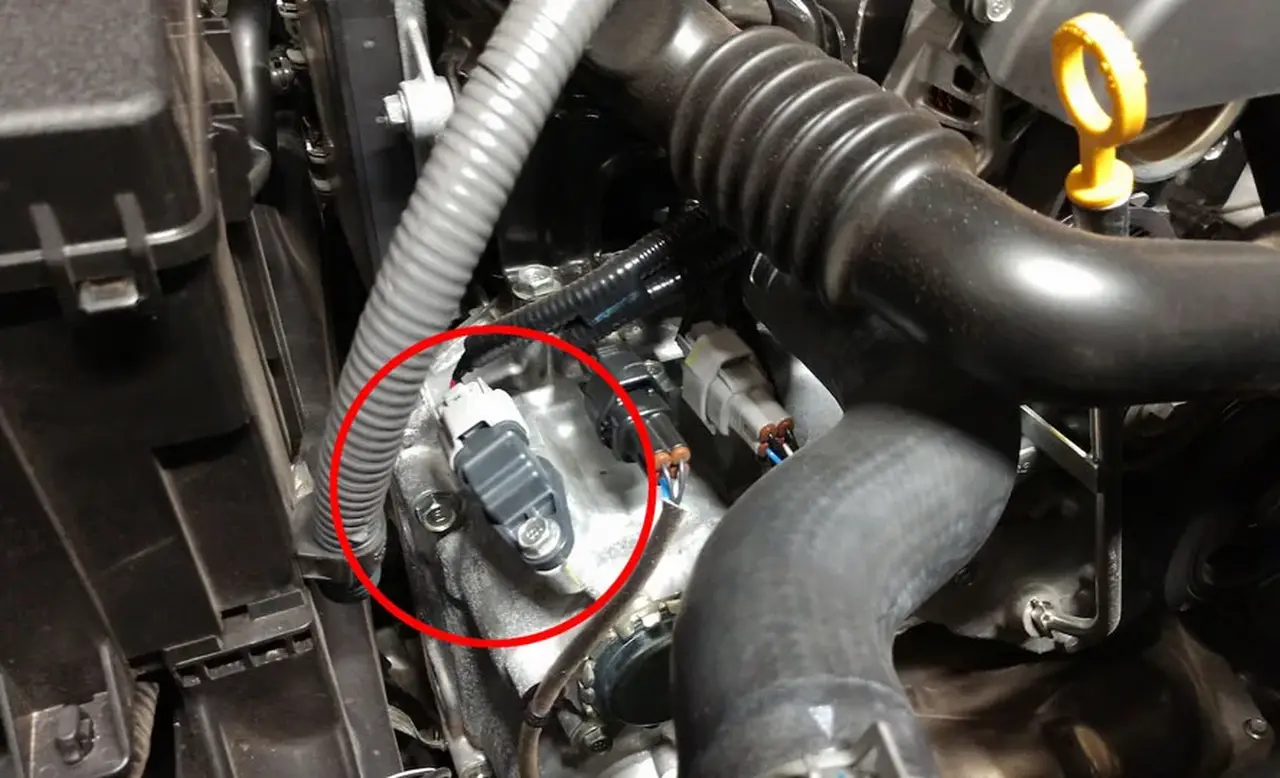
Will an Engine Run with a Faulty Crankshaft Position Sensor?
Your check engine light comes on, the engine starts misfiring, or the car suddenly stalls. After a diagnostic check, the technician tells you that the crankshaft position sensor has failed.
So, is this sensor really that important? And more importantly, can the engine still run if the crankshaft position sensor is faulty?
The short answer is: sometimes—but not always. Let's take a closer look without getting lost in complicated technical jargon.
The crankshaft position sensor (CKP sensor) is one of the most critical sensors in a modern engine. Its job is to tell the Engine Control Unit (ECU) exactly where the crankshaft is and how fast it is rotating.
Using this information, the ECU determines the precise timing for:
-
Fuel injection
-
Ignition spark
-
Engine synchronization
-
Misfire detection
Without accurate crankshaft position data, the ECU has no reliable way of knowing where the pistons are during the combustion cycle. In simple terms, it's like the engine suddenly loses its sense of timing.
What Happens When the Crankshaft Position Sensor Fails?
When the sensor fails completely, the most common symptoms include:
-
The engine won't start.
-
The engine stalls unexpectedly, especially after warming up.
-
Rough idling or engine misfires.
-
Loss of power during acceleration.
-
The Check Engine Light illuminates.
-
Diagnostic trouble codes such as P0335, P0336, P0337, P0338, or P0339 may be stored.
In many vehicles, a complete sensor failure prevents the engine from starting altogether because the ECU cannot determine ignition or injection timing.
Why Do Some Cars Still Run?
Here's where things get interesting.
Some modern vehicles are programmed with a backup strategy. If the crankshaft position sensor fails, the ECU may temporarily rely on the camshaft position sensor to estimate engine position.
How is this possible?
The camshaft and crankshaft rotate in a fixed relationship. In a four-stroke engine, the crankshaft rotates twice for every one revolution of the camshaft—a 2:1 ratio.
Using this mathematical relationship, the ECU can estimate piston position well enough to keep the engine running under limited conditions.
This allows the engine to:
-
Start with difficulty.
-
Continue running in limp mode.
-
Operate at reduced performance.
-
Reach a repair facility.
However, this is only a temporary strategy and should never be considered normal operation.
It Doesn't Work on Every Vehicle
Not every engine is capable of using the camshaft sensor as a backup.
Older vehicles, simpler engine management systems, and certain manufacturers require a valid crankshaft signal before the ECU will trigger fuel injection or ignition.
In these vehicles:
-
The starter motor may crank normally.
-
The engine will not fire.
-
No combustion will occur.
Therefore, a non-starting engine is one of the classic symptoms of a failed crankshaft position sensor.
What Should You Check?
Before replacing the sensor, several basic checks should be performed:
-
Inspect the sensor wiring for damage or broken insulation.
-
Check the electrical connector for corrosion or loose terminals.
-
Measure sensor resistance according to the manufacturer's specifications.
-
Verify that the reluctor wheel (trigger wheel) is not damaged.
-
Scan the ECU for stored diagnostic trouble codes.
-
Check live sensor data using a professional scan tool.
Sometimes the sensor itself is perfectly functional, while the actual problem lies in damaged wiring, poor grounding, connector corrosion, or even an ECU-related fault.
Can You Continue Driving?
Driving with a faulty crankshaft position sensor is not recommended.
Even if the engine continues to run, it may suddenly stall without warning. Unexpected stalling can create dangerous situations, particularly:
-
While overtaking
-
At highway speeds
-
At busy intersections
-
During heavy traffic
Ignoring the problem can also lead to poor fuel economy, increased emissions, difficult starting, and additional stress on the ignition and fuel systems.
Conclusion
A faulty crankshaft position sensor does not always mean the engine will immediately stop running. Some modern vehicles can temporarily use the camshaft position sensor to estimate crankshaft position and keep the engine operating for a short period.
However, this backup strategy is not available on every vehicle, and even when it works, it is only intended as an emergency measure.
If your vehicle displays symptoms of a failing crankshaft position sensor or stores fault codes such as P0335, the safest solution is to diagnose the problem promptly and repair it before it leaves you stranded or causes more serious engine issues.