TR
TR EN
EN

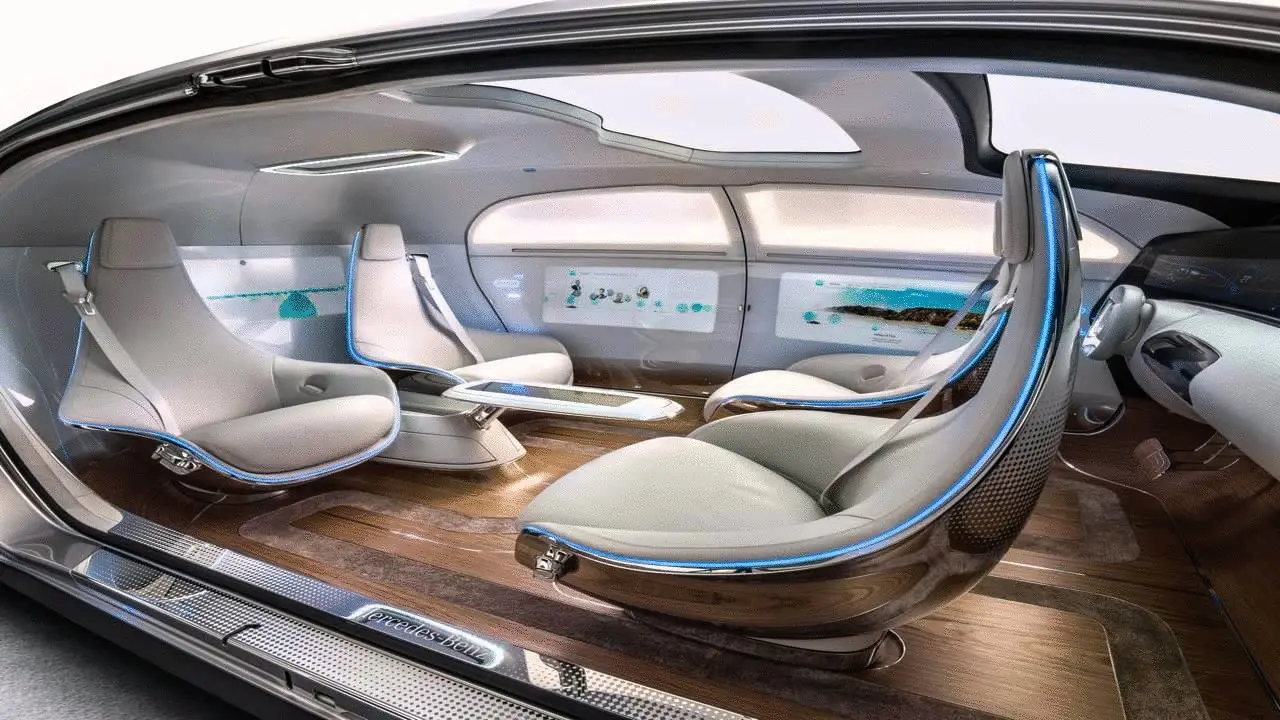
From Mechanical to Digital: A Nostalgic Journey Through the Car Parts We've Left Behind
Do you remember reaching for your car door and grabbing that familiar black window crank? The little bit of effort it took to roll the window down? Back then, it was almost a free wrist workout. As automotive technology has evolved, many of these mechanical companions have quietly disappeared, making room for smarter, more convenient alternatives. And honestly... we're not complaining.
Let's take a nostalgic—and slightly humorous—look at some of the car parts that are slowly becoming automotive history. Each one defined its era, but today they've been replaced by modern technology. And for a few of them, the only thing we can say is, "Thanks for the memories!"
1. Manual Window Cranks
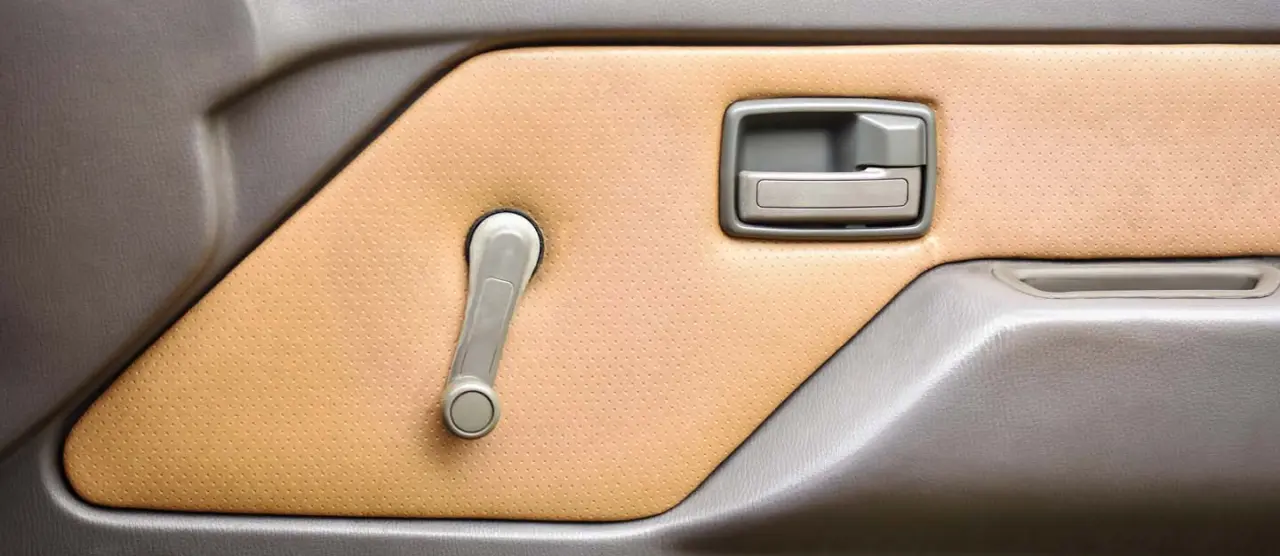
Rolling down a window by hand was once a normal part of driving. If you didn't have time for the gym, cranking your window up and down wasn't a bad substitute. Today, a single button does all the work. Our wrists have officially retired.
2. Cassette Players and Tape Deck Buttons
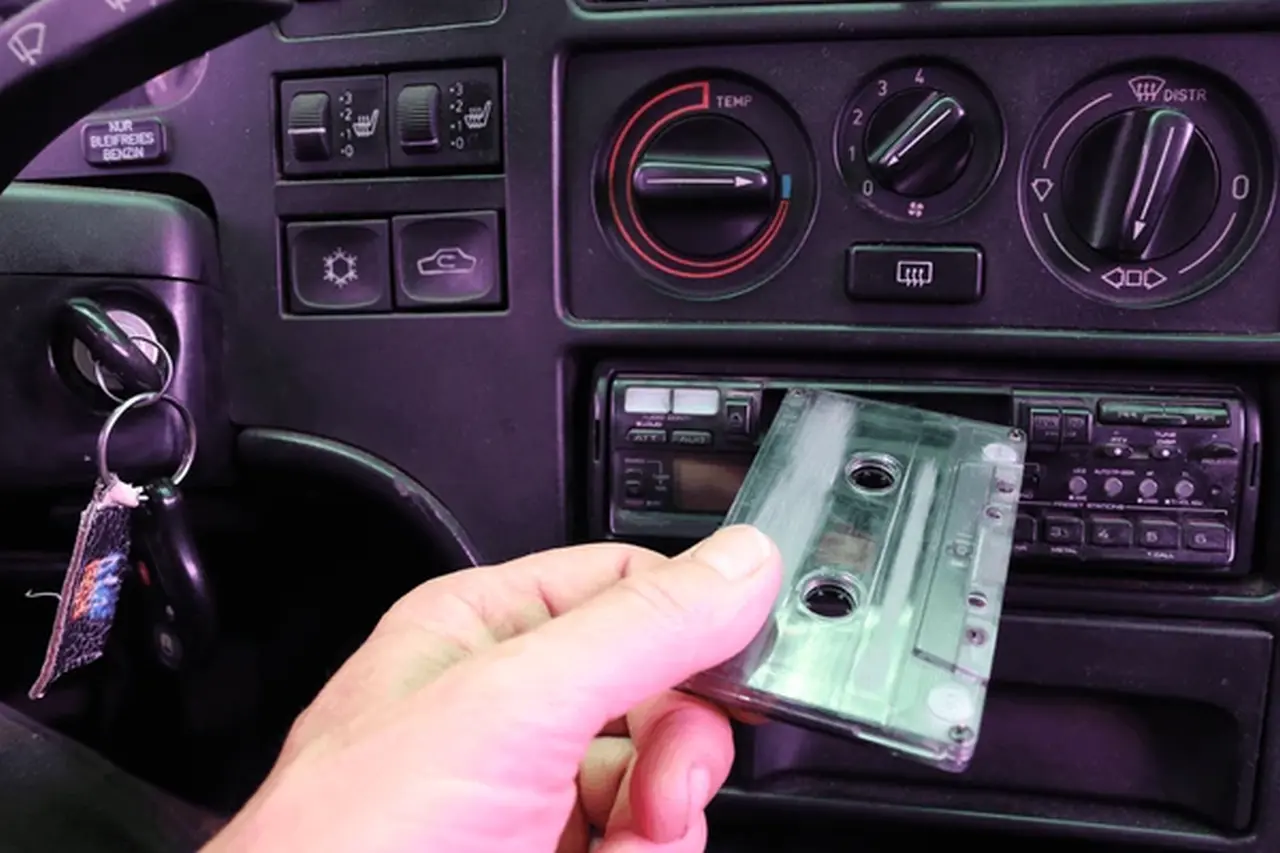
Before MP3s, USB ports, and Bluetooth streaming, there were cassette tapes. Flipping them over to hear the other side, rewinding tangled tape with a pencil, and adjusting the bass and treble buttons were all part of the experience.
The satisfying click of those old buttons still brings back memories, but it's hard to argue with the convenience of streaming millions of songs instantly from your phone.
3. Pull-Out Radio Antennas
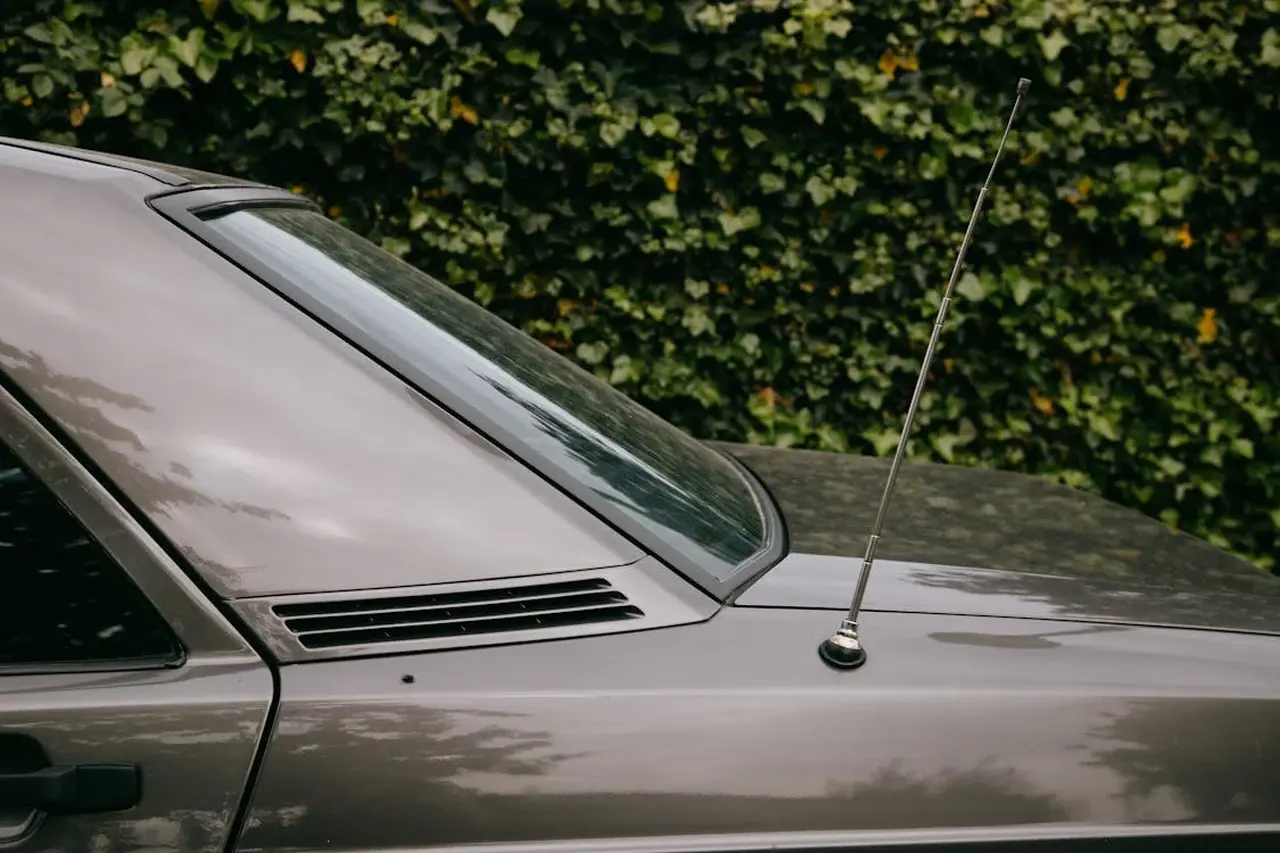
Remember stepping out of the car to pull up the radio antenna before a long drive?
Those extendable metal antennas were once essential for good radio reception. Today, they've been replaced by hidden antennas integrated into the vehicle's body or by fully digital reception systems.
4. The Clutch Pedal
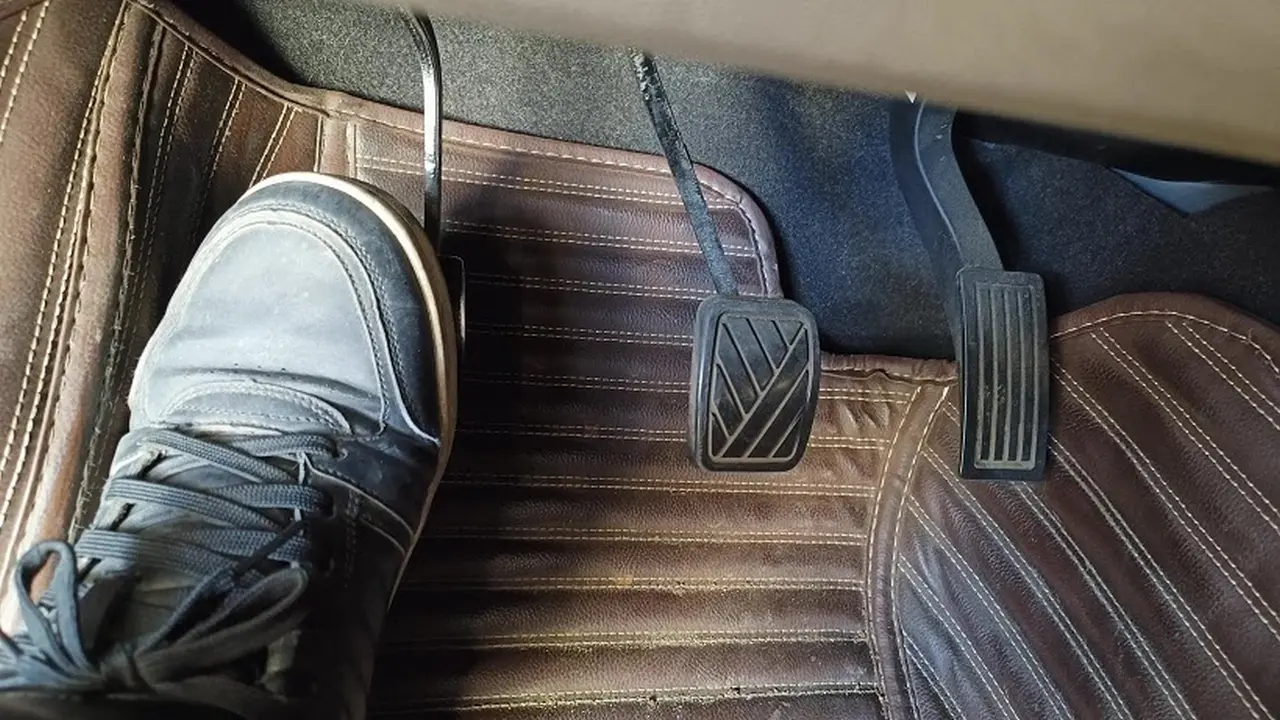
The famous third pedal.
For generations of drivers, mastering the clutch was a rite of passage. But with the rise of automatic and dual-clutch transmissions, the left foot has entered retirement. Stop-and-go traffic became much less stressful without the endless clutch-and-brake routine.
5. Manual Handbrakes
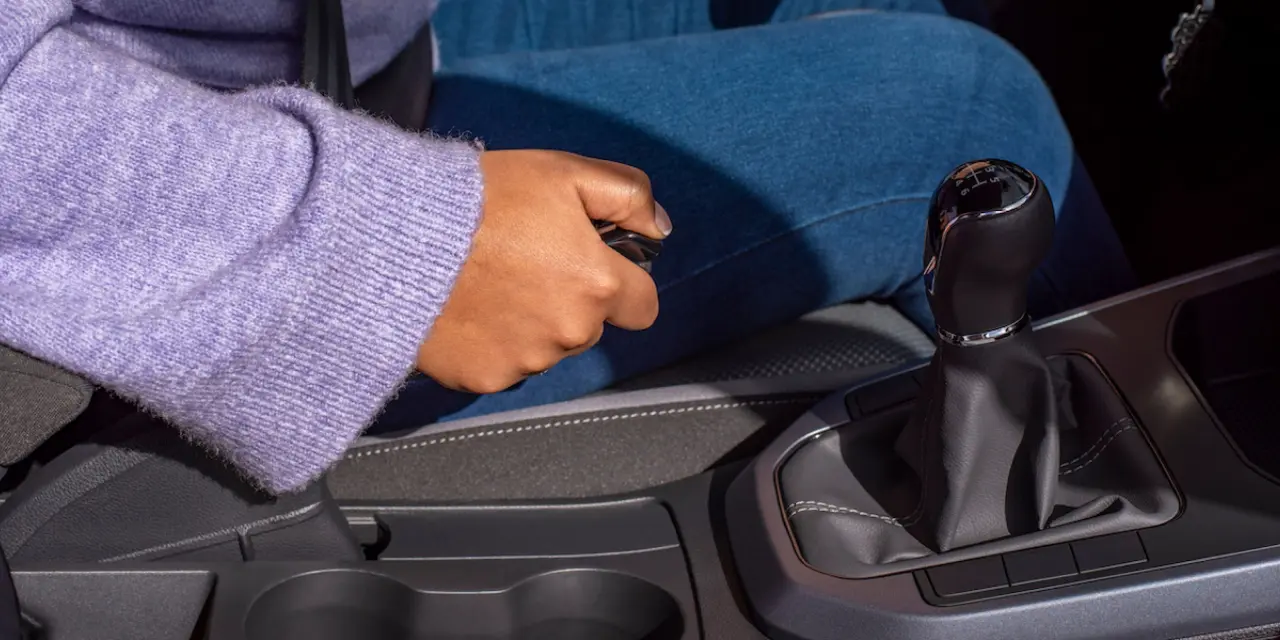
That large lever beside the driver's seat has now become a tiny electronic button.
Pulling a heavy handbrake once required a firm grip. Today, pressing a button is enough. Convenience has definitely won this battle.
6. Analog Dashboard Clocks
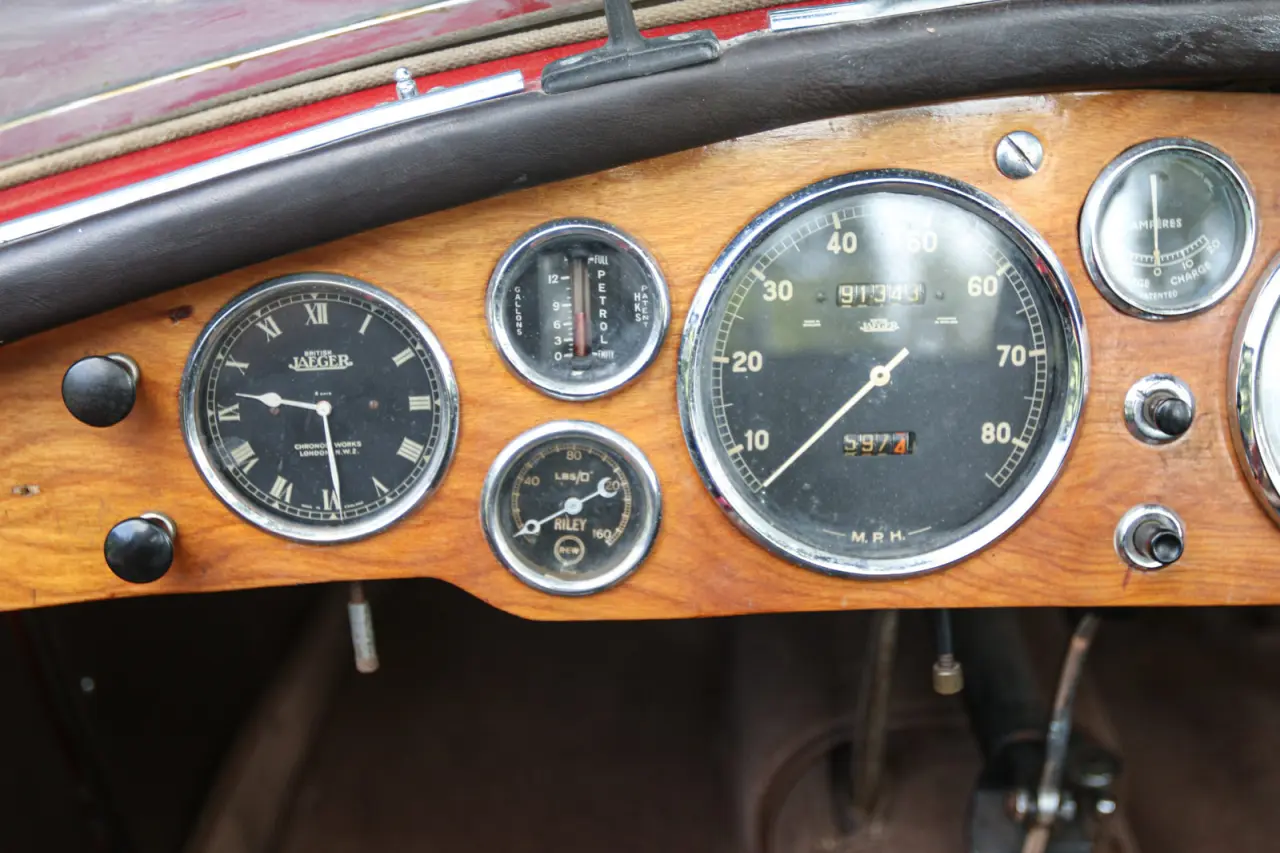
Before digital displays took over every inch of the dashboard, many cars featured elegant analog clocks.
They weren't always perfectly accurate, but they added character and sophistication to the interior. Sometimes, it wasn't just about telling the time—it was about style.
7. Ashtrays and Cigarette Lighters
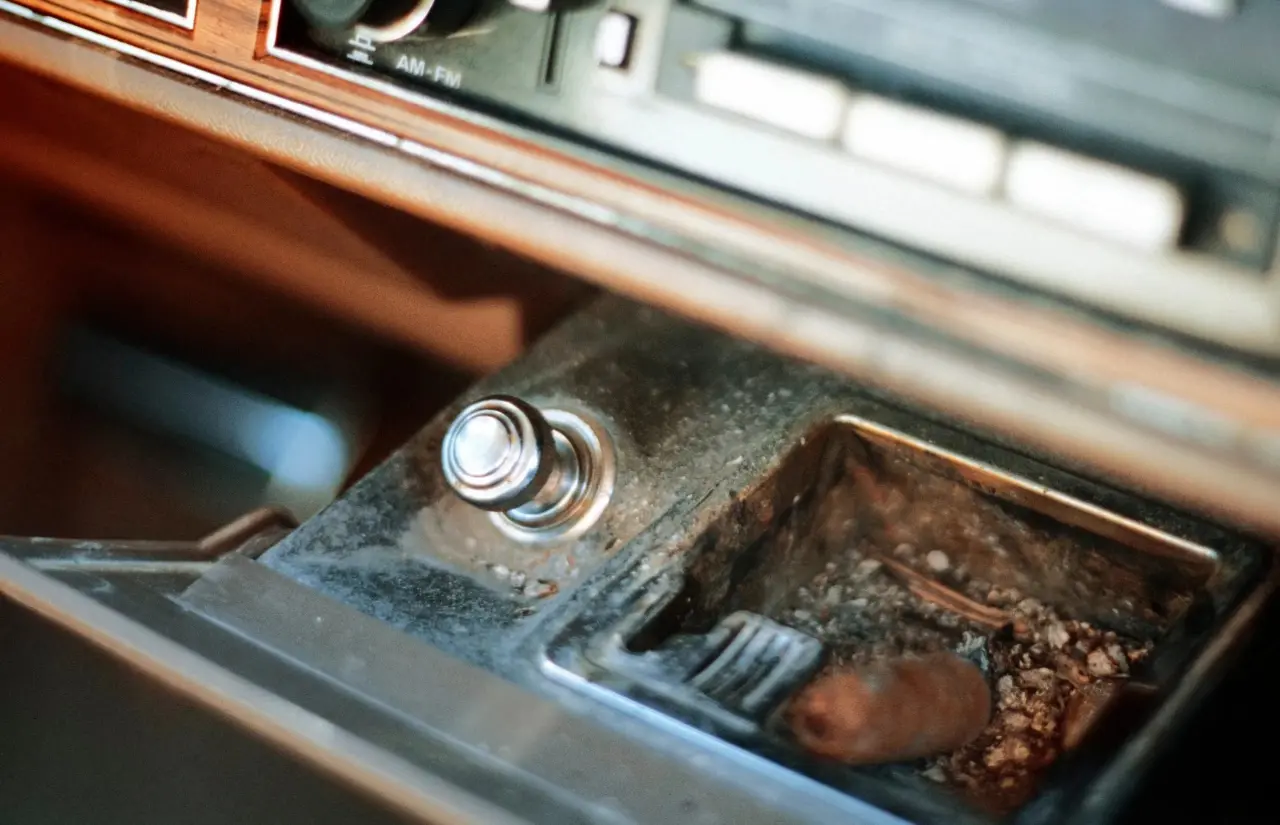
There was a time when every vehicle included an ashtray and a cigarette lighter as standard equipment.
Today, cup holders, USB ports, and wireless charging pads have taken their place. Cigarette lighters are now more likely to power camping accessories than cigarettes.
8. Traditional Steering Wheels
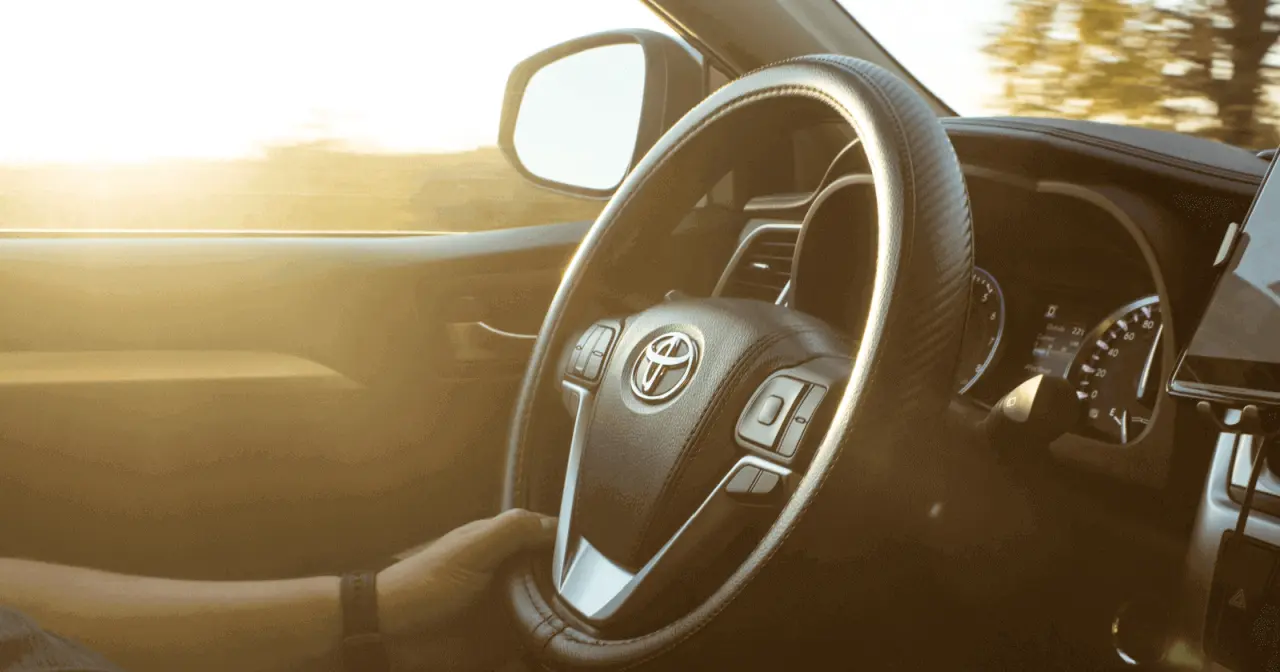
Steering wheels are starting to look more like gaming controllers than the simple circular wheels we once knew.
They remain our main connection to the car—for now. With autonomous driving advancing rapidly, future vehicles may not need a steering wheel at all.
Driver? What's that?
9. Foot Pedals
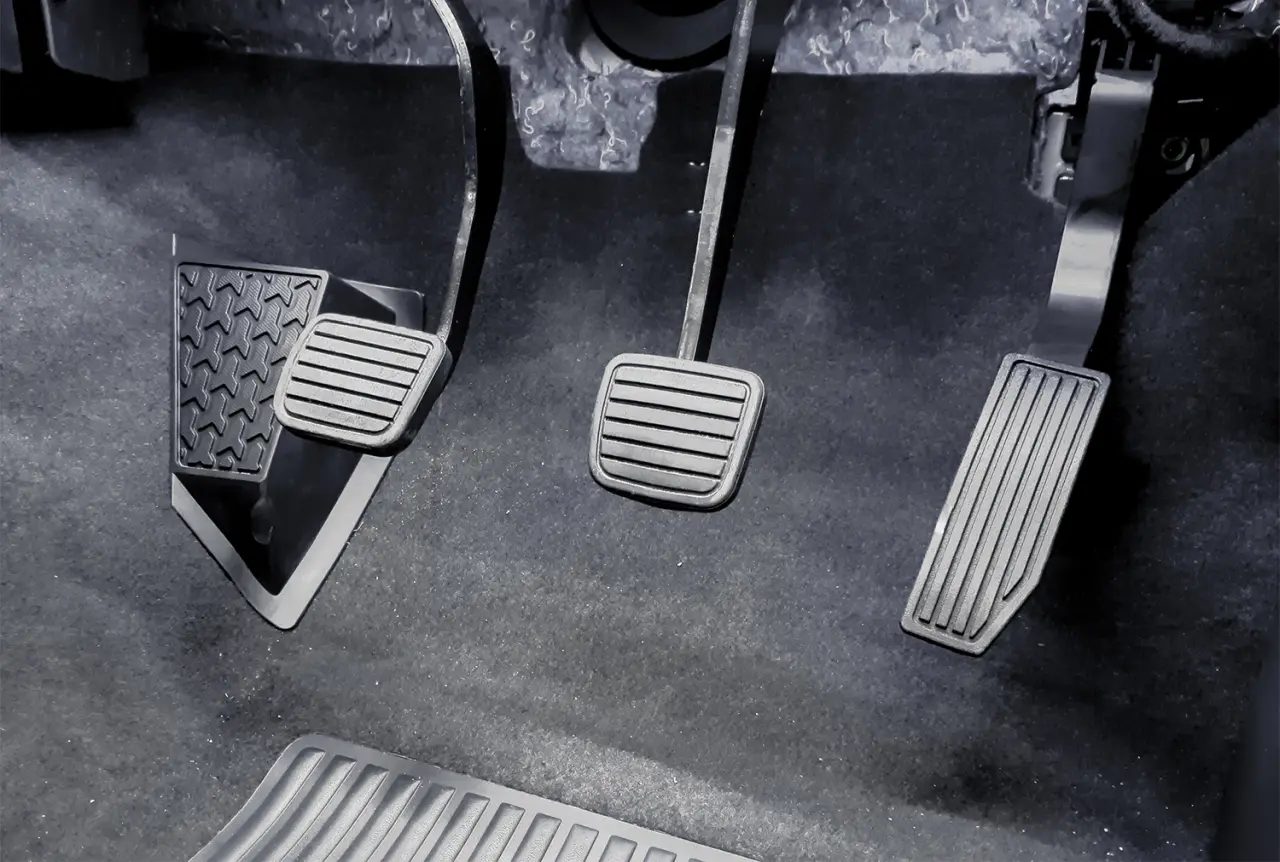
The accelerator, brake, and clutch pedals have always been the driver's direct connection to the vehicle.
Knowing exactly when to lift off the accelerator or apply the brakes became second nature over time. But as autonomous driving technology continues to develop, even these essential controls could eventually disappear.
Driving without moving your feet? That future may be closer than we think.
10. Manual Gear Shifters
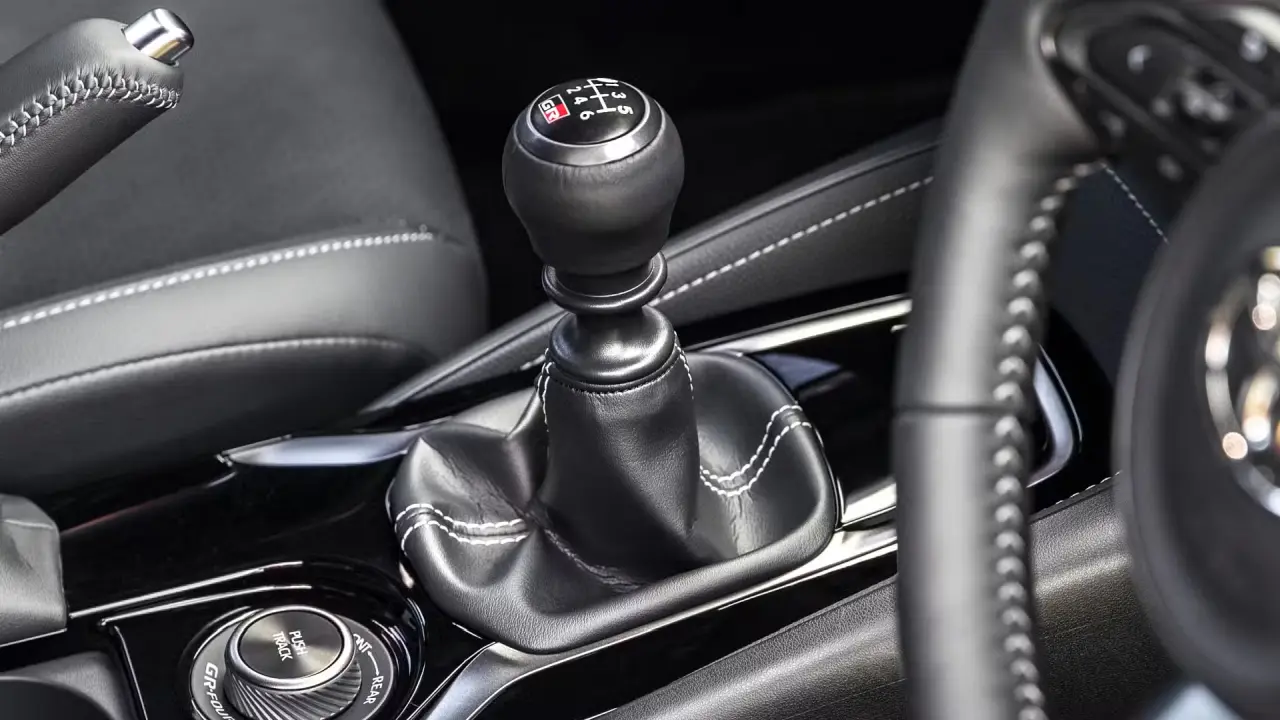
Feeling each gear engage through the shift knob was a defining part of driving a manual transmission.
With automatic, CVT, and electric drivetrains becoming increasingly common, manual gear shifters are slowly fading away.
The days of saying, "Second gear was a little stubborn today," may soon become nothing more than stories.
11. Traditional Side Mirrors
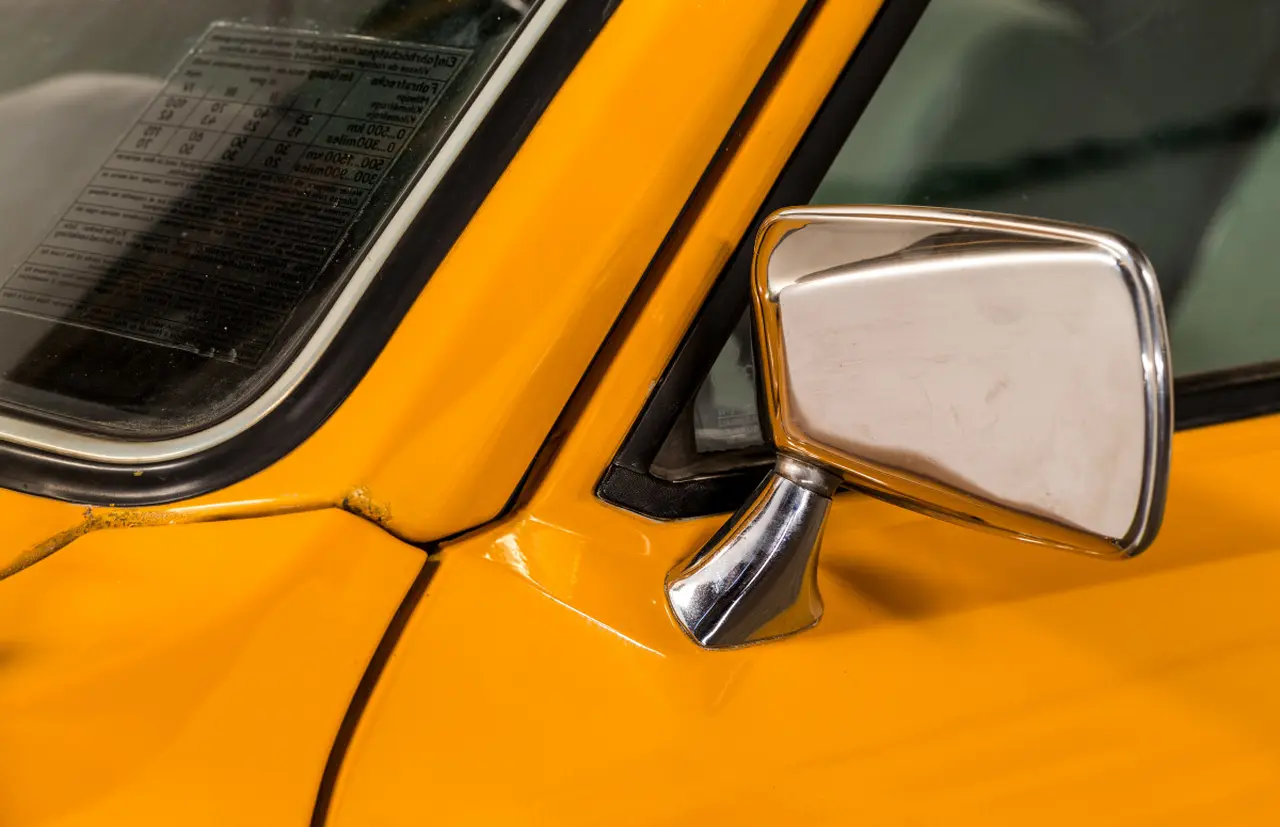
Changing lanes by looking into a simple piece of glass suddenly feels surprisingly old-fashioned.
Digital camera mirrors, 360-degree surround-view systems, and blind-spot monitoring are gradually replacing conventional mirrors, offering wider visibility and improved safety.
The classic side mirror is beginning to look... a little analog.
12. Exhaust Pipes

As electric vehicles become more popular, exhaust pipes—and the sounds they produce—are slowly disappearing.
For over a century, the exhaust system symbolized the internal combustion engine. Now, silent electric motors are changing what we expect from driving, replacing roaring engines with near silence.
What Will Disappear Next?
Today's vehicles can park themselves, monitor their surroundings, update their software over the air, and even drive themselves under certain conditions.
These innovations make driving safer, easier, and more comfortable than ever before. But that doesn't mean we should forget the mechanical features that shaped generations of drivers.
One day, our grandchildren may summon a self-driving car with a smartphone or a voice command. When that happens, we'll tell them about rolling windows down by hand, shifting gears manually, and carefully balancing the clutch on a steep hill.
They'll probably laugh.
Still, those mechanical parts weren't just components—they were rituals. They made driving noisier, more demanding, and sometimes less convenient, but they also made it feel incredibly real.
Technology keeps moving forward, but nostalgia always finds a way to stay in the rearview mirror.
Which old car feature do you miss the most? And which one are you perfectly happy to leave in the past?