TR
TR EN
EN

World’s Costliest Traffic Fines
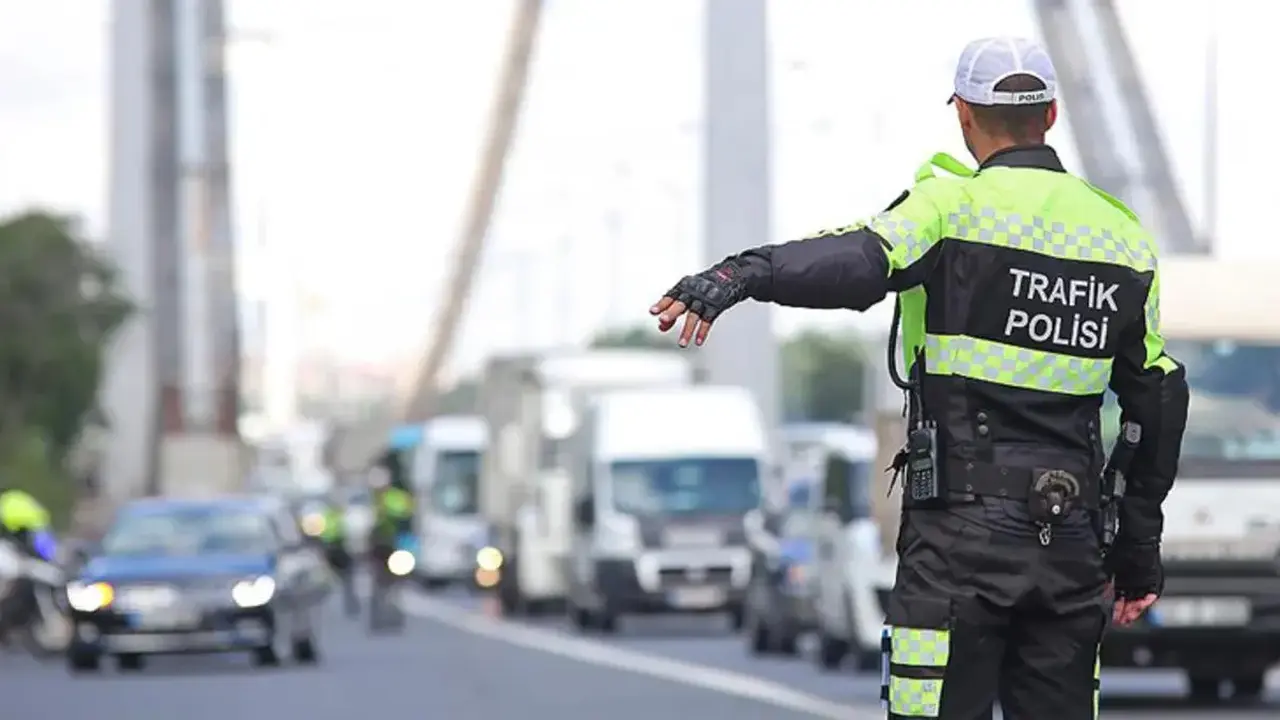
Traffic fines are never pleasant, but in some countries, even a single driving mistake can cost thousands—or even hundreds of thousands—of dollars. While many nations issue fixed penalties, others calculate fines based on a driver's income, making wealthy motorists pay significantly more for the same offense.
Here are some of the countries with the world's highest traffic fines and the reasons why breaking the rules can become incredibly expensive.
Switzerland: Income-Based Fines That Can Reach Hundreds of Thousands of Dollars
Switzerland is famous for its "day-fine" system, where certain serious traffic violations are calculated according to the offender's financial situation rather than a fixed amount.
This means a speeding ticket that costs one driver a few hundred dollars could cost another driver hundreds of thousands.
One of the most well-known cases involved a wealthy Ferrari driver who received an exceptionally large speeding fine after being caught driving at an extremely high speed. The penalty became international news because of its extraordinary amount.
The goal of Switzerland's system is simple: traffic laws should discourage everyone equally, regardless of income.
Finland: When Your Salary Determines the Cost of Speeding
Finland also uses an income-based penalty system for serious traffic violations.
The country's "day-fine" model adjusts penalties according to a driver's taxable income, meaning high earners can receive remarkably expensive tickets.
One widely reported case involved a senior business executive who was fined more than €100,000 for exceeding the speed limit. Similar cases have made headlines over the years, demonstrating Finland's commitment to equal deterrence.
Italy: Serious Violations Can Lead to Vehicle Seizure
In Italy, some serious traffic offenses may result in more than just financial penalties.
Depending on the violation, authorities may temporarily impound a vehicle, suspend a driver's license, or even confiscate a vehicle in severe or repeat cases, particularly when combined with criminal offenses such as dangerous driving, driving without insurance, or other serious legal violations.
For owners of high-value vehicles, the consequences can extend well beyond the initial fine.
Australia: Strict Penalties for Drink and Drug Driving
Australia has some of the toughest road safety laws in the world.
Driving under the influence of alcohol or drugs can lead to substantial fines, license suspension, mandatory education programs, vehicle impoundment, and even imprisonment for serious or repeat offenses.
The exact penalties vary by state and territory, but authorities take impaired driving extremely seriously.
United Arab Emirates: Heavy Fines and Black Points
The United Arab Emirates combines financial penalties with a black-point system that tracks driver violations.
Common penalties include:
-
Excessive speeding can result in substantial fines, black points, and vehicle impoundment.
-
Running a red light may lead to significant financial penalties, black points, and confiscation of the vehicle for a specified period.
-
Reaching the maximum number of black points can result in the suspension of your driving license.
Traffic enforcement is particularly strict in cities such as Dubai and Abu Dhabi.
United States: Costs Vary by State
Unlike many countries, traffic laws in the United States are regulated at the state level.
As a result, penalties differ considerably depending on where the violation occurs.
In some states, the total cost of a traffic ticket includes:
-
The base fine
-
Court costs
-
Administrative fees
-
Driver improvement program fees
-
Increased insurance premiums
A relatively minor violation can ultimately cost far more than the amount printed on the ticket.
Norway: Safety Violations Are Taken Seriously
Norway consistently ranks among the safest countries for road traffic, partly because of its strict enforcement.
Even seemingly minor offenses can result in significant penalties.
Common examples include:
-
Failing to wear a seat belt
-
Using a mobile phone while driving
-
Exceeding the speed limit
Serious speeding offenses may result in very large fines, license suspension, or even imprisonment, depending on the severity of the violation.
Why Are Some Countries So Strict?
High traffic fines generally serve several important purposes:
-
Reducing serious road accidents
-
Preventing repeat offenders
-
Encouraging responsible driving habits
-
Making penalties equally effective regardless of income
-
Improving overall road safety
Countries with income-based systems argue that fixed fines affect low-income drivers much more than wealthy drivers, making proportional penalties a fairer solution.
How to Avoid Expensive Traffic Fines Abroad
If you're planning to drive in another country, a little preparation can save you a lot of money.
Before getting behind the wheel:
-
Learn the local speed limits.
-
Understand how speed cameras are used.
-
Check mobile phone laws.
-
Know the alcohol limits for drivers.
-
Familiarize yourself with parking regulations.
-
Watch for restricted traffic zones in city centers.
A few minutes of research before your trip could save you thousands in unexpected fines.
Final Thoughts
Traffic laws exist to protect everyone on the road, but the financial consequences of breaking them vary dramatically from country to country.
Whether it's Switzerland's income-based fines, Finland's day-fine system, Australia's strict impaired-driving penalties, or Norway's tough safety enforcement, one thing is clear: following the rules is almost always cheaper than paying the penalty.
No matter where you drive, respecting local traffic laws is the safest—and most affordable—choice.