TR
TR EN
EN

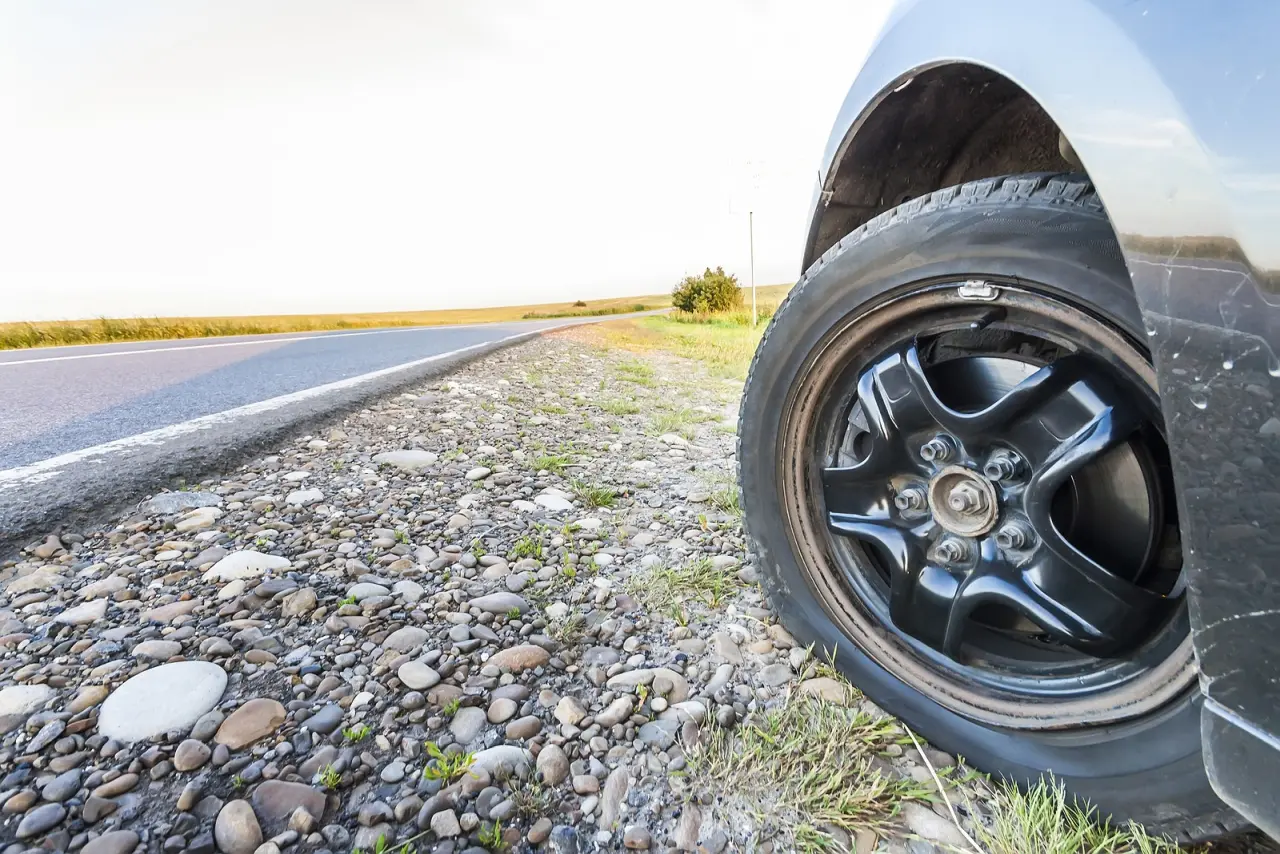
What Should You Do If You Get a Flat Tire While Driving?
A flat tire is one of the most common roadside emergencies drivers experience. Whether you're driving through city streets or traveling on a highway, a tire blowout or puncture can happen without warning. Knowing how to react calmly and safely can prevent accidents, reduce vehicle damage, and get you back on the road as quickly as possible.
In this guide, we'll explain exactly what to do if your tire goes flat, how to change it safely, and how to reduce the chances of it happening again.
Stay Calm and Don't Panic
Your first reaction is the most important one.
When a tire suddenly loses pressure, your vehicle may pull to one side, the steering wheel may vibrate, and you may hear a loud popping sound if the tire has blown out.
Instead of panicking:
-
Take your foot off the accelerator.
-
Keep both hands firmly on the steering wheel.
-
Avoid sudden braking unless absolutely necessary.
-
Maintain control of the vehicle.
-
Gradually reduce your speed.
If you're driving at highway speeds, slowing down gradually is much safer than slamming on the brakes.
Move to a Safe Location
Once you've slowed down, carefully steer your vehicle toward a safe place.
Good locations include:
-
The emergency shoulder
-
A parking lot
-
A quiet side road
-
A wide roadside area away from moving traffic
Avoid stopping on curves, hills, bridges, or places where other drivers cannot easily see your vehicle.
Turn On Your Hazard Lights
As soon as you stop safely:
-
Turn on your hazard warning lights immediately.
-
Put the transmission in Park (automatic) or first gear (manual).
-
Apply the parking brake.
These simple steps make your vehicle more visible and prevent it from rolling while you're working.
Set Up a Warning Triangle
If you have a reflective warning triangle, place it behind your vehicle to alert approaching traffic.
General recommendations are:
-
About 30 meters (100 feet) behind the vehicle in urban areas.
-
About 100 meters (330 feet) behind the vehicle on highways or rural roads.
If you're driving at night or in poor weather, wear a reflective safety vest before leaving your vehicle whenever possible.
Inspect the Tire
Before changing the tire, determine what happened.
Common causes include:
-
Nails or screws
-
Sharp debris on the road
-
Sidewall damage
-
Pothole impacts
-
Tire blowouts caused by excessive wear
If the tire has severe sidewall damage or has completely shredded, it cannot be repaired and must be replaced.
How to Change a Flat Tire
If you have a spare tire, jack, and lug wrench, and you're comfortable using them, you can replace the damaged tire yourself.
Step 1: Park on Solid Ground
Make sure the vehicle is parked on a flat, stable surface.
Soft ground can cause the jack to sink, making the process dangerous.
Step 2: Loosen the Lug Nuts
Before lifting the vehicle:
-
Slightly loosen each lug nut.
-
Do not remove them completely yet.
This is much easier while the tire is still touching the ground.
Step 3: Raise the Vehicle
Position the jack at the manufacturer's designated lifting point.
Consult your owner's manual if you're unsure where the correct jack point is located.
Lift the vehicle until the damaged tire is just clear of the ground.
Step 4: Remove the Flat Tire
Finish removing the lug nuts and carefully pull the damaged tire straight off the wheel hub.
Place it flat on the ground nearby.
Step 5: Install the Spare Tire
Line up the spare tire with the wheel studs and slide it into place.
Hand-tighten the lug nuts first.
Step 6: Lower the Vehicle
Carefully lower the vehicle back to the ground.
Once all the weight is on the tire, tighten the lug nuts securely using a star or crisscross pattern to ensure even pressure.
Remember That Temporary Spare Tires Have Limits
Many vehicles are equipped with compact "space-saver" spare tires.
These temporary spares are designed only for short distances.
They usually have speed restrictions, commonly around 80 km/h (50 mph), and should only be used until the damaged tire can be repaired or replaced.
Always check the markings printed on your spare tire.
Can Tire Repair Sealant Help?
Many newer vehicles no longer include a spare tire.
Instead, they come with a tire repair kit or tire sealant.
Sealant can temporarily repair:
-
Small punctures in the tread area
-
Minor air leaks caused by nails or screws
However, it cannot repair:
-
Sidewall damage
-
Large tears
-
Blowouts
-
Tires that have separated from the rim
Sealant should only be considered a temporary solution that allows you to drive carefully to the nearest repair shop.
When Should You Call Roadside Assistance?
Sometimes changing the tire yourself isn't the safest option.
Call roadside assistance if:
-
You're on a busy highway.
-
The weather is dangerous.
-
You don't have the proper tools.
-
You don't have a spare tire.
-
You aren't comfortable changing the tire.
-
The wheel or suspension appears damaged.
Many insurance policies, automobile clubs, and roadside assistance services include tire replacement assistance at no additional cost.
How to Prevent Flat Tires
Regular maintenance dramatically reduces the risk of unexpected tire failures.
Good habits include:
-
Check tire pressure at least once a month.
-
Inspect tires before long trips.
-
Replace worn tires before the tread becomes unsafe.
-
Avoid hitting potholes and curbs whenever possible.
-
Remove stones or debris lodged in the tread.
-
Rotate your tires according to the manufacturer's maintenance schedule.
-
Avoid overloading your vehicle.
Properly maintained tires not only last longer but also improve fuel economy and braking performance.
Warning Signs That a Tire May Fail Soon
Your tires may need immediate attention if you notice:
-
Cracks in the sidewall
-
Bulges or bubbles
-
Uneven tread wear
-
Constant loss of air pressure
-
Excessive vibration while driving
-
Exposed steel belts
Ignoring these warning signs can lead to sudden tire failure.
Essential Emergency Equipment to Keep in Your Car
Being prepared makes roadside emergencies much less stressful.
Consider carrying:
-
Spare tire
-
Vehicle jack
-
Lug wrench
-
Tire pressure gauge
-
Portable air compressor
-
Tire repair kit
-
Reflective warning triangle
-
Reflective safety vest
-
Flashlight with spare batteries
-
Work gloves
These items take up little space but can save you significant time and inconvenience.
Final Thoughts
A flat tire can happen to any driver at any time. While it may seem stressful, staying calm and following the correct steps can keep you safe and minimize damage to your vehicle.
Before every long journey, take a few minutes to inspect your tires, check their pressure, and make sure your emergency equipment is in the car.
Remember: being prepared is always easier than dealing with an unexpected roadside emergency.