TR
TR EN
EN

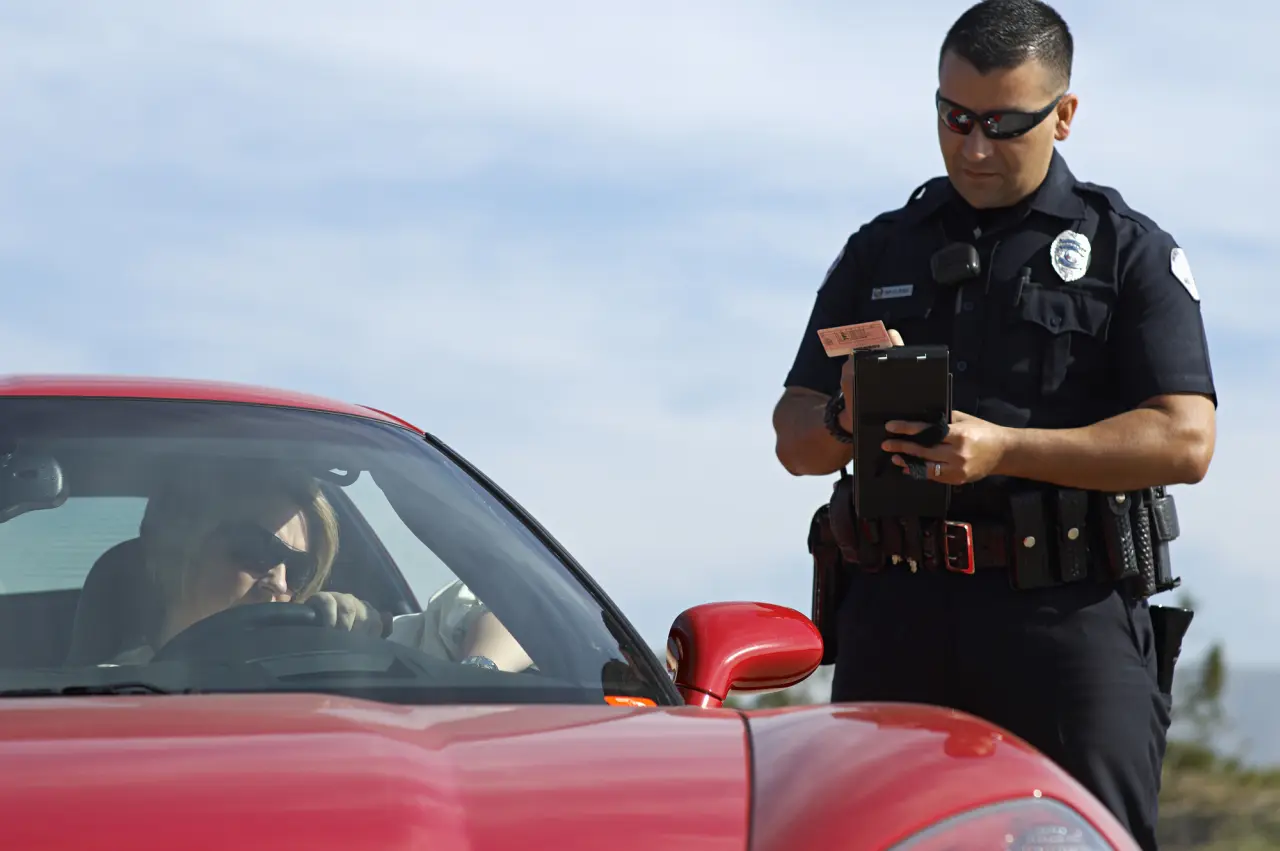
The World's Fastest Traffic Tickets: Drivers Caught in Record Time
Most traffic tickets are issued for common violations such as speeding, running a red light, or failing to wear a seat belt. However, some traffic violations become famous because of how incredibly quickly they happen. In a few remarkable cases, drivers managed to receive a traffic ticket within seconds of beginning their journey.
From a new driver caught just moments after leaving home to motorists receiving enormous speeding fines almost immediately after crossing a border, these stories demonstrate that traffic enforcement can be faster than many people imagine.
Let's take a look at some of the most surprising examples of record-fast traffic tickets from around the world.
Can You Really Get a Traffic Ticket Within Seconds?
Absolutely.
Modern traffic enforcement technologies have transformed how quickly violations are detected. Today, many countries use:
-
Fixed speed cameras
-
Average speed camera systems
-
Mobile radar units
-
Automatic number plate recognition (ANPR)
-
Red-light cameras
-
Intelligent traffic monitoring systems
Because these systems operate automatically, a driver can be detected almost immediately after committing an offense.
13 Seconds: A New Driver's Unforgettable First Journey
One of the best-known stories comes from West Yorkshire, England.
A newly licensed driver had just received permission to drive alone for the first time. Excited to begin driving independently, the motorist accelerated beyond the posted speed limit only moments after leaving.
According to reports, the driver was recorded traveling approximately 80 km/h (50 mph) in a 65 km/h (40 mph) zone.
The remarkable part?
The speeding offense occurred only 13 seconds after beginning the journey.
The consequences included:
-
A speeding fine
-
Six penalty points on the driver's license
-
Higher insurance premiums
It was certainly not the celebration the driver had expected.
Only 30 Seconds Behind the Wheel—An Enormous Fine
Switzerland is well known for having some of Europe's strictest traffic enforcement.
One driver reportedly accelerated a high-performance sports car to around 170 km/h (106 mph) shortly after leaving a city area.
The excessive speed was detected almost immediately.
Because Switzerland calculates many serious traffic fines based on the offender's income, the financial penalty reportedly reached approximately 180,000 Swiss francs.
This case illustrates that in some countries, speeding penalties are designed to affect wealthy and average-income drivers equally by considering their financial circumstances.
Finland's Income-Based Speeding Fines
Finland also uses an income-based "day-fine" system for serious speeding offenses.
Several high-profile business executives have received extraordinarily expensive speeding tickets after exceeding speed limits while reporting very high annual incomes.
Some of these penalties have reached hundreds of thousands of euros, making them among the largest documented traffic fines in history.
The principle behind Finland's system is straightforward:
Drivers with higher incomes pay higher fines so that penalties have a similar deterrent effect regardless of wealth.
Five Seconds After Crossing the Border
Another widely reported incident involved a driver entering Germany from Austria.
Soon after crossing the border, the driver accelerated before becoming familiar with the local speed restrictions.
A speed camera positioned shortly after the border crossing detected the violation almost immediately.
The result was a speeding ticket issued only seconds after entering the country.
This serves as a reminder that speed limits can change quickly between countries and even immediately after border crossings.
Why Modern Traffic Tickets Arrive So Quickly
Today's enforcement technology is far more advanced than traditional police patrols alone.
Modern systems can automatically:
-
Measure vehicle speed
-
Capture high-resolution images
-
Record the exact time and location
-
Identify license plates
-
Match vehicle registration records
In many jurisdictions, this information is processed electronically, allowing authorities to issue citations much faster than in the past.
The Rise of Intelligent Traffic Enforcement
Across Europe and many other regions, governments continue expanding intelligent transportation systems.
Common technologies include:
-
Average speed enforcement cameras
-
AI-assisted traffic monitoring
-
Mobile radar vehicles
-
Automatic lane enforcement
-
Bus lane cameras
-
Red-light enforcement cameras
These systems operate around the clock and require little human intervention.
Can You Receive a Ticket Before You Get Home?
In some countries, yes.
Although penalties are not always delivered instantly, violations are often recorded immediately.
Depending on local procedures, drivers may receive notifications:
-
By mail
-
Through government online services
-
Via digital driver portals
-
Through official mobile applications
Processing times vary from country to country, but the violation itself is usually recorded the moment it occurs.
Lessons Every Driver Can Learn
These unusual stories share an important message.
The excitement of driving a new vehicle, testing a powerful engine, or entering an unfamiliar road should never outweigh safe driving practices.
To avoid unnecessary penalties:
-
Observe posted speed limits at all times.
-
Pay attention immediately after entering a new country or city.
-
Avoid rapid acceleration in unfamiliar areas.
-
Remember that speed cameras may be located almost anywhere.
-
Allow navigation systems to alert you to changing road conditions, but never rely solely on them.
Speeding Costs More Than Just Money
A speeding ticket often involves much more than paying a fine.
Depending on local laws, drivers may also face:
-
Penalty points
-
License suspension
-
Increased insurance premiums
-
Vehicle impoundment in serious cases
-
Court appearances for severe violations
In some jurisdictions, excessive speeding may even result in criminal charges.
Conclusion
Some of the world's fastest traffic tickets were issued within mere seconds of drivers beginning their journeys. Whether it was a newly licensed motorist caught just 13 seconds after setting off or a sports car driver receiving an enormous income-based fine, these cases demonstrate how effective modern traffic enforcement has become.
Today's cameras, radar systems, and intelligent monitoring technologies leave very little room for error. Rather than testing how quickly you can accelerate, the smarter approach is to drive responsibly, follow posted speed limits, and remember that arriving safely is always more important than arriving a few seconds sooner.