TR
TR EN
EN

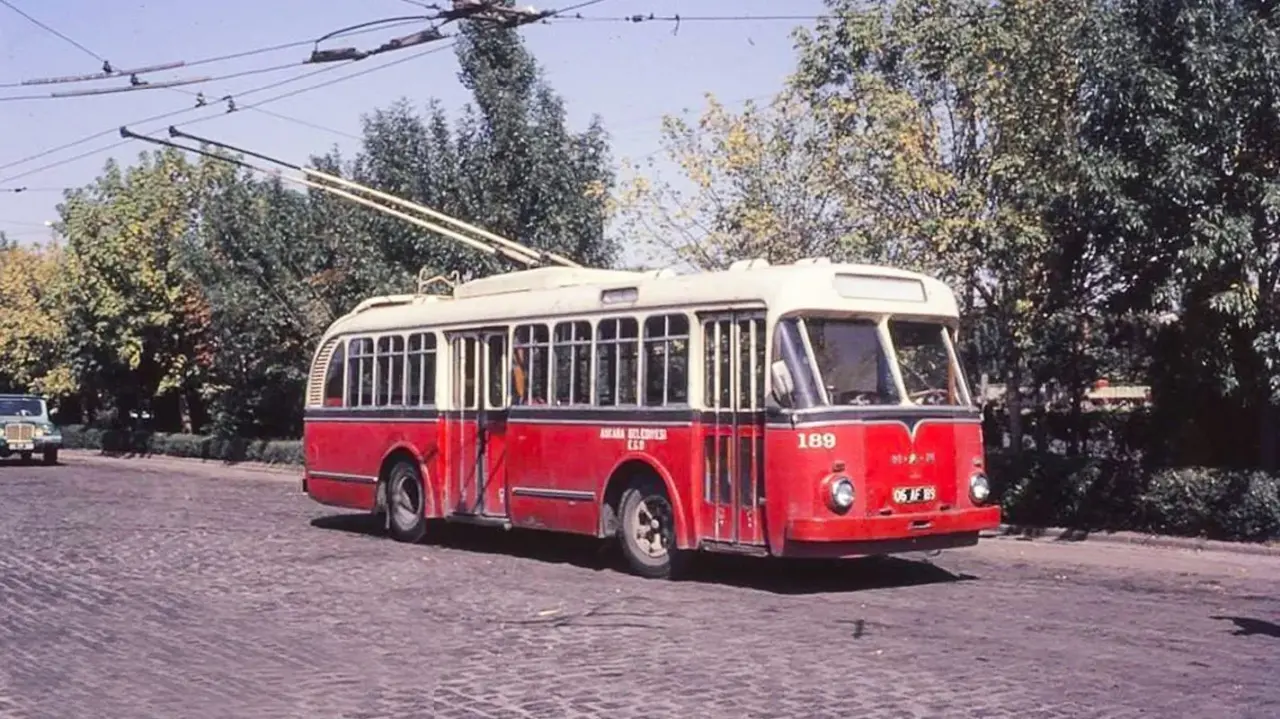
What Is a Trolleybus? How Does a Trolleybus Work?
A trolleybus combines the flexibility of a bus with the environmental benefits of electric transportation. Although it looks similar to a conventional bus, it operates using electric motors powered by overhead wires instead of a diesel or gasoline engine.
For more than a century, trolleybuses have provided clean, quiet, and efficient public transportation in cities around the world. While many networks disappeared during the late twentieth century, growing interest in sustainable urban mobility has led many cities to modernize and expand their trolleybus systems.
In this guide, we'll explain what a trolleybus is, how it works, its history, braking systems, electric motors, and why many cities are investing in this technology once again.
What Is a Trolleybus?
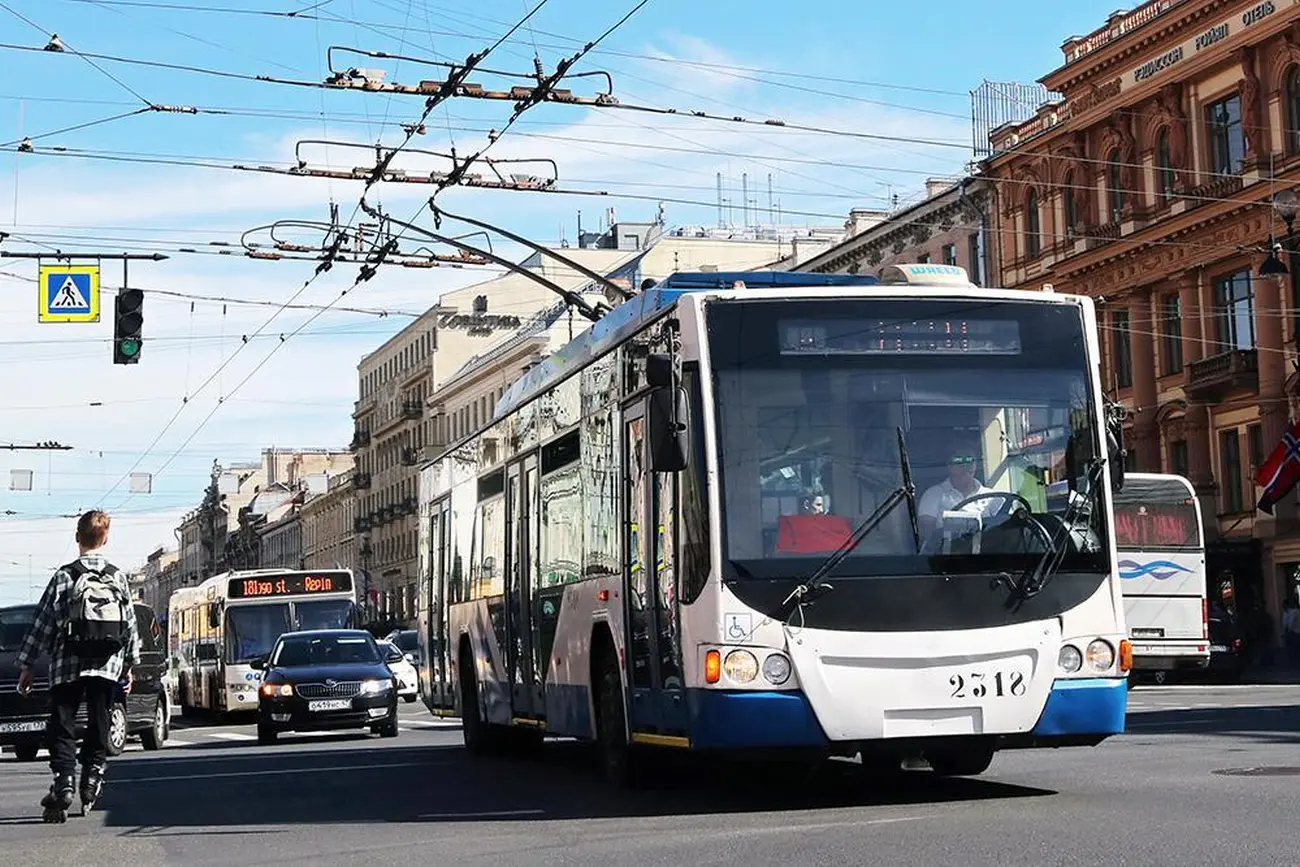
A trolleybus is an electrically powered road vehicle used primarily for urban public transportation.
Unlike trams, trolleybuses:
-
Run on ordinary roads rather than railway tracks.
-
Use rubber tires.
-
Are steered like conventional buses.
-
Draw electricity from overhead power lines.
Instead of an internal combustion engine, a trolleybus is powered by one or more electric traction motors.
Electricity is supplied through two overhead wires, which the vehicle connects to using two roof-mounted trolley poles. Unlike a tram's pantograph, trolleybuses typically use a pair of spring-loaded poles because the electrical circuit requires both positive and negative conductors.
This unique combination gives trolleybuses the maneuverability of buses while maintaining the quiet and environmentally friendly operation of electric rail vehicles.
The History of the Trolleybus
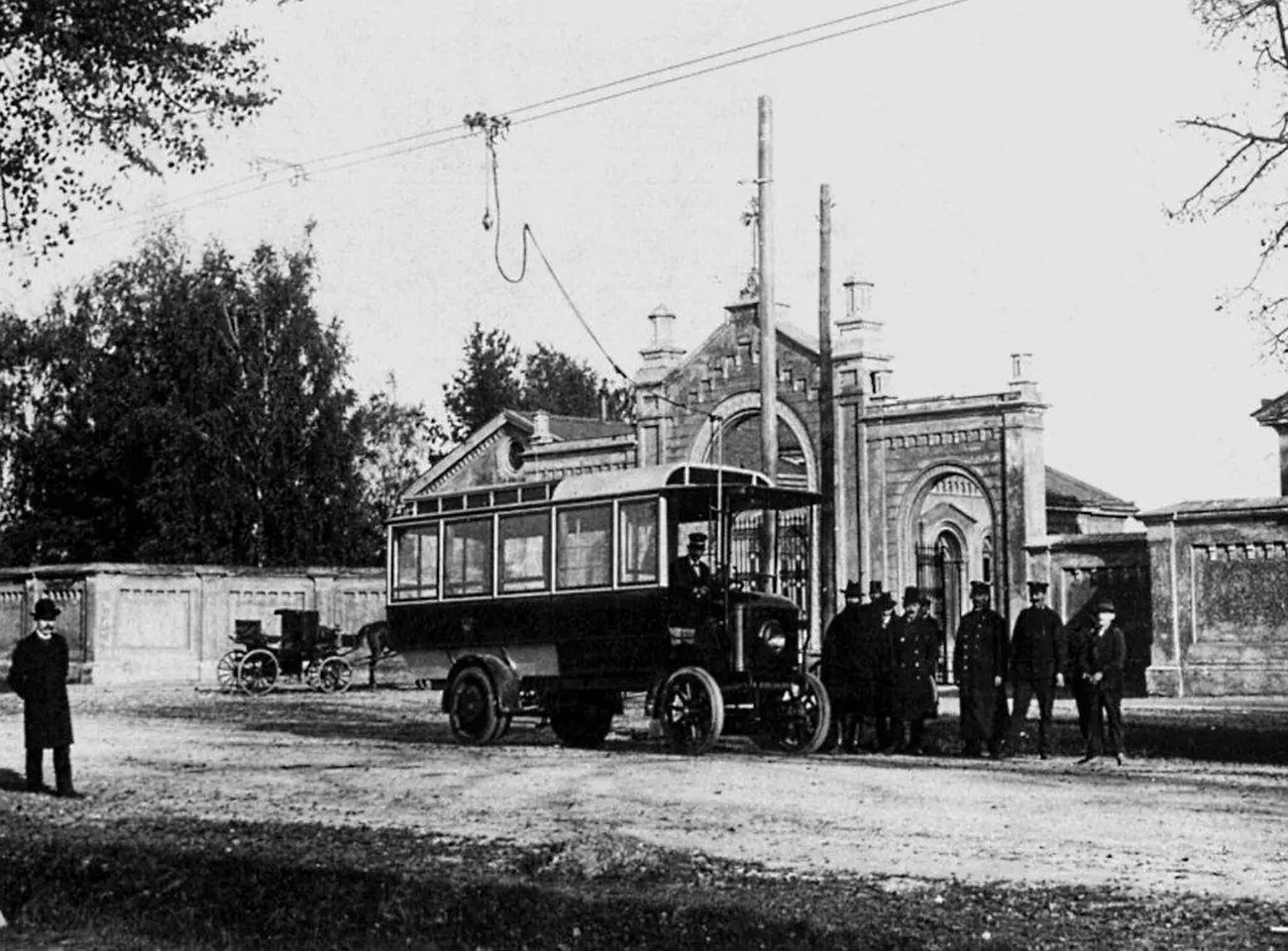
The history of the trolleybus began during the rapid development of electric transportation in the late nineteenth century.
The world's first experimental trolleybus was introduced in 1882 by Werner von Siemens near Berlin, Germany.
Known as the Elektromote, it demonstrated that electric vehicles could operate on ordinary roads while receiving power from overhead wires.
Although the first system was experimental, the concept quickly attracted attention.
During the early twentieth century, many cities across Europe and North America adopted trolleybuses as a practical alternative to tram systems because they required less infrastructure while still offering electric operation.
The Golden Age of Trolleybuses
Between the 1920s and the 1960s, trolleybuses became one of the world's most popular forms of urban transportation.
Cities appreciated their advantages:
-
No local exhaust emissions
-
Quiet operation
-
Strong hill-climbing ability
-
Lower operating costs than many early buses
-
Smooth acceleration
Large trolleybus networks were built throughout Europe, including cities in:
-
Switzerland
-
Italy
-
Germany
-
Czech Republic
-
Poland
-
Russia
-
United Kingdom
Many North American cities also developed extensive trolleybus systems during this period.
Why Many Cities Removed Trolleybuses
Beginning in the 1970s, many trolleybus systems were dismantled.
Several factors contributed to their decline:
-
Falling oil prices
-
Improvements in diesel bus technology
-
High maintenance costs for overhead wiring
-
Greater route flexibility offered by conventional buses
As a result, numerous cities replaced trolleybuses with diesel-powered fleets.
The Modern Revival of Trolleybuses
Today, trolleybuses are experiencing renewed popularity as cities work toward cleaner transportation.
Modern systems now offer:
-
Zero tailpipe emissions
-
Reduced noise pollution
-
High energy efficiency
-
Lower greenhouse gas emissions
-
Battery-assisted operation
Many new trolleybuses include onboard batteries that allow them to travel several kilometers away from overhead wires, greatly increasing operational flexibility.
Cities across countries such as:
-
Switzerland
-
Italy
-
Poland
-
Germany
-
Czech Republic
-
China
continue investing in modern trolleybus networks.
How Does a Trolleybus Work?
Although trolleybuses resemble ordinary buses, their propulsion system is completely different.
Electricity Supply
Most trolleybuses receive electricity from two overhead power lines installed along their route.
The system commonly operates using 600–750 volts DC, although some modern networks use higher voltages.
Unlike trams, which generally use rails as part of the electrical circuit, trolleybuses require two overhead wires because both electrical conductors are carried above the road.
Trolley Poles
Mounted on the roof are two long, spring-loaded trolley poles.
These poles:
-
Maintain continuous contact with the overhead wires.
-
Move freely as the vehicle turns.
-
Deliver electricity to the vehicle's electrical systems.
If the poles accidentally detach from the wires, the driver must reconnect them before continuing, unless the vehicle has battery backup.
Electric Motor
The electricity collected from the overhead wires powers one or more electric traction motors.
These motors provide:
-
Instant torque
-
Quiet acceleration
-
High efficiency
-
Low maintenance requirements
Electric propulsion is especially effective in urban environments with frequent stops and starts.
Steering and Driving
Unlike trams, trolleybuses are not confined to rails.
Drivers steer them using a conventional steering wheel, allowing the vehicle to:
-
Change lanes
-
Avoid obstacles
-
Pull closer to bus stops
However, movement is generally limited by the reach of the overhead wires unless the vehicle includes battery-assisted operation.
Do Trolleybuses Have Motors?
Yes.
Every trolleybus is equipped with one or more electric motors.
Unlike diesel buses, trolleybuses do not use internal combustion engines for propulsion.
Modern vehicles may use:
-
DC traction motors
-
AC induction motors
-
Permanent magnet electric motors
Electric motors offer several advantages:
-
Quiet operation
-
Immediate acceleration
-
High reliability
-
Lower maintenance costs
-
Zero local emissions
How Do Trolleybus Braking Systems Work?
Modern trolleybuses combine several braking technologies to maximize safety and energy efficiency.
Regenerative Braking
One of the most important braking systems is regenerative braking.
During deceleration, the electric motor temporarily operates as a generator.
Instead of wasting energy as heat, the system converts the vehicle's kinetic energy back into electricity.
Depending on the network, this electricity can:
-
Be returned to the overhead power grid.
-
Be stored in onboard batteries or supercapacitors.
Benefits include:
-
Lower energy consumption
-
Reduced brake wear
-
Improved efficiency
Mechanical Brakes
Conventional mechanical brakes provide additional stopping power.
Most trolleybuses use:
-
Disc brakes
-
Drum brakes
-
Hydraulic or pneumatic braking systems
These operate similarly to those found on standard buses.
Pneumatic Braking
Compressed-air braking systems remain common in larger trolleybuses.
These systems improve braking performance and provide reliable emergency stopping capability.
Emergency Braking
Every trolleybus includes emergency braking systems designed to safely stop the vehicle if:
-
Electrical power is interrupted.
-
Trolley poles disconnect from the overhead wires.
-
Mechanical failures occur.
Multiple braking systems work together to ensure passenger safety under all operating conditions.
Battery-Powered Trolleybuses
One of the biggest innovations in recent years is the development of battery-assisted trolleybuses.
These vehicles can temporarily operate without overhead wires by using rechargeable batteries.
This technology allows them to:
-
Bypass roadworks
-
Serve new routes
-
Cross historic city centers without additional overhead wiring
-
Continue operating during power interruptions
Many modern trolleybuses can travel several kilometers solely on battery power.
Advantages of Trolleybuses
Modern trolleybuses offer numerous benefits for cities and passengers.
Major advantages include:
-
Zero tailpipe emissions
-
Quiet operation
-
Lower operating costs
-
Excellent hill-climbing performance
-
High energy efficiency
-
Smooth acceleration
-
Reduced dependence on fossil fuels
-
Improved passenger comfort
These advantages make trolleybuses an attractive option for sustainable public transportation.
Disadvantages of Trolleybuses
Despite their strengths, trolleybuses also have some limitations.
These include:
-
Dependence on overhead electrical infrastructure
-
Higher installation costs than diesel bus routes
-
Visual impact of overhead wires
-
Route flexibility limited by power lines (unless battery-equipped)
However, modern battery technology is helping reduce many of these drawbacks.
Are Trolleybuses Making a Comeback?
The answer is increasingly yes.
As cities focus on reducing air pollution and achieving climate goals, electric public transportation is expanding rapidly.
Modern trolleybuses equipped with batteries combine the environmental benefits of electric vehicles with the flexibility of conventional buses.
Many European cities are modernizing older networks, while others are introducing new trolleybus systems as part of their sustainable mobility strategies.
Conclusion
Trolleybuses represent a unique blend of traditional public transportation and modern electric vehicle technology. Running on ordinary roads while drawing clean electricity from overhead wires, they provide quiet, efficient, and environmentally friendly urban transportation.
Thanks to advances in battery technology, regenerative braking, and electric propulsion, today's trolleybuses are far more flexible than their predecessors. As cities continue investing in sustainable mobility, trolleybuses are likely to remain an important part of the future of public transportation alongside trams, metro systems, and battery-electric buses.