TR
TR EN
EN

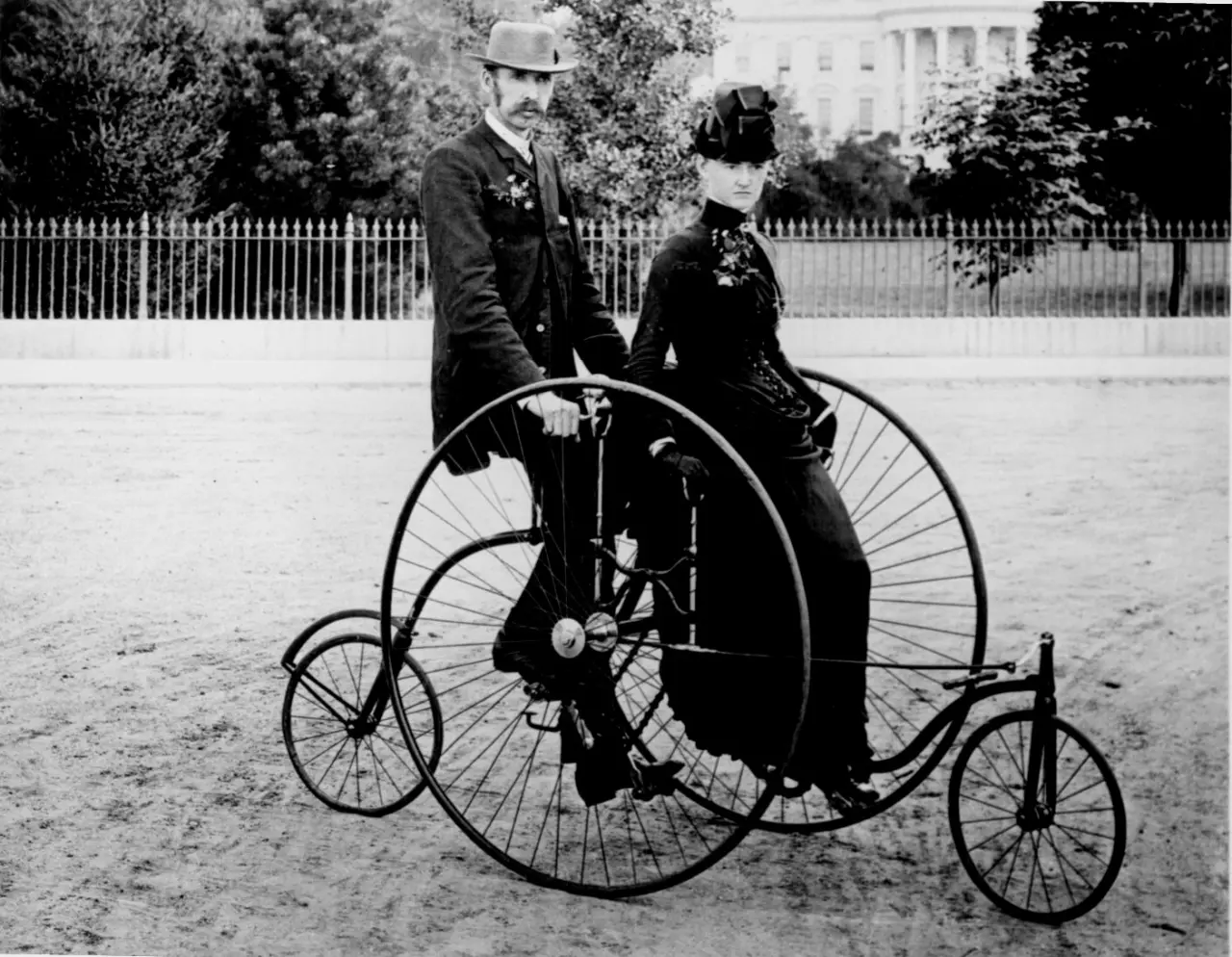
The History of the Bicycle: A Journey Through Time on Two Wheels
The bicycle is much more than a means of transportation. It is a symbol of freedom, healthy living, sustainability, and innovation. Today, millions of people around the world use bicycles for commuting, recreation, fitness, and competitive sports. However, the story of this simple two-wheeled machine began more than 200 years ago.
From wooden "running machines" to lightweight carbon fiber racing bikes and electric bicycles, the bicycle has undergone remarkable technological and social evolution. Let's take a journey through the fascinating history of one of humanity's greatest inventions.
The Evolution of the Bicycle
The modern bicycle did not appear overnight. Instead, it evolved through a series of innovations developed by inventors across Europe over many decades.
1. The Draisine – The First Two-Wheeled Vehicle (1817)
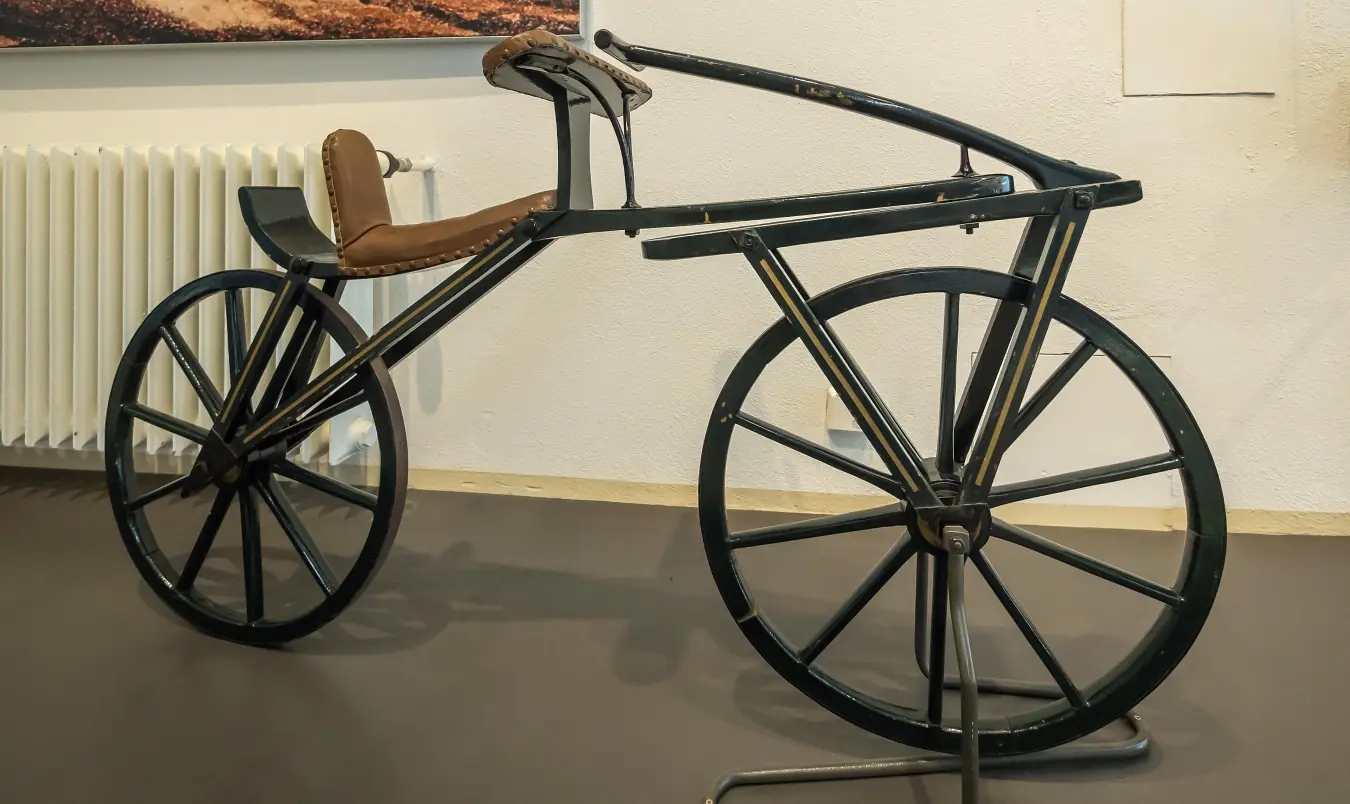
The earliest ancestor of the bicycle was invented in 1817 by German inventor Karl Drais. Known as the Draisine, Running Machine, or Hobby Horse, it had two wooden wheels connected by a frame but no pedals.
Riders propelled themselves by pushing against the ground with their feet, similar to how children use modern balance bikes.
Although primitive by today's standards, the Draisine proved that a two-wheeled personal vehicle could be practical and efficient.
2. The Velocipede – The First Pedal Bicycle (1860s)
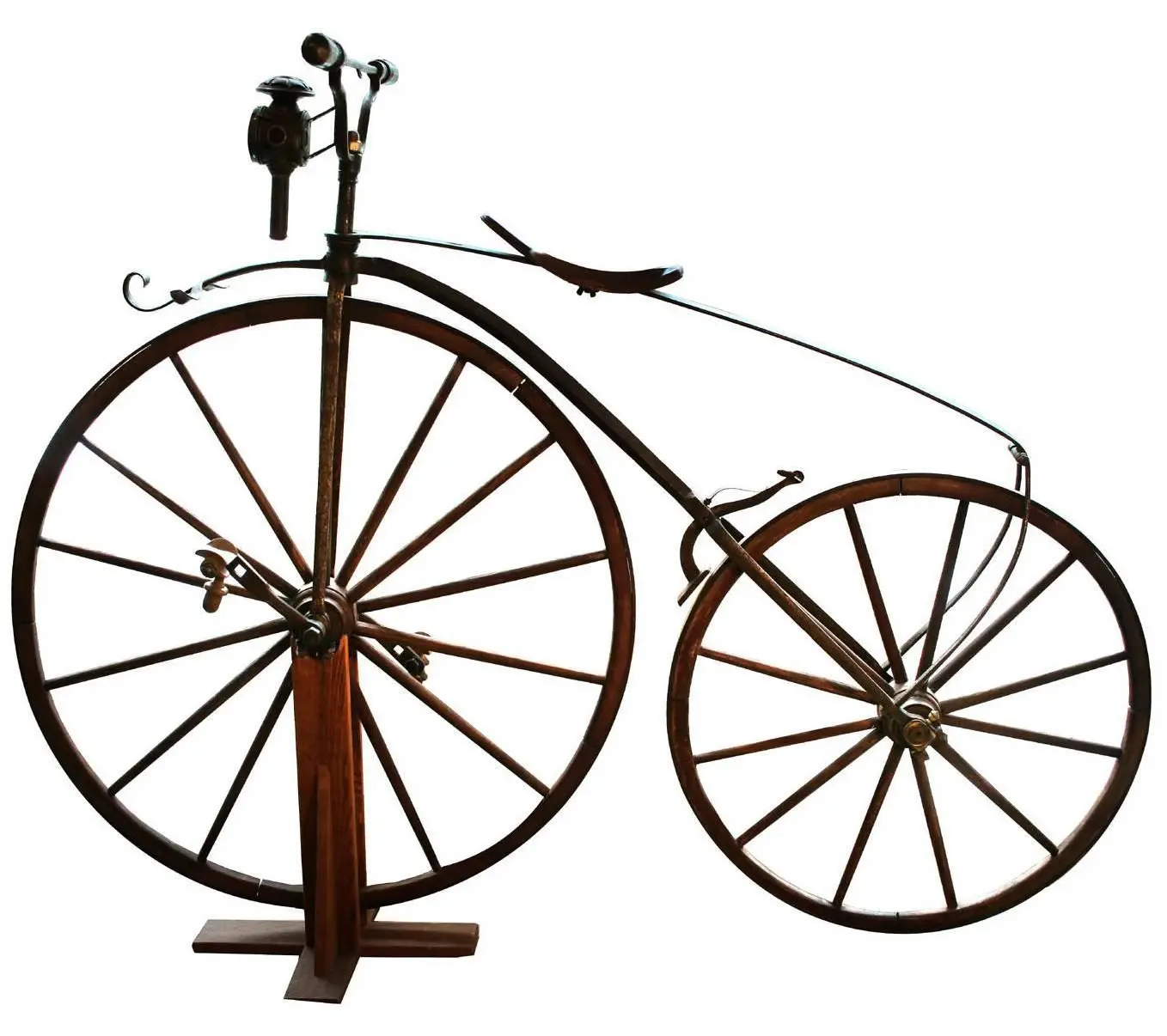
During the 1860s, French inventor Pierre Michaux and his son Ernest Michaux transformed the Draisine by attaching pedals directly to the front wheel.
This new design became known as the Velocipede.
While revolutionary, it had several drawbacks:
-
Iron wheels created an extremely rough ride.
-
There was no suspension system.
-
Cobblestone roads made cycling uncomfortable.
Because of its harsh ride, it earned the nickname "Boneshaker."
3. The Penny-Farthing – Bigger Wheel, Bigger Risk (1870s)
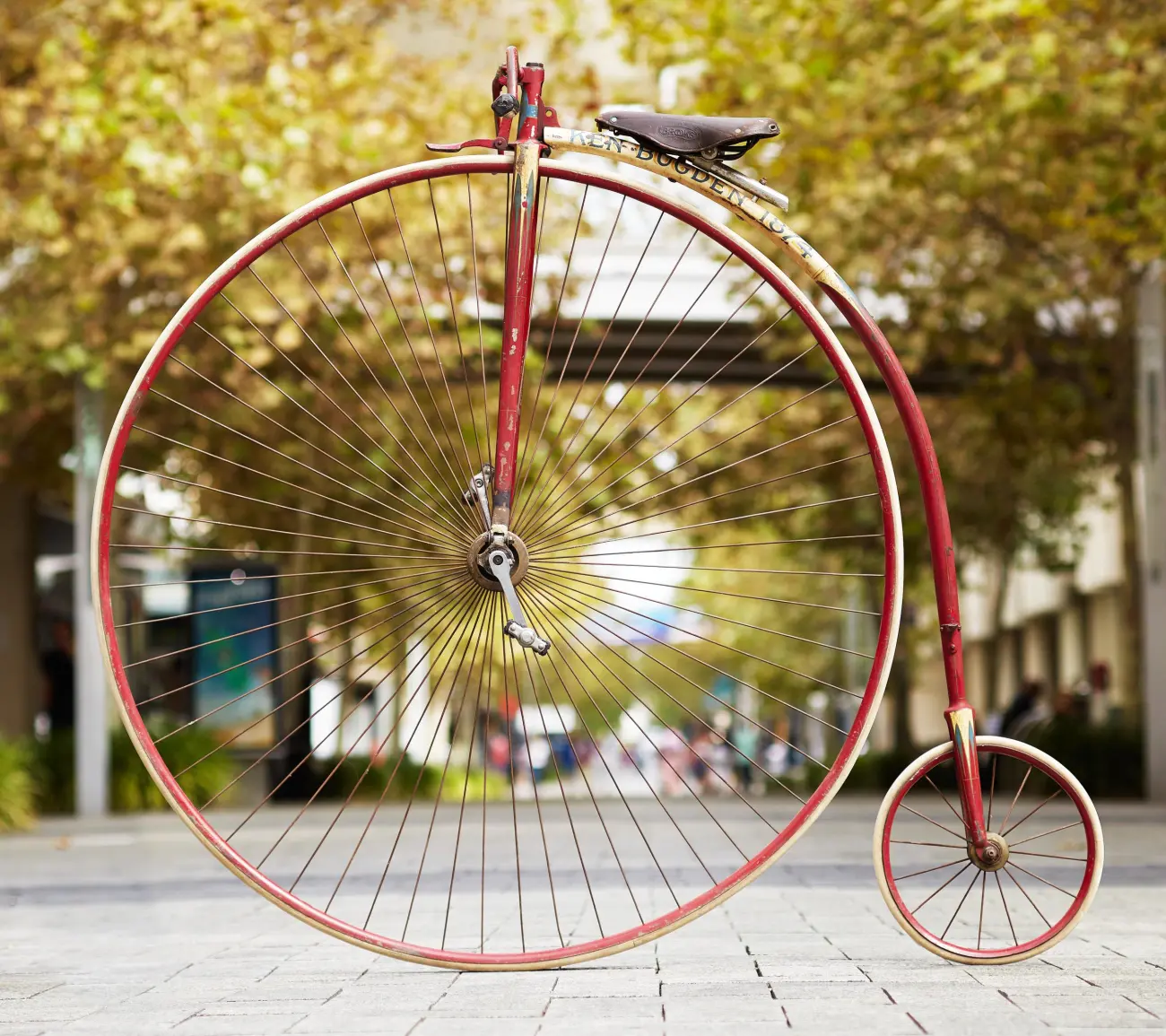
In the 1870s, British engineer James Starley developed the famous Penny-Farthing bicycle.
Its enormous front wheel allowed riders to travel faster because each pedal revolution covered more distance.
Advantages included:
-
Higher speeds
-
Improved efficiency on smooth roads
However, the design also introduced significant dangers:
-
Riders sat very high above the ground.
-
Sudden stops often threw cyclists over the handlebars.
-
Falls frequently caused serious injuries.
Despite its popularity, safety concerns eventually led to its decline.
4. The Safety Bicycle – The Birth of the Modern Bicycle (1885)
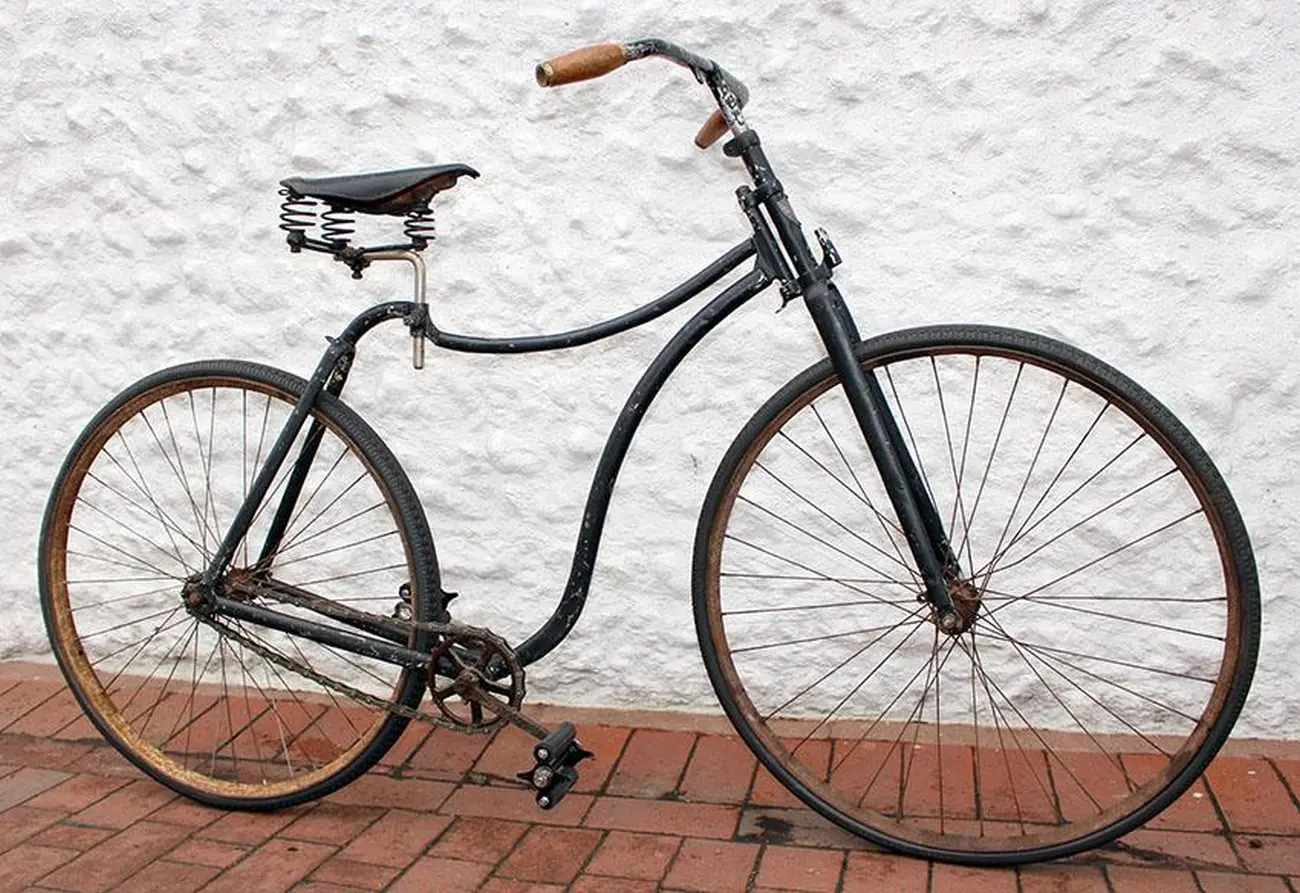
The bicycle as we know it today was introduced in 1885 by John Kemp Starley, nephew of James Starley.
His Rover Safety Bicycle featured several revolutionary improvements:
-
Two wheels of equal size
-
Rear-wheel chain drive
-
Lower center of gravity
-
Improved balance
-
Easier steering
This design became the blueprint for virtually every bicycle produced today.
5. Pneumatic Tires Changed Everything (1888)
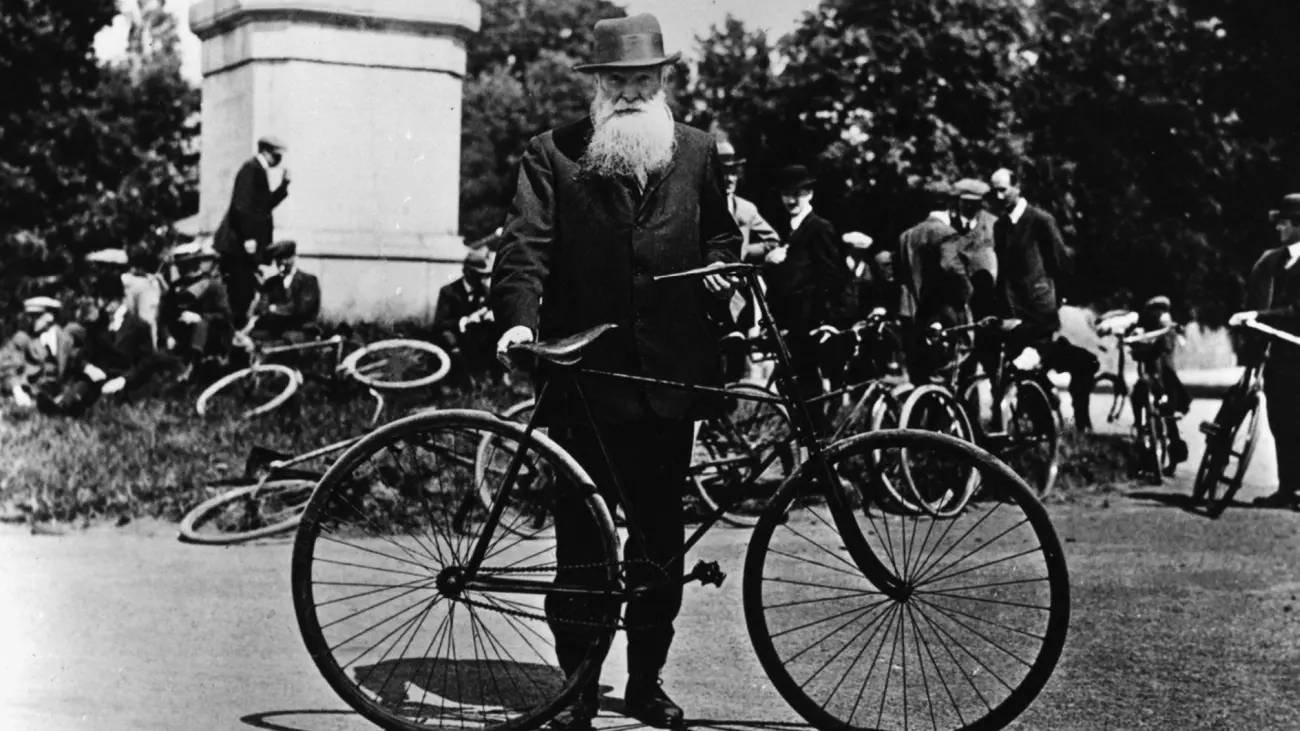
In 1888, Scottish-born inventor John Boyd Dunlop introduced the first practical pneumatic (air-filled) tire for bicycles.
This innovation dramatically improved:
-
Ride comfort
-
Grip
-
Speed
-
Shock absorption
-
Overall safety
Modern bicycle tires are still based on Dunlop's revolutionary concept.
Who Invented the Bicycle?
There is no single inventor who can be credited with creating the bicycle.
Instead, several pioneers contributed to its development over time.
The most influential figures include:
-
Karl Drais (1817): Invented the pedal-free Draisine.
-
Pierre Michaux (1860s): Added pedals to create the Velocipede.
-
John Kemp Starley (1885): Designed the first modern Safety Bicycle.
-
John Boyd Dunlop (1888): Invented the practical pneumatic tire.
Each innovation brought bicycles closer to the efficient machines we ride today.
How Bicycles Changed Society
The bicycle has played many different roles throughout history.
Affordable Transportation
For decades, bicycles provided inexpensive mobility across Europe and the rest of the world.
Even today, countries such as:
-
The Netherlands
-
Denmark
-
Germany
-
Belgium
continue to rely heavily on bicycles for daily commuting.
Dedicated cycling infrastructure has made cycling one of the safest and most practical forms of urban transportation.
Military Applications
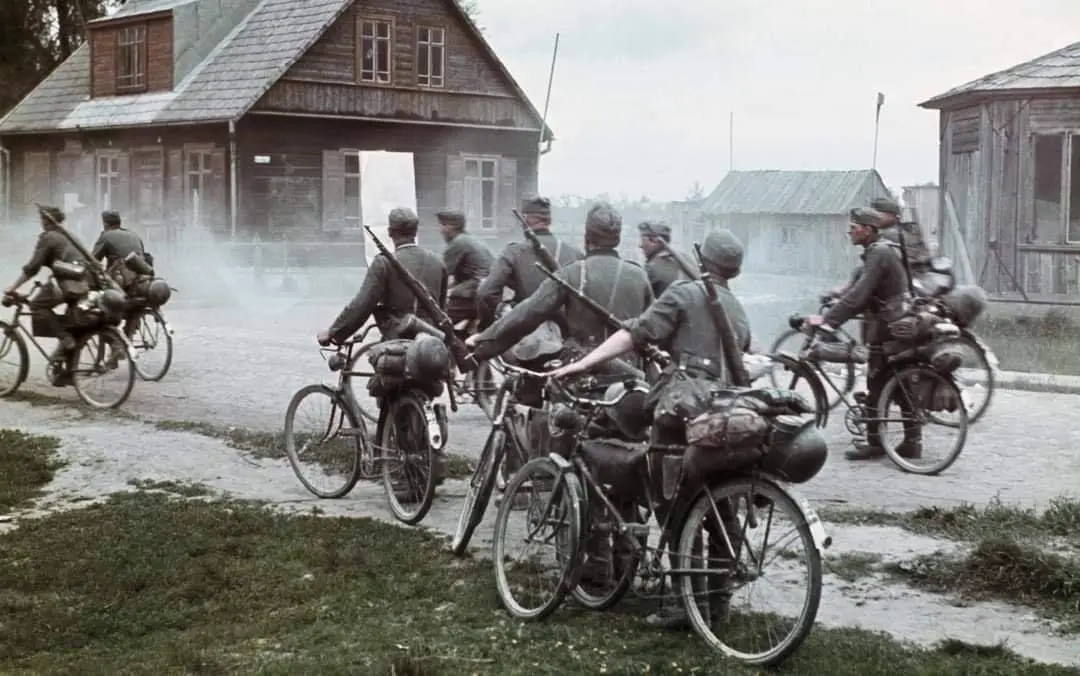
During both World War I and World War II, bicycles became valuable military tools.
They were used because they were:
-
Quiet
-
Fuel-free
-
Reliable
-
Easy to maintain
Military bicycles served in:
-
Reconnaissance missions
-
Messenger services
-
Infantry transportation
-
Supply operations
Several European armies continued using military bicycles well into the twentieth century.
Postal and Delivery Services
Long before motor vehicles became widespread, bicycles helped deliver:
-
Mail
-
Newspapers
-
Parcels
Today, cargo bikes and bicycle couriers are once again becoming popular in many European cities as environmentally friendly delivery solutions.
Competitive Cycling
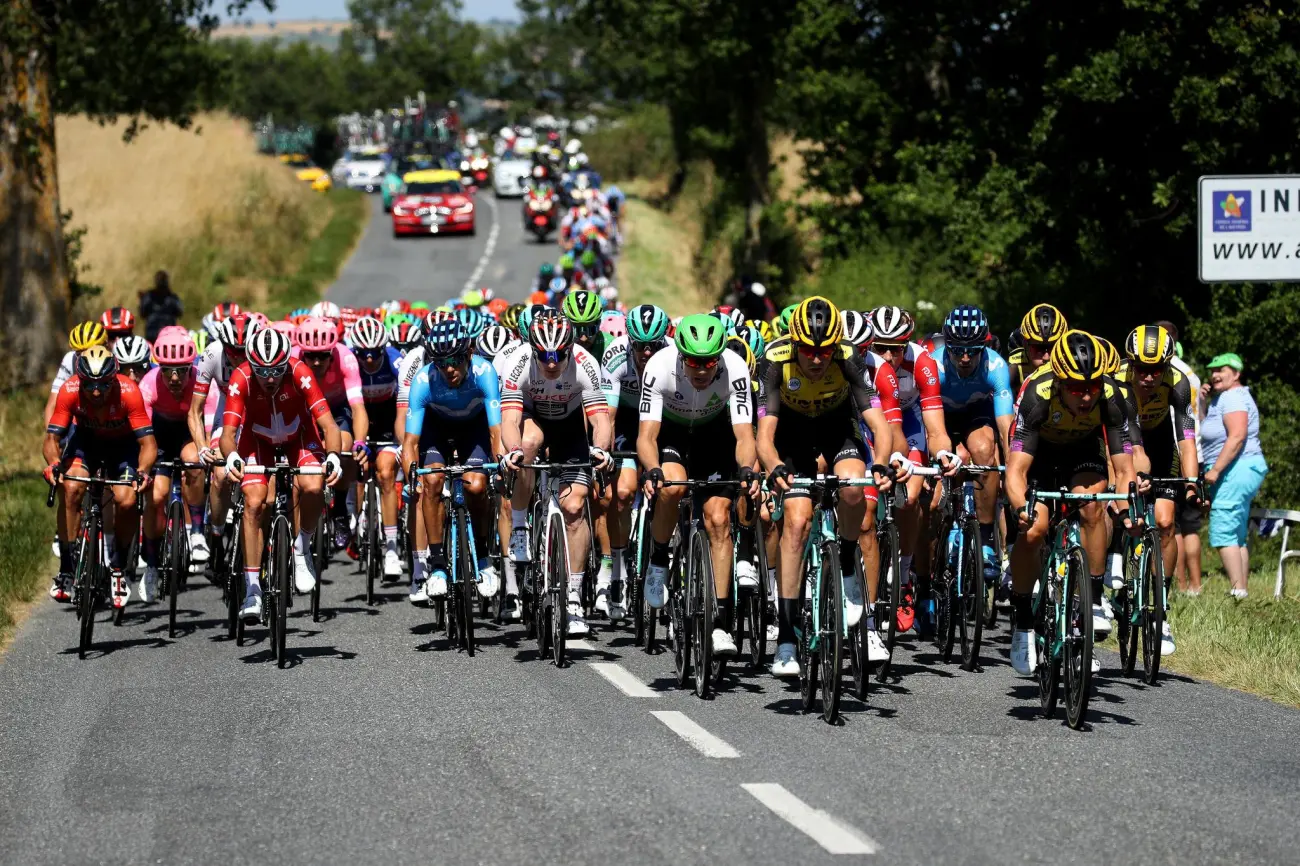
Cycling quickly evolved into a competitive sport.
Major disciplines now include:
-
Road cycling
-
Mountain biking
-
BMX racing
-
Track cycling
-
Cyclocross
-
Gravel racing
One of the world's most famous sporting events, the Tour de France, has been held annually since 1903.
Professional cycling continues to attract millions of spectators worldwide.
A Symbol of Women's Freedom
During the late nineteenth century, bicycles transformed society in unexpected ways.
Women gained greater independence by using bicycles for personal transportation.
Cycling also encouraged changes in clothing, allowing more practical outfits instead of restrictive dresses and corsets.
American women's rights activist Susan B. Anthony famously described the bicycle as one of the greatest forces for women's emancipation.
The Modern Bicycle
Today's bicycles incorporate technologies that early inventors could never have imagined.
Modern innovations include:
-
Carbon fiber frames
-
Hydraulic disc brakes
-
Electronic gear shifting
-
Tubeless tires
-
GPS cycling computers
-
Smart sensors
-
Electric pedal assistance (e-bikes)
-
Connected mobile applications
Electric bicycles have become particularly popular across Europe, making commuting easier while reducing car dependency and urban emissions.
Why Bicycles Matter More Than Ever
As cities face increasing congestion, rising fuel costs, and environmental challenges, bicycles are becoming an essential part of sustainable transportation.
Governments across Europe continue investing in:
-
Protected cycle lanes
-
Bicycle-sharing programs
-
Secure bicycle parking
-
Green transportation initiatives
-
Integration with public transport systems
Cycling not only reduces traffic but also improves public health and lowers carbon emissions.
Conclusion
The bicycle's history is a remarkable story of innovation, determination, and continuous improvement. From Karl Drais' wooden running machine in 1817 to today's intelligent electric bicycles, each generation has helped shape one of the world's most successful inventions.
More than two centuries later, bicycles remain affordable, environmentally friendly, healthy, and enjoyable to ride. As cities become greener and transportation continues to evolve, the bicycle's importance will only continue to grow.
Whether you ride for commuting, exercise, competition, or simply for the joy of exploring, every journey on two wheels is part of a remarkable legacy that continues to move the world forward.