TR
TR EN
EN

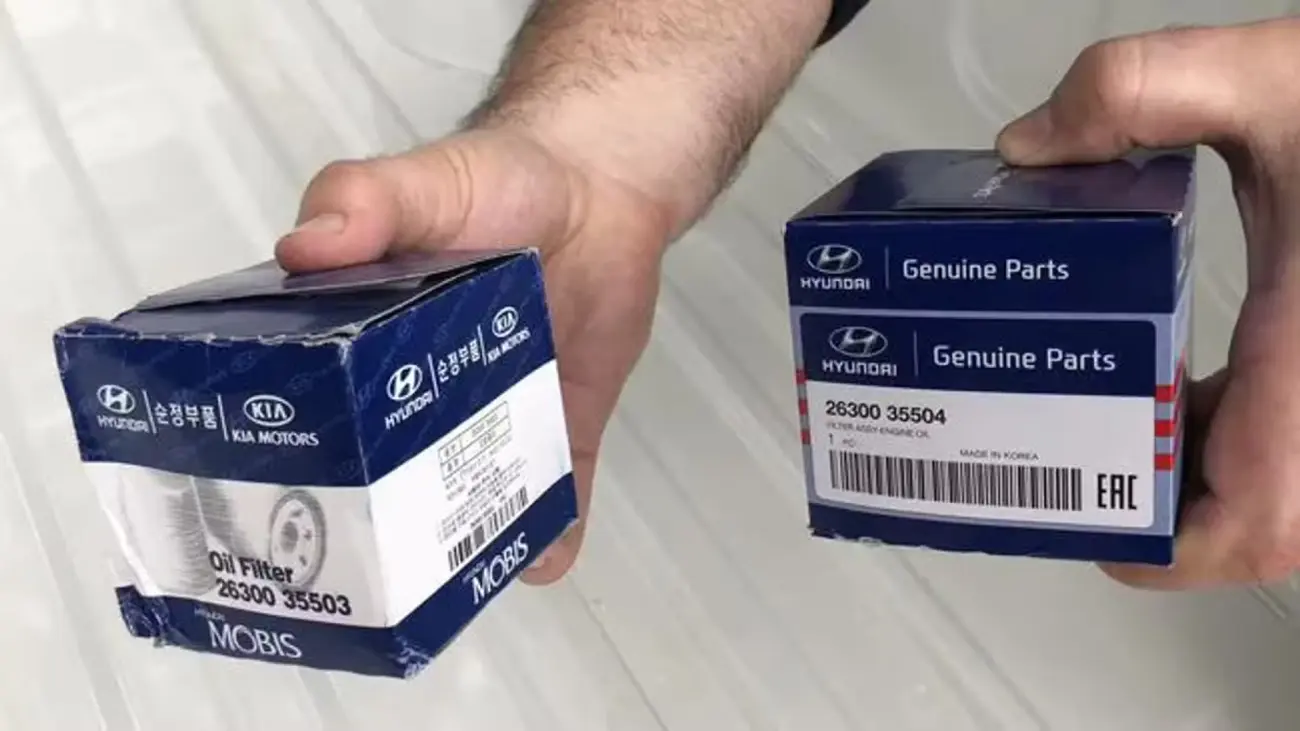
OEM vs Aftermarket Parts: Which Is the Better Long-Term Investment?
When it comes to vehicle maintenance and repairs, one of the most common questions drivers ask is: Should I buy OEM (Original Equipment Manufacturer) parts or aftermarket parts?
At first glance, aftermarket parts often seem like the obvious choice because they usually cost less. However, the lowest purchase price doesn't always mean the lowest ownership cost. Durability, reliability, fitment, warranty, and labor costs all play an important role in determining which option provides better value over time.
Here's everything you need to know before making your next repair decision.
What Are OEM Parts?
OEM (Original Equipment Manufacturer) parts are components produced by the vehicle manufacturer or by a supplier approved by the manufacturer. These are the same specifications as the parts originally installed when your vehicle left the factory.
Because they are designed specifically for your make and model, OEM parts generally provide consistent quality and predictable performance.
Common advantages include:
-
Perfect fit and compatibility
-
Factory-tested quality
-
Long service life
-
Reliable performance
-
Manufacturer warranty in many cases
The biggest drawback is typically the higher purchase price compared to many aftermarket alternatives.
What Are Aftermarket Parts?
Aftermarket parts are produced by companies other than the vehicle manufacturer. They are designed to replace original components but may vary in design, materials, and manufacturing quality.
It's important to understand that not all aftermarket parts are the same. Some premium manufacturers produce components that meet or even exceed OEM standards, while lower-cost products may prioritize affordability over durability.
Potential benefits include:
-
Lower purchase price
-
Wide availability
-
More brand choices
-
Competitive pricing
Possible disadvantages include:
-
Quality varies significantly between brands
-
Some parts may wear faster
-
Fitment may not always be perfect
-
Performance may differ from OEM specifications
Choosing a reputable manufacturer is essential when purchasing aftermarket components.
Looking Beyond the Purchase Price
Many drivers compare only the initial cost of a replacement part. However, the true cost of ownership includes several additional factors.
Consider this example.
OEM brake pads
-
Higher initial cost
-
Approximately 60,000 km (37,000 miles) lifespan
Budget aftermarket brake pads
-
About half the purchase price
-
Approximately 25,000 km (15,500 miles) lifespan
Although the aftermarket option appears cheaper, replacing the pads two or three times means paying for:
-
Additional labor
-
More service appointments
-
Extra downtime
-
Earlier brake rotor wear in some cases
Over several years, the total cost may actually exceed the price of the OEM option.
Components Where OEM Parts Are Usually Worth the Investment
Certain vehicle systems directly affect safety, reliability, or expensive mechanical assemblies. In these situations, OEM parts are often the safest choice.
These include:
-
Engine internal components
-
Transmission components
-
Timing systems
-
Airbag systems
-
ABS components
-
Steering components
-
Electronic control modules
-
Fuel injection components
-
Turbochargers (depending on the application)
Using high-quality components in these systems helps reduce the risk of repeat failures and costly repairs.
When Aftermarket Parts Can Be a Good Choice
Not every repair requires an OEM component.
For many maintenance items, premium aftermarket brands can provide excellent performance while reducing repair costs.
Examples include:
-
Windshield wiper blades
-
Cabin air filters
-
Engine air filters
-
Light bulbs
-
Some suspension bushings
-
Interior trim components
-
Floor mats
-
Exterior accessories
The key is selecting products from established manufacturers rather than simply choosing the cheapest option available.
The Hidden Cost of Cheap Parts
Low-quality replacement parts may save money initially, but they can create additional expenses later.
Poor-quality components may:
-
Wear out more quickly
-
Fail unexpectedly
-
Cause vibration or noise
-
Damage surrounding components
-
Require repeated labor charges
-
Reduce resale value
A repair performed twice almost always costs more than doing it properly the first time.
Warranty Considerations
OEM parts often include manufacturer-backed warranties and are designed to meet factory specifications.
Many premium aftermarket brands also provide warranties, although coverage varies between manufacturers.
Before purchasing any replacement part, consider:
-
Warranty duration
-
Replacement policy
-
Manufacturer reputation
-
Availability of customer support
A strong warranty can sometimes offset a higher purchase price.
Ask Your Mechanic the Right Questions
Instead of asking only, "Which one is cheaper?", consider asking:
-
Is this an OEM part or aftermarket?
-
Which aftermarket brand do you recommend?
-
Have you installed this brand before?
-
How long do these parts typically last?
-
Does it include a warranty?
-
Is there a premium aftermarket option available?
A reputable repair shop should be willing to explain the differences and recommend the most suitable option for your budget and driving needs.
Focus on Value, Not Just Price
The best choice depends on several factors, including:
-
Vehicle age
-
Expected ownership period
-
Driving habits
-
Safety considerations
-
Repair budget
For an older vehicle nearing the end of its service life, a quality aftermarket part may be perfectly reasonable.
For a newer vehicle or safety-critical repair, investing in OEM parts is often the smarter long-term decision.
Conclusion
Choosing between OEM and aftermarket parts isn't simply about spending more or less money. It's about balancing cost, quality, reliability, and long-term value.
OEM parts generally provide the best fit, consistent performance, and long service life, making them ideal for critical systems such as the engine, transmission, brakes, and safety equipment.
Quality aftermarket parts, on the other hand, can be an excellent choice for maintenance items and non-critical components, provided they come from reputable manufacturers.
Rather than focusing solely on the purchase price, consider the total cost of ownership. In many cases, paying a little more today can save significantly more in future repairs, labor, and downtime.