TR
TR EN
EN

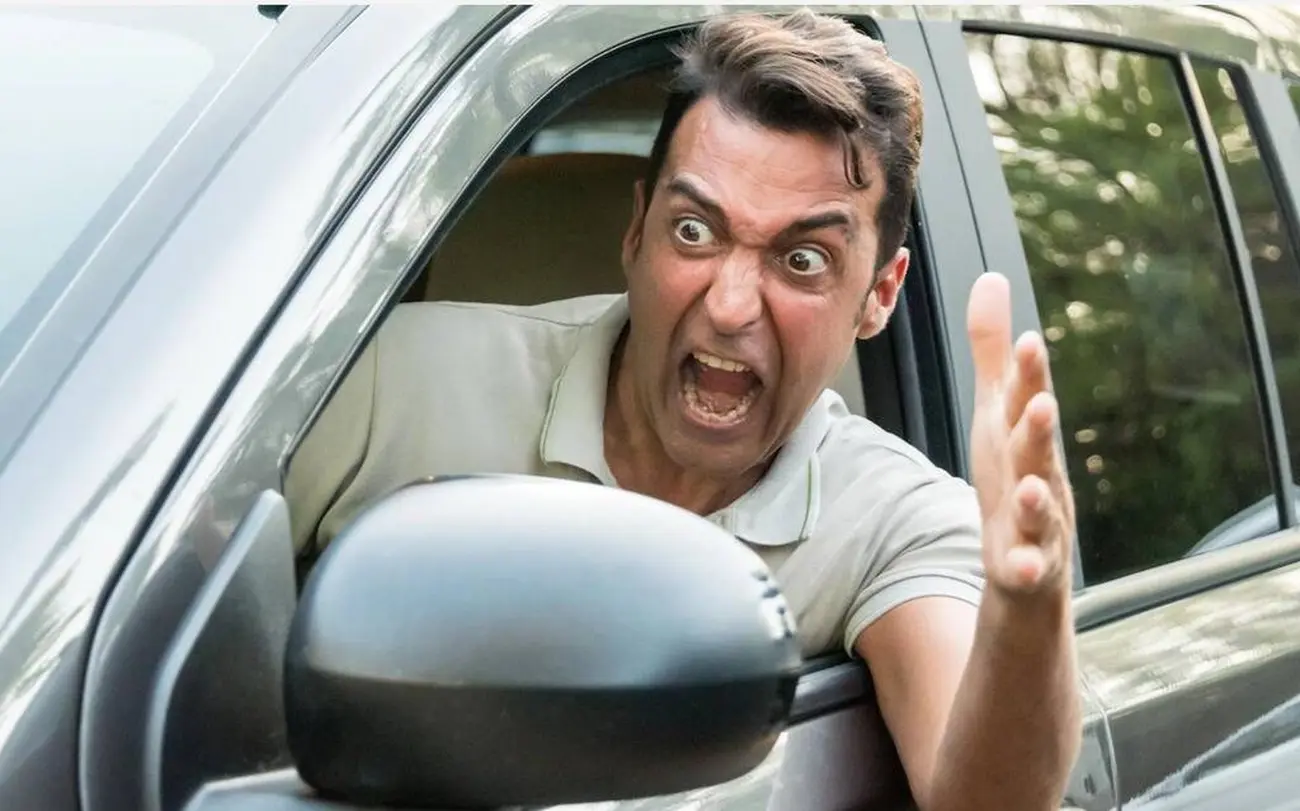
Why Do We Get Angry in Traffic? How Can We Stay Calm Behind the Wheel?
If you find yourself becoming frustrated just a few minutes after getting behind the wheel, you're far from alone. Even calm and patient people can experience stress, irritation, or anger in heavy traffic. But why does this happen?
Traffic is more than just vehicles sharing the road—it's an environment where time pressure, uncertainty, and daily stress often collide. Understanding what triggers road rage can help you stay calmer, drive more safely, and make every journey less stressful.
Why Does Traffic Make Us Angry?
Feeling frustrated in traffic is a normal psychological response. Several factors can increase stress levels while driving.
Time Pressure
One of the biggest causes of traffic-related frustration is the fear of being late.
Common situations include:
-
Driving to work
-
Heading to an important meeting
-
Picking someone up
-
Trying to reach an appointment on time
When every minute feels important, even a short delay can seem much bigger than it really is.
The more pressure you feel about time, the lower your patience tends to become.
Feeling Out of Control
People naturally prefer situations they can control.
In traffic, however, many things are outside your control, including:
-
Traffic congestion
-
Traffic lights
-
Road construction
-
Weather conditions
-
Other drivers' behavior
-
Unexpected accidents
When people lose control over a situation, the brain often responds with stress and frustration.
Small Mistakes Feel Bigger
In everyday life, minor mistakes usually don't bother us much.
On the road, however, they can feel personal.
Examples include:
-
A driver taking too long to move after a green light
-
Someone changing lanes without signaling
-
Another vehicle driving below the speed limit
-
Frequent horn use
Under stress, these situations may be interpreted as disrespect or carelessness, even when they are simply honest mistakes.
The Psychology of Anonymity
Driving creates a sense of anonymity.
Inside a vehicle, people:
-
Don't interact face-to-face
-
Feel emotionally separated from others
-
Experience fewer immediate social consequences
Psychologists refer to this as deindividuation, where people may behave more aggressively because they feel less personally accountable.
This helps explain why some drivers act in ways they never would outside their vehicles.
Daily Stress Doesn't Stay at Home
Traffic isn't always the real problem.
Many drivers bring existing stress into the car, including:
-
Work pressure
-
Financial concerns
-
Lack of sleep
-
Family responsibilities
-
Personal worries
Traffic often becomes the place where accumulated stress is finally released.
Why Road Rage Can Be Dangerous
Anger affects both thinking and driving ability.
An angry driver is more likely to:
-
Follow other vehicles too closely
-
Speed unnecessarily
-
Brake aggressively
-
Make risky lane changes
-
Ignore traffic rules
-
React emotionally instead of rationally
These behaviors significantly increase the risk of accidents.
How to Stay Calm in Traffic
Fortunately, staying calm while driving is a skill that can be developed.
Listen to Relaxing Music or Podcasts
The sounds around you can influence your mood.
Many drivers find that:
-
Soft music
-
Classical music
-
Jazz
-
Calm podcasts
-
Audiobooks
help reduce stress during long journeys.
Very loud or aggressive music may have the opposite effect.
Leave Earlier
One of the simplest ways to reduce stress is to give yourself extra travel time.
Leaving just 10 to 15 minutes earlier can:
-
Reduce the feeling of rushing
-
Lower frustration
-
Make delays feel less significant
Removing time pressure often changes your entire driving experience.
Maintain a Safe Following Distance
Driving too close to the vehicle ahead creates unnecessary tension.
Keeping a proper following distance gives you:
-
More reaction time
-
Less need for sudden braking
-
A greater sense of control
A relaxed driving style usually leads to safer decisions.
Don't Take Every Mistake Personally
Not every inconvenient action is intentional.
The driver who cuts you off may simply have:
-
Missed an exit
-
Failed to see your vehicle
-
Made an honest mistake
-
Been distracted
Reminding yourself that most incidents are not personal can prevent unnecessary anger.
Practice Deep Breathing
Simple breathing exercises can quickly reduce stress.
Try this technique while stopped safely or driving in light traffic:
-
Breathe in slowly for four seconds.
-
Hold your breath for four seconds.
-
Exhale slowly for six seconds.
-
Repeat several times.
Controlled breathing helps lower heart rate and relax the nervous system.
Minimize Distractions
Stress increases when your attention is divided.
Avoid:
-
Looking at your phone
-
Reading notifications
-
Emotional phone conversations
-
Multitasking while driving
Staying focused improves both safety and peace of mind.
Accept That Traffic Is Sometimes Unavoidable
No one enjoys traffic jams.
However, accepting that congestion is sometimes unavoidable can reduce emotional resistance.
Instead of thinking:
"Why is this happening to me?"
Try thinking:
"Traffic happens to everyone. I'll get there safely."
Changing your perspective often changes your emotional response.
Build Healthy Driving Habits
Developing consistent habits can make driving much less stressful.
Helpful habits include:
-
Planning your route before leaving
-
Checking traffic conditions in advance
-
Taking regular breaks on long trips
-
Keeping your vehicle comfortable and well-maintained
-
Avoiding unnecessary speeding
-
Being patient with other road users
Over time, these habits become automatic and reduce overall driving stress.
Why Staying Calm Makes You a Better Driver
Drivers who remain calm are more likely to:
-
Make better decisions
-
Notice hazards earlier
-
React more smoothly
-
Save fuel through gentler driving
-
Reduce wear on brakes and tires
-
Arrive feeling less tired
Calm driving benefits both safety and vehicle longevity.
Conclusion
Traffic congestion, delays, and occasional mistakes by other drivers are part of everyday driving. While you can't control road conditions or the behavior of others, you can control how you respond.
Learning to manage stress behind the wheel isn't just about feeling better—it also improves concentration, reduces accident risk, and makes every journey safer.
The next time traffic slows to a crawl, remember that your reaction matters more than the situation itself. A calm driver is not only safer but also enjoys a far more comfortable and less stressful driving experience.