TR
TR EN
EN

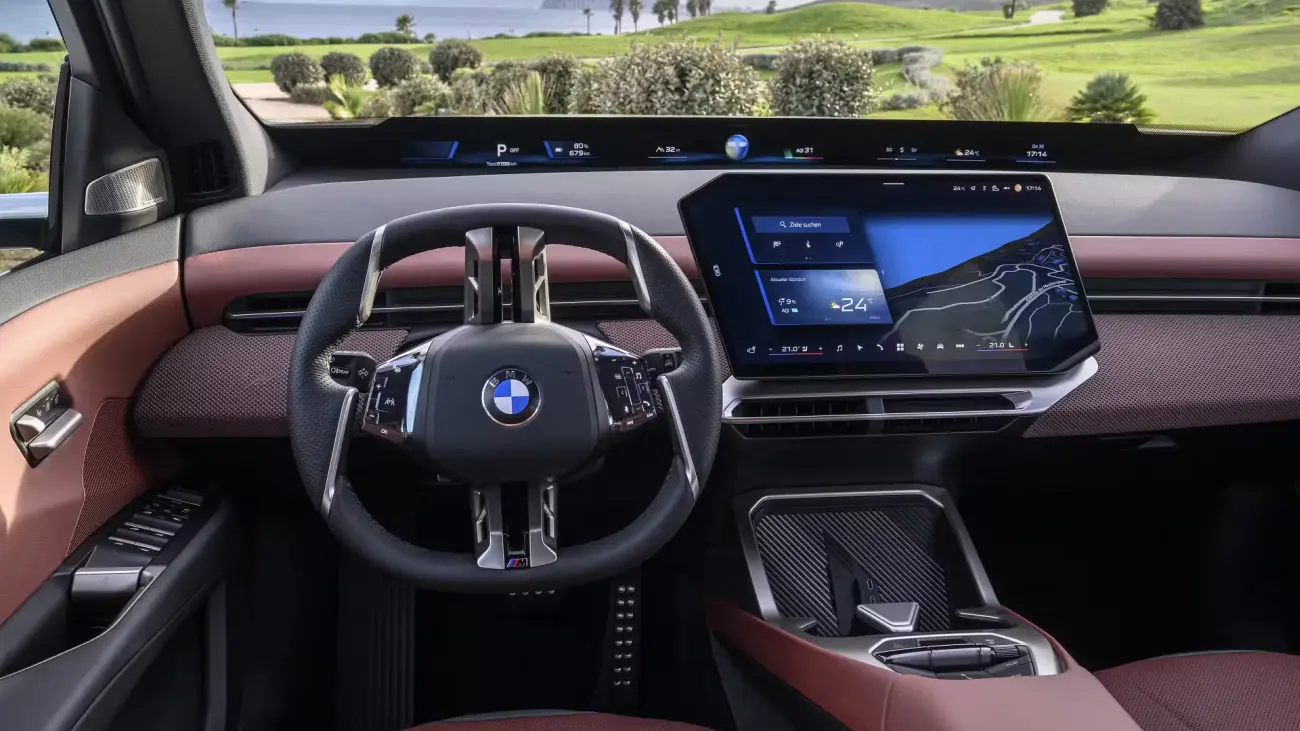
Buying the Car Is No Longer Enough: The Rise of Automotive Subscriptions
The automotive industry is undergoing a major transformation. While advances in electric powertrains and autonomous driving often dominate the headlines, another trend is quietly changing what it means to own a car: subscription-based vehicle features.
Increasingly, purchasing a new vehicle does not necessarily mean you own access to all of its capabilities. Many manufacturers are introducing software-controlled features that can be activated only after paying an additional fee.
What Is an Automotive Subscription?
Modern vehicles are essentially computers on wheels. Many hardware components are already installed at the factory, but some functions remain disabled until they are unlocked through software.
Depending on the manufacturer, drivers may be able to activate features through:
-
Monthly subscriptions
-
Annual subscription plans
-
One-time software purchases
-
Temporary feature upgrades
This approach is similar to the subscription models used by streaming services, smartphone apps, and cloud software.
Which Features May Require a Subscription?
As vehicles become more software-driven, manufacturers can enable or disable many functions remotely.
Examples of features that may be offered through subscriptions or optional software purchases include:
-
Heated and ventilated seats
-
Advanced Driver Assistance Systems (ADAS)
-
Adaptive cruise control
-
Lane centering and lane-keeping assistance
-
Enhanced parking assistance
-
Navigation services with live traffic information
-
Premium ambient lighting packages
-
Performance upgrades for electric vehicles
-
Remote smartphone functions
-
Connected vehicle services
The availability of these features varies depending on the manufacturer, vehicle model, and market.
Why Are Automakers Introducing Subscriptions?
There are two primary reasons behind this business model.
Software-defined vehicles
Modern vehicles increasingly rely on software rather than mechanical components. Manufacturers can add new functions, improve existing systems, or unlock optional features through over-the-air (OTA) updates without requiring a visit to the dealership.
Recurring revenue
Traditionally, automakers generated most of their revenue when a vehicle was sold. Subscription services create an ongoing source of income throughout the vehicle's life, allowing manufacturers to continue earning revenue long after delivery.
Which Manufacturers Offer Subscription Features?
Several major automakers have experimented with subscription-based services or software-enabled options.
Examples include:
-
BMW
-
Mercedes-Benz
-
Tesla
-
Audi
-
Volvo
-
General Motors
However, the specific features and payment models differ significantly between brands and countries. Some manufacturers have also adjusted or discontinued certain subscription programs following customer feedback.
What Are the Advantages?
Supporters of the subscription model highlight several potential benefits.
These include:
-
Lower initial vehicle prices
-
Flexibility to pay only for desired features
-
Ability to activate functions temporarily
-
Continuous software improvements
-
Access to new features after purchase
For some drivers, paying only for features they actually use may represent good value.
What Are the Criticisms?
Subscription-based features have also generated significant criticism.
Common concerns include:
-
Paying repeatedly for hardware already installed in the vehicle
-
Higher long-term ownership costs
-
Reduced sense of ownership
-
Dependence on manufacturer software and online services
-
Uncertainty about future pricing
Many customers argue that if a physical component is already included in the vehicle, it should remain permanently available after purchase.
Are Electric Vehicles Driving This Trend?
Yes.
Subscription services are becoming increasingly common in electric and connected vehicles because they are built around sophisticated software platforms.
These vehicles often support:
-
Over-the-air software updates
-
Cloud-based services
-
Remote diagnostics
-
Smartphone integration
-
Connected infotainment systems
As a result, manufacturers can introduce new features throughout the vehicle's lifetime instead of limiting updates to hardware changes.
What Could Be Subscription-Based in the Future?
Industry analysts expect software subscriptions to expand even further.
Future services could include:
-
Advanced autonomous driving capabilities
-
Premium lighting functions
-
Additional battery performance modes
-
Personalized driving profiles
-
Enhanced cybersecurity features
-
Entertainment and media packages
-
AI-powered driver assistance
As software becomes central to vehicle design, digital upgrades are likely to become an increasingly important part of vehicle ownership.
What Should Buyers Check Before Purchasing?
Before buying a new vehicle, it is worth checking:
-
Which features are included permanently
-
Which functions require a subscription
-
The cost of optional software packages
-
Whether features can be purchased outright instead of rented
-
How long connected services are included free of charge
Understanding these details can help avoid unexpected costs later.
Final Thoughts
The automotive industry is moving toward a future where software is just as important as hardware.
Owning a car may no longer guarantee access to every feature installed inside it. Instead, drivers may choose—or be required—to pay for certain capabilities through subscriptions or software upgrades.
Whether this model ultimately benefits consumers remains a topic of debate. Some drivers appreciate the flexibility, while others believe essential vehicle functions should never require recurring payments.
The bottom line: When buying a new car, don't just compare engines, equipment levels, and prices. Also check which features are included permanently and which may require ongoing payments throughout the life of the vehicle.