TR
TR EN
EN

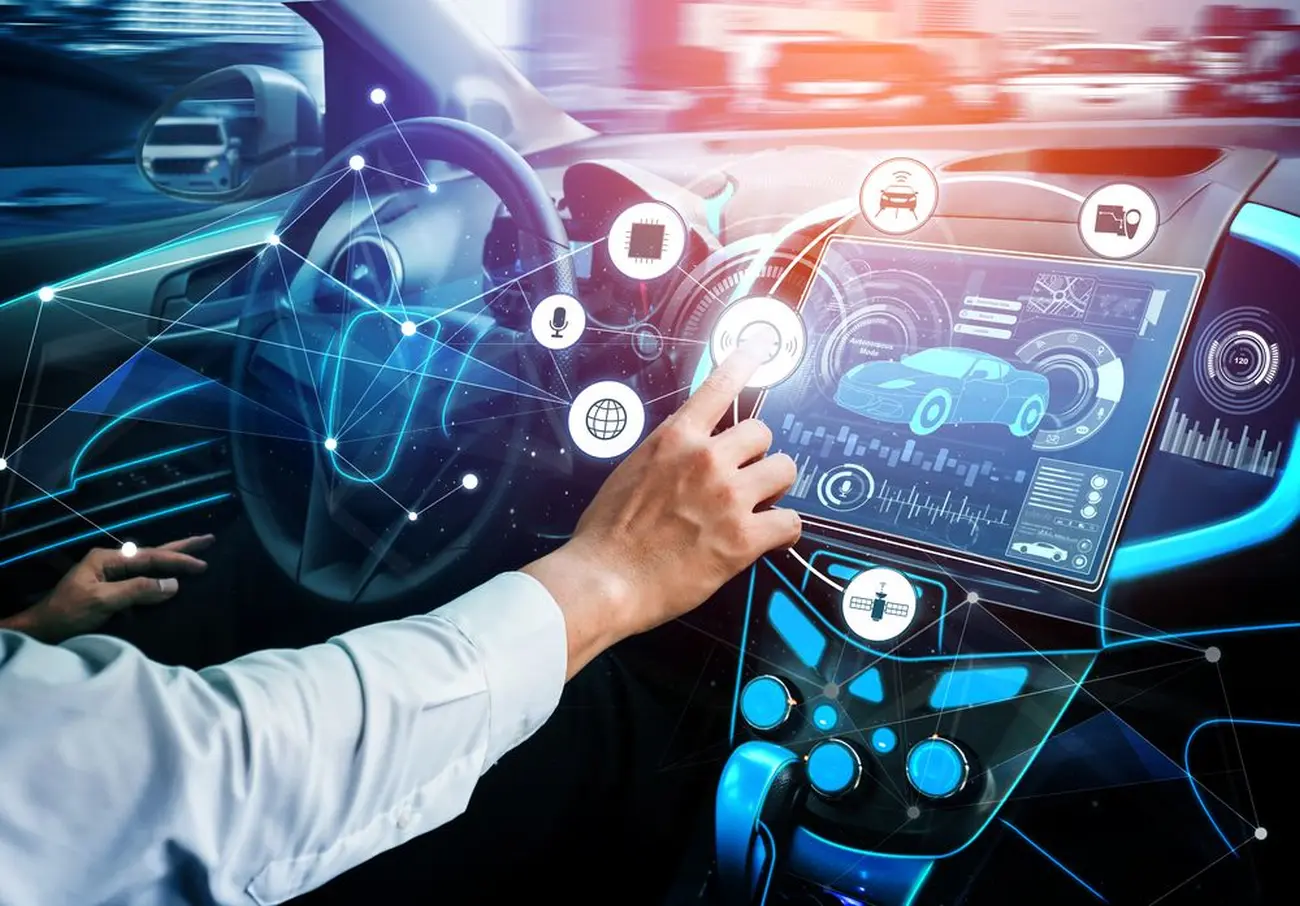
What Is an OTA Update? Can Your Car Gain New Features After You Buy It?
Modern vehicles are no longer just mechanical machines. They have evolved into software-driven devices equipped with advanced electronics, internet connectivity, and powerful onboard computers. One of the technologies making this possible is OTA (Over-the-Air) software updates.
OTA updates allow automakers to improve, fix, and even add new features to a vehicle without requiring a visit to a dealership.
What Is an OTA (Over-the-Air) Update?
An OTA update is a software update delivered to a vehicle remotely via the internet.
Instead of taking the car to a service center, the manufacturer sends new software directly to the vehicle, much like updating a smartphone or computer.
OTA updates can be used to:
-
Fix software bugs
-
Improve cybersecurity
-
Enhance vehicle performance
-
Update infotainment systems
-
Add new features
-
Improve driver assistance systems
As vehicles become increasingly software-defined, OTA updates are becoming an essential part of vehicle ownership.
How Do OTA Updates Work?
Vehicles equipped with OTA capability contain electronic control units (ECUs) connected through a central software architecture.
The update process typically follows these steps:
-
The vehicle connects to the internet through a built-in cellular connection or Wi-Fi.
-
The manufacturer sends a software package to the vehicle.
-
The driver receives a notification requesting approval.
-
The update is downloaded and installed.
-
The system restarts and activates the new software.
For safety reasons, most updates can only be installed while the vehicle is parked.
Can OTA Updates Add New Features?
Yes—but it depends on the vehicle.
Some manufacturers use OTA updates only for software fixes, while others use them to introduce entirely new capabilities.
Possible upgrades include:
-
Improved driver assistance features
-
Enhanced infotainment interfaces
-
New driving modes
-
Better parking assistance
-
Battery management improvements
-
Increased charging efficiency for electric vehicles
-
Performance optimizations
Tesla is one of the best-known examples, frequently delivering updates that improve performance, introduce new user interface features, and expand vehicle functionality long after purchase.
Which Vehicles Support OTA Updates?
Many modern vehicles now support OTA technology, although the level of functionality varies considerably between manufacturers.
Manufacturers with Advanced OTA Systems
Several automakers offer extensive OTA capabilities.
These include:
-
Tesla
-
BMW
-
Mercedes-Benz
-
Volvo
-
Polestar
-
BYD
-
Lucid
-
Rivian
These manufacturers can often update multiple vehicle systems, including safety features, infotainment software, battery management, and driver assistance functions.
Manufacturers with Limited OTA Support
Some brands provide OTA updates primarily for selected systems, such as:
-
Navigation maps
-
Infotainment software
-
Multimedia functions
-
Connected services
Depending on the model, manufacturers such as Volkswagen, Hyundai, Toyota, Ford, and others may offer partial OTA functionality rather than full vehicle software updates.
Because capabilities differ even within the same brand, buyers should always check the specifications of the specific model.
Why Is OTA Technology Becoming So Important?
Today's vehicles contain millions of lines of software code.
Instead of waiting for a new model year to introduce improvements, manufacturers can now continuously update vehicles throughout their lifespan.
Benefits include:
-
Faster bug fixes
-
Improved security
-
Better user experience
-
Longer software support
-
Continuous feature improvements
This approach allows vehicles to evolve after they leave the factory.
Are OTA Updates Free?
It depends on the update.
Many manufacturers provide essential updates at no additional cost, including:
-
Security patches
-
Bug fixes
-
Reliability improvements
-
Safety-related software updates
However, some optional features may require payment.
Examples include:
-
Heated seat activation
-
Advanced driver assistance packages
-
Performance upgrades
-
Premium navigation services
-
Enhanced connected features
Some manufacturers offer these as one-time purchases, while others require recurring subscriptions.
Are There Any Risks?
Although OTA technology is generally reliable, there are potential risks.
Possible issues include:
-
Software installation failures
-
Temporary system errors
-
Interrupted downloads due to poor internet connectivity
-
Compatibility issues after major updates
To minimize these risks, manufacturers typically include backup systems and recovery procedures that help protect the vehicle during installation.
Can OTA Updates Improve Fuel Economy?
In some cases, yes.
Software improvements may optimize:
-
Engine management
-
Transmission calibration
-
Hybrid system operation
-
Energy management
These changes can sometimes improve efficiency, although the effect is usually modest rather than dramatic.
Why Are OTA Updates Especially Important for Electric Vehicles?
Electric vehicles rely heavily on software to manage nearly every aspect of operation.
OTA updates can improve:
-
Battery management
-
Driving range optimization
-
Charging speed
-
Thermal management
-
Energy efficiency
As a result, an electric vehicle may actually become better over time through software improvements.
What Should Buyers Consider?
When purchasing a vehicle with OTA capability, it is worth asking:
-
Which systems can receive OTA updates?
-
Are updates free or subscription-based?
-
How long will software support continue?
-
Can new features be added after purchase?
-
Does the vehicle support full OTA updates or only infotainment updates?
Understanding these details can help you choose a vehicle that remains up to date for many years.
Final Thoughts
OTA technology is transforming the automotive industry by allowing vehicles to improve long after they leave the factory.
Rather than relying solely on dealership visits, drivers can now receive software improvements, security updates, and even entirely new features through an internet connection.
However, not all vehicles offer the same level of OTA functionality. Some models receive only navigation or multimedia updates, while others can gain significant performance improvements and entirely new capabilities.
The bottom line: When shopping for a new vehicle, don't just ask whether it supports OTA updates—ask what can actually be updated. As software becomes increasingly central to modern cars, OTA capability is becoming just as important as the engine, battery, or drivetrain.