TR
TR EN
EN

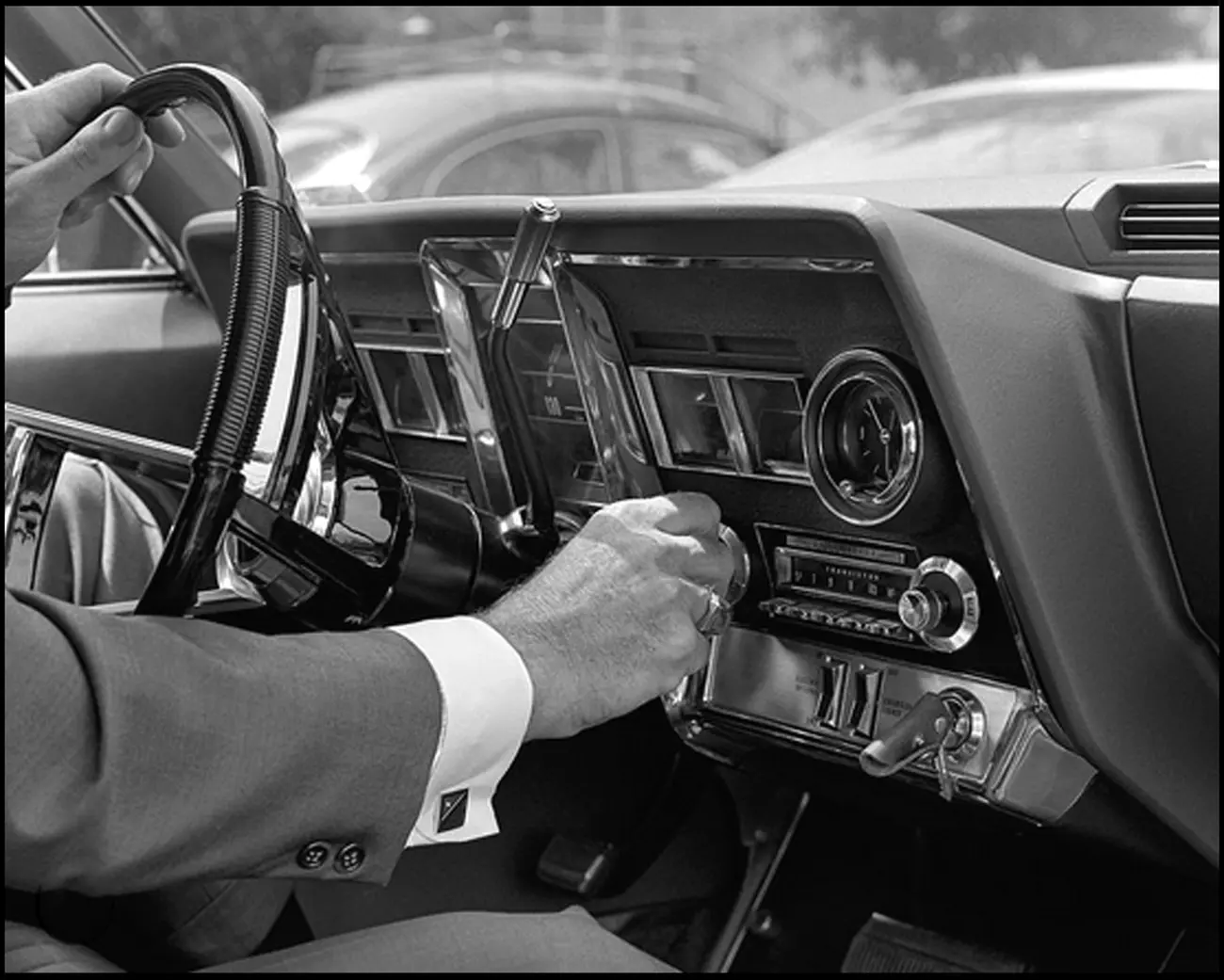
History of Car Radios (1930–2026)
Listening to music in a car may seem like a standard feature today, but it is actually the result of nearly a century of technological evolution. The history of the car radio is not only a story of innovation but also a reflection of how culture, communication, and the driving experience have changed over time.
This journey started with a simple and expensive device in the 1930s and eventually evolved into today’s advanced digital infotainment systems.
📡 1930: Where It All Started
The idea of listening to music inside a car became commercially available for the first time in 1930. The Galvin brothers, who later founded the Motorola brand, developed the first commercially successful car radio.
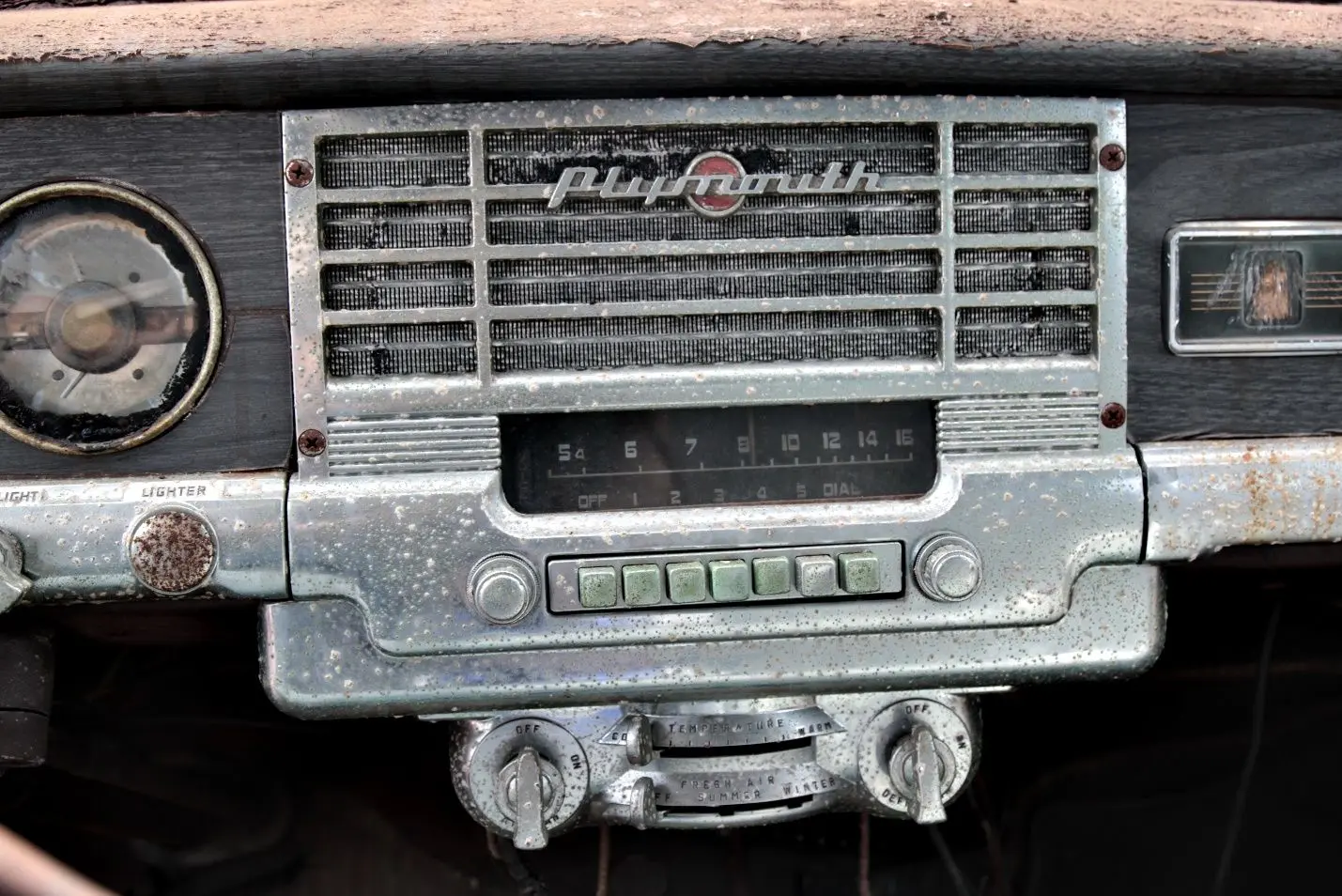
The early system:
-
Was extremely expensive for its time
-
Had a large and heavy design
-
Required aftermarket installation
It was first used in vehicles such as the Ford Model A.
Although this device was far from today’s definition of a modern radio, it became the foundation of automotive entertainment systems.
📻 1950s: Car Radios Become Common
By the 1950s, car radios became much more popular and significant technological improvements were introduced.
In 1952, Blaupunkt introduced one of the first FM radio systems designed for vehicles. Compared with AM radio, FM provided clearer sound quality and better reception.
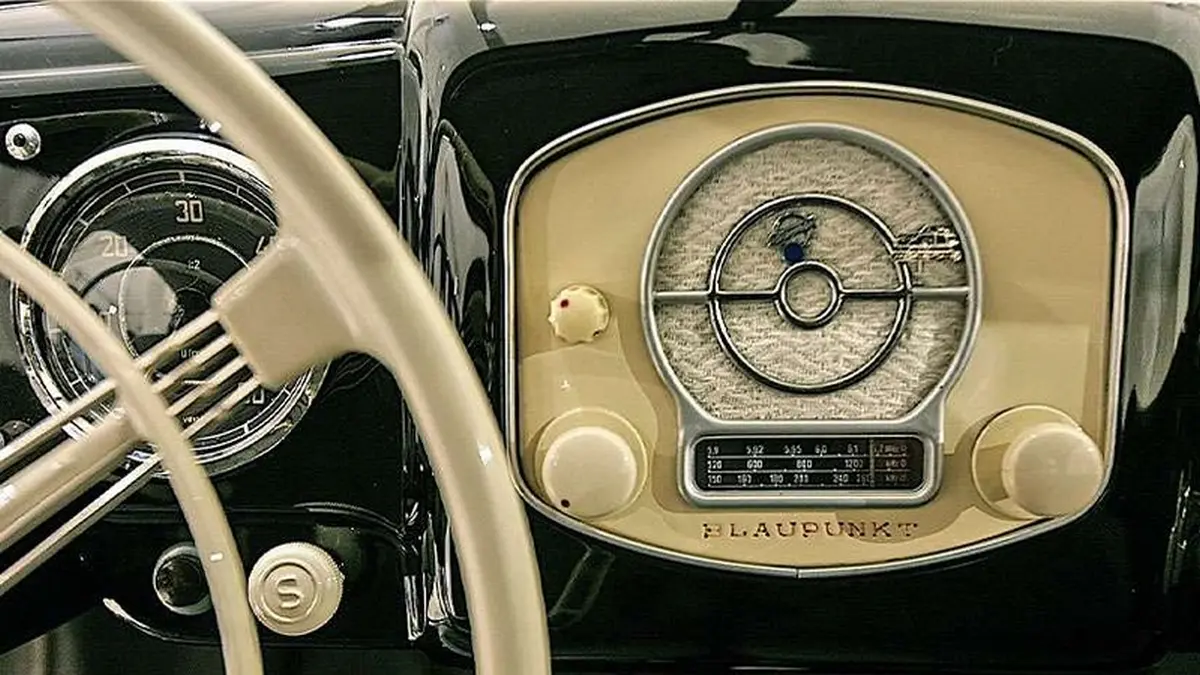
In 1953, Becker introduced the Becker Mexico model. This system was considered one of the most luxurious car radios of its era.
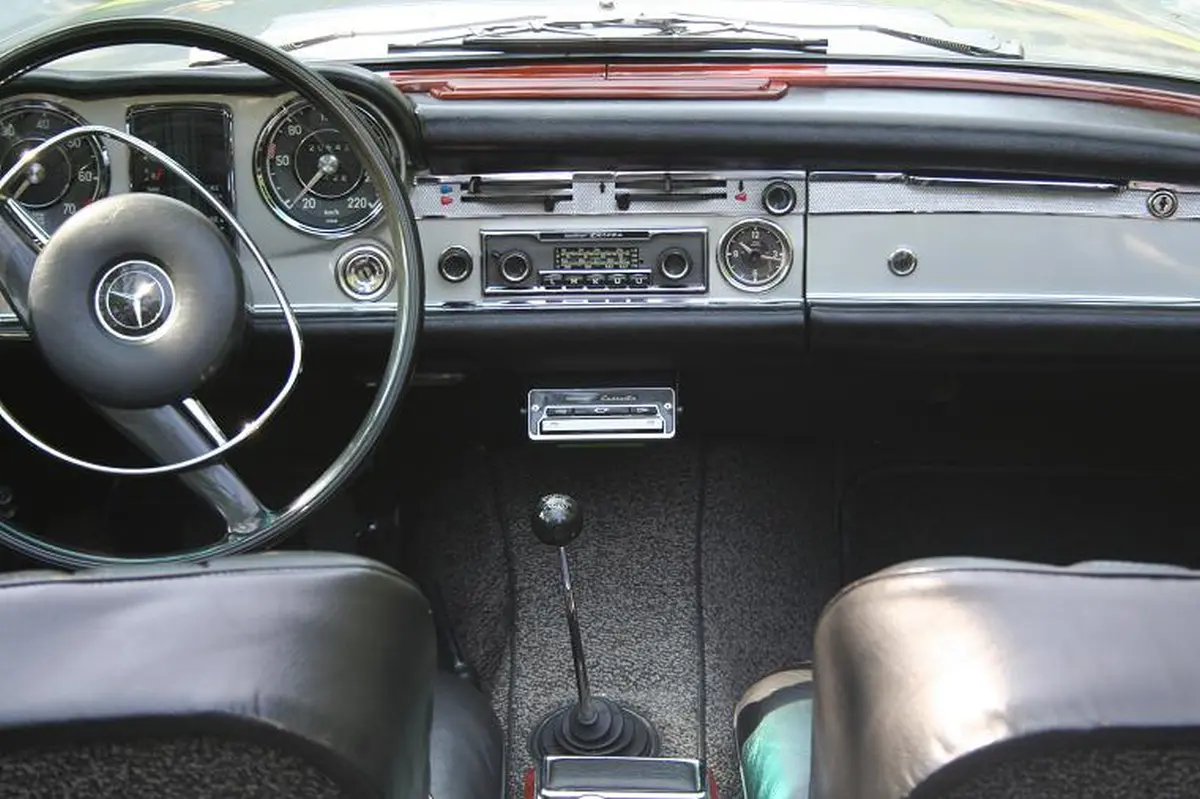
It offered:
-
AM/FM support
-
Automatic station search
-
Premium sound features
For luxury vehicles, it became a symbol of modern technology and comfort.
🎶 1955: The “Car Record Player” Experiment
In the mid-1950s, Chrysler introduced a very unusual idea: a built-in record player for luxury vehicles.
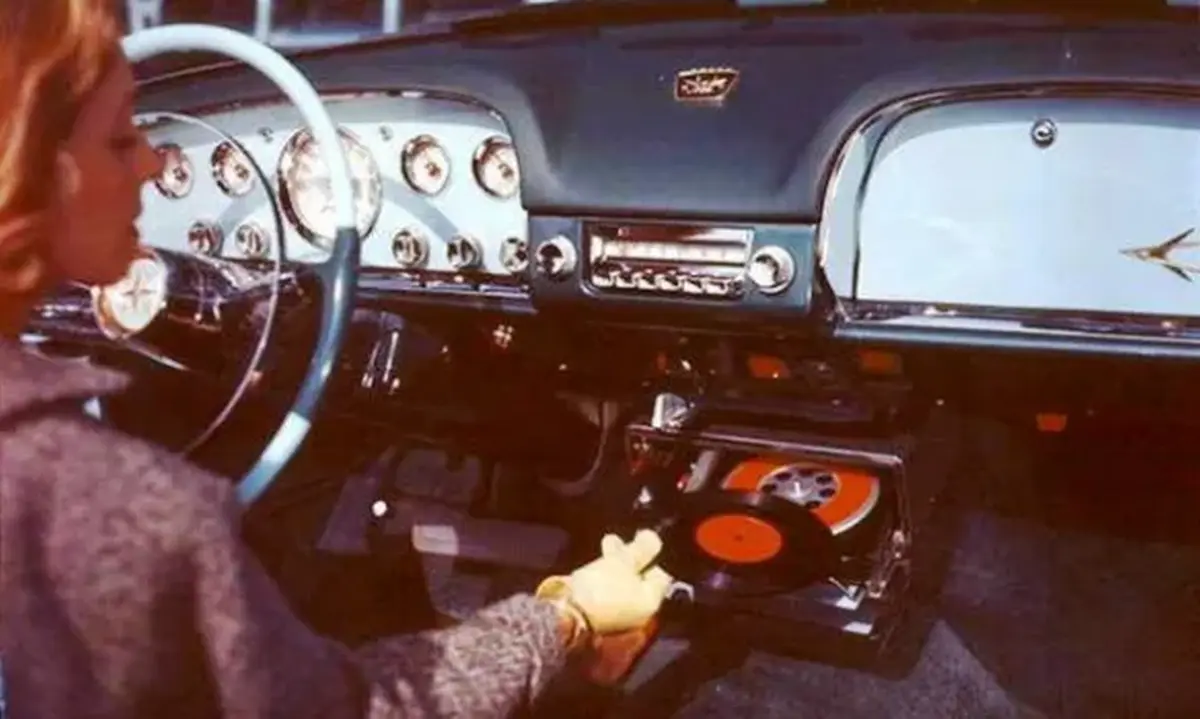
The system:
-
Used special 7-inch records
-
Provided around 45 minutes of music
-
Was designed specifically for cars
However, vibrations from driving caused constant problems. Due to reliability issues, the idea failed commercially and disappeared after a short period.
⚙️ 1960s: The Rise of Electronics
The 1960s marked a major turning point for automotive audio technology.
In 1963, fully transistorized car radios were introduced. Models such as the Becker Monte Carlo replaced older vacuum tube technology.
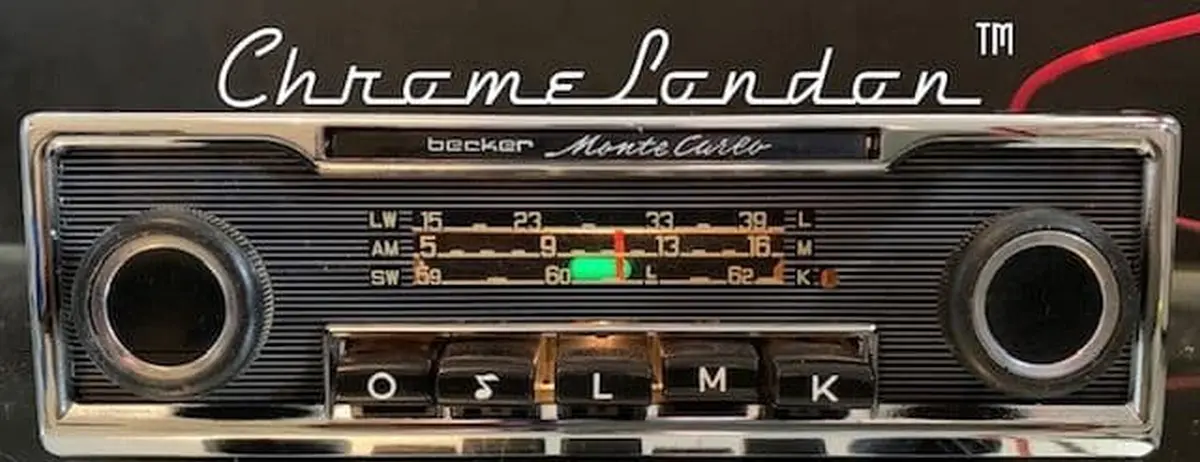
This development brought:
-
Smaller devices
-
Fewer failures
-
More stable sound quality
Transistors made car radios more practical, reliable, and suitable for mass production.
📼 1965–1970: The 8-Track and Stereo Era
In 1965, Ford and Motorola introduced the 8-track tape system.
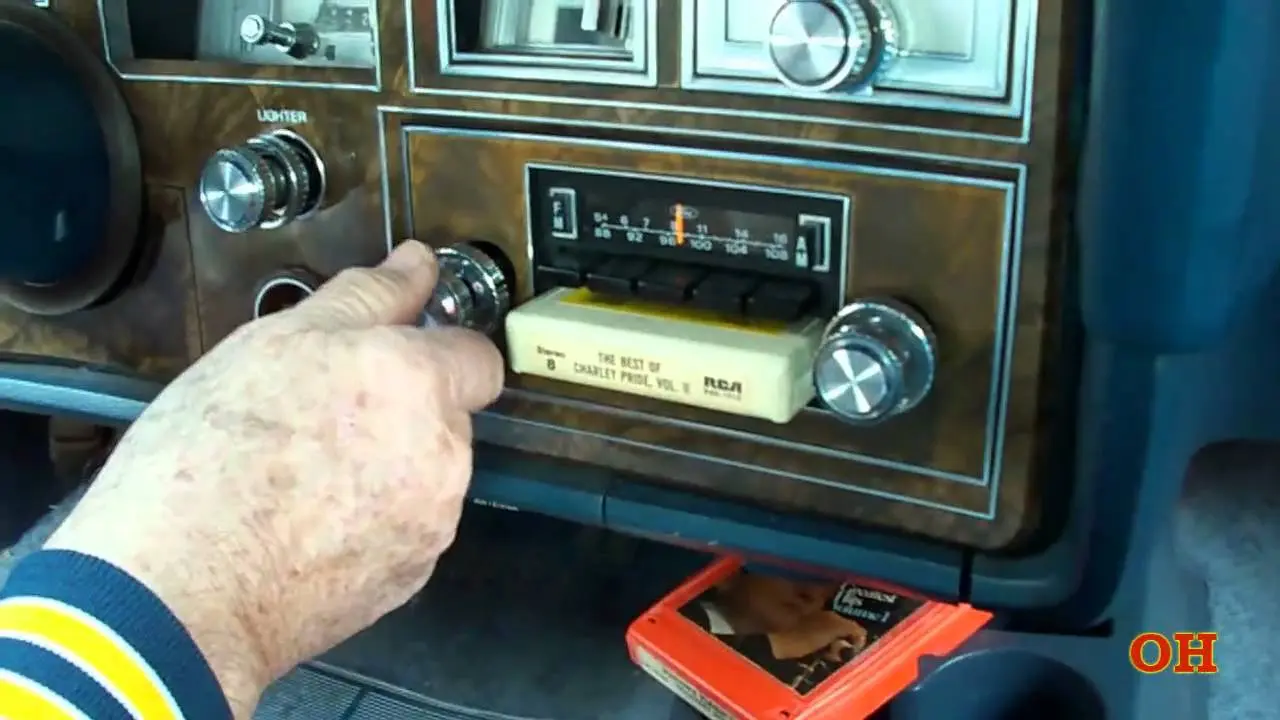
This format:
-
Became one of the most popular music systems before cassette tapes
-
Allowed drivers to play recorded music in their vehicles
-
Was eventually replaced due to its large size and limitations
By the 1980s, 8-track systems had almost completely disappeared.
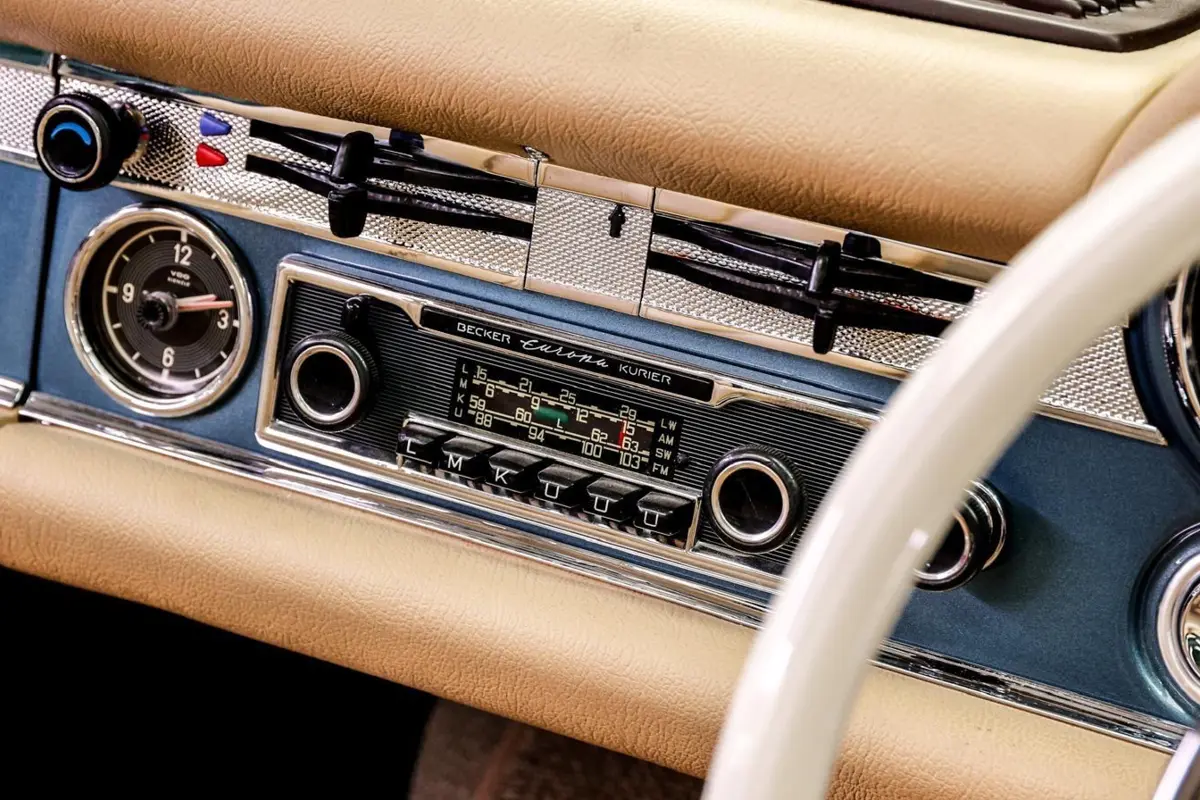
In 1969, Becker introduced the Becker Europa system for Mercedes-Benz vehicles. It was one of the first true automotive stereo systems, allowing sound to be played through two channels instead of a single mono output.
🎧 1970–1980: The Cassette Revolution
The cassette era completely changed car culture.
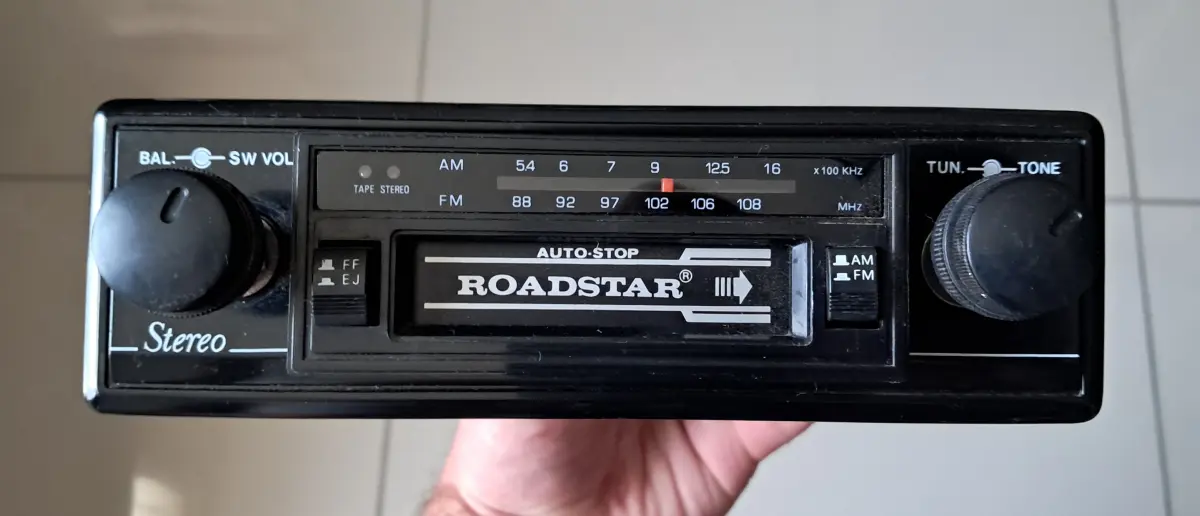
During this period:
-
The “mix tape” culture was born
-
Brands such as Alpine and Pioneer became popular
-
Aftermarket audio systems expanded rapidly
For the first time, drivers could easily create their own music collections and listen to personalized playlists while traveling.
🔊 1982: The Beginning of Premium Sound Systems
During the 1980s, car audio systems became more than just radios. They became an important part of vehicle comfort and luxury.
Bose, together with General Motors’ Delco brand, developed one of the first integrated premium factory sound systems.
This system:
-
Was designed specifically for the entire vehicle interior
-
Was used in models such as Oldsmobile, Buick, and Cadillac
-
Delivered a major improvement in sound quality
This marked the beginning of premium automotive audio systems.
💿 1985: The CD Era Begins
In 1985, the first factory-installed CD players started appearing in vehicles.
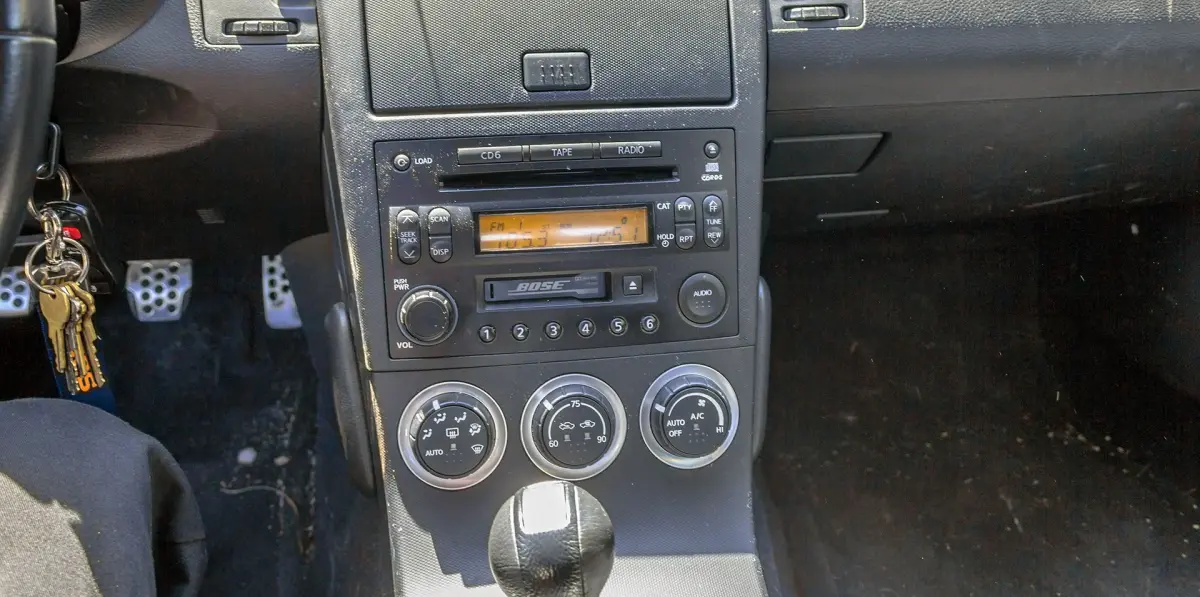
CD technology offered:
-
Cleaner sound quality
-
Better durability compared with cassette tapes
-
Digital audio performance
CD systems gradually replaced cassette players, especially in premium vehicles such as Mercedes-Benz models.
📱 Today: Digital and Connected Vehicles
Modern automotive entertainment systems have completely transformed.
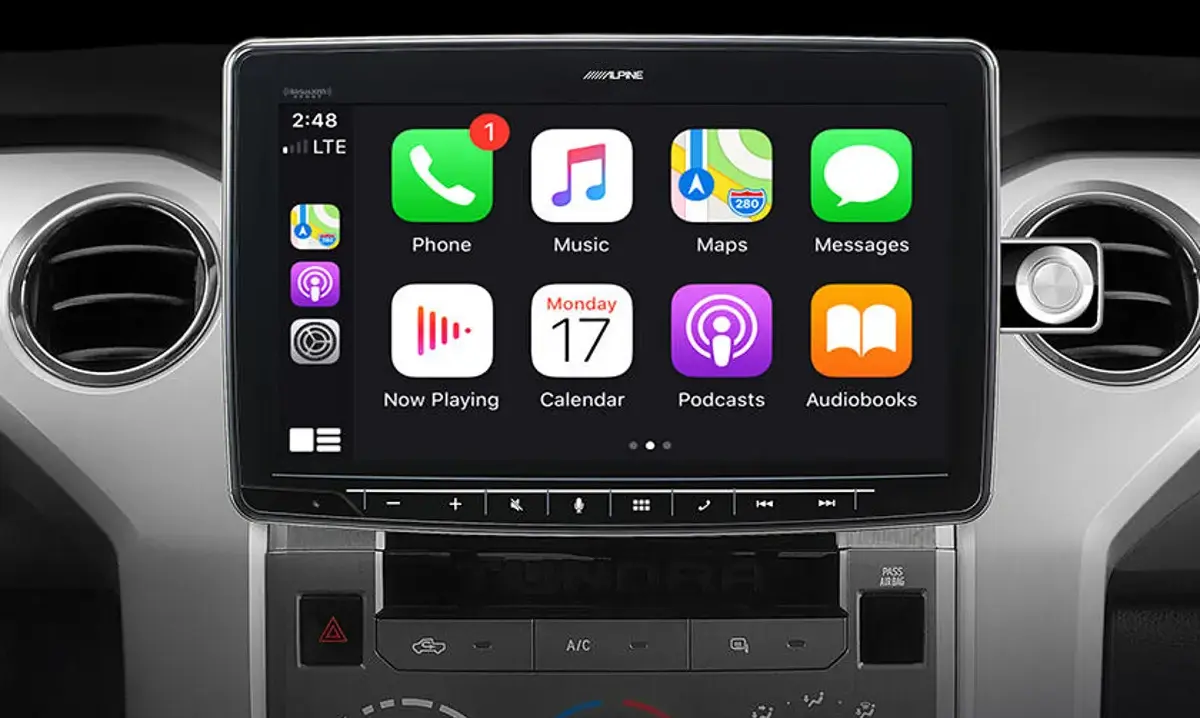
Today’s vehicles offer features such as:
-
Bluetooth connectivity
-
Apple CarPlay and Android Auto
-
Internet radio
-
Satellite services
-
Voice control
-
Online navigation and streaming
Cars are no longer just machines that play music. They have become connected digital platforms with advanced multimedia capabilities.
🧭 Conclusion: A Small Radio That Created a Big Revolution
The story of car audio began in 1930 with a large and expensive radio device. Nearly 100 years later, vehicles have transformed into mobile multimedia centers connected to the digital world.
The biggest change is clear:
👉 The car radio was not just a comfort feature. It was the starting point of today’s connected vehicle technology.
From simple AM radios to intelligent infotainment systems, automotive audio has played a major role in changing the way people experience driving.