TR
TR EN
EN

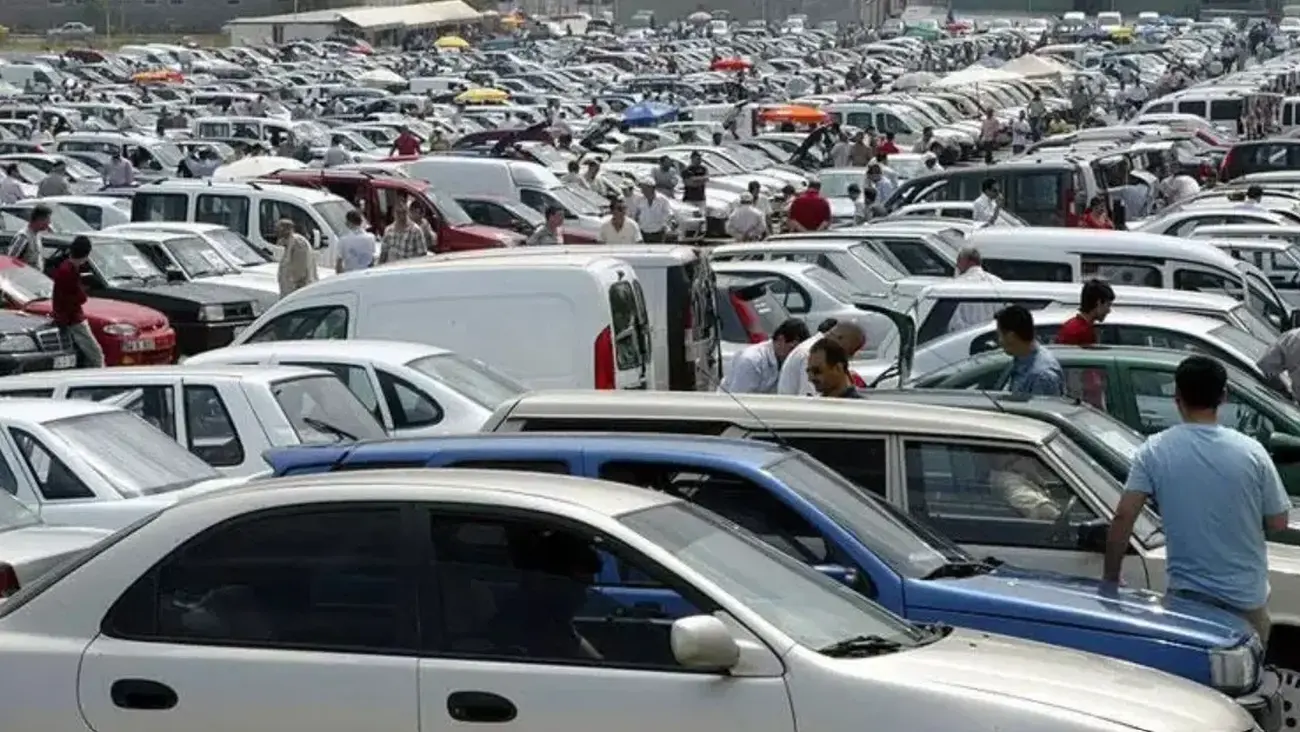
Should You Buy a 25–30-Year-Old Car? A Bargain or a Costly Mistake?
Cars that are 25 to 30 years old are often advertised as affordable alternatives in the used car market. At first glance, they may seem like an excellent way to own a vehicle without spending a fortune. However, the purchase price tells only part of the story. When buying a vehicle of this age, you are not only purchasing a car—you are also inheriting decades of maintenance history, repairs, and wear.
For that reason, there is no simple answer to whether buying a 25–30-year-old car is a good idea. A well-maintained classic daily driver can provide years of reliable service, while a neglected example can quickly become an expensive project.
The Vehicle's History Matters More Than Its Age
When evaluating an older vehicle, its maintenance history is far more important than its mileage or brand.
Two cars built in the same year can be in completely different condition. One may have received regular servicing and careful ownership, while the other may have been poorly maintained, heavily used, or involved in multiple accidents.
The most important factors include:
-
How the vehicle was used (city driving or long-distance travel)
-
Whether maintenance was performed regularly
-
Accident and repair history
-
Whether original parts or quality replacements were used
Without a clear service history, it becomes much harder to judge the car's actual condition.
Common Problems in 25–30-Year-Old Cars
Mechanical wear becomes unavoidable as vehicles age. Although not every car will develop the same issues, certain components deserve close attention.
Common problems include:
-
Engine oil consumption
-
Reduced engine compression
-
Loss of power
-
Transmission wear or rough gear changes
-
Cooling system leaks
-
Radiator corrosion
-
Worn water pump
-
Cracked coolant hoses
-
Suspension wear
-
Steering component play
-
Brake system deterioration
Rubber seals, bushings, belts, and hoses also naturally age over time, even if the vehicle has relatively low mileage.
Is the Low Purchase Price Really a Good Deal?
The biggest advantage of older cars is usually their attractive purchase price.
However, a cheap vehicle can quickly become expensive if it requires immediate repairs.
Potential costs may include:
-
Engine repairs
-
Clutch replacement
-
Suspension overhaul
-
Cooling system repairs
-
Brake system maintenance
-
Electrical troubleshooting
Instead of focusing only on the purchase price, buyers should consider the total cost of ownership.
Sometimes paying more for a well-maintained vehicle is significantly cheaper in the long run than buying the cheapest available example.
Which Older Cars Are Usually Better Choices?
Not every older vehicle should be avoided.
Many experienced buyers prefer vehicles that have:
-
Simple mechanical designs
-
Limited electronic systems
-
Good parts availability
-
Strong reliability records
-
Large owner communities
Cars with fewer electronic components are often easier and less expensive to repair than vehicles packed with aging electronic systems.
Even then, every individual vehicle should be evaluated on its own condition rather than its model alone.
Don't Judge a Car by Its Appearance
One of the most common mistakes buyers make is assuming that a clean exterior means a healthy vehicle.
A freshly polished car with spotless paint may hide serious mechanical problems.
Likewise, a vehicle with faded paint or cosmetic imperfections may be mechanically excellent if it has been maintained properly.
Always prioritize technical condition over appearance.
What Should You Inspect Before Buying?
Before purchasing a 25–30-year-old vehicle, a comprehensive inspection is strongly recommended.
Important checks include:
-
Engine compression test
-
Transmission operation
-
Cooling system pressure test
-
Suspension and steering inspection
-
Brake system inspection
-
Electrical system check
-
Rust inspection
-
Chassis condition
-
Service records
-
Accident history
If possible, have the vehicle inspected by an independent mechanic who specializes in older vehicles.
Parts Availability Is Worth Considering
Even if an older car is mechanically reliable, replacement parts may become difficult to find.
Before buying, consider:
-
Availability of OEM parts
-
Availability of aftermarket parts
-
Cost of replacement components
-
Availability of specialist repair services
Some popular models still have excellent parts support, while others may require expensive or hard-to-find components.
Fuel Economy and Safety
Older vehicles were built under different engineering standards than modern cars.
Compared with newer vehicles, they may offer:
-
Higher fuel consumption
-
Fewer safety features
-
Less crash protection
-
No electronic stability control
-
Fewer airbags
-
Older braking technology
Drivers should consider whether these compromises fit their needs before purchasing an older vehicle as a daily driver.
Final Thoughts
A 25–30-year-old car should never be judged by its age alone.
A well-maintained vehicle with documented service history, minimal corrosion, and solid mechanical condition can still provide dependable transportation. On the other hand, a neglected example with hidden problems can quickly generate repair costs that exceed its purchase price.
The smartest approach is to evaluate the vehicle based on its condition, maintenance history, and inspection results—not simply its age.
The bottom line: The most important factor isn't when the car was built—it's how well it has been cared for over the past 25 to 30 years.