TR
TR EN
EN

What Is Chassis Repair? Should You Buy a Vehicle with Chassis Damage?
One of the most important issues when buying a used vehicle is the condition of the chassis and whether any structural repairs have been performed in the past. Terms such as "chassis repaired" or "chassis correction performed" in inspection reports often create uncertainty for buyers.
Because the chassis is the main structural framework of a vehicle, any repair or modification in this area can directly affect safety. So, what exactly is chassis repair, how is it performed, and is a vehicle with chassis work worth buying?
What Is a Vehicle Chassis?
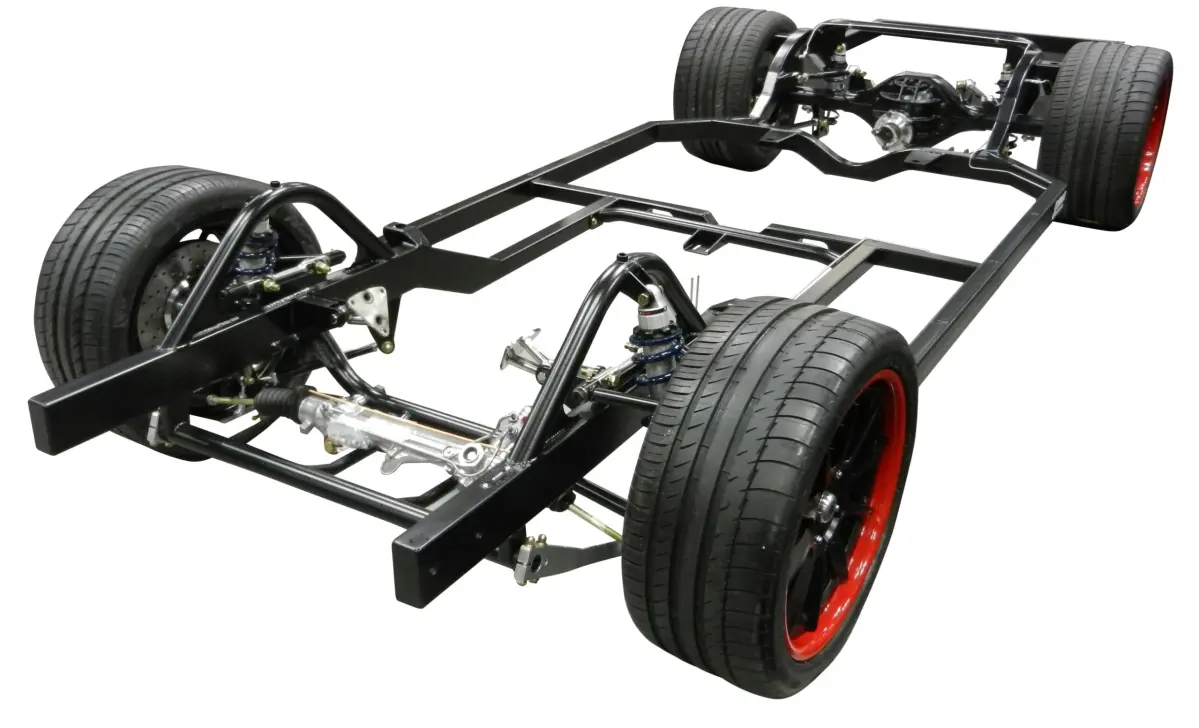
The chassis can be considered the backbone of a vehicle. The engine, suspension system, body panels, and many other components are mounted onto this structure.
During an accident, the chassis absorbs a significant amount of impact force. Therefore, any damage to the chassis can directly affect the vehicle’s overall structure, strength, and safety.
What Is Chassis Repair?
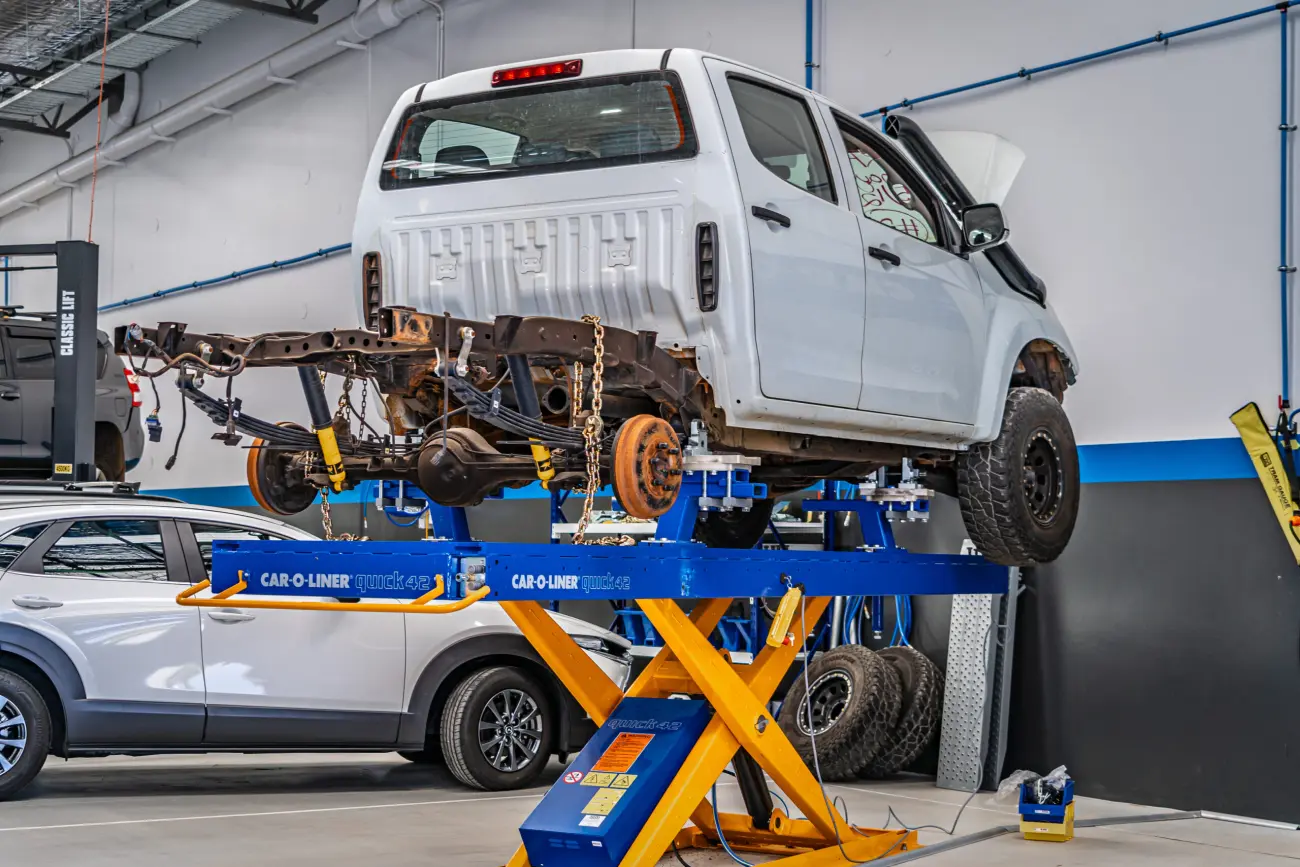
Chassis repair is the process of restoring chassis components that have been bent, distorted, or moved out of their original measurements after an accident.
This procedure is usually performed using specialized chassis straightening equipment, such as:
-
Frame straightening machines
-
Hydraulic pulling systems
-
Chassis measuring platforms
During the process, the vehicle is securely mounted and damaged areas are carefully pulled and adjusted using hydraulic equipment to bring the structure as close as possible to factory measurements.
Professional chassis repairs are performed using measuring systems to check whether the vehicle has returned to its original geometry.
However, there is an important point to understand: if a chassis has suffered serious damage, it usually cannot return to exactly the same condition as when it left the factory. Even with high-quality repairs, the original structural strength may be reduced to some extent.
What Are the Risks of a Vehicle with Chassis Repair?
The biggest concern with chassis-repaired vehicles is safety.
If the chassis is not repaired correctly, it may not distribute impact forces properly during another accident. This can significantly increase risks for passengers.
Incorrect chassis measurements can also cause various problems, such as:
-
Vehicle pulling to the left or right
-
Steering wheel not returning correctly
-
Uneven tire wear
-
Suspension problems
-
Misaligned door gaps
-
Reduced driving stability
These issues can reduce driving comfort and create additional repair costs over time.
Should You Buy a Vehicle with Chassis Damage?
The answer is not simply yes or no.
Not every chassis repair is the same. The severity of the damage and the quality of the repair are the most important factors.
A vehicle may be considered if:
-
The repair was minor
-
Only a small chassis adjustment was required
-
The work was performed professionally
-
The vehicle passes detailed structural inspections
However, the risk becomes much higher when major structural areas are involved, such as:
-
Front chassis rails
-
Structural pillars
-
Floor sections
-
Roof connection points
Situations That Should Be Considered High Risk
Extra caution is required if:
-
Chassis rails have been cut and extended.
-
A, B, or C pillars have been repaired.
-
The roof has been cut and welded.
-
Multiple chassis areas have been repaired.
-
Chassis measurements are outside factory specifications.
Vehicles with these types of repairs should generally be approached with great caution.
How Should a Chassis-Repaired Vehicle Be Inspected?
If you are considering buying a vehicle with chassis repair, a detailed inspection is essential.
A simple paint or body check is not enough.
The vehicle should be examined with:
-
Professional chassis measuring equipment
-
Lift inspection
-
Suspension and underbody checks
-
Structural connection point inspections
A report stating only "chassis repaired" does not provide enough information. You should find out:
-
Where the repair was performed
-
How extensive the repair was
-
Whether factory measurements were restored
Accident Photos Can Be Very Helpful
Photos from the vehicle’s previous accident can provide valuable information.
Seeing the original damage level helps determine whether the repair was reasonable or whether the vehicle suffered a severe structural impact.
Some vehicles may look perfectly clean from the outside while having experienced major accidents in the past.
Resale Problems with Chassis-Repaired Vehicles
Another disadvantage of chassis-repaired vehicles is resale difficulty.
These vehicles are usually harder to sell and often have lower market values compared to vehicles without structural repairs.
Even if you purchase one at a lower price, you may face the same challenge when trying to sell it later.
Conclusion
Vehicles with chassis repairs always require careful evaluation. Minor and professionally completed repairs may be acceptable in some situations, but serious chassis damage can create major safety concerns.
Before buying such a vehicle:
-
Get a detailed professional inspection.
-
Check chassis measurements.
-
Examine structural repair points.
-
Review the vehicle’s accident history.
The chassis is the backbone of a vehicle. Engine repairs, paintwork, or replaced parts can often be managed, but structural chassis problems are much more difficult and expensive to correct.
For this reason, chassis condition should always be one of the top priorities when purchasing a used vehicle.