TR
TR EN
EN

Should You Buy a Car with a Rebuilt Engine?
When shopping for a used car, one phrase that often raises concerns is "engine rebuilt" or "engine overhauled." Some buyers avoid these vehicles entirely, while others believe a properly rebuilt engine can be just as reliable as the original. The truth lies somewhere in between. A rebuilt engine can be either a smart purchase or a costly mistake, depending on how and why the work was carried out.
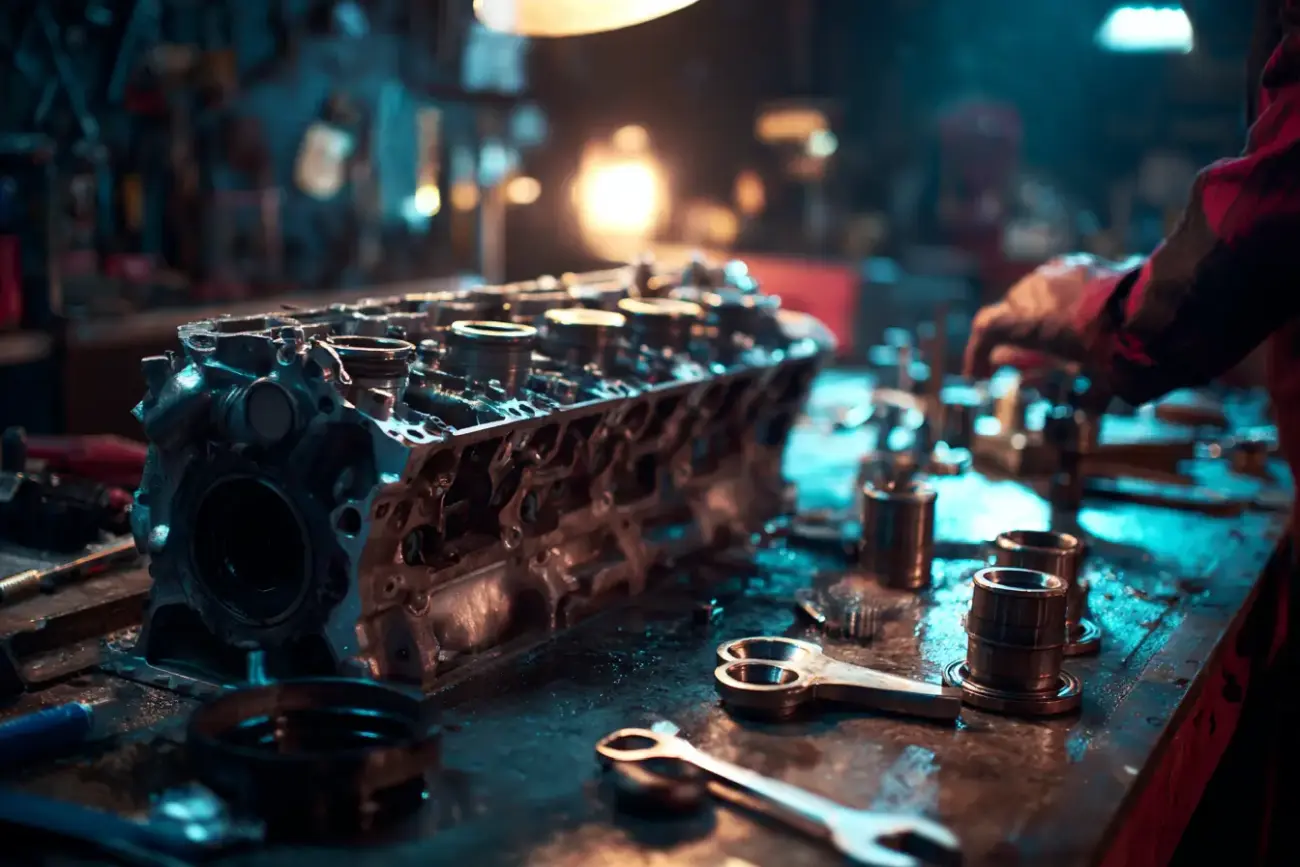
An engine rebuild (also known as an engine overhaul) involves disassembling the engine, inspecting its internal components, replacing worn or damaged parts, and reassembling it to restore performance and reliability.
What Is an Engine Rebuild?
During an engine rebuild, mechanics typically inspect or replace components such as:
-
Pistons
-
Piston rings
-
Bearings
-
Valves
-
Gaskets
-
Timing components (when necessary)
The cylinder walls may also be honed or machined to restore proper tolerances before the engine is reassembled.
The objective is to return the engine as close as possible to its original factory condition.
Why Does an Engine Need to Be Rebuilt?
There are several reasons why an engine may require rebuilding.
Common causes include:
-
High mileage and normal wear
-
Oil starvation
-
Engine overheating
-
Poor maintenance
-
Improper driving habits
-
Internal engine damage
In many high-mileage vehicles, rebuilding the engine is a practical way to extend its service life.
The Reason Behind the Rebuild Matters
One of the most important questions to ask is why the engine was rebuilt.
If the rebuild was performed because of normal wear after many years of use, it is generally considered routine maintenance for an aging engine.
However, if the rebuild followed severe engine damage—such as overheating that cracked the engine block or caused major internal failure—the potential risks may be higher.
Understanding the cause of the rebuild is just as important as knowing that it was rebuilt.
Advantages of Buying a Car with a Rebuilt Engine
A professionally rebuilt engine offers several potential benefits.
These include:
-
Many worn internal components have been replaced.
-
Engine performance may be significantly improved.
-
Oil consumption problems may be eliminated.
-
Compression can return to near-factory specifications.
-
Engine reliability may improve if quality parts were used.
In some cases, a properly rebuilt engine may even be in better condition than an original engine that has received poor maintenance.
Potential Disadvantages
The biggest concern is the quality of the rebuild.
A poorly rebuilt engine may develop problems such as:
-
Excessive oil consumption
-
Low compression
-
Engine knocking
-
Unusual mechanical noises
-
Premature component wear
The experience of the technician and the quality of the replacement parts play a major role in the long-term reliability of the engine.
Replacement Parts Matter
Not all rebuilds are performed to the same standard.
Engines rebuilt using high-quality OEM or premium aftermarket parts generally last much longer than those assembled with inexpensive, low-quality components.
For this reason, simply hearing that "the engine was rebuilt" is not enough. The quality of the work is what truly matters.
What Should You Check Before Buying?
Before purchasing a vehicle with a rebuilt engine, several important checks should be carried out.
Ask to see:
-
Repair invoices
-
Parts replacement records
-
Workshop documentation
-
Service history
These documents should clearly show which components were replaced and what work was performed.
Evaluate Engine Performance
The engine should:
-
Start easily from cold
-
Idle smoothly
-
Accelerate without hesitation
-
Produce no abnormal knocking or ticking noises
The exhaust should also be checked.
Blue smoke may indicate continued oil consumption, while excessive white or black smoke could suggest other mechanical problems.
Perform a Compression Test
A compression test is one of the most effective ways to evaluate the condition of a rebuilt engine.
Consistent compression readings across all cylinders indicate that the engine has likely been assembled correctly.
Large differences between cylinders may point to poor workmanship or internal problems.
Was the Break-In Period Followed?
A rebuilt engine requires a proper break-in (running-in) period.
During the first several hundred to several thousand miles (or kilometers), drivers should generally:
-
Avoid high engine speeds
-
Avoid full-throttle acceleration
-
Vary engine speed rather than driving at constant RPM
-
Follow the rebuilder's recommendations
If the previous owner ignored the break-in process, the rebuilt engine may have experienced premature wear.
Does a Rebuilt Engine Affect Resale Value?
In many used car markets, vehicles with rebuilt engines can be slightly more difficult to sell.
Potential buyers often ask:
-
Why was the engine rebuilt?
-
Who performed the work?
-
Were quality parts used?
Because of these concerns, resale value may be somewhat lower than that of a comparable vehicle with its original engine, even if the rebuild was professionally completed.
Conclusion
A car with a rebuilt engine can be an excellent purchase, provided the rebuild was performed correctly using quality components and proper procedures.
The key is not simply whether the engine was rebuilt, but why it was rebuilt and how well the work was done.
Before making a purchase, always:
-
Review repair documentation
-
Verify maintenance records
-
Perform a professional pre-purchase inspection
-
Request a compression test
-
Have the vehicle examined by a trusted mechanic whenever possible
Remember, the engine is the heart of any vehicle. A properly rebuilt engine can provide many years of dependable service, while a poorly executed rebuild can quickly lead to expensive repairs. Careful research and professional inspection are the best ways to make a confident buying decision.