TR
TR EN
EN

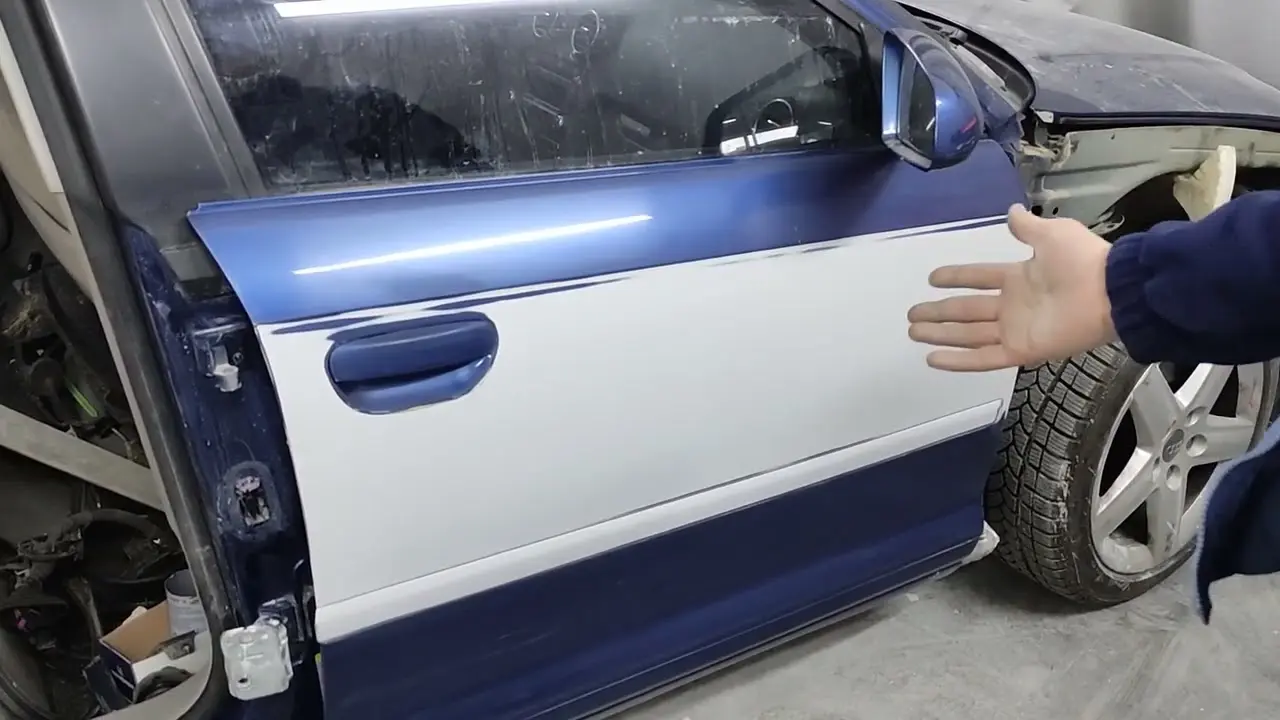
Local Paintwork in Cars: Impact on Resale Value
When buying or selling a used car, one of the most frequently discussed topics is the condition of the vehicle's paint. One term that often comes up is local paintwork, which is sometimes misunderstood by buyers and sellers alike. While some consider it a minor cosmetic repair, others worry that it significantly reduces a vehicle's resale value. So, what is local paintwork, how is it performed, and how much does it actually affect a car's value?
What Is Local Paintwork?
Local paintwork is a repair technique in which only the damaged section of a body panel is repainted, rather than repainting the entire panel. It is commonly used to repair minor cosmetic damage such as:
-
Scratches
-
Scuff marks
-
Small dents
-
Paint chips
The primary goal is to restore the damaged area while preserving as much of the vehicle's original factory paint as possible.
For example, a small scrape on a door corner, a minor bumper scratch, or a shallow dent on a fender can often be repaired with local paintwork instead of repainting the entire panel.
How Is Local Paintwork Performed?
The damaged area is carefully prepared before new paint is applied.
The repair process typically includes:
-
Repairing the damaged surface
-
Sanding the affected area
-
Applying primer if needed
-
Matching the original paint color
-
Blending the new paint into the surrounding area
-
Applying a clear coat and polishing
When carried out by an experienced technician, the repaired area blends naturally with the original finish and is often difficult to detect.
Can You Tell If a Car Has Had Local Paintwork?
High-quality local paintwork is usually very difficult to notice without a detailed inspection.
However, poor-quality repairs may leave visible signs such as:
-
Slight color differences
-
Uneven gloss
-
Orange peel texture
-
Visible blend lines
-
Color variations under direct sunlight
These imperfections can affect the vehicle's appearance and may raise concerns among potential buyers.
Does Local Paintwork Affect Resale Value?
The impact on resale value depends largely on the extent of the repair and the reason it was performed.
If local paintwork was done to repair a small cosmetic scratch or minor parking damage, the effect on resale value is generally minimal. Many buyers consider this normal wear and tear, especially on vehicles that are several years old.
Plastic Parts Usually Have Little Impact
Local paintwork on plastic components, such as:
-
Front bumper
-
Rear bumper
is generally not considered a significant issue because these parts are naturally more susceptible to minor impacts and scratches.
Metal Body Panels Receive More Attention
Paint repairs on metal body panels often attract closer inspection.
These include:
-
Doors
-
Fenders
-
Hood
-
Quarter panels
When buyers discover paintwork on these panels, they may question whether the vehicle has previously been involved in an accident. As a result, they may negotiate a lower purchase price.
Local Paintwork Is Different from Repainting an Entire Panel
It is important to distinguish between local paintwork and full-panel repainting.
Local paintwork affects only a small damaged area, while a full repaint covers the entire panel.
Because it involves less extensive repairs, local paintwork typically has a much smaller impact on resale value than a complete panel repaint.
What Causes Significant Value Loss?
The following issues generally have a much greater effect on a vehicle's market value than local paintwork:
-
Replacement body panels
-
Structural frame or chassis damage
-
Major accident history
-
Airbag deployment
-
Repairs to structural pillars (A, B, or C pillars)
These repairs may indicate more serious damage and can significantly reduce buyer confidence.
How Is Local Paintwork Detected?
A professional vehicle inspection is the most reliable way to identify local paintwork.
Inspectors typically use:
-
Paint thickness gauges
-
Specialized inspection lighting
-
Surface reflection analysis
Differences in paint thickness across a panel may indicate that a localized repair has been performed.
Experienced inspectors can also identify subtle differences in paint texture or blending.
Should You Avoid Buying a Car with Local Paintwork?
Not necessarily.
Professionally performed local paintwork resulting from minor cosmetic damage is generally not considered a serious concern.
In some cases, a properly repaired vehicle may even be more appealing than one with visible scratches or dents that have never been repaired.
What matters most is understanding why the repair was necessary.
There is a significant difference between:
-
Repairing a minor parking-lot scratch
-
Repairing damage caused by a collision
Whenever possible, ask for maintenance records or repair documentation to better understand the vehicle's history.
Conclusion
Local paintwork is a common cosmetic repair that restores minor body damage while preserving most of the vehicle's original factory paint. When performed professionally, it is often difficult to detect and typically has only a limited effect on resale value.
Rather than focusing solely on the presence of local paintwork, buyers should consider the vehicle's overall condition, including:
-
Mechanical condition
-
Structural integrity
-
Service and maintenance history
-
Accident records
-
Overall safety
A well-maintained vehicle with professionally completed local paintwork is often a better investment than a poorly maintained vehicle with completely original paint.