TR
TR EN
EN

How to Tell if a Used Car Has Odometer Fraud: The Most Common Warning Signs
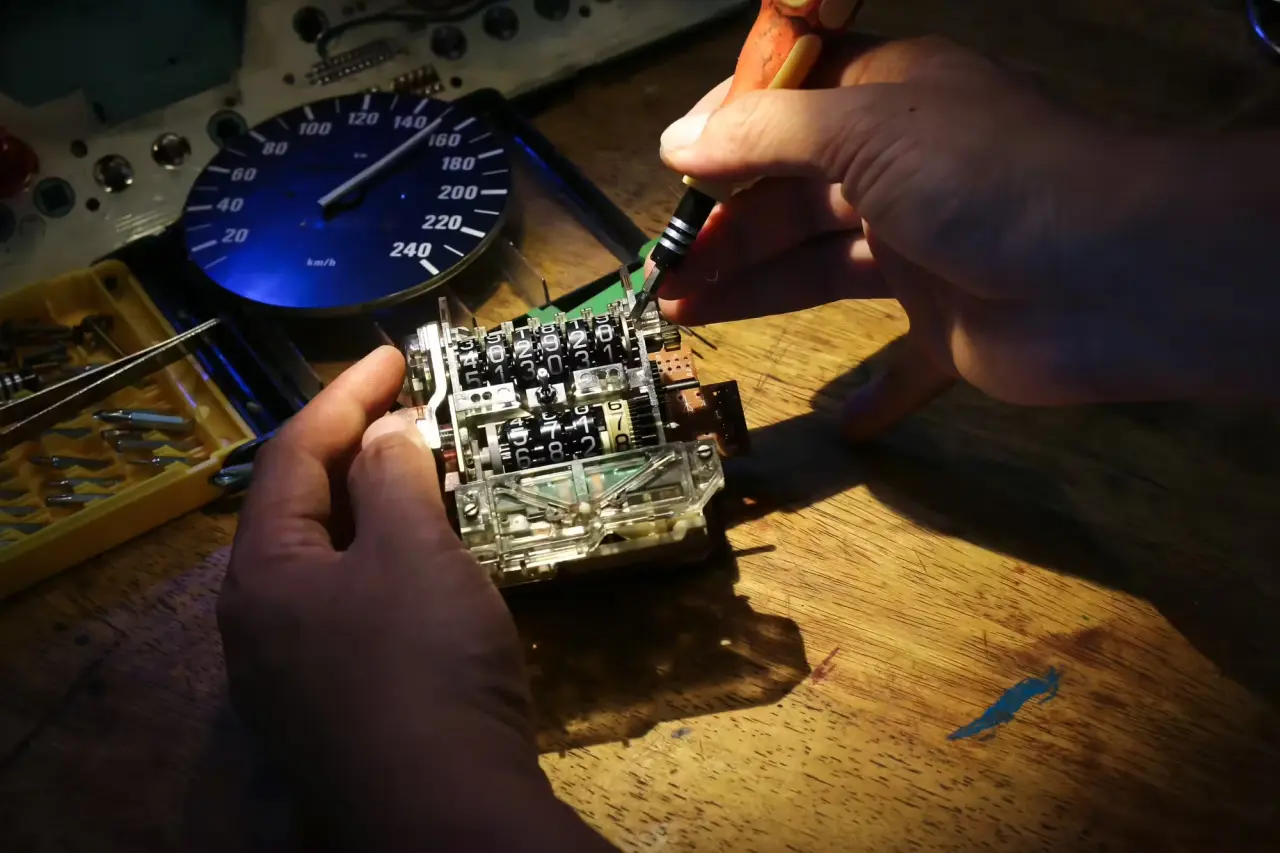
One of the most common scams in the used car market is odometer rollback, where a vehicle's recorded mileage is illegally reduced to make it appear newer and more valuable. A car that looks clean on the outside may actually have been driven far more than the odometer indicates.
So, how can you tell if a vehicle's mileage has been tampered with, and what warning signs should you look for?
Odometer rollback involves altering the mileage displayed on the instrument cluster through electronic or software manipulation. Modern vehicles make this process more sophisticated than ever, meaning you often cannot determine the truth simply by looking at the dashboard.
For this reason, it's essential to examine several other indicators before buying a used vehicle.
Check Steering Wheel, Gear Shift, and Pedal Wear
One of the best clues to a vehicle's actual mileage is the condition of its interior.
A genuinely low-mileage car typically has minimal wear on frequently touched components such as:
-
Steering wheel
-
Gear shift knob
-
Pedal rubber covers
-
Center armrest
Be cautious if you notice:
-
A shiny or heavily polished steering wheel
-
Worn gear knob
-
Smooth or worn-out pedal covers
-
Noticeable wear on the armrest
For example, if a vehicle claims to have only 50,000 miles (80,000 km) but the steering wheel shows significant wear, the mileage may not be accurate.
Inspect the Driver's Seat and Cabin Condition
The driver's seat experiences the most daily use, making it another useful indicator.
Signs of excessive use include:
-
Flattened seat cushions
-
Torn or cracked side bolsters
-
Sagging headliner
-
Faded or heavily worn door switches
A vehicle advertised with unusually low mileage but showing extensive interior wear deserves a closer inspection.
Review Inspection and Vehicle History Records
One of the most reliable ways to verify mileage is by reviewing historical records.
Look for:
-
Government inspection records
-
Emissions inspections
-
Registration history
-
Vehicle history reports
For example, if the records show:
-
2023: 149,000 miles (240,000 km)
-
2025: 99,000 miles (160,000 km)
the odometer has almost certainly been rolled back.
Maintenance records can also provide valuable mileage history.
Check Authorized Service Records
Vehicles serviced regularly at authorized dealerships often have their mileage recorded during every maintenance visit.
Ask for:
-
Service invoices
-
Maintenance records
-
Digital service history
Consistent records make mileage verification much easier.
Scan the Vehicle's Electronic Modules
Many modern vehicles store mileage information in more than just the instrument cluster.
Mileage data may also be recorded in:
-
Engine Control Module (ECM)
-
Transmission Control Module (TCM)
-
Body Control Module (BCM)
-
Other electronic control units
A professional diagnostic scan can sometimes reveal inconsistencies between these modules.
However, highly sophisticated fraud may involve modifying multiple control units, so this method is not always foolproof.
Examine Tires and Wear Items
The condition of wear components can reveal whether the claimed mileage is realistic.
Pay attention to:
-
Tire age and tread wear
-
Brake rotor wear
-
Headlight condition
-
Climate control buttons
-
Window switches
Excessive wear on these components may indicate much higher actual mileage.
Evaluate Mechanical Condition
Vehicles with rolled-back odometers often feel mechanically more worn than expected.
Potential warning signs include:
-
Noisy engine
-
Rough transmission shifts
-
Suspension looseness
-
Excessive vibration
-
Noticeable loss of power
If a supposedly low-mileage car drives like a high-mileage vehicle, further investigation is recommended.
Listen Carefully to the Seller
Sometimes the seller's explanations do not match the vehicle's condition.
Be cautious if:
-
The seller claims the car was "rarely driven," but the interior is heavily worn.
-
Maintenance history is incomplete or missing.
-
The seller avoids discussing the vehicle's mileage or ownership history.
Inconsistent answers should always raise questions.
Why Is Odometer Fraud a Serious Problem?
Buying a vehicle with altered mileage can result in significant financial losses because the car may:
-
Be far more worn than expected
-
Require expensive repairs much sooner
-
Be priced well above its true market value
Major components such as the engine, transmission, suspension, and drivetrain may already be nearing the end of their service life.
Conclusion
Modern odometer fraud can be extremely sophisticated, so relying solely on the dashboard reading is a mistake.
Before purchasing a used vehicle, always:
-
Review inspection and registration history
-
Verify service records
-
Inspect the interior for abnormal wear
-
Have the vehicle professionally inspected
-
Take an extended test drive
A low odometer reading does not automatically mean a vehicle has been lightly used. The key is to verify the car's actual history through documentation, physical inspection, and a comprehensive mechanical evaluation.