TR
TR EN
EN

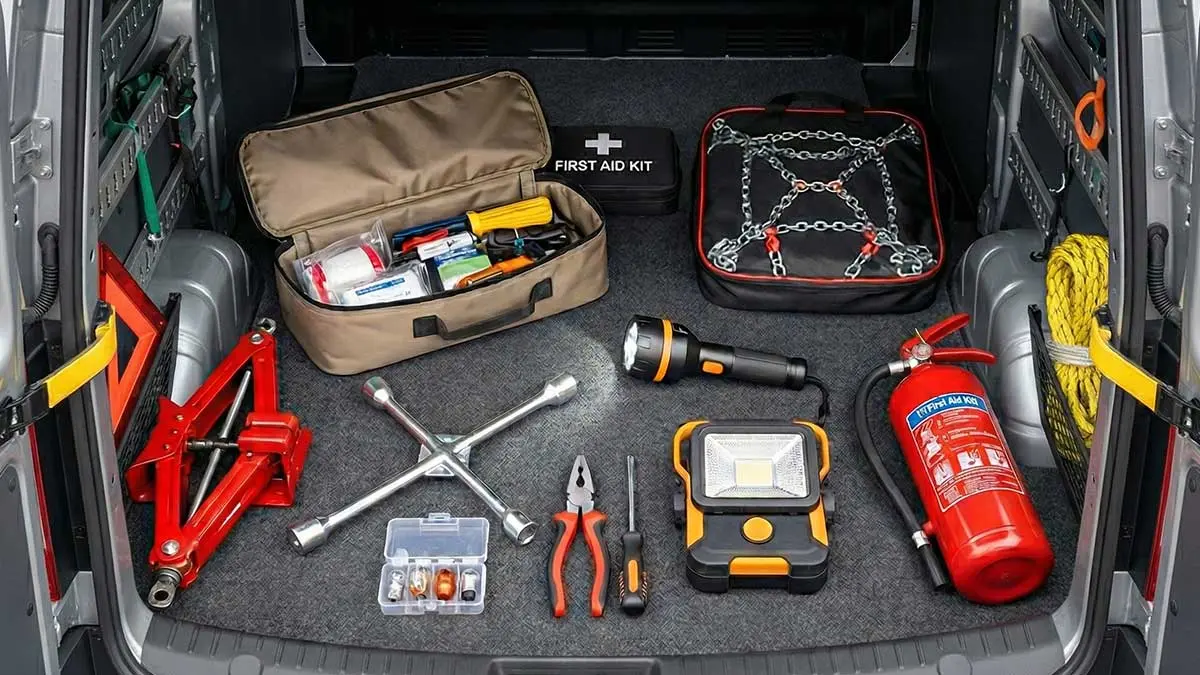
Missing One of These Items in Your Car? You Could Face a Fine
Most drivers focus on keeping their vehicles mechanically sound, but many overlook another important responsibility: carrying the mandatory safety equipment and legal documents required by law.
Whether you're driving across Europe, the United States, Canada, or many other parts of the world, traffic authorities may inspect your vehicle during roadside checks. Missing essential safety equipment can result in fines, failed vehicle inspections, or even prevent you from continuing your journey in certain situations.
Beyond legal compliance, these items can be lifesavers during emergencies such as breakdowns, accidents, fires, or severe weather.
In this guide, we'll explain which items should always be kept in your vehicle, which are legally required in many countries, and why every driver should regularly check that their emergency equipment is complete and in working condition.
Why Are Emergency Car Equipment Requirements Important?
Road accidents, tire blowouts, engine failures, and unexpected weather conditions can happen without warning.
Having the proper emergency equipment allows you to:
-
Protect yourself and your passengers
-
Warn other road users of hazards
-
Handle minor emergencies safely
-
Reduce the risk of secondary accidents
-
Comply with local traffic regulations
-
Avoid fines during roadside inspections
Many European countries have stricter equipment requirements than others, and regulations may differ from one jurisdiction to another. Before traveling internationally, it's always wise to verify the rules that apply to your destination.
Fire Extinguisher
A fire extinguisher is one of the most valuable emergency tools you can carry.
Vehicle fires can spread rapidly due to fuel, electrical wiring, plastics, and engine fluids. A small extinguisher may help control a fire before it becomes uncontrollable.
Your fire extinguisher should always:
-
Be securely mounted
-
Be easily accessible
-
Show adequate pressure
-
Be within its expiration date
-
Be suitable for automotive fires
Even in countries where carrying one isn't legally required for private cars, it is strongly recommended.
First Aid Kit
A well-stocked first aid kit is essential for treating minor injuries until professional medical help arrives.
A quality vehicle first aid kit typically contains:
-
Adhesive bandages
-
Sterile gauze
-
Elastic bandages
-
Medical gloves
-
Antiseptic wipes
-
Scissors
-
Tweezers
-
Emergency blanket
-
CPR face shield
-
Adhesive tape
Several European countries legally require first aid kits inside passenger vehicles.
Warning Triangle
A reflective warning triangle alerts approaching drivers that your vehicle has stopped unexpectedly.
If your vehicle breaks down, place the triangle at a safe distance behind the vehicle according to local regulations.
Some countries require:
-
One warning triangle
-
Two warning triangles
-
Additional warning devices for commercial vehicles
Using warning triangles greatly reduces the risk of secondary collisions, especially at night or during poor weather.
High-Visibility Safety Vest
Many European countries require drivers to wear a reflective safety vest before exiting a disabled vehicle on highways or busy roads.
A high-visibility vest makes drivers significantly easier to see in darkness, fog, rain, or snow.
Keeping one vest for every passenger is an excellent safety practice.
Spare Tire or Tire Repair Kit
Flat tires remain one of the most common roadside emergencies.
Depending on your vehicle, you may have:
-
A full-size spare tire
-
A temporary spare ("donut")
-
Tire sealant kit
-
Portable air compressor
-
Run-flat tires
Whatever system your vehicle uses, make sure it is complete and functional before traveling.
Jack and Lug Wrench
A spare tire is useless without the proper tools to install it.
Always verify that your vehicle includes:
-
Vehicle jack
-
Lug wrench
-
Wheel lock key (if applicable)
Practice locating these tools before you actually need them.
Tow Rope or Tow Strap
A heavy-duty tow strap or tow rope can help move a disabled vehicle to safety when used correctly.
While professional roadside assistance is often the safest option, carrying recovery equipment may prove useful in remote areas.
Always ensure the equipment matches your vehicle's weight rating.
Basic Tool Kit
Keeping a small toolkit inside your vehicle allows you to address minor roadside issues.
Useful tools include:
-
Screwdrivers
-
Adjustable wrench
-
Pliers
-
Utility knife
-
Multi-tool
-
Socket set
-
Electrical tape
-
Zip ties
These tools often solve small problems before they become larger ones.
Spare Fuses and Light Bulbs
Lighting failures can occur without warning.
Carrying spare fuses—and, where applicable, replacement bulbs—can help restore critical lighting systems such as:
-
Headlights
-
Brake lights
-
Turn signals
-
Parking lights
Modern LED-equipped vehicles may not allow simple bulb replacement, but spare fuses remain useful.
Flashlight
A powerful LED flashlight is one of the most overlooked emergency tools.
It becomes invaluable when:
-
Changing a tire at night
-
Inspecting the engine
-
Reading road signs
-
Signaling for assistance
-
Looking underneath the vehicle
Rechargeable flashlights or models with long-lasting batteries are ideal.
Jumper Cables or Portable Jump Starter
Dead batteries are among the leading causes of roadside breakdowns.
Every driver should consider carrying either:
-
Jumper cables
-
A portable lithium jump starter
Portable jump starters have become increasingly popular because they eliminate the need for another vehicle.
Wheel Chocks
Wheel chocks prevent a parked vehicle from rolling.
Although primarily required for commercial vehicles and trailers, they are useful for passenger vehicles parked on steep hills during maintenance.
Snow Chains
Drivers who travel through mountainous or snowy regions should keep tire chains available during winter.
In many European countries, authorities may require chains during severe weather.
Snow chains improve traction on:
-
Ice
-
Packed snow
-
Mountain roads
Always practice installing them before your trip.
Emergency Blanket
An emergency thermal blanket can help retain body heat if you become stranded in cold weather.
It takes up almost no space and can be lifesaving during winter emergencies.
Portable Phone Charger
Modern drivers rely heavily on smartphones for:
-
GPS navigation
-
Emergency calls
-
Roadside assistance
-
Weather updates
A charged power bank ensures your phone remains operational if your vehicle's electrical system fails.
Mandatory Vehicle Documents
In addition to safety equipment, drivers should always carry the necessary legal documents.
Depending on your country, these may include:
Driver's License
A valid driver's license appropriate for the vehicle being operated.
Vehicle Registration
Proof that the vehicle is legally registered.
Proof of Insurance
Most countries require drivers to carry valid insurance documentation, either in paper or digital form where permitted.
Vehicle Inspection Certificate
Many countries require periodic technical inspections, and proof of inspection may be requested during roadside checks.
International Driving Permit (When Applicable)
Drivers traveling abroad may need an International Driving Permit alongside their national license.
Can You Be Fined for Missing Equipment?
Yes.
Traffic authorities in many countries may issue fines if mandatory equipment is missing.
Possible consequences include:
-
Monetary penalties
-
Vehicle inspection failures
-
Restrictions on continuing your journey
-
Additional penalties after an accident if required equipment was absent
The exact requirements vary depending on local laws.
Emergency Equipment Every Driver Should Carry
Even if not legally required, safety experts recommend every vehicle include:
-
Fire extinguisher
-
First aid kit
-
Warning triangle
-
Reflective safety vest
-
Spare tire or repair kit
-
Jack and lug wrench
-
Flashlight
-
Jumper cables or portable jump starter
-
Tow strap
-
Basic toolkit
-
Spare fuses
-
Tire pressure gauge
-
Phone charger
-
Emergency blanket
-
Drinking water
-
Gloves
This compact emergency kit can make a significant difference during unexpected roadside situations.
Tips Before Every Road Trip
Before setting off, take a few minutes to inspect your vehicle.
Check:
-
Tire pressure
-
Spare tire condition
-
Engine oil level
-
Coolant level
-
Windshield washer fluid
-
Exterior lights
-
Battery condition
-
Emergency equipment
-
Vehicle documents
-
Insurance validity
Regular inspections reduce the likelihood of breakdowns and improve road safety.
Frequently Asked Questions
Are these items required in every country?
No. Vehicle equipment regulations differ between countries and even between states or provinces. Always check local traffic laws before traveling.
Do I need two warning triangles?
Some countries require only one, while others require additional warning devices depending on the type of vehicle.
Is a fire extinguisher mandatory?
Commercial vehicles often require one. For private passenger cars, requirements vary, but carrying one is strongly recommended regardless of local law.
Can I use a tire repair kit instead of a spare tire?
Yes. Many modern vehicles are sold without a spare tire and instead include an approved repair kit or run-flat tires.
Is carrying emergency equipment worth it?
Absolutely. The cost of maintaining a properly equipped emergency kit is minimal compared to the safety benefits it provides during roadside emergencies.
Final Thoughts
Emergency equipment is about far more than avoiding fines—it is about protecting lives. A simple warning triangle, first aid kit, flashlight, or fire extinguisher can make a critical difference when every second counts.
Before your next drive, take a few minutes to inspect both your vehicle and its emergency supplies. Ensuring that essential equipment is present, functional, and up to date not only helps you comply with local regulations but also prepares you for the unexpected.
Safe driving starts long before you turn the key. A well-equipped vehicle means greater confidence, improved safety, and peace of mind wherever the road takes you.