Engine oil is one of the most important fluids in a vehicle. It lubricates the moving parts inside the engine, reduces friction, helps control temperature, keep...
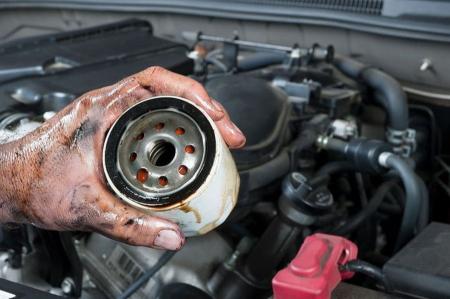
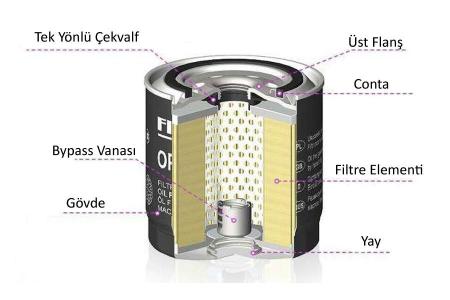
The oil filter is one of the most important components of an engine's lubrication system. Its primary function is to remove contaminants from the engine oil bef...
Engine overheating is one of the most important cooling-system problems a vehicle can experience. An engine normally operates within a specific temperature rang...
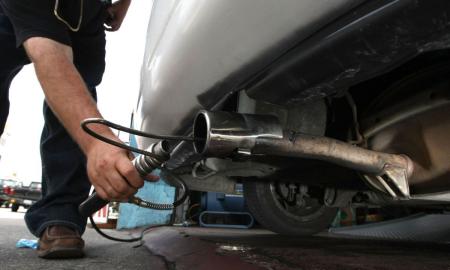
An exhaust emission test is a measurement performed to determine the amount of pollutants released by a vehicle's exhaust system. The test evaluates whether the...
Wheel alignment is one of the most important adjustments affecting a vehicle's handling, steering response, tire wear, and driving stability. When the wheels ar...
Natural gas, CNG, and LNG are all related to natural gas, but they are not exactly the same thing. The main difference between them is how the natural gas is st...
The ignition switch is one of the key components in a vehicle's electrical and starting system. It controls the electrical power supplied to many circuits when ...
The starter motor is an important component of a vehicle's starting system. Its main job is to turn the engine's crankshaft when the driver starts the vehicle. ...
A car battery is one of the most important components of a vehicle's electrical system. It provides the electrical power needed to start the engine and supports...
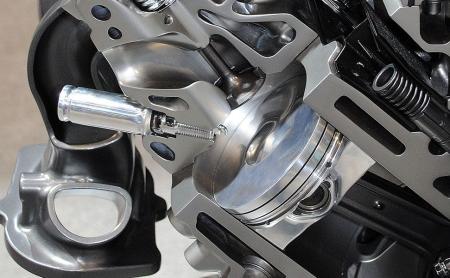
Direct injection engines have become increasingly common in modern gasoline-powered vehicles. Unlike traditional port fuel injection systems, direct injection e...
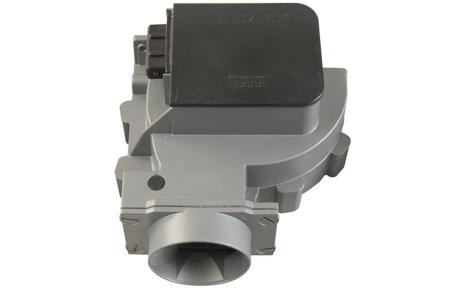
A Vane Air Flow Sensor (VAF) is an older type of air intake measurement device used in some gasoline engines to determine how much air is entering the engine. T...
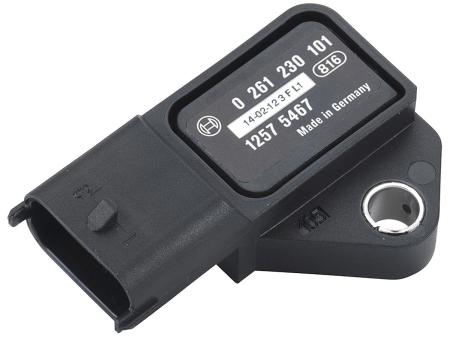
The Manifold Absolute Pressure (MAP) sensor is an important component of a modern engine management system. It measures the absolute pressure inside the intake ...
 TR
TR EN
EN