TR
TR EN
EN

How to Prevent Sun Damage on a Car's Paint?
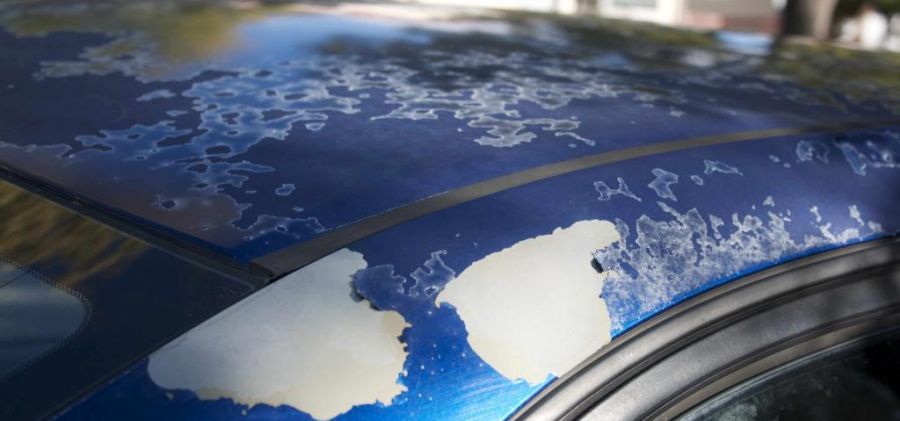
Long-term exposure to sunlight can gradually damage a vehicle's exterior paint. Fading, loss of gloss, oxidation, dullness, and eventually peeling clear coat are common problems, especially on vehicles that spend most of their time parked outdoors.
What is commonly called “sun damage” or “sunburn” on car paint is mainly related to prolonged exposure to ultraviolet (UV) radiation. High temperatures, improper washing, bird droppings, tree sap, and other environmental contaminants can accelerate the deterioration.
The good news is that proper parking, washing, and paint protection habits can significantly slow down this process.
Why Does Sun Damage Occur?
Modern automotive paint usually consists of several layers. There is a primer, a colored basecoat, and a clear coat on top.
The clear coat is the outer protective layer. It helps protect the color underneath from UV radiation, chemicals, dirt, and environmental contamination.
Over many years, continuous exposure to strong sunlight can gradually degrade the clear coat and the paint underneath it.
The first signs may be a loss of gloss or slight fading. As the damage progresses, the clear coat can become cloudy, crack, peel, or separate from the surface.
Once the clear coat has started peeling, ordinary polishing products generally cannot restore it permanently.
What Is the Best Way to Protect Car Paint From the Sun?
The most effective method is to reduce the amount of direct sunlight reaching the vehicle.
Whenever possible, park the car in:
-
A garage
-
A covered parking area
-
An underground parking garage
-
A shaded location
Reducing direct UV exposure can significantly slow down the aging of the paint.
Of course, it is not always possible to park in a protected area. In that case, additional paint protection methods become useful.
Can a Car Cover Prevent Sun Damage?
A good-quality car cover can reduce direct exposure to sunlight and provide additional protection.
However, the cover itself must be suitable for automotive use.
A dirty cover can cause scratches if dust and other particles become trapped between the cover and the paint. Repeated movement of those particles across the surface can create fine scratches.
The cover should also be suitable for outdoor use and allow appropriate ventilation. A cover that traps moisture against the vehicle for long periods can create other problems.
A clean, properly fitted cover is much safer than using a random fabric or tarp.
Do Paint Protection Products Help?
Yes.
Products designed to protect automotive paint can create a protective layer over the surface and reduce the direct impact of environmental contaminants and UV exposure.
Common options include:
-
Wax
-
Synthetic paint sealants
-
Paint protection products
-
Ceramic coatings
These products do not all provide the same level or duration of protection.
Traditional wax is generally easier and less expensive to apply, but it usually needs to be renewed more frequently. More durable coating systems can provide longer-lasting protection when properly applied and maintained.
The important point is that no product eliminates the need for proper washing and maintenance.
Can Ceramic Coating Prevent Sun Damage?
Ceramic coating can provide an additional protective layer over the paint.
A properly applied coating can help protect against UV exposure, chemical contamination, bird droppings, dirt, and other environmental factors.
However, ceramic coating should not be considered a permanent shield against sunlight.
Its performance depends on the product, preparation, application quality, environmental conditions, and maintenance.
It is also important to understand that ceramic coating cannot restore severely damaged paint. If the clear coat is already peeling or failing, applying a coating over it will not return the paint to its original condition.
Does Polishing Prevent Sun Damage?
Polishing and paint correction can improve the appearance of paint that has become dull or oxidized, but polishing itself should not be considered a permanent UV protection method.
A polishing compound removes a very small amount of the surface layer to reduce imperfections and improve clarity.
If the paint has only mild oxidation, a properly performed correction can make a significant visual difference.
However, excessive polishing can reduce clear coat thickness.
For this reason, polishing should be performed when necessary rather than repeatedly polishing the vehicle simply to maintain shine.
After polishing, applying a suitable protective product can help protect the restored surface.
What Should You Do If Sun Damage Has Already Started?
The first step is to determine how severe the damage is.
If the surface is simply dull, faded, or lightly oxidized, professional paint correction may improve its appearance considerably.
The situation is different if the clear coat is:
-
Peeling
-
Cracking
-
Bubbling
-
Flaking
-
Separating from the paint
-
Completely missing in certain areas
At this stage, polishing will usually not provide a permanent solution.
The damaged area may need to be sanded, prepared, primed where necessary, and repainted.
Can Regular Washing Prevent Sun Damage?
Regular washing cannot completely prevent UV-related paint deterioration, but it can help protect the paint from other damaging factors.
Contaminants such as bird droppings, tree sap, insects, road grime, and industrial fallout can remain on the paint and cause damage.
This becomes especially important during hot weather because heat can accelerate the chemical interaction between certain contaminants and the paint surface.
Regular cleaning helps prevent these substances from remaining on the vehicle for extended periods.
How Should You Wash a Car to Protect Its Paint?
The washing method itself can have a major effect on paint condition.
Using a dirty sponge, rough brush, or contaminated cloth can create thousands of tiny scratches over time.
A better approach is to use:
-
Automotive shampoo
-
Clean microfiber wash mitts
-
Clean drying towels
-
Separate materials for heavily contaminated areas
Avoid wiping a heavily dusty vehicle with a dry cloth. Dirt particles can be dragged across the surface and create scratches.
The vehicle should also be washed when the paint is reasonably cool.
Should You Wash the Car in Direct Sunlight?
It is generally better to avoid washing a vehicle when the bodywork is extremely hot.
Water and cleaning products can dry rapidly on hot paint, leaving water spots or chemical residues.
Washing in the shade or when the vehicle surface is cooler gives you more time to rinse and dry the car properly.
Cleaning products should never be allowed to dry on the paint unless their instructions specifically allow it.
Can Bird Droppings Accelerate Paint Damage?
Bird droppings are not the direct cause of UV-related sun damage, but they can seriously damage automotive paint.
When bird droppings remain on hot paint for an extended period, they can etch into the clear coat and leave permanent marks.
This is why bird droppings should be removed as soon as reasonably possible.
Do not aggressively scrape dried droppings from the surface. Instead, soften them with water or an appropriate cleaning method and gently remove the contamination.
Does Parking Under a Tree Protect the Paint?
Tree shade can reduce direct sunlight, but it is not always the best long-term parking solution.
Trees can expose vehicles to:
-
Bird droppings
-
Tree sap
-
Leaves
-
Pollen
-
Small branches
-
Other organic contaminants
Tree sap can be particularly difficult to remove if it remains on the paint for a long time.
If possible, a covered parking area is generally preferable to parking directly under a tree for extended periods.
Does Car Color Affect Sun Damage?
The effects of paint fading can be more noticeable on certain colors.
Red, dark blue, burgundy, and other strong or dark colors can show fading particularly clearly.
Black vehicles may show oxidation, loss of gloss, and fine scratches very easily.
Light-colored vehicles can also experience UV-related deterioration, although the change may be less visually obvious.
Therefore, lighter paint should not be considered immune to sun damage.
Why Is the Clear Coat So Important?
The clear coat is one of the most important protective layers in a modern automotive paint system.
It protects the colored layer underneath from UV radiation, chemicals, dirt, and environmental contamination.
As long as the clear coat remains healthy, it provides an important barrier between the paint and the outside environment.
Once it becomes heavily degraded, the underlying color layer becomes much more vulnerable.
This is why preventing clear coat deterioration is one of the most important aspects of long-term paint care.
Do New Cars Need Sun Protection?
Yes.
Modern automotive paint systems are generally designed to withstand environmental exposure, but they are not completely immune to UV radiation.
A new vehicle that spends years parked under strong sunlight without proper care can eventually develop fading, oxidation, and clear coat deterioration.
The age of the vehicle is only one factor. Parking conditions, climate, washing habits, and maintenance also have a major influence on paint longevity.
How Can You Protect Your Car From Sun Damage?
There is no single product that can completely prevent paint aging.
A combination of simple habits is much more effective.
Whenever possible, park the vehicle in a garage or covered area. If that is not possible, use a suitable clean car cover or choose a shaded parking location when appropriate.
Wash the vehicle regularly using proper automotive products and avoid aggressive cleaning methods.
Remove bird droppings, tree sap, and other aggressive contaminants quickly.
Use a suitable wax, sealant, or coating to provide additional protection to the paint.
If the paint begins to lose its gloss or show signs of oxidation, deal with the problem before the clear coat begins to fail.
How Can You Tell if the Paint Is Starting to Fail?
Early signs of sun damage can include:
-
Loss of gloss
-
Faded color
-
Uneven color between panels
-
Hazy or cloudy appearance
-
Oxidation
-
Rough paint surface
-
Clear coat discoloration
More advanced damage can include peeling, cracking, bubbling, or flaking clear coat.
The earlier the problem is identified, the more options there are for improving the appearance without repainting the entire panel.
Can Severe Sun Damage Be Repaired?
It depends on the condition of the paint.
Mild oxidation and fading can sometimes be significantly improved through professional paint correction.
However, once the clear coat has started peeling or the underlying paint has been seriously damaged, surface polishing is no longer enough.
The damaged section may require refinishing.
This is why prevention is generally much cheaper and easier than repairing severe paint deterioration.
What Are the Best Habits for Long-Term Paint Protection?
Protecting automotive paint is mostly about consistency.
Parking away from direct sunlight whenever possible, washing the vehicle correctly, removing contaminants quickly, and using an appropriate paint protection product can make a significant difference over the years.
There is no way to completely eliminate the effects of sunlight, especially if the vehicle is regularly parked outdoors. However, reducing UV exposure and keeping the paint properly maintained can greatly slow down fading, oxidation, and clear coat deterioration.
For anyone planning to keep a vehicle for many years, protecting the paint from the beginning is much easier and less expensive than trying to restore badly sun-damaged paint later.