TR
TR EN
EN

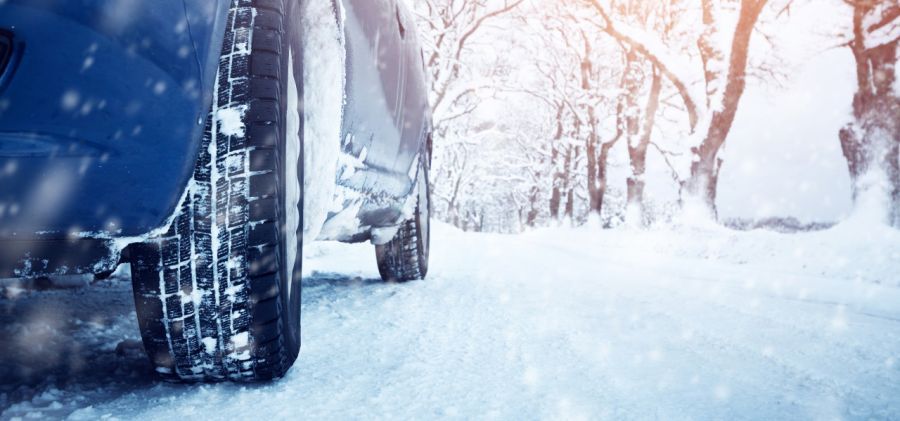
8 Checks You Should Make During Winter Car Maintenance
Winter puts much more stress on a vehicle than many drivers realize. Low temperatures, snow, ice, rain, road salt, and longer periods of cold starts can affect the engine, battery, tires, brakes, fluids, and electrical systems.
A vehicle that performs normally during warm weather may develop problems when temperatures drop. This is why winter maintenance should be done before severe cold weather arrives rather than waiting until the first problem occurs.
Here are eight important checks that should be included in your vehicle's winter maintenance.
1. Check the Battery
The battery is one of the components most affected by cold weather.
As temperatures fall, a battery's ability to deliver starting power decreases. At the same time, the engine requires more effort to crank because engine oil becomes thicker in cold conditions.
A battery that works normally during summer may therefore struggle or fail completely during winter.
Check the battery terminals for corrosion and make sure the connections are tight. The battery's voltage and starting performance should also be tested, especially if the battery is several years old.
If the engine takes noticeably longer to start on cold mornings, the battery should be checked before winter becomes severe.
The charging system should also be inspected. A healthy battery can still become discharged if the alternator is not charging it properly.
2. Inspect the Tires
Tires are extremely important during winter because cold temperatures and wet, snowy, or icy roads significantly reduce available traction.
Check the tread depth and look for uneven wear, cracks, cuts, or other damage.
Tire pressure is also important. Tire pressure decreases as the temperature drops, so pressures should be checked when the tires are cold and adjusted according to the vehicle manufacturer's recommended values.
If you regularly drive in areas with snow and ice, winter tires can provide considerably better traction than standard summer tires.
Do not judge a tire only by its tread depth. The tire's age and overall condition are also important.
3. Check the Engine Coolant and Antifreeze
The cooling system should never be overlooked before winter.
Engine coolant contains antifreeze that protects the cooling system against freezing and also helps prevent corrosion inside the system.
If the coolant mixture does not have adequate freeze protection, extremely low temperatures can cause the coolant to freeze. This can result in serious damage to the cooling system and, in extreme cases, the engine.
Check the coolant level and inspect the system for leaks.
The condition and freezing protection of the coolant should also be checked. If the coolant has not been replaced according to the manufacturer's maintenance schedule, winter is a good time to have the system inspected.
Never rely only on the color of the coolant when deciding whether it needs to be replaced. Different coolant technologies can have different colors, and color alone does not determine its condition or compatibility.
4. Inspect the Engine Oil
Cold weather makes engine oil more viscous, which means the engine may require more effort to turn over during a cold start.
Using the correct engine oil viscosity and specification is therefore particularly important during winter.
Check the oil level and look for signs of contamination or leaks. If the oil and oil filter are due for replacement, completing the service before winter can be beneficial.
Always use the oil viscosity and specification recommended by the vehicle manufacturer rather than choosing an oil simply because it is marketed as suitable for cold weather.
The correct oil can help ensure proper lubrication during cold starts.
5. Check the Brakes
Good brakes are essential in all seasons, but winter driving can make braking more difficult.
Wet roads, snow, ice, and reduced tire grip can increase stopping distances. A vehicle with worn brake components can become even more difficult to control in these conditions.
Check the brake pads and discs for excessive wear. Brake fluid should also be inspected for its level and condition.
If the vehicle pulls to one side while braking, the brake pedal feels unusually soft, or you hear grinding or other abnormal noises, the braking system should be inspected immediately.
Do not wait for winter to begin before addressing a brake problem.
6. Inspect the Windshield Wipers and Washer System
Visibility can become a major problem during winter because of rain, snow, road spray, mud, and salt.
Inspect the windshield wiper blades for cracks, hardening, or damaged edges. Worn blades can leave streaks or large areas of water on the windshield.
Make sure the windshield washer system is also working properly.
Use washer fluid designed for cold temperatures. Ordinary water can freeze inside the reservoir, hoses, or nozzles when temperatures fall below freezing.
Check the washer jets and make sure they can spray the windshield properly.
It is also a good idea to keep the windshield clean because dirt and road grime can make visibility significantly worse when illuminated by headlights at night.
7. Check the Heating and Defrosting System
A vehicle's heating system is not only important for passenger comfort during winter. It is also essential for maintaining visibility.
The windshield defrosting system should be able to clear condensation, frost, and ice from the glass.
Check whether the heater produces warm air and whether the air distribution system works correctly.
The cabin air filter should also be inspected. A severely clogged filter can reduce airflow and make it harder for the heating and ventilation system to work effectively.
If the windshield repeatedly fogs up from the inside, this should not simply be considered normal winter behavior. A blocked ventilation system, excessive moisture inside the cabin, or in some cases a cooling-system leak may be responsible.
8. Check the Lights and Electrical Equipment
Winter brings shorter days and longer periods of darkness, so properly functioning lights are particularly important.
Check the headlights, high beams, turn signals, brake lights, reverse lights, fog lights, and hazard lights.
Inspect the headlight lenses as well. Yellowed, cloudy, or heavily damaged lenses can significantly reduce nighttime visibility.
Also check the vehicle's electrical equipment, including the heated rear window, mirrors if equipped, cabin fan, and other winter-related systems.
If a warning light appears on the dashboard, do not ignore it simply because the vehicle continues to drive normally.
Don't Forget the Emergency Equipment
Winter maintenance should also include preparing the equipment you may need in an emergency.
Depending on where you drive, useful items can include an ice scraper, snow brush, flashlight, jumper cables or a suitable jump starter, gloves, and basic emergency supplies.
If you regularly travel through areas where heavy snow is possible, additional preparation may be necessary.
It is also worth checking the spare tire, tire repair kit, jack, and wheel tools if your vehicle is equipped with them.
A Small Winter Check Can Prevent a Major Problem
Winter maintenance does not necessarily require major repairs. In many cases, simple checks can prevent much more serious problems.
A weak battery can leave you stranded on a cold morning. Incorrect tire pressure can reduce traction. Old coolant can leave the cooling system vulnerable to freezing, while worn wipers or faulty lights can create dangerous visibility problems.
Checking the battery, tires, coolant, engine oil, brakes, wipers, heating system, and lights before winter arrives gives you a much better chance of getting through the cold season safely and without unexpected breakdowns.