TR
TR EN
EN

What Is a Vehicle Identification Number (VIN) and What Is It Used For?
Every vehicle has a unique identification number that distinguishes it from other vehicles. This number is known as the Vehicle Identification Number, or VIN.
The VIN is one of the most important pieces of information about a vehicle. It can be used to identify the vehicle, verify its specifications, check its history, and in many cases investigate previous accidents, ownership records, recalls, and other information.
Especially when buying a used car, knowing the VIN and understanding how to use it can help you make a much safer decision.
What Is a VIN?
VIN stands for Vehicle Identification Number. It is a unique identification code assigned to a vehicle by its manufacturer.
Modern VINs generally consist of 17 characters made up of letters and numbers. These characters are not simply a random combination. Different sections of the VIN can provide information about the manufacturer, vehicle characteristics, model year, production location, and production sequence.
The exact information encoded in a VIN can vary depending on the manufacturer and the applicable regional standards.
The VIN essentially acts as the vehicle's unique identity. It remains associated with that particular vehicle throughout its life.
What Information Can Be Obtained From a VIN?
A VIN can provide different types of information depending on the vehicle and the database being used.
A VIN may be used to identify information such as:
-
Vehicle manufacturer
-
Vehicle type
-
Model or vehicle series
-
Model year
-
Engine or drivetrain information
-
Manufacturing plant
-
Production sequence
-
Original vehicle specifications
VIN decoding systems can interpret some of these characters and provide information reported by the manufacturer.
However, it is important to understand that not every VIN decoder provides exactly the same information. Some databases contain much more detailed manufacturer information than others.
Where Can You Find the VIN?
The VIN can usually be found in several locations on a vehicle.
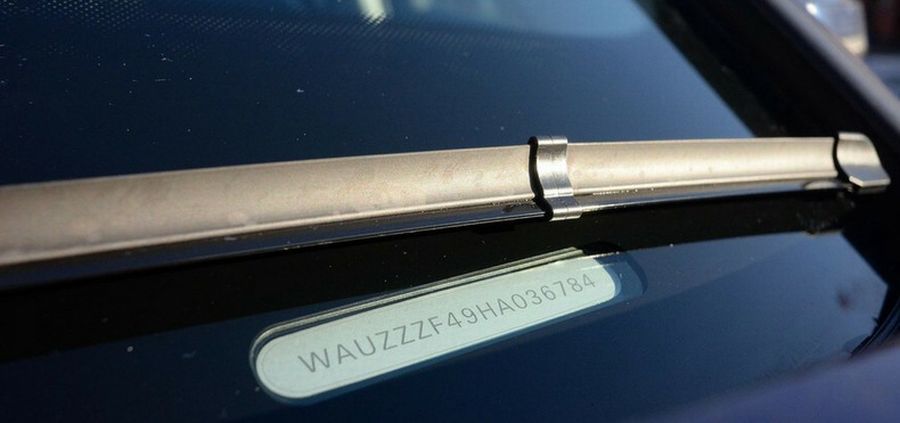
One of the most common locations is the lower section of the windshield on the driver's side. It can often be viewed from outside the vehicle.
The VIN may also be found on:
-
The driver's door or door frame
-
Vehicle identification labels
-
The engine compartment
-
The chassis or body
-
Registration documents
-
Insurance documents
-
Service and maintenance records
The exact location varies depending on the manufacturer and vehicle model.
When buying a used car, it is a good idea to compare the VIN shown on the vehicle with the VIN written on its official documents.
Why Is the VIN Important When Buying a Used Car?
The VIN becomes particularly important when purchasing a used vehicle because it can help you investigate the vehicle's past.
A seller may tell you that the car has never been involved in an accident. However, the VIN can potentially be used to access available vehicle history records and verify information that may not be obvious from the vehicle itself.
Depending on the country and the available databases, a VIN history check may reveal information such as previous accident records, insurance claims, title information, mileage records, theft records, or other reported events.
This can be extremely useful when evaluating a used vehicle.
Can You Find Accident History Using a VIN?
In many cases, yes, but it depends on the country and the databases available for that vehicle.
If an accident was reported to an insurance company, government authority, auction company, or another organization that records vehicle history, it may appear in a VIN-based history report.
However, not every accident is necessarily recorded.
For example, if a vehicle owner pays for a repair privately and does not report the accident to an insurance company or another reporting system, that accident may not appear in the vehicle's history.
For this reason, a VIN check should not replace a professional physical inspection.
VIN and Replaced or Repainted Parts
A VIN history check can provide useful information about a vehicle's previous damage, but it cannot always tell you which body panels have been replaced or repainted.
A vehicle may have had a fender, door, hood, bumper, or other panel repaired without the event being recorded in a history database.
This is why VIN checking and physical inspection should be used together.
During a physical inspection, the vehicle can be checked for:
-
Different paint thicknesses
-
Color differences between panels
-
Uneven panel gaps
-
Misaligned body lines
-
Damaged bolts
-
Welding marks
-
Chassis repairs
-
Replaced headlights or taillights
-
Signs of previous bodywork
The VIN provides historical information, while the physical inspection helps reveal the vehicle's current condition.
VIN and Vehicle Theft
VIN numbers are also important in preventing and identifying vehicle theft.
Because each vehicle has a unique identification number, authorities and other organizations can use the VIN to identify a particular vehicle.
When buying a used car, the VIN should match the number recorded on the vehicle's official documents.
Any discrepancy should be investigated before completing the purchase.
You should also be suspicious if the VIN plate or identification markings appear damaged, altered, removed, or tampered with.
VIN and Vehicle Recalls
Another important function of the VIN is identifying vehicles affected by safety recalls.
Manufacturers can use VIN information to determine which vehicles are affected by particular production problems or safety campaigns.
This can be particularly important for used-car buyers. A vehicle may have an outstanding recall that the current owner is unaware of.
Checking recall information using the VIN can therefore help identify safety-related issues that need to be addressed.
Does Every VIN Contain the Same Information?
No.
Although modern VIN systems generally use 17 characters, the information represented by those characters can differ between manufacturers and markets.
Some manufacturers encode detailed information about the engine, body type, restraint system, model, or production facility, while others may use the characters differently.
This is why a VIN should not be interpreted simply by looking at individual characters without knowing the manufacturer's VIN structure.
A proper VIN decoder uses manufacturer-specific information to interpret the number.
What Do the 17 Characters of a VIN Mean?
A 17-character VIN is generally divided into several sections.
The first section is commonly associated with the manufacturer and country or region of manufacture.
The following characters can provide information about the vehicle's characteristics.
Another section is used for information such as the model year and manufacturing plant, while the final characters generally identify the individual production sequence.
However, the exact structure depends on the applicable VIN standard and manufacturer.
For this reason, it is better to use a reliable VIN decoder rather than assuming that every character has exactly the same meaning on every vehicle.
Can a VIN Be Changed?
A VIN is intended to permanently identify a specific vehicle.
Changing, removing, altering, or tampering with a vehicle's identification number can be illegal and can also be a serious warning sign when purchasing a used car.
If the VIN displayed on the vehicle does not match the VIN on its documents, the situation should be investigated before purchasing the vehicle.
Likewise, signs of tampering around VIN plates, labels, or stamped identification numbers should never be ignored.
What Should You Check When Checking a VIN?
When buying a used vehicle, do not simply enter the VIN into one database and assume that everything is correct.
Compare the VIN in several locations on the vehicle and make sure it matches the documentation.
Then, where available, check the vehicle's history for accident records, mileage information, theft records, recalls, and other reported events.
Finally, compare the information obtained from the VIN with the actual vehicle.
For example, if the VIN indicates one model or engine configuration but the vehicle appears to have different specifications, this should be investigated.
VIN Check Is Not Enough on Its Own
A VIN is one of the most useful tools for investigating a used vehicle, but it should never be considered a substitute for a physical inspection.
A clean VIN history does not necessarily mean that the vehicle has never been damaged.
Some accidents and repairs are never officially recorded. Likewise, normal mechanical wear, hidden engine problems, suspension issues, and poorly repaired bodywork may not appear in a VIN history report.
The safest approach is to combine the VIN check with a professional inspection, a test drive, maintenance records, and a careful examination of the vehicle.
Why Is the VIN So Important?
The VIN is essentially the vehicle's unique identity. It allows a particular car to be distinguished from millions of other vehicles and provides a way to connect the vehicle with information recorded throughout its lifetime.
For someone buying a used car, the VIN can help answer important questions about the vehicle's identity and history.
Before buying a used vehicle, checking the VIN should therefore be one of the first steps. It takes very little time, but it can reveal information that may have a major impact on your decision.