TR
TR EN
EN

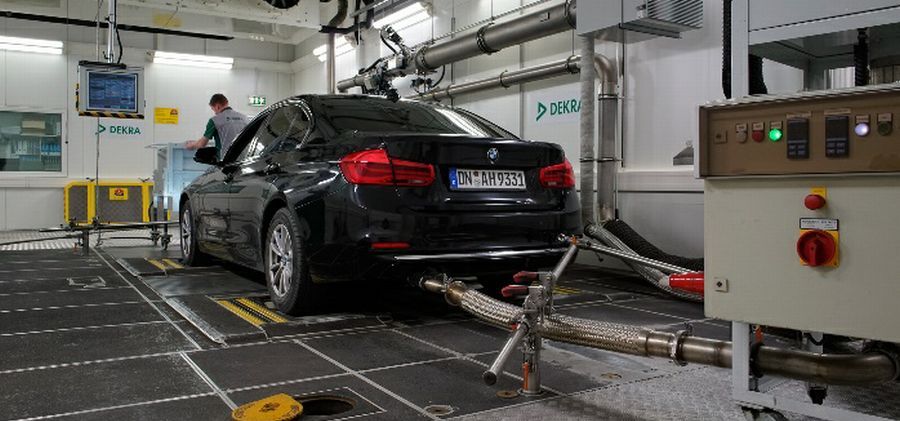
What Is a Car Inspection? What Are the Benefits of Having a Car Inspection?
When buying a used car, checking the vehicle only by looking at its exterior and taking a short test drive is not enough. A car may look perfectly clean and well-maintained while having accident damage, repainted or replaced parts, mechanical problems, or hidden electronic faults.
This is why a car inspection is an important step before buying a used vehicle. A professional inspection can help you understand the actual condition of the car and identify problems that may not be visible during a normal inspection.
What Is a Car Inspection?
A car inspection is a detailed examination of a vehicle to determine its current mechanical, electrical, structural, and cosmetic condition.
During an inspection, different parts of the vehicle are checked, including the engine, transmission, suspension, brakes, bodywork, paint, chassis, electrical systems, and diagnostic systems.
The exact inspection process depends on the inspection center and the package selected. Some inspections are limited to bodywork and paint, while more comprehensive inspections also include mechanical and electronic systems.
The main purpose is to provide the buyer with a clearer picture of the vehicle before making a purchase.
Why Is Car Inspection Important When Buying a Used Car?
A used car may have a history that cannot be understood simply by looking at it.
A vehicle that looks accident-free may have had a fender, door, hood, or bumper repaired or replaced. Similarly, an engine may sound normal during a short test drive while having an oil leak or another mechanical problem.
Some faults may also be hidden from the buyer because they only appear under certain driving conditions.
A proper inspection gives you an opportunity to discover these problems before you spend your money.
This is especially important when buying an expensive vehicle because even a relatively small mechanical problem can turn into a major repair bill later.
What Is Checked During a Car Inspection?
A comprehensive inspection can cover many different areas of the vehicle.
Bodywork and paint
The exterior panels are checked for signs of repainting, repair, replacement, dents, and accident damage.
Paint thickness measurements can help identify panels that have been repainted or repaired. However, paint measurement should not be the only method used. Panel gaps, body lines, bolts, welds, and the alignment of the panels should also be examined.
A significant difference between the paint thickness of one panel and the surrounding panels can be an important indication that the panel has previously been repaired.
Chassis and structural components
The chassis and structural areas are particularly important because serious accident damage can affect the safety and driving characteristics of a vehicle.
Inspectors may check areas such as the chassis rails, front and rear structural sections, suspension mounting points, and other critical areas for signs of impact, straightening, welding, or repair.
A vehicle with a painted door is not necessarily a major concern. A vehicle with serious structural damage is a completely different matter.
Engine and Transmission Inspection
The engine is one of the most expensive components of a vehicle, so its condition should be carefully evaluated before buying a used car.
During an inspection, technicians may look for oil leaks, coolant leaks, abnormal noises, excessive vibration, smoke, and other signs of mechanical problems.
The general operation of the engine can also be evaluated.
The transmission should also be checked. Unusual noises, harsh shifting, delayed engagement, slipping, or difficulty changing gears can indicate potential problems.
Automatic transmissions deserve particular attention because some transmission problems can be very expensive to repair.
Suspension and Brake Inspection
The suspension system affects both driving comfort and vehicle safety.
During an inspection, components such as shock absorbers, suspension arms, bushings, ball joints, and other related parts may be checked for wear or damage.
The braking system should also be inspected. Brake discs, pads, calipers, brake lines, and other components can show signs of wear or damage.
A vehicle may look perfect from the outside but still require significant suspension or brake work.
Electronic and Diagnostic Inspection
Modern cars contain dozens of electronic control modules. For this reason, electronic diagnostics have become an important part of used-car inspections.
A diagnostic scanner can be connected to the vehicle to check for stored fault codes and communication problems.
Depending on the vehicle, the inspection may include systems such as:
-
Engine control
-
Transmission control
-
ABS
-
Airbag system
-
Body control modules
-
Electronic steering
-
Parking sensors
-
Other vehicle-specific electronic systems
However, a diagnostic scan should not be misunderstood.
The absence of a fault code does not necessarily mean that the vehicle has no problems. Some faults occur only under specific conditions and may not be stored as permanent codes.
Likewise, a fault code does not automatically mean that the corresponding component must be replaced. The code should be diagnosed together with the symptoms and other test results.
Can a Car Inspection Detect Previous Accident Damage?
It can reveal many signs of previous accident repairs, but it cannot guarantee that every previous repair will be discovered.
Paint thickness, panel alignment, bolt marks, welds, chassis measurements, and differences between the two sides of the vehicle can provide important clues.
For example, if one front fender has different paint thickness and its mounting bolts show tool marks while the opposite fender appears untouched, this can indicate that the panel has previously been removed or replaced.
However, some repairs can be carried out very professionally and may be difficult to identify without detailed inspection.
This is why a professional inspection should be combined with vehicle history information whenever possible.
What Are the Benefits of Having a Car Inspection?
The biggest benefit is knowing what you are actually buying.
A proper inspection can help you identify:
-
Repainted body panels
-
Replaced parts
-
Previous accident repairs
-
Structural damage
-
Engine problems
-
Transmission problems
-
Suspension wear
-
Brake problems
-
Fluid leaks
-
Electronic faults
-
Potentially expensive repairs
This information can prevent unexpected expenses after purchasing the vehicle.
It can also help you negotiate the price. If the vehicle requires suspension work, has several repainted panels, or has an identified mechanical problem, you can take the estimated repair costs into consideration when negotiating with the seller.
A Car Inspection Can Save You From Expensive Repairs
One of the biggest mistakes when buying a used car is focusing only on the purchase price.
A vehicle that is slightly cheaper than similar cars may appear attractive, but if it requires major repairs immediately after purchase, the initial saving can disappear very quickly.
For example, a car may need new suspension components, brake work, tires, or major engine repairs shortly after purchase.
Knowing about these problems before completing the transaction gives you the opportunity to walk away from the car or negotiate a more appropriate price.
Should You Trust the Inspection Report Completely?
An inspection report is useful, but it should not be treated as an absolute guarantee.
An inspection shows the condition of the vehicle at the time it was examined. Some problems may not be visible during the inspection, while others may only appear after the vehicle has been driven for a longer period.
For example, an electronic fault may occur only when the engine is hot. A transmission problem may appear only under heavy acceleration. An intermittent electrical fault may not occur at all during the inspection.
Therefore, the inspection report should be considered together with the test drive, maintenance history, vehicle history, and the vehicle's overall condition.
Choosing the Right Inspection Center
Not every inspection center offers the same level of service.
Before taking the vehicle for inspection, find out what is included in the inspection. A basic paint measurement is obviously not equivalent to a comprehensive mechanical, electronic, and structural inspection.
It is also preferable to use an independent inspection center rather than simply going wherever the seller recommends.
The inspection should be performed for the buyer's benefit, not to confirm the seller's claims.
Inspect the Car Yourself Too
Even if you are going to have a professional inspection, you should still examine the vehicle yourself.
Look at the car in daylight and check the paint from different angles. Compare the panel gaps on both sides. Check whether the doors, hood, and trunk close properly.
Look for differences in the headlights and taillights. Check the tires and examine the interior for excessive wear.
During the test drive, pay attention to the engine, transmission, steering, brakes, and suspension. Listen for unusual noises and observe whether the vehicle behaves differently when accelerating, braking, or turning.
These observations can help you explain your concerns to the inspection technician and make the inspection more useful.
Is a Car Inspection Worth the Cost?
For anyone buying a used vehicle, a professional car inspection is generally one of the most useful expenses before completing the purchase.
The cost of an inspection is small compared with the potential cost of repairing an engine, transmission, chassis, or major electrical problem after buying the vehicle.
More importantly, an inspection gives you information that you cannot always obtain from the seller or from a simple visual inspection.
A car inspection does not mean that the vehicle will be perfect. Its real purpose is to reveal the vehicle's current condition as clearly as possible, allowing you to decide whether the car is worth buying and whether the asking price is reasonable.