TR
TR EN
EN

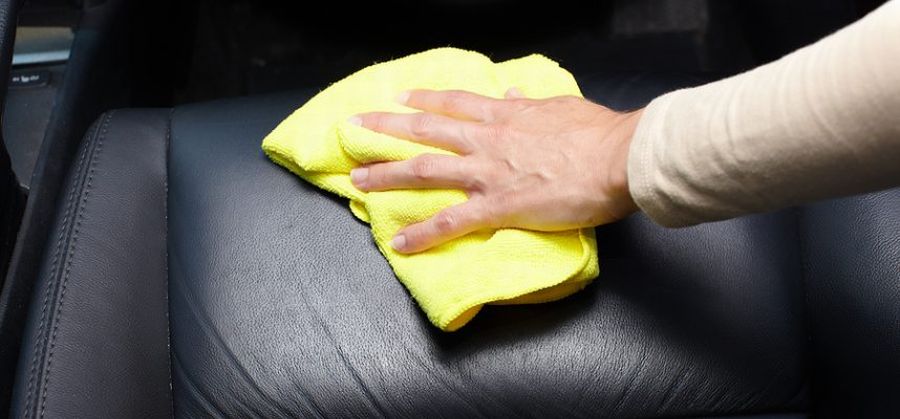
How to Clean Leather Car Seats?
Leather seats give a vehicle a premium and comfortable interior, but they also need proper care. Dust, body oils, sweat, food residue, clothing dye, sunlight and everyday friction can gradually change the appearance of the leather.
Cleaning leather seats is not simply a matter of wiping them with a wet cloth. Using the wrong chemical or scrubbing too aggressively can damage the protective surface and leave the seats looking dull, sticky or worn.
The safest approach is to clean the seats gently with products designed for automotive leather and to avoid excessive moisture and aggressive chemicals.
First, Identify What Material You Have
Not every seat that looks like leather is made from genuine leather.
Modern vehicles can use:
-
Genuine leather
-
Synthetic leather
-
Vinyl
-
Coated leather
-
Different combinations of leather and synthetic materials
Some vehicles also use different materials on different sections of the same seat.
Before using a cleaning product, check the vehicle manufacturer's recommendations whenever possible. A product suitable for one type of automotive upholstery may not be appropriate for another.
What Do You Need to Clean Leather Seats?
You do not need a large collection of products.
A basic leather-cleaning setup can include:
-
A vacuum cleaner
-
A clean microfiber cloth
-
A dedicated automotive leather cleaner
-
A soft detailing brush
-
A suitable leather-care or protection product
A pH-balanced cleaner specifically designed for automotive leather is generally preferable to household cleaning products.
Before using any new product, test it on a small, hidden area first. This is especially important with older, damaged or light-colored leather.
Start by Removing Dust and Loose Dirt
Before applying any cleaning product, vacuum the seats thoroughly.
Pay particular attention to:
-
Seat seams
-
Stitching
-
Gaps between the seat and center console
-
Seat rails
-
Side bolsters
-
Areas underneath the seat
Small pieces of sand and grit can scratch the surface when you start wiping or brushing.
Removing these particles first makes the rest of the cleaning process much safer.
How to Clean Leather Car Seats Step by Step
Once the loose dirt has been removed, work on one section of the seat at a time.
Apply a small amount of leather cleaner to a microfiber cloth or soft leather brush. Applying the product to the cleaning tool instead of soaking the seat gives you better control over how much product is used.
Gently work the cleaner into the textured surface using light movements.
There is no need to press hard. The cleaner should loosen the dirt so that it can be removed without aggressive scrubbing.
After cleaning a section, wipe it with a clean microfiber cloth.
If the area is heavily soiled, repeat the process rather than increasing the pressure.
Don't Scrub Leather Aggressively
One of the most common mistakes is trying to remove stubborn dirt by applying more and more pressure.
Modern automotive leather usually has a protective surface coating. Excessive brushing can wear this finish and change the appearance of the leather.
This is particularly important on:
-
Seat bolsters
-
Steering wheels
-
Armrests
-
Driver's seat cushions
-
Areas exposed to frequent friction
A soft brush and appropriate cleaner are much safer than aggressive scrubbing.
Pay Special Attention to the Seams
Dirt often accumulates around the stitching and seams.
A soft detailing brush can help loosen contamination from these areas, but it should be used gently.
Do not force large amounts of cleaning solution into the stitching.
If the seat is perforated, extra care is necessary because liquid can enter the small holes and potentially reach the material underneath.
How to Clean Very Dirty Leather Seats
If the seats have not been cleaned for a long time, do not try to remove everything in one aggressive session.
Instead, clean the surface gradually.
First remove loose dirt with a vacuum.
Then apply a suitable leather cleaner to a small section and gently agitate it.
Wipe away the loosened dirt with a clean microfiber towel.
Repeat the process if necessary.
This approach is safer than soaking the entire seat or using a very strong chemical to remove years of accumulated dirt.
How to Remove Sweat and Body Oil
The driver's seat is usually the most heavily contaminated part of the interior.
Sweat, body oils and friction from clothing can gradually create darker or shinier areas, particularly on the seat bolsters and the upper portion of the seat.
A dedicated leather cleaner can help break down this buildup.
Do not use strong household degreasers simply because the area looks greasy. Such products can affect the protective finish of the leather.
Let the appropriate cleaner do the work and use gentle mechanical action.
How to Clean Light-Colored Leather Seats
White, cream and beige leather seats show dirt much more easily than dark interiors.
Another common problem is dye transfer from clothing, particularly dark-colored jeans.
The sooner this type of contamination is treated, the easier it is to remove.
Avoid immediately attacking a stain with a strong chemical. Start with the mildest appropriate leather cleaner and test it on an inconspicuous area.
If the color transfer has penetrated or permanently changed the finish, professional leather restoration may be necessary.
What About Black Leather Seats?
Black leather hides dirt better, but that does not mean it stays clean.
Body oils and dust can gradually accumulate on the surface without being immediately visible.
The driver's seat, steering wheel, armrests and side bolsters deserve particular attention because they receive the most contact.
Regular light cleaning is preferable to waiting until the surface becomes heavily contaminated.
Can You Use Household Cleaning Products?
It is better not to.
Products such as bleach, strong degreasers, abrasive cleaners and other aggressive household chemicals may damage the protective surface of automotive leather.
Dishwashing liquid and general-purpose cleaners may also leave residues or affect the finish when used repeatedly.
Automotive leather is a specialized material, so using a product specifically intended for it is the safer approach.
Is a Wet Cloth Enough?
For light dust and everyday dirt, a slightly damp microfiber cloth may be sufficient.
However, water alone will not effectively remove accumulated body oils, grease, clothing dye or deeply embedded dirt.
The important point is to avoid soaking the leather.
Leather seats generally do not need large amounts of water or cleaning solution. Controlled application and thorough wiping are much safer.
Should You Use Leather Conditioner?
This depends somewhat on the type and finish of the leather and the vehicle manufacturer's recommendations.
Many modern automotive leather surfaces are protected with a coating, so the primary goal is gentle cleaning and surface protection rather than saturating the material with oily products.
If you use a conditioner or leather-care product, choose one specifically intended for automotive leather and apply it sparingly.
Too much product can leave the surface greasy, excessively shiny or slippery.
This is particularly undesirable on the steering wheel and other surfaces where a secure grip is important.
Don't Forget About Sun Exposure
UV radiation and heat can gradually affect automotive upholstery.
Long-term exposure can contribute to:
-
Fading
-
Surface drying
-
Hardening
-
Discoloration
-
Cracking
-
Premature wear
Parking in a garage or shaded location when possible can reduce this exposure.
A windshield sunshade can also help reduce the amount of heat and sunlight reaching the front part of the cabin.
How to Clean Cracked Leather Seats
If the leather has already started cracking, cleaning requires additional care.
Do not aggressively brush cracked or peeling areas.
Avoid soaking damaged sections and do not expect a cleaning product to repair cracks.
Small surface imperfections may be improved with appropriate leather-care products, but deep cracks, peeling coatings and severe discoloration generally require professional repair or reupholstering.
What About Perforated Leather?
Perforated leather requires special attention.
The small holes can collect dirt, but excessive liquid can also enter them.
Do not flood the seat with cleaner.
Use a small amount of product and work carefully with a soft brush or microfiber cloth. Wipe away excess moisture rather than allowing it to remain around the perforations.
How Often Should Leather Seats Be Cleaned?
There is no single interval that works for every vehicle.
A daily-driven vehicle may require more frequent cleaning than a car that is used occasionally.
The driver's seat usually needs attention more often than the rear seats because it receives the most contact.
Light cleaning can be performed regularly, while deeper cleaning can be done when the surface becomes visibly dirty or loses its natural appearance.
It is generally better to clean small amounts of dirt regularly than to allow heavy contamination to accumulate and then scrub aggressively.
Common Leather Seat Cleaning Mistakes
Several mistakes can shorten the life of leather upholstery.
Using strong household chemicals: These can damage the protective finish.
Scrubbing too hard: Excessive friction can wear the surface.
Using too much water: Leather does not need to be soaked.
Spraying large amounts of product directly onto the seat: This is particularly risky with perforated leather.
Ignoring the seams: Dirt can accumulate heavily in stitching and gaps.
Using excessive conditioner: Too much product can make the surface greasy and slippery.
Cleaning under direct sunlight: Products can dry too quickly and leave residue.
Skipping the test area: A new product should always be tested somewhere inconspicuous first.
How to Keep Leather Seats Looking New
Good leather care is mostly about consistency.
Vacuum the seats regularly, remove spills quickly, clean high-contact areas before dirt becomes heavily embedded, and use products designed specifically for automotive leather.
Protecting the interior from excessive sunlight is also important, especially in vehicles that spend long periods parked outdoors.
There is no need to constantly scrub the seats or apply large amounts of chemical products. Gentle, regular maintenance is much better than aggressive cleaning once the leather has become heavily soiled.
With the right technique, automotive leather can maintain its original appearance and texture for many years.