TR
TR EN
EN

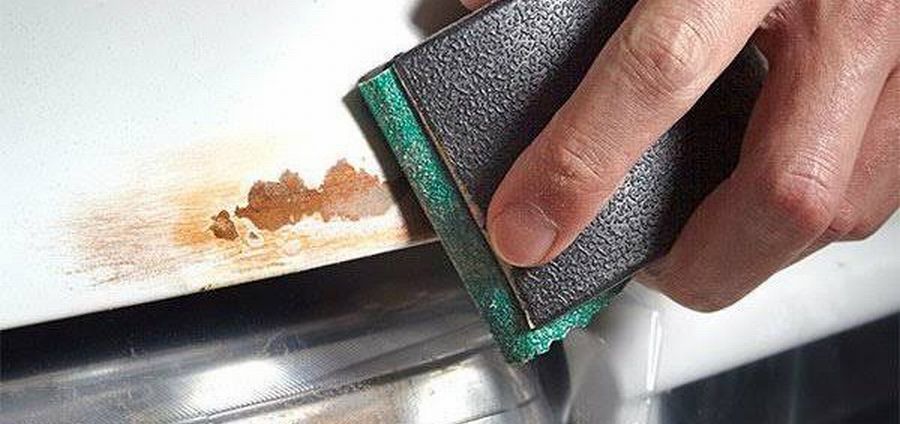
How to Remove Rust Spots From a Car?
Rust-colored spots on a car's paint can be alarming, especially when they appear as small orange or brown dots across the bodywork. However, not every rust-colored mark means that the metal underneath the paint has started to rust.
In many cases, these spots are caused by tiny iron particles that become embedded in the clear coat. Brake dust, industrial metal particles, rail dust and other airborne contaminants can settle on the paint, oxidize and create the appearance of small rust spots.
The correct cleaning method depends on whether you are dealing with iron contamination on the paint or actual corrosion of the vehicle's metal body.
Are Those Orange Spots Really Rust?
The first step is to identify what you are looking at.
If you see many tiny orange or brown dots scattered across the paint, particularly on white, silver or light-colored vehicles, there is a good chance that they are iron fallout rather than rust coming from the body panel itself.
These particles can come from:
-
Brake dust
-
Rail dust
-
Industrial metal particles
-
Road debris
-
Metal particles produced by nearby traffic or construction
-
Other airborne sources of ferrous contamination
The particles can stick to the clear coat and begin to oxidize. This creates the characteristic orange or brown appearance.
Actual body-panel rust is different. It usually begins where the paint or protective coating has been damaged and the underlying metal is exposed.
How Can You Tell the Difference?
There are several clues.
Iron contamination generally appears as numerous small dots distributed across the paint. The surface may also feel rough even after washing.
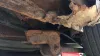
Actual rust is more likely to appear around stone chips, scratches, damaged paint, panel edges, wheel arches, seams or areas where moisture can remain trapped.
If the paint is bubbling, lifting or flaking around the affected area, the problem is more likely to involve corrosion underneath the paint rather than simple surface contamination.
This distinction is important because the two problems require completely different solutions.
Why Doesn't Normal Car Shampoo Remove Rust Spots?
Regular car shampoo is designed to remove dirt, dust, road grime and other surface contaminants.
Iron particles that have become bonded to the clear coat are much more difficult to remove. Washing may make the vehicle look cleaner, but the orange dots can remain.
This is why repeatedly washing or scrubbing the same area is usually ineffective.
Aggressive scrubbing can actually create additional scratches in the clear coat without solving the underlying problem.
Iron Fallout Remover Is Usually the Best First Step
For small orange or brown spots caused by iron contamination, a dedicated iron fallout remover is one of the most effective solutions.
These products are specifically designed to chemically react with iron particles.
When applied to contaminated paint, many iron removers produce a purple, red or dark-colored reaction. This is commonly referred to as the "bleeding" effect and indicates that the product is reacting with iron contamination.
The process is chemical rather than simply abrasive, which makes it particularly useful for particles that are embedded in the clear coat.
How to Remove Iron Spots Step by Step
Start by washing the vehicle thoroughly.
The goal is to remove loose dirt and road grime before treating the bonded contamination.
Once the car is clean, move it into a shaded area and make sure the body panels are cool to the touch.
Apply the iron remover according to the product's instructions. Work one panel at a time rather than covering the entire vehicle if the product is likely to dry before you can rinse it.
As the product reacts with iron particles, you may notice purple or reddish streaks forming on the paint.
Allow the product to work for the recommended amount of time, but do not allow it to dry on the paint.
After the appropriate dwell time, rinse the panel thoroughly with plenty of water.
If the vehicle has heavy contamination, the process may need to be repeated.
Why Should You Avoid Direct Sunlight?
Iron-removing products should generally be used on cool paint and away from direct sunlight.
If the product dries on a hot panel, it can leave unwanted residue or staining and may become much more difficult to remove.
Working in the shade also gives the chemical more time to react properly with the contamination.
For the same reason, avoid applying these products to extremely hot wheels or body panels.
Can a Clay Bar Remove Rust Spots?
A clay bar can help, but it is not always the best first step for iron contamination.
Clay works mechanically by grabbing bonded contaminants and lifting them from the paint.
It can remove some iron particles, but heavily embedded iron contamination can make the clay dirty quickly and increase the risk of dragging contamination across the paint.
For this reason, chemical iron removal is often performed first.
After the iron contamination has been dissolved and rinsed away, a clay bar can be used to remove other bonded contaminants that remain on the surface.
What If the Paint Still Feels Rough?
If the paint still feels rough after washing and iron removal, there may be other contaminants remaining on the surface.
These can include:
-
Tar
-
Asphalt residue
-
Tree sap
-
Industrial fallout
-
Adhesive residue
-
Road film
-
Other bonded particles
An iron remover is designed specifically for iron contamination, so it will not necessarily remove every type of contamination.
In heavily contaminated vehicles, a complete decontamination process may involve an iron remover followed by other appropriate cleaning methods and, if necessary, a clay treatment.
What About Tar and Rust Remover Products?
It is important not to confuse different types of detailing chemicals.
An iron remover is designed for iron particles.
A tar remover is designed for tar, asphalt and certain adhesive or petroleum-based residues.
A clay bar is a mechanical decontamination tool.
Using the wrong product on the wrong contamination can waste time and may increase the risk of damaging the paint.
When Should You Use a Clay Bar?
A clay bar is useful when the paint remains contaminated after normal washing and chemical treatment.
Before using clay, the surface should be properly lubricated. Never drag a dry clay bar across the paint.
Work gently and use light pressure. The objective is to remove bonded contamination, not to aggressively scrub the clear coat.
After claying, the paint should feel noticeably smoother.
What If the Rust Is Coming From the Body Panel?
This is where the process changes completely.
If the vehicle has genuine corrosion underneath the paint, simply using an iron remover will not fix the problem.
For example, if you notice:
-
Bubbling paint
-
Flaking paint
-
Deep orange corrosion
-
Rust around scratches
-
Rust around stone chips
-
Corrosion around wheel arches
-
Rust spreading from the edge of a panel
the affected area should be inspected more carefully.
Actual body rust may require removing the damaged paint, treating the corrosion, repairing the metal if necessary and repainting the affected area.
Can You Remove Deep Rust Yourself?
Minor surface corrosion can sometimes be treated as a DIY project if you have the appropriate tools and experience.
However, deeper corrosion is more complicated.
Simply sanding the visible rust and painting over it may make the vehicle look better temporarily while corrosion continues underneath.
If the metal has already become thin, perforated or significantly damaged, bodywork may be necessary.
This is particularly important around structural areas of the vehicle.
Why White Cars Show Rust Spots More Clearly
Iron contamination can occur on vehicles of almost any color, but it is particularly obvious on white and light-colored paint.
A tiny orange particle creates a strong contrast against white paint.
On black or dark-colored vehicles, the same contamination may be less noticeable visually, although it can still be present.
You can sometimes detect it more easily by running your clean hand gently over a properly washed surface. If the paint feels unusually rough or gritty, bonded contamination may be present.
Should You Polish the Paint After Removing Rust Spots?
Polishing can improve the appearance of the paint, but it should not be the first solution for embedded iron contamination.
Polishing removes a very small amount of the clear coat to improve or correct the surface.
If the problem is simply iron contamination, chemical decontamination is preferable because it targets the contaminant without unnecessarily removing clear coat.
Polishing can be considered afterward if the contamination has left staining, light marks or other imperfections that require paint correction.
Protect the Paint After Cleaning
Once the contamination has been removed, protecting the paint is a good idea.
Wax, a paint sealant or a suitable coating can provide a protective layer that makes future contamination easier to remove.
The important point is to apply the protection to a properly cleaned surface.
There is little benefit in sealing heavily contaminated paint underneath a protective product.
How Can You Prevent Rust-Colored Spots From Returning?
You cannot completely prevent airborne iron particles from reaching a vehicle, especially if it is frequently driven in heavy traffic or parked near industrial areas.
However, regular washing and proper paint maintenance can reduce contamination buildup.
It is also useful to pay attention to the condition of the brake system, because brake dust is an important source of iron particles.
Regularly cleaning the wheels and lower body panels can also help prevent contamination from accumulating for long periods.
Don't Confuse Iron Fallout With Body Rust
The most important point is that small orange spots on automotive paint do not automatically mean that the body panel is rusting.
If the spots are tiny, scattered and sit on an otherwise healthy paint surface, iron fallout is a strong possibility. A dedicated iron remover can often eliminate this type of contamination without the need for sanding or repainting.
If the paint is bubbling, peeling or showing corrosion beneath the surface, however, the problem needs a different approach.
Identifying the type of rust-like contamination before choosing a cleaning method is the key to removing it safely without unnecessarily damaging the vehicle's paint.