TR
TR EN
EN

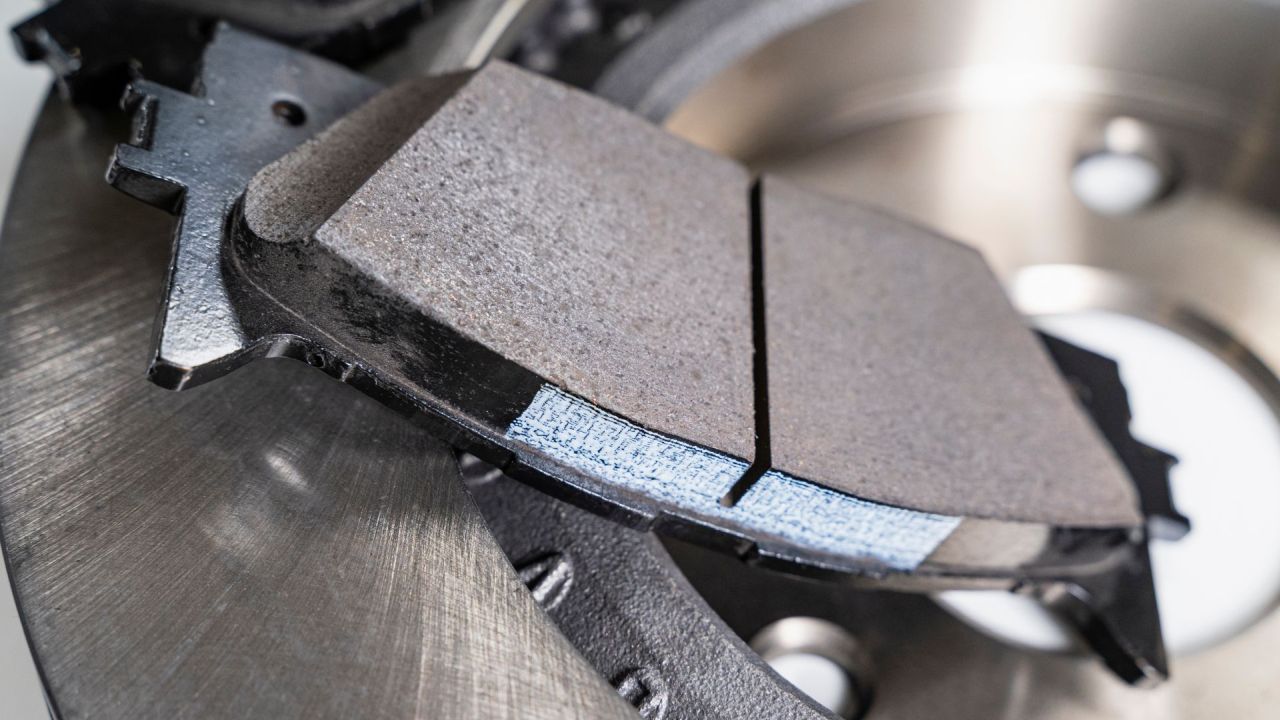
What Are Ceramic Brake Pads? What Are Their Advantages and Disadvantages?
Brake pads are among the most important components of a vehicle's braking system. They convert the kinetic energy of a moving vehicle into heat through friction, allowing the vehicle to slow down and stop. Although conventional brake pads have been used for decades, different pad materials have been developed to improve braking performance, reduce noise, and increase durability.
Ceramic brake pads are one of these alternatives. They are particularly popular in passenger cars because they offer clean operation, low noise, and consistent performance in everyday driving.
But ceramic brake pads are not automatically better in every situation. Their characteristics make them suitable for certain drivers and vehicles, while other drivers may benefit more from semi-metallic or other types of brake pads.
What Is a Ceramic Brake Pad?
A ceramic brake pad is a type of brake pad that uses a ceramic-based friction material. The material generally contains ceramic fibers and other friction-modifying compounds, along with small amounts of metallic or non-metallic materials depending on the manufacturer and formulation.
The ceramic material is engineered to withstand the high temperatures generated during braking while maintaining relatively stable friction characteristics.
Despite the name, ceramic brake pads are not made entirely from the same type of ceramic material used in pottery or household ceramics. They are specially formulated friction compounds designed for automotive braking applications.
Their composition can vary considerably between manufacturers, so two ceramic brake pads may not provide exactly the same braking characteristics.
How Do Ceramic Brake Pads Work?
The basic operating principle is the same as with other brake pads.
When the driver presses the brake pedal, hydraulic pressure causes the brake caliper to push the brake pads against the rotating brake disc. Friction between the pads and disc converts the vehicle's kinetic energy into heat.
Ceramic friction material is designed to maintain a relatively stable coefficient of friction across a range of normal operating temperatures.
This can provide predictable braking behavior during everyday driving.
The friction material also affects other characteristics of the braking system, including:
-
Brake noise
-
Brake dust production
-
Pad wear
-
Disc wear
-
High-temperature behavior
-
Pedal feel
-
Cold braking performance
For this reason, changing from a conventional pad to a ceramic pad can noticeably change how a vehicle feels during braking.
Why Are Ceramic Brake Pads Popular?
One of the main reasons ceramic brake pads have become popular is their balance between comfort and performance.
Modern passenger cars are often driven in urban traffic, on highways, and during frequent stop-and-go conditions. Drivers generally want brake pads that work quietly, produce little visible dust, and provide predictable braking without requiring aggressive driving conditions.
Ceramic pads are particularly well suited to this type of use.
They are generally designed to provide smooth and consistent braking rather than extreme track-oriented performance.
Advantages of Ceramic Brake Pads
Low brake dust
One of the most noticeable advantages of ceramic brake pads is their relatively low dust production.
All brake pads generate some dust because friction causes material to wear away. However, ceramic formulations typically produce less visible dust than many conventional semi-metallic pads.
The dust that is produced is also often lighter in color and less noticeable on wheels.
This can be especially attractive to drivers with alloy wheels who want to keep their wheels cleaner for longer.
Quiet braking
Ceramic brake pads are generally known for producing less brake noise.
Under certain conditions, conventional brake pads can produce squeaking, squealing, or other friction-related noises. Ceramic formulations can reduce these noises because of the characteristics of their friction material.
However, ceramic pads are not guaranteed to be completely silent. Brake noise can also be caused by the brake disc, caliper, installation quality, pad shims, contamination, temperature, or incorrect bedding.
Good everyday braking performance
For normal road driving, ceramic brake pads can provide smooth and predictable braking.
They are particularly suitable for drivers who spend most of their time driving in cities, commuting, or traveling on highways rather than repeatedly performing extremely hard braking.
The pedal response can feel progressive and controlled, which many drivers find comfortable.
Good resistance to heat
Ceramic friction materials can tolerate relatively high temperatures without rapidly losing their braking characteristics.
This is useful during repeated braking, such as driving on long downhill roads or in heavy traffic.
However, this should not be interpreted as meaning that ceramic pads cannot overheat. Every brake pad has a temperature range beyond which its performance can deteriorate.
Long service life
Depending on the vehicle, driving style, brake disc condition, and pad formulation, ceramic brake pads can provide good service life.
Their wear characteristics can make them an attractive option for drivers who prioritize durability and reduced maintenance frequency.
The actual lifespan, however, varies enormously. A vehicle driven mainly on highways will naturally use its brake pads differently from a vehicle driven aggressively in heavy city traffic.
Less aggressive effect on wheels
Because ceramic pads generally produce less visible dust, wheels may remain cleaner between washes.
This is not just a cosmetic advantage. Excessive brake dust can accumulate on wheels and become difficult to remove over time.
For drivers who regularly clean their vehicles or have light-colored wheels, the difference can be particularly noticeable.
Disadvantages of Ceramic Brake Pads
Ceramic brake pads also have disadvantages, and their higher price is only one of them.
Higher purchase price
Ceramic brake pads are often more expensive than standard or economy-level brake pads.
The additional cost comes from the friction material formulation and manufacturing process.
For a driver looking for the lowest possible maintenance cost, a quality semi-metallic pad may sometimes offer better value.
Cold braking characteristics can vary
Some ceramic formulations may not provide exactly the same initial braking behavior when they are completely cold.
This is important because everyday passenger cars frequently begin their journeys with cold brakes.
Modern ceramic pads designed for street vehicles are generally engineered to provide adequate cold performance, but the characteristics still depend heavily on the specific product.
A ceramic pad designed for a high-performance application should not automatically be assumed to be ideal for an ordinary family car.
Not necessarily the best choice for extreme driving
Ceramic brake pads are not automatically the best option for track driving, racing, or repeated extreme braking.
High-performance applications can require brake pads with very different friction characteristics and operating temperature ranges.
A semi-metallic or specialized performance compound may provide more suitable behavior under extremely high temperatures.
The important point is that “ceramic” does not simply mean “higher performance.”
Brake disc compatibility matters
Brake pads and brake discs work as a system.
Installing high-quality ceramic pads on worn, damaged, heavily scored, or unsuitable brake discs may not produce the expected improvement.
If the disc surface is badly worn or has excessive thickness variation, vibration, noise, or poor braking can remain even after installing new pads.
For this reason, the condition and compatibility of the brake discs should always be considered when replacing pads.
Not every ceramic pad is the same
The term “ceramic brake pad” covers a wide range of products.
Two products sold as ceramic pads can have significantly different friction coefficients, temperature characteristics, wear rates, and noise behavior.
This is why choosing a reputable manufacturer and the correct application is more important than simply looking for the word “ceramic” on the packaging.
Ceramic vs. Semi-Metallic Brake Pads
Semi-metallic brake pads are another common choice, particularly where strong braking performance and high-temperature resistance are important.
They generally contain a significant proportion of metallic materials and can provide strong friction characteristics.
Ceramic pads, on the other hand, are often chosen for their quieter operation, lower visible dust, smooth braking behavior, and good performance in normal road conditions.
This does not mean ceramic pads are universally superior.
For a family sedan used primarily for commuting, ceramic pads can be an excellent choice. For a vehicle frequently driven aggressively, towing heavy loads, or subjected to repeated high-temperature braking, another friction material may be more appropriate.
Do Ceramic Brake Pads Damage Brake Discs?
Ceramic brake pads do not inherently damage brake discs simply because they are ceramic.
Disc wear depends on several factors, including the pad formulation, disc material, temperature, driving style, contamination, installation quality, and overall condition of the braking system.
A poorly matched or low-quality brake pad can cause abnormal disc wear regardless of whether it is marketed as ceramic.
The correct pad should therefore be selected according to the vehicle manufacturer's specifications and the intended use of the vehicle.
Are Ceramic Brake Pads Good for City Driving?
For many passenger cars, yes.
City driving involves frequent braking, low-to-moderate speeds, traffic congestion, and repeated stops. Low noise, smooth engagement, and reduced dust can therefore be more valuable than extreme high-temperature performance.
A good-quality ceramic pad can be a very comfortable choice for this type of driving.
However, drivers who frequently carry heavy loads, drive through mountainous areas, or perform repeated hard braking should consider the vehicle's specific requirements before choosing ceramic pads.
Are Ceramic Brake Pads Suitable for Long-Distance Driving?
They can be.
Highway driving generally involves fewer braking events than city driving, but braking performance remains critical when slowing from higher speeds.
A properly selected ceramic pad can provide consistent braking for normal highway use.
The important factor is not simply whether the pad is ceramic. The pad must be correctly matched to the vehicle, brake disc, caliper, and expected operating conditions.
How Long Do Ceramic Brake Pads Last?
There is no universal mileage figure for ceramic brake pads.
Their lifespan depends on:
-
Driving style
-
Vehicle weight
-
Traffic conditions
-
Brake disc condition
-
Road terrain
-
Frequency of hard braking
-
Pad quality
-
Brake caliper condition
-
Vehicle load
A driver who mostly travels on highways may get significantly more mileage from the same pads than someone who drives in heavy urban traffic every day.
Instead of replacing brake pads based solely on mileage, their remaining friction material and overall condition should be inspected periodically.
Can Ceramic Brake Pads Eliminate Brake Squealing?
They can reduce the likelihood of brake noise, but they cannot guarantee silent operation.
Brake squealing can have many causes, including:
-
Incorrect pad installation
-
Poor-quality friction material
-
Worn brake discs
-
Caliper problems
-
Lack of proper bedding
-
Excessive vibration
-
Contamination
-
Incorrect or damaged anti-noise hardware
Therefore, replacing noisy pads with ceramic pads may solve the problem in some cases, but it is not a universal solution.
What Should Be Considered When Buying Ceramic Brake Pads?
The first consideration should be compatibility with the vehicle.
The correct pad must match the vehicle's braking system, caliper design, brake disc specifications, and intended application.
It is also worth paying attention to the manufacturer's quality and the pad's certification or compliance with applicable braking standards.
Cheap products marketed simply as “ceramic” should not automatically be considered equivalent to high-quality ceramic pads from a reputable manufacturer.
Brake components are safety-critical parts, so quality should take priority over the lowest purchase price.
Are Ceramic Brake Pads Worth It?
For many everyday passenger vehicles, ceramic brake pads can be a worthwhile upgrade.
Their main strengths are low visible brake dust, quiet operation, smooth braking, good durability, and stable performance during normal road use.
Their main disadvantages are higher cost, varying cold-braking characteristics, and the fact that they are not necessarily the best solution for extreme high-temperature applications.
The best brake pad is ultimately not determined by its name or material alone. The right choice depends on the vehicle, brake system, driving style, climate, road conditions, and the driver's expectations.
For a daily-driven passenger car where comfort, cleanliness, and quiet braking are important, a quality ceramic brake pad can be an excellent option.