TR
TR EN
EN

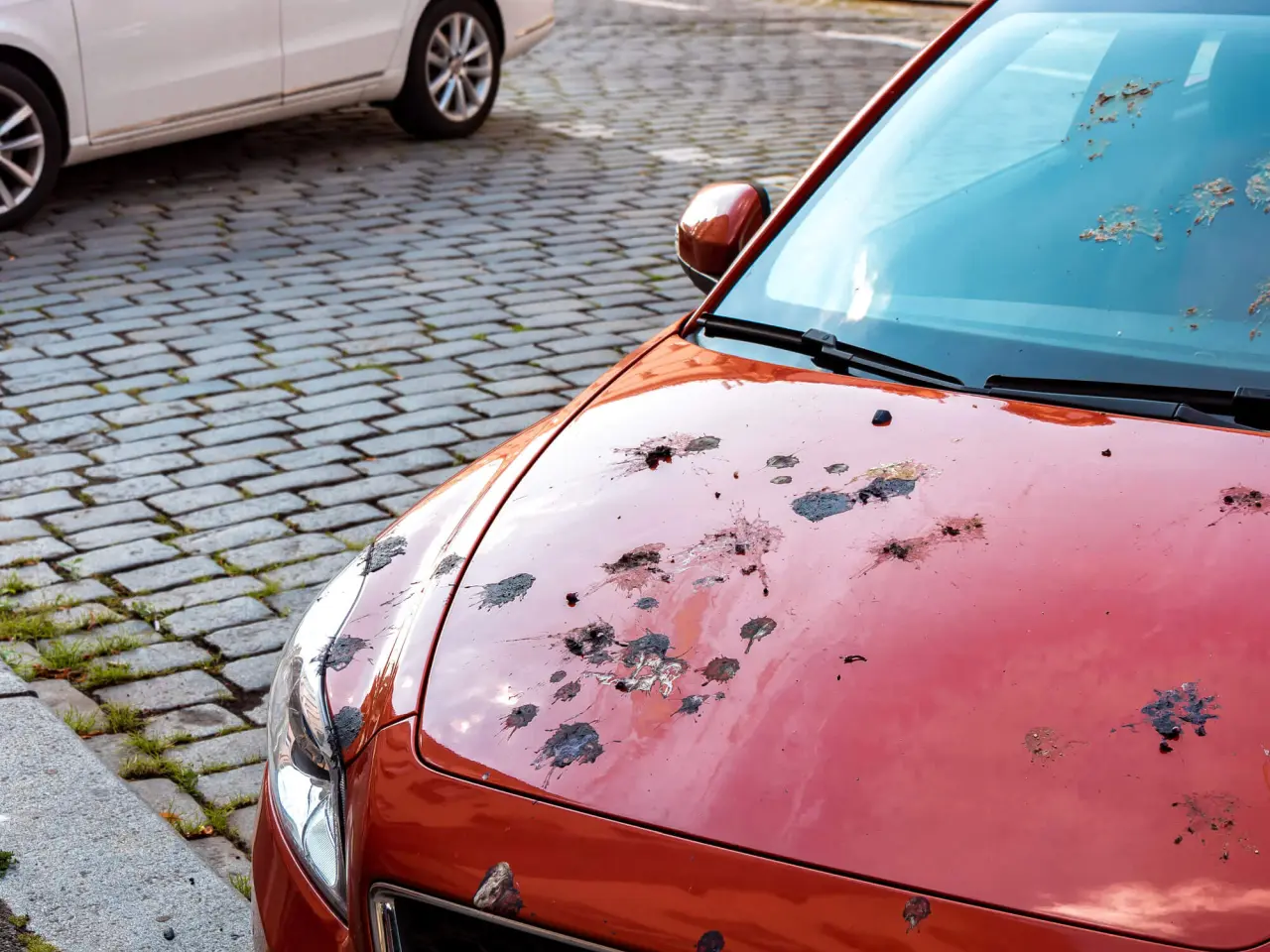
Does Bird Droppings Damage Car Paint?
Bird droppings are one of the most common environmental contaminants that can damage a car's exterior paint. Although a fresh dropping may look like nothing more than an unpleasant stain, leaving it on the vehicle for too long can result in permanent marks, loss of gloss, and clear coat damage.
The good news is that bird droppings do not automatically cause permanent damage. In most cases, the key factors are how long they remain on the paint, how hot the surface becomes, and how the contamination is removed.
Why Can Bird Droppings Damage Car Paint?
Modern automotive paint is protected by a clear coat. This transparent outer layer gives the paint its shine and provides protection against sunlight, moisture, chemicals, dirt, and environmental contaminants.
Bird droppings contain uric acid, salts, organic compounds, and other substances. When they remain on a painted surface, these substances can interact with the clear coat.
The problem becomes more serious when the dropping dries on the paint. As moisture evaporates, the remaining material becomes more concentrated and can become increasingly difficult to remove.
If the vehicle is sitting under strong sunlight, the body panel can become very hot. The combination of heat and contamination can accelerate the deterioration of the clear coat.
This is why a bird dropping that is removed shortly after it lands on the vehicle is generally much less problematic than one that remains there for several days.
How Quickly Can Bird Droppings Damage Paint?
There is no universal time limit.
A bird dropping does not suddenly become dangerous after a specific number of hours. The speed of paint damage depends on several factors, including:
-
Outside temperature
-
Direct sunlight
-
Body panel temperature
-
Type and condition of the paint
-
Condition of the clear coat
-
How long the dropping remains on the surface
-
Whether the vehicle has wax, sealant, ceramic coating, or another protective layer
-
Whether the contamination has dried
On a cool day, a fresh dropping may remain on the paint for some time without causing noticeable damage.
On a hot summer day, however, the situation can be very different. A hood, roof, or trunk lid exposed to direct sunlight can become extremely hot, accelerating the effect of the contamination.
For this reason, it is best to remove bird droppings as soon as you notice them.
What Happens If Bird Droppings Stay on the Car?
The first stage is usually simple surface contamination.
The dropping sits on top of the clear coat and can often be removed without leaving any visible damage.
If it remains there longer, the contamination can begin to affect the clear coat. After the dropping is removed, you may notice a faint outline where it was sitting.
Possible signs include:
-
Dull spots
-
Cloudy areas
-
Loss of gloss
-
A visible outline of the dropping
-
Slight discoloration
-
Roughness on the surface
-
A stain that remains after washing
This type of damage is often referred to as clear coat etching.
At this point, the problem is no longer simply dirt. The surface itself may have been chemically affected.
Does Sunlight Make Bird Droppings More Dangerous?
Yes.
Heat is an important factor in environmental paint damage.
When a vehicle is parked outside, dark-colored body panels can become particularly hot under direct sunlight. A bird dropping sitting on such a surface can dry quickly and remain concentrated against the clear coat.
This does not mean that every dropping on a hot car will permanently damage the paint. However, heat can increase the risk and make it more important to remove contamination quickly.
This is especially relevant during summer when a car may remain parked outdoors for several hours.
Are Bird Droppings More Dangerous on Dark-Colored Cars?
The chemical nature of the contamination does not fundamentally change according to paint color, but dark-colored vehicles can have two disadvantages.
First, dark paint generally shows stains, marks, scratches, and loss of gloss more easily.
Second, dark surfaces can become very hot when exposed to direct sunlight.
As a result, bird-dropping marks can be particularly noticeable on black, dark blue, dark gray, and other deep-colored vehicles.
A white car may also suffer clear coat damage, but minor defects may be less noticeable from a normal viewing distance.
What Should You Do When You See Bird Droppings on Your Car?
The best solution is simple: remove them as soon as possible.
You do not need to wash the entire vehicle every time a bird leaves a dropping on it.
If the contamination is fresh, you can usually soften and remove it with water and a clean microfiber towel.
The important thing is to avoid unnecessary friction.
A safe approach is:
-
Wet the affected area.
-
Allow the contamination to soften.
-
Gently lift the residue with a clean microfiber towel.
-
Rinse the area thoroughly.
-
Dry the surface with another clean microfiber towel.
If the dropping has already dried, allow it to absorb water for a while before attempting to remove it.
The goal is to soften the contamination rather than scrape it away.
Never Rub a Dried Bird Dropping Aggressively
This is one of the most common mistakes.
A dried bird dropping can contain small particles that may scratch the clear coat if you rub it aggressively.
Using a dry paper towel and applying pressure may turn a simple contamination problem into a paint-correction problem.
Avoid using:
-
Rough sponges
-
Abrasive kitchen pads
-
Hard brushes
-
Metal objects
-
Plastic scrapers
-
Fingernails
-
Dry towels with heavy pressure
You should never try to grind a dried dropping off the paint.
Softening it first is much safer.
Can Water Remove Bird Droppings?
For fresh contamination, water can be surprisingly effective.
The longer a dropping has remained on the surface, the more important it becomes to allow water to soften it before wiping.
If the residue is stubborn, repeatedly wetting the area is preferable to increasing pressure.
You can also use a car-safe cleaning or detailing product designed for exterior paint.
The important point is that the product should be suitable for automotive paint and should not contain aggressive chemicals or abrasive materials that could damage the finish.
What If the Bird Dropping Has Already Dried?
Do not immediately assume that the paint has been permanently damaged.
First, soften the contamination.
Place a wet microfiber towel over the affected area and allow the dried material to absorb moisture. After several minutes, gently attempt to lift it.
If necessary, repeat the process instead of applying more pressure.
Once the residue has been removed, inspect the paint.
If the surface looks normal, there may be no permanent damage.
If a visible mark remains, the clear coat may have been etched.
Can You Polish Away Bird Dropping Damage?
Sometimes.
If the damage is shallow and limited to the upper part of the clear coat, a suitable paint-cleaning or polishing process may reduce the appearance of the mark.
Light etching can sometimes be corrected through paint correction.
However, polishing is not a magic solution.
If the contamination has caused deep damage, excessive polishing can remove too much clear coat. This can weaken the paint protection and create additional problems.
For this reason, it is better to start with the least aggressive method possible.
If gentle cleaning does not remove the mark, the next step should be to determine how deep the damage is before using a polishing compound.
Can Wax Protect Car Paint From Bird Droppings?
Wax can provide an additional layer of protection, but it does not make the paint immune to bird droppings.
A good wax can make the surface easier to clean and may reduce the amount of contamination that bonds strongly to the paint.
However, bird droppings should still be removed quickly.
Wax should be considered an additional protective layer, not a reason to leave contamination on the vehicle.
What About Ceramic Coating?
Ceramic coatings can provide greater chemical resistance and make it easier to clean contaminants from the surface.
They can also make the paint more hydrophobic, meaning water and some contaminants are less likely to remain strongly attached.
However, ceramic coating does not make the vehicle completely resistant to bird droppings.
Bird droppings should still be removed promptly, especially during hot weather.
A ceramic coating can make maintenance easier, but it cannot replace proper maintenance.
Can Bird Droppings Damage Paint Protection Film?
Paint Protection Film, commonly known as PPF, provides a physical layer over the vehicle's paint.
It can protect the original paint from many forms of contamination and physical damage, but the film itself is not completely immune to environmental contaminants.
Bird droppings should still be removed from PPF as soon as possible.
The correct cleaning method is especially important because aggressive chemicals, abrasive materials, or excessive rubbing can damage the surface of the film.
What Happens If You Leave Bird Droppings for Several Days?
The longer the contamination remains on the vehicle, the greater the risk of a permanent mark.
You may eventually remove the dropping and discover that the area underneath has a different appearance from the surrounding paint.
Depending on the severity, the defect may be:
-
A superficial stain
-
Clear coat etching
-
Loss of gloss
-
Surface discoloration
-
A deeper paint defect
The sooner you remove the contamination, the easier it is to prevent these problems.
Can Bird Droppings Cause Scratches?
Bird droppings themselves are not necessarily the main source of scratching.
The bigger problem is often the way people try to remove them.
If a dried dropping is rubbed aggressively, particles trapped inside the contamination can move across the paint and create fine scratches.
This is why a gentle removal process is so important.
Softening the residue first significantly reduces the amount of force required.
Should You Use a Paper Towel?
A soft, clean paper towel may be acceptable for an emergency situation if the contamination is fresh and sufficiently wet, but microfiber is generally a better choice for automotive paint.
Paper towels can become rough when wet or can break apart during cleaning.
A high-quality microfiber towel is softer, reusable, and better suited to delicate painted surfaces.
The most important rule is still to avoid dry and aggressive wiping.
Does Bird Dropping Damage Car Wax?
Bird droppings can affect the protective layer as well as the underlying paint system.
If the vehicle has wax, sealant, or another surface treatment, environmental contamination can gradually reduce the effectiveness of that protection.
However, this does not necessarily mean the paint underneath is damaged.
Removing the contamination promptly helps preserve both the protective product and the paint beneath it.
What Areas of the Car Are Most Commonly Affected?
Birds tend to leave droppings on horizontal surfaces.
Common areas include:
-
Roof
-
Hood
-
Trunk lid
-
Side mirrors
-
Window surrounds
-
Upper doors
-
Sunroof area
The hood and roof are particularly important because they can receive intense sunlight during the day.
If your car is regularly parked beneath trees, near buildings, on rooftops, or around electrical wires where birds gather, these areas should be checked regularly.
How Can You Reduce the Risk?
The easiest way to reduce bird-dropping damage is to minimize the time contamination remains on the paint.
A few simple habits can help:
Check the car regularly
A quick inspection takes only a few seconds and can prevent a small contamination problem from becoming permanent paint damage.
Keep microfiber towels available
Having a clean microfiber towel and a suitable automotive cleaning product available makes quick removal much easier.
Avoid parking directly underneath bird-heavy areas
Trees, overhead cables, signs, and building ledges can become common gathering places for birds.
Protect the paint
Wax, sealants, ceramic coatings, and PPF can provide additional protection, although none eliminates the need for cleaning.
Wash the vehicle regularly
Regular washing removes environmental contaminants before they have enough time to bond strongly to the paint.
What If the Paint Is Already Damaged?
If you have already removed the bird dropping and a mark remains, do not immediately start using an aggressive polishing compound.
First, clean the area thoroughly and inspect it under good lighting.
If the defect is superficial, a professional or experienced detailer may be able to improve it with paint correction.
If the damage is deeper and has gone beyond what can safely be corrected by polishing, repainting or refinishing may eventually be required.
The important thing is to avoid removing excessive clear coat simply to eliminate a single stain.
Bird Droppings vs. Other Paint Contaminants
Bird droppings are not the only environmental contamination that can affect automotive paint.
Other common contaminants include:
-
Tree sap
-
Insect remains
-
Road salt
-
Industrial fallout
-
Hard-water deposits
-
Tar
-
Road grime
-
Fuel and oil residues
Some of these contaminants can also become difficult to remove when they remain on the vehicle for extended periods.
This is why paint maintenance is not simply about making the vehicle look clean. Removing contamination promptly helps preserve the clear coat and the appearance of the paint.
Final Thoughts
Yes, bird droppings can damage car paint, particularly when they remain on the surface for an extended period and are exposed to heat and sunlight.
The safest approach is not complicated: remove bird droppings as soon as you notice them, soften dried contamination before cleaning it, and never scrub hardened residue aggressively.
A fresh dropping that is removed carefully may leave no trace at all. A dropping that remains on a hot painted surface for days, however, can leave a permanent clear-coat mark that may require polishing or professional paint correction.
The best protection is therefore simple: do not let bird droppings sit on your car longer than necessary.