TR
TR EN
EN

The History of Honda: From Motorcycles to Automotive Success
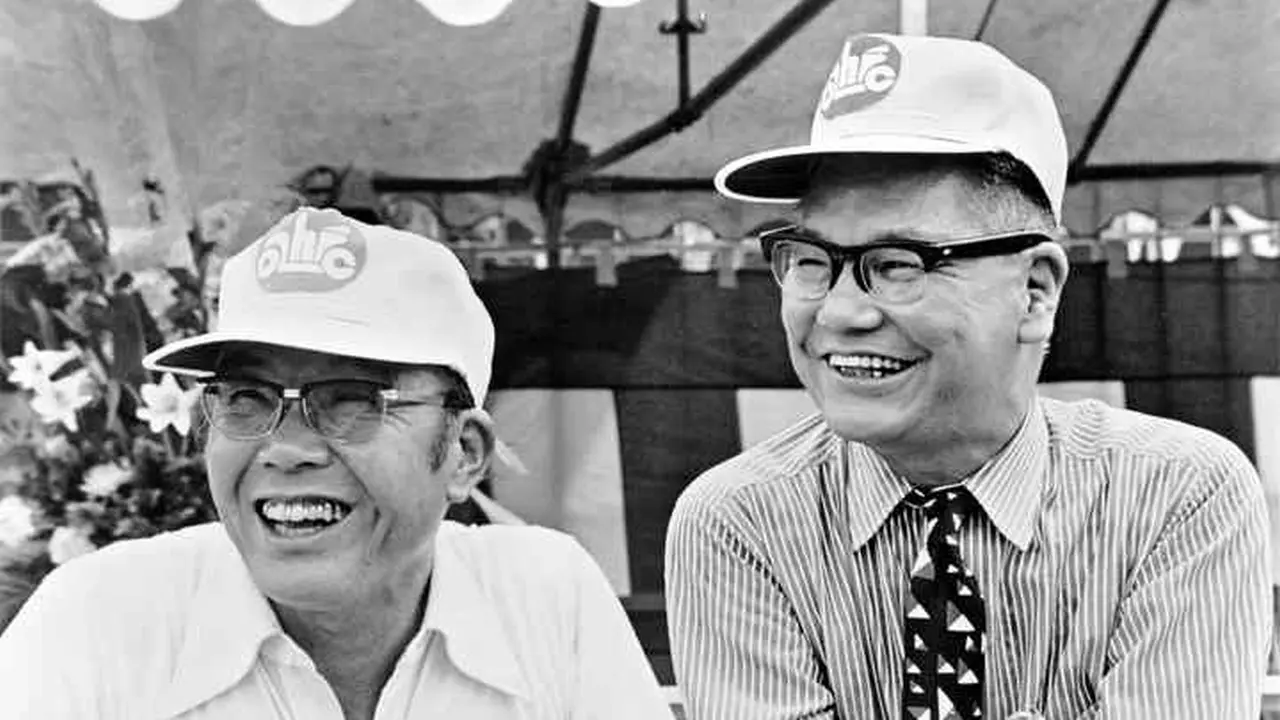
Honda's history is the story of one of the world's most influential engineering and automotive companies. Founded in 1946 by Soichiro Honda and Takeo Fujisawa in Japan, Honda was built on a simple yet ambitious vision: to make transportation more accessible through reliable, innovative, and affordable motorized vehicles.
From humble beginnings as a motorcycle manufacturer, Honda grew into one of the world's largest producers of motorcycles, automobiles, power equipment, and advanced mobility technologies. Today, Honda is recognized globally for its engineering excellence, reliability, fuel efficiency, and commitment to innovation.
Foundation and Early Years (1946–1950s)
Honda D-Type (1949)
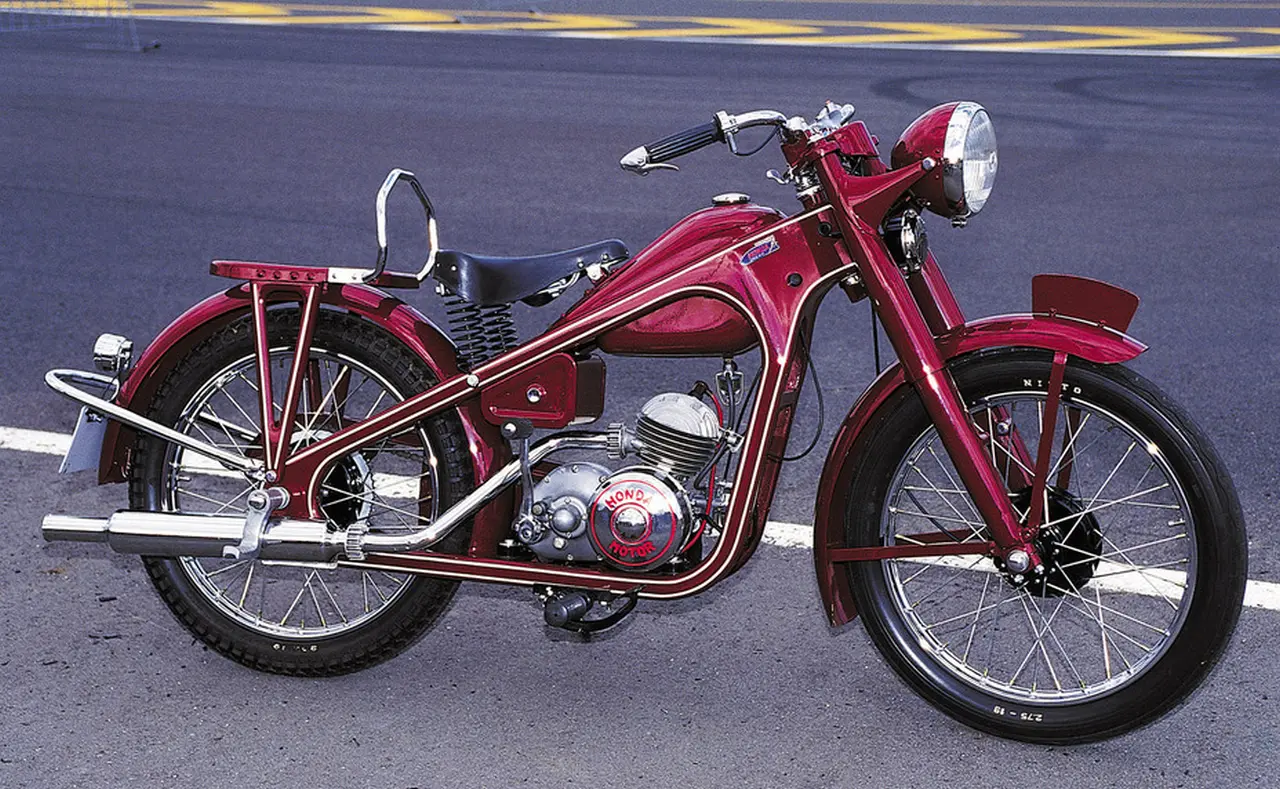
Honda initially focused on motorcycle production to meet Japan's growing demand for affordable transportation after World War II.
In 1949, the company introduced its first complete motorcycle, the Honda D-Type, affectionately nicknamed the "Dream." Equipped with a 98 cc two-stroke engine, the D-Type offered dependable performance, low operating costs, and ease of maintenance, making it an instant success in post-war Japan.
The D-Type laid the foundation for Honda's reputation for producing durable, economical, and innovative motorcycles.
Honda Super Cub (1958)
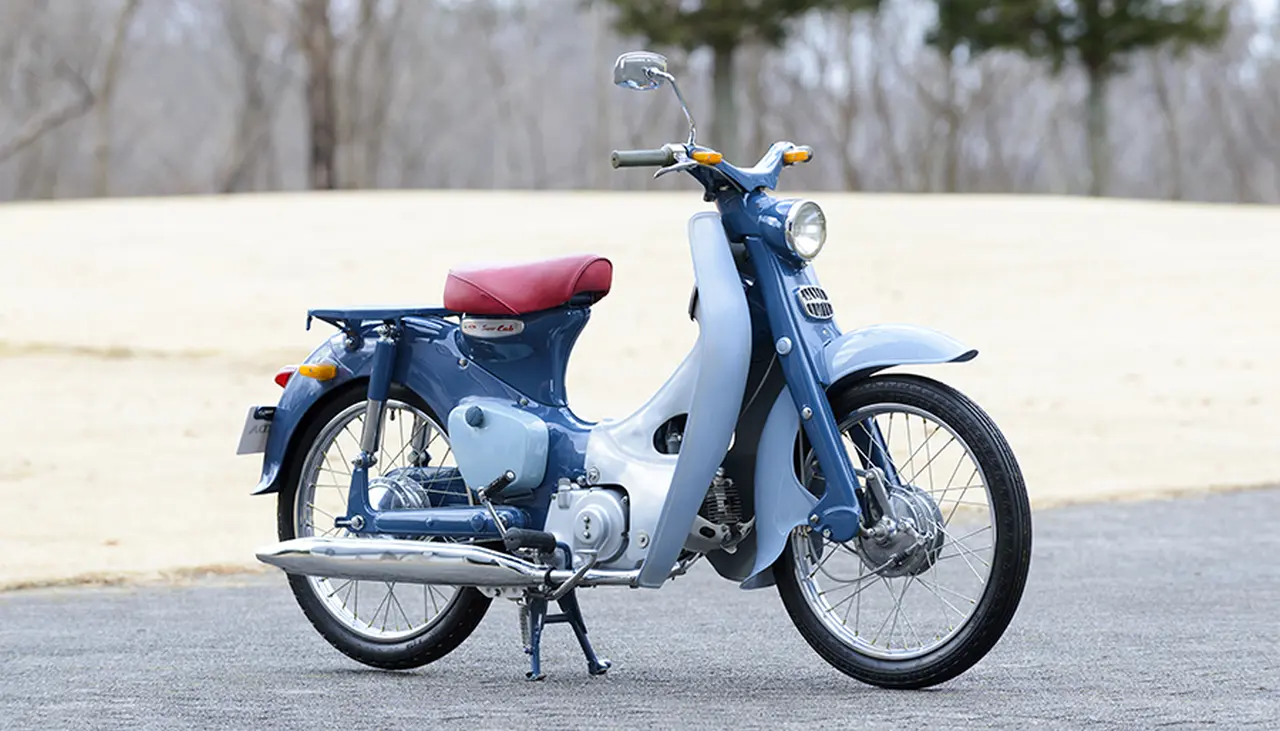
The Honda Super Cub, introduced in 1958, became one of the most successful vehicles ever built.
Designed by Soichiro Honda, the Super Cub was created to be:
-
Lightweight
-
Reliable
-
Affordable
-
Easy to ride
-
Extremely fuel-efficient
Unlike many motorcycles of its time, the Super Cub featured a step-through frame and a semi-automatic transmission, making it accessible even for first-time riders.
Powered initially by a 49 cc four-stroke engine, it delivered excellent fuel economy while requiring minimal maintenance.
The Super Cub quickly became popular across Asia, Europe, Latin America, and eventually North America.
Today, it remains the best-selling motor vehicle in history, with more than 100 million units produced worldwide, a milestone unmatched by any other motorcycle model.
Global Expansion and Honda's Entry into Automobile Production (1960s)
Honda T360 (1963)
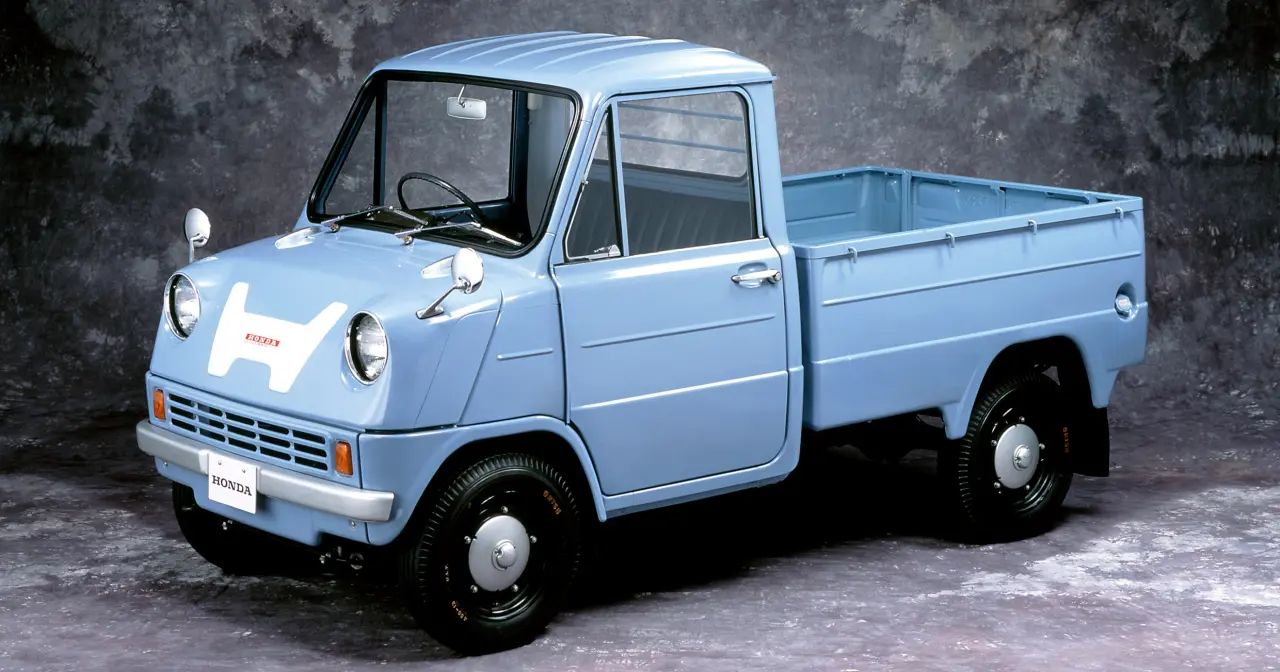
The Honda T360, introduced in 1963, marked Honda's first production automobile.
Although technically a compact pickup truck, it represented Honda's official entry into the automotive industry.
Designed to comply with Japan's Kei vehicle regulations, the T360 featured:
-
356 cc water-cooled inline-four engine
-
Approximately 30 horsepower
-
Top speed of around 100 km/h (62 mph)
-
Compact dimensions ideal for urban transportation
The T360 was intended primarily for small businesses and city deliveries, offering practicality, low operating costs, and excellent reliability.
Its success demonstrated Honda's engineering capability beyond motorcycles and paved the way for future passenger vehicles.
Honda S500 (1963)
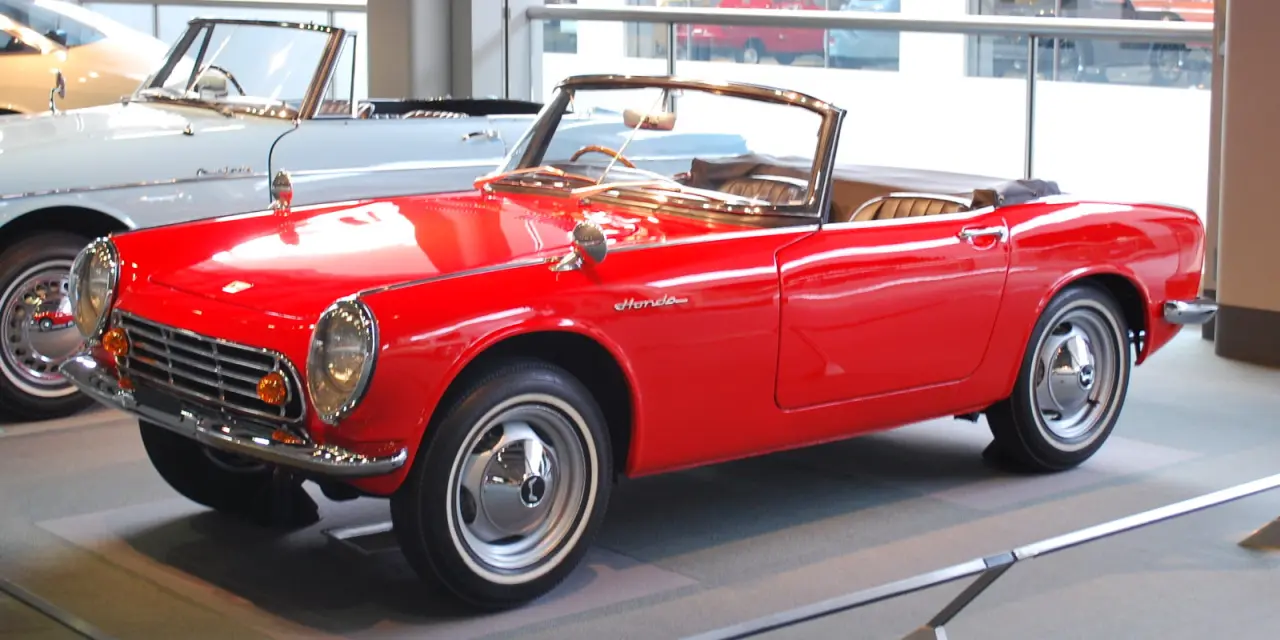
Later that same year, Honda introduced its first sports car, the Honda S500.
The S500 showcased Honda's ambition to compete in the growing sports car market while demonstrating the company's advanced engineering expertise.
Unlike many small sports cars of its era, the S500 featured technology inspired directly by Honda's motorcycle experience.
Key Specifications
-
531 cc DOHC inline-four engine
-
44 horsepower
-
Rear-wheel drive
-
Four-speed manual transmission
-
Independent suspension
-
Aluminum engine block
-
Chain-driven rear axle
Thanks to its lightweight construction and high-revving engine capable of reaching nearly 10,000 rpm, the S500 delivered an exciting driving experience despite its modest displacement.
The model established Honda as a serious automotive manufacturer capable of producing both practical and performance-oriented vehicles.
Innovation and Technological Progress (1970s–1980s)
Honda Civic (1972)
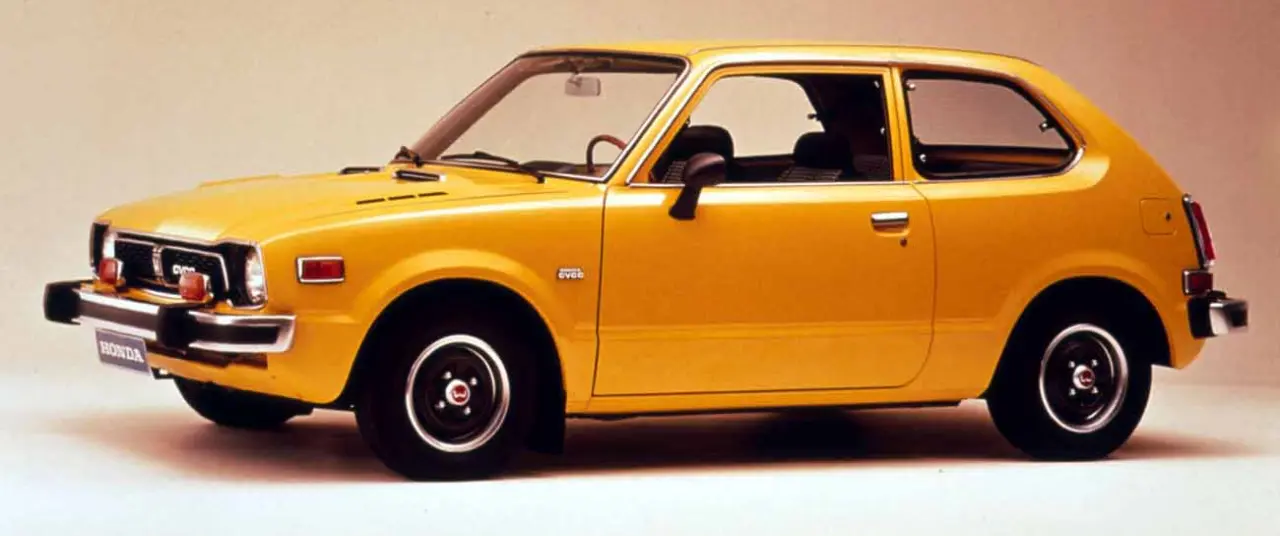
Introduced in 1972, the Honda Civic became one of Honda's most influential and successful automobiles.
The Civic arrived during a period of increasing demand for compact, fuel-efficient vehicles, especially following the global oil crisis of the 1970s.
Its combination of:
-
Excellent fuel economy
-
Affordable pricing
-
Reliability
-
Compact dimensions
-
Comfortable interior
made it an instant success around the world.
The Civic was available in both hatchback and sedan body styles and continuously evolved through multiple generations, each introducing improved safety, performance, technology, and efficiency.
Today, the Honda Civic remains one of the world's best-selling compact cars and enjoys an outstanding reputation for dependability and long-term durability.
Honda Accord (1976)
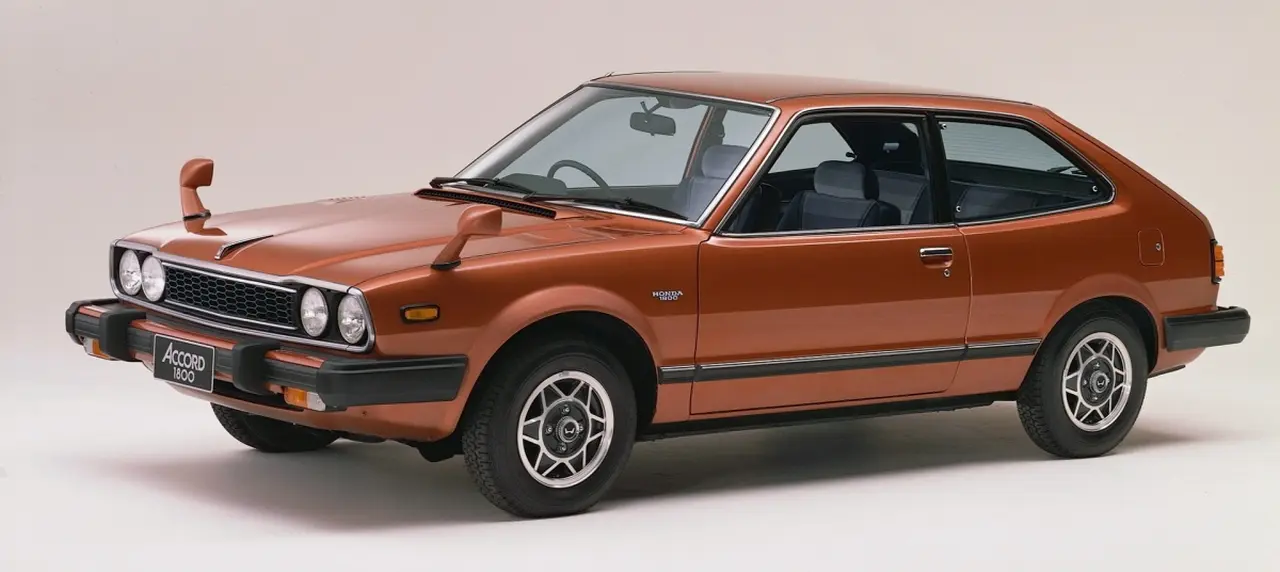
The Honda Accord, launched in 1976, quickly became one of Honda's flagship models.
Initially developed with the North American market in mind, the Accord rapidly gained worldwide popularity thanks to its exceptional quality, spacious interior, fuel efficiency, and smooth driving characteristics.
Throughout its history, the Accord has been offered in various configurations, including:
-
Sedan
-
Hatchback
-
Coupe
-
Wagon (in selected markets)
Each generation introduced more advanced engines, improved safety technologies, and increased refinement.
Today, the Accord continues to be recognized as one of the most reliable and respected midsize sedans in the automotive industry.
Honda Prelude (1978–2001)
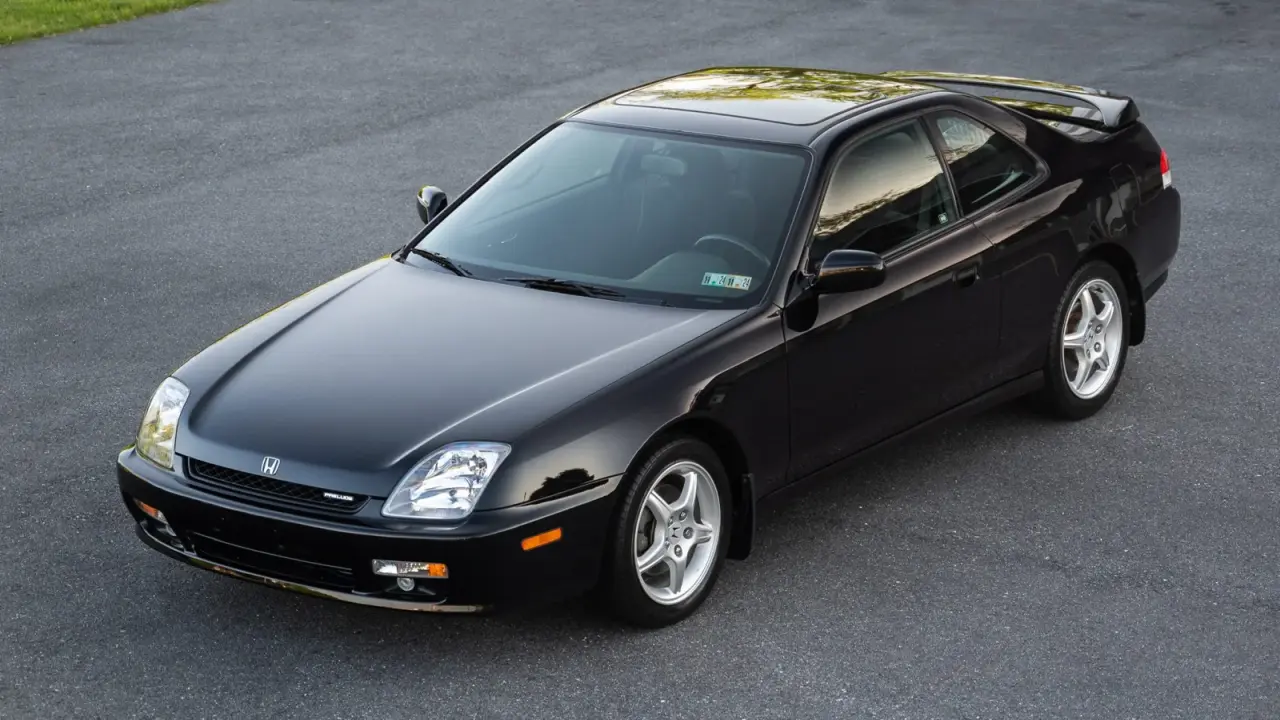
Introduced in 1978, the Honda Prelude became one of Honda's most advanced and stylish sports coupes. Produced until 2001, it combined sporty performance, elegant design, and innovative engineering, making it one of the company's most respected performance models.
Throughout its five generations, the Prelude showcased Honda's commitment to technological advancement. One of its most notable innovations was the four-wheel steering (4WS) system, introduced in the late 1980s. This technology significantly improved agility at low speeds and stability during high-speed cornering, placing the Prelude ahead of many competitors of its time.
The Prelude was powered by a range of responsive four-cylinder engines, many equipped with Honda's revolutionary VTEC (Variable Valve Timing and Lift Electronic Control) technology, delivering an ideal balance of performance, efficiency, and everyday usability.
Even after production ended in 2001, the Prelude remains highly regarded among enthusiasts for its precise handling, reliability, and timeless styling.
Honda CR-X (1983–1991)
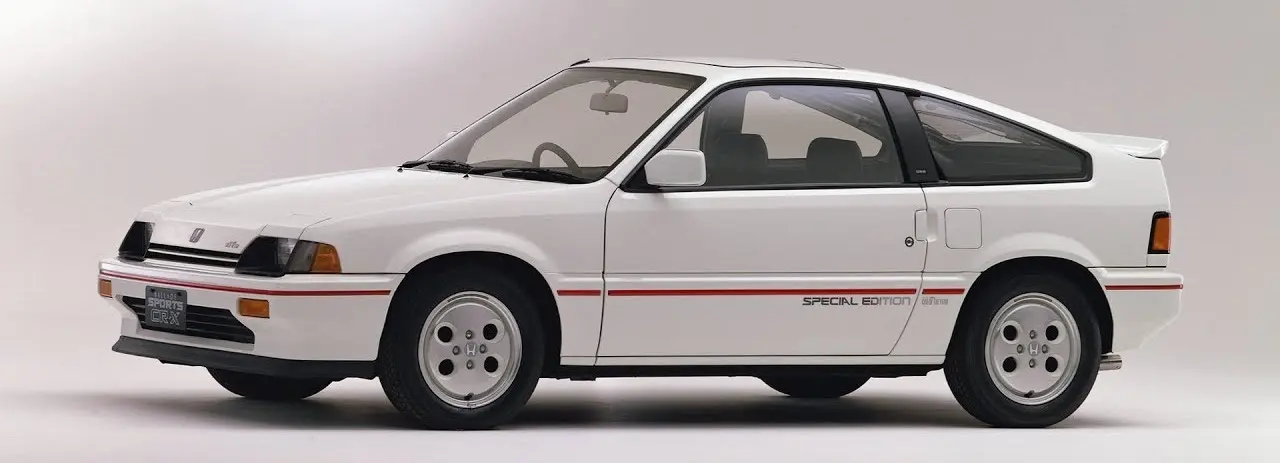
The Honda CR-X was introduced in 1983 as a lightweight compact sports coupe designed to deliver maximum driving enjoyment with minimal weight.
Built on the Civic platform, the CR-X quickly earned a reputation for its agile handling, excellent fuel economy, and lively performance.
Engine options ranged from 1.3-liter to 1.6-liter four-cylinder engines, with later performance versions featuring Honda's VTEC technology. Combined with its lightweight chassis, the CR-X delivered impressive acceleration and exceptional cornering ability.
The model became especially popular among younger drivers and motorsport enthusiasts thanks to its affordability, reliability, and strong aftermarket support.
Today, the CR-X is considered a modern classic and remains one of Honda's most beloved performance cars.
Performance Models and Electrification (1990s–2000s)
Honda NSX

The launch of the Honda NSX in 1990 marked a turning point in Honda's automotive history.
Developed with input from Formula One legend Ayrton Senna, the NSX was designed to combine supercar performance with Honda's legendary reliability and everyday usability.
The NSX introduced several groundbreaking technologies, including:
-
The world's first mass-produced all-aluminum monocoque chassis
-
Mid-engine layout
-
Naturally aspirated V6 engine
-
Titanium connecting rods (on later versions)
-
Advanced suspension design
-
Exceptional reliability compared to European supercars
Powered by a 3.0-liter V6 VTEC engine, later expanded to 3.2 liters, the NSX demonstrated that a supercar could be both thrilling and dependable.
Many automotive historians credit the NSX with forcing established European manufacturers to improve the quality and usability of their own high-performance vehicles.
Honda's Revolutionary VTEC Technology
One of Honda's greatest engineering achievements is its VTEC (Variable Valve Timing and Lift Electronic Control) system.
Introduced during the late 1980s, VTEC allows an engine to switch between different camshaft profiles depending on engine speed.
This innovative system provides:
-
Better fuel economy at low RPM
-
Increased torque during everyday driving
-
Higher horsepower at high RPM
-
Improved emissions performance
-
Greater engine efficiency
VTEC became one of Honda's signature technologies and remains one of the most influential engine innovations in modern automotive engineering.
Honda Insight (1999)

As environmental concerns became increasingly important, Honda expanded its focus beyond performance and reliability.
In 1999, the company introduced the Honda Insight, Japan's first mass-produced hybrid passenger car.
The Insight featured:
-
Hybrid gasoline-electric powertrain
-
Lightweight aluminum body
-
Excellent aerodynamic design
-
Outstanding fuel efficiency
Its Integrated Motor Assist (IMA) hybrid system demonstrated Honda's commitment to reducing emissions while maintaining enjoyable driving characteristics.
The Insight paved the way for Honda's future hybrid technologies and reinforced the company's reputation as an innovator in environmentally friendly mobility.
Honda Today and Its Vision for the Future
Today, Honda is one of the world's largest manufacturers of automobiles, motorcycles, marine engines, and power equipment.
The company continues investing heavily in:
-
Battery-electric vehicles (EVs)
-
Hybrid technology
-
Hydrogen fuel-cell vehicles
-
Autonomous driving systems
-
Artificial intelligence
-
Connected mobility solutions
Models such as the Honda e demonstrate the company's commitment to creating sustainable urban transportation while maintaining Honda's traditional emphasis on engineering quality and practicality.
Honda also continues to compete at the highest levels of motorsport. Its success in Formula One, MotoGP, IndyCar, and numerous international racing championships reflects decades of engineering excellence and innovation.
These racing programs continue to influence the development of Honda's production vehicles, transferring cutting-edge technology from the track to the road.
Conclusion
From producing small motorcycles in post-war Japan to becoming one of the world's most respected automotive manufacturers, Honda's journey is a remarkable story of innovation, determination, and engineering excellence.
Throughout its history, Honda has introduced groundbreaking technologies, legendary motorcycles, reliable family cars, and world-class performance vehicles that have influenced the entire automotive industry.
Whether through the iconic Super Cub, the dependable Civic and Accord, the revolutionary NSX, or its latest electric and hybrid vehicles, Honda has consistently demonstrated its ability to combine reliability, efficiency, innovation, and driving enjoyment.
As the automotive industry moves toward electrification and intelligent mobility, Honda remains committed to its founding philosophy of improving people's lives through advanced engineering and sustainable transportation solutions.
Today, Honda stands as a global symbol of reliability, innovation, performance, and forward-thinking engineering—qualities that continue to shape the future of mobility.