TR
TR EN
EN

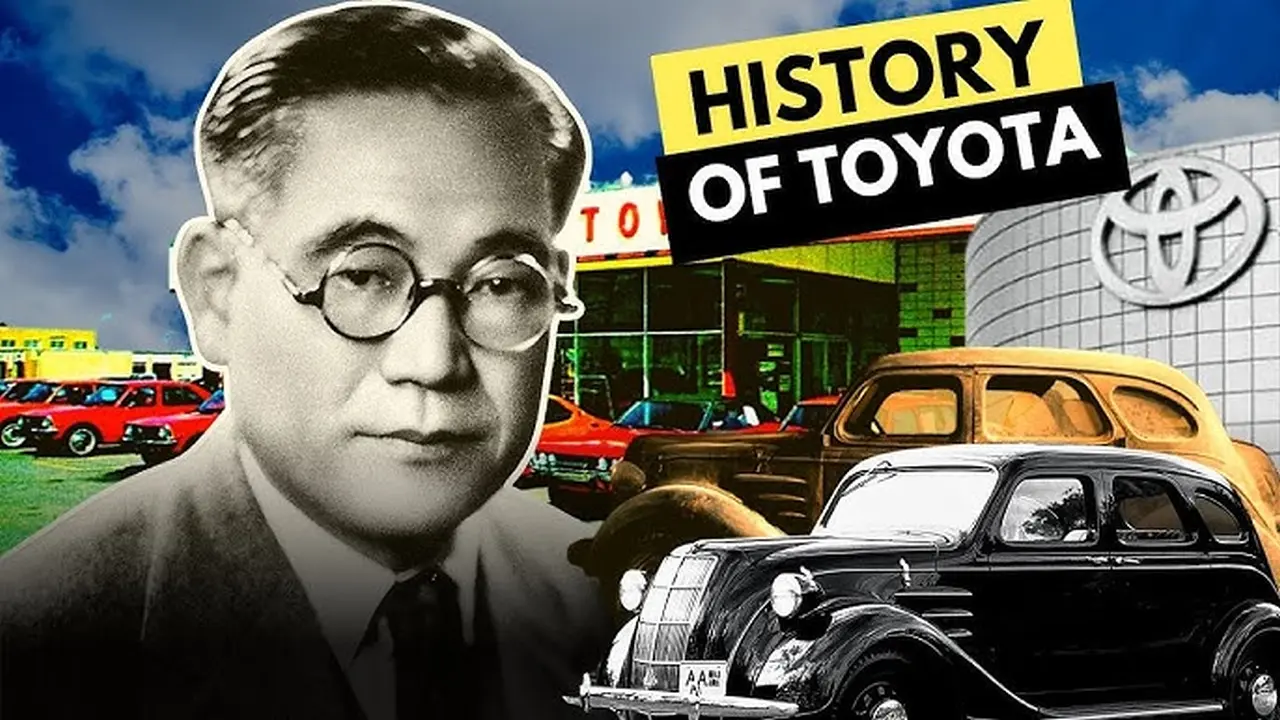
The Evolution of Toyota: From the 1930s to the Present Day
Toyota Motor Corporation is one of the largest and most successful automotive manufacturers in the world. From its humble beginnings as a division of a textile machinery company to becoming a global leader in automotive innovation, Toyota has played a major role in shaping the modern automobile industry. Today, the company is recognized for its quality, reliability, hybrid technology, and continuous innovation.
The Origins of Toyota (1930s)
Toyota's automotive journey began during Japan's industrial expansion. Kiichiro Toyoda, the son of Sakichi Toyoda, founder of Toyoda Automatic Loom Works, believed that the future of transportation lay in automobile manufacturing.
In 1933, Toyoda Automatic Loom Works established an automotive division, marking the company's first step into vehicle production. Kiichiro Toyoda began researching automobile engineering by studying American and European manufacturers.
In 1936, Toyota introduced its first passenger car prototype, the Toyota Model AA, which became one of Japan's earliest domestically produced passenger cars.
A year later, on August 28, 1937, Toyota Motor Co., Ltd. was officially established. The company name was changed from Toyoda to Toyota, partly because the new spelling required eight brush strokes in Japanese—a number considered lucky—and because it was easier to pronounce and visually cleaner.
World War II and Post-War Recovery (1940s–1950s)
During World War II, Toyota primarily manufactured military trucks for the Japanese Army. Civilian passenger car production was largely suspended.
Following the war, Toyota returned its focus to passenger vehicles.
In 1947, the company introduced the Toyota SA, its first post-war passenger car. Compact, economical, and affordable, the SA helped meet Japan's growing demand for personal transportation during the country's reconstruction.
One of Toyota's greatest contributions to manufacturing also began during this era.
In 1950, the company started developing the Toyota Production System (TPS), a revolutionary manufacturing philosophy focused on eliminating waste, improving efficiency, and maximizing quality. TPS later became the global benchmark for lean manufacturing.
In 1951, Toyota introduced the legendary Land Cruiser, originally developed as a rugged four-wheel-drive vehicle capable of handling Japan's demanding terrain. Over time, it became one of the world's most respected off-road vehicles.
Toyota Model G1 (1935): Toyota's First Commercial Vehicle
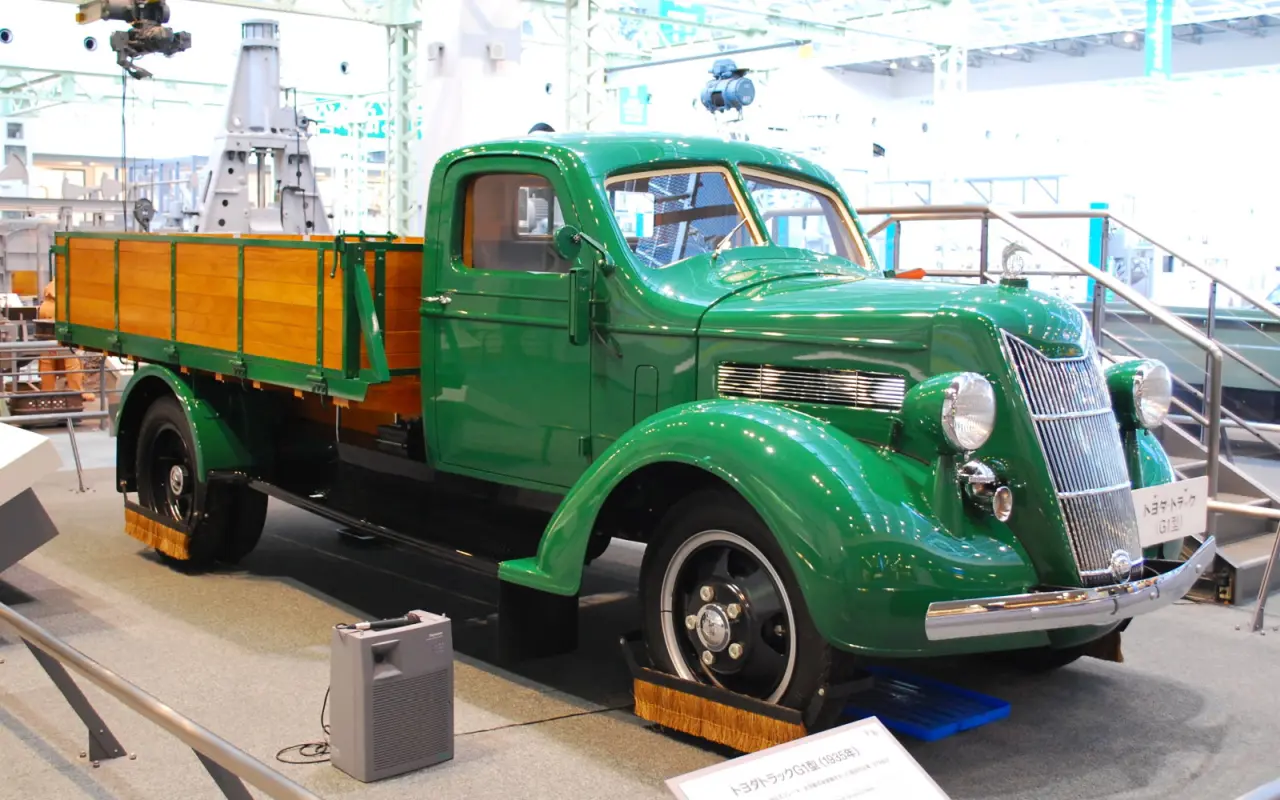
Before producing passenger cars, Toyota entered the commercial vehicle market with the Toyota G1 truck in 1935.
Designed primarily for cargo transportation, the G1 featured a durable chassis, a four-cylinder engine, and an impressive payload capacity of approximately three tons. It became Toyota's first production vehicle and established the company's reputation for durability and engineering reliability.
The G1 also laid the foundation for Toyota's future success in commercial vehicles.
Toyota Model AA (1936): Toyota's First Passenger Car
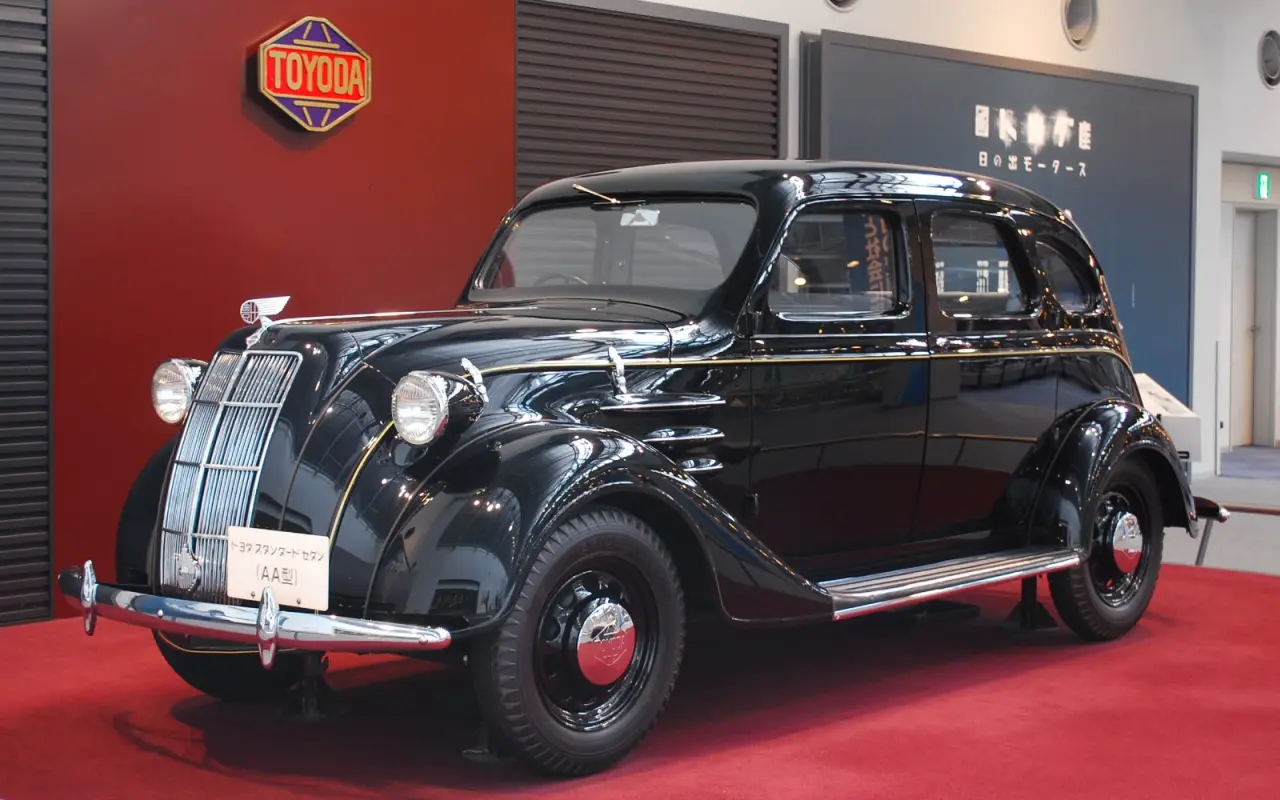
The Toyota Model AA, introduced in 1936, represented Toyota's first true passenger automobile.
Inspired by contemporary American luxury sedans, the AA featured a six-cylinder engine, streamlined styling, and a spacious interior. Around 1,400 units were produced, making it one of Japan's earliest mass-produced passenger cars.
The Model AA marked Toyota's official entry into the passenger vehicle market and demonstrated that Japan could produce competitive automobiles domestically.
Toyota Model AB (1937)
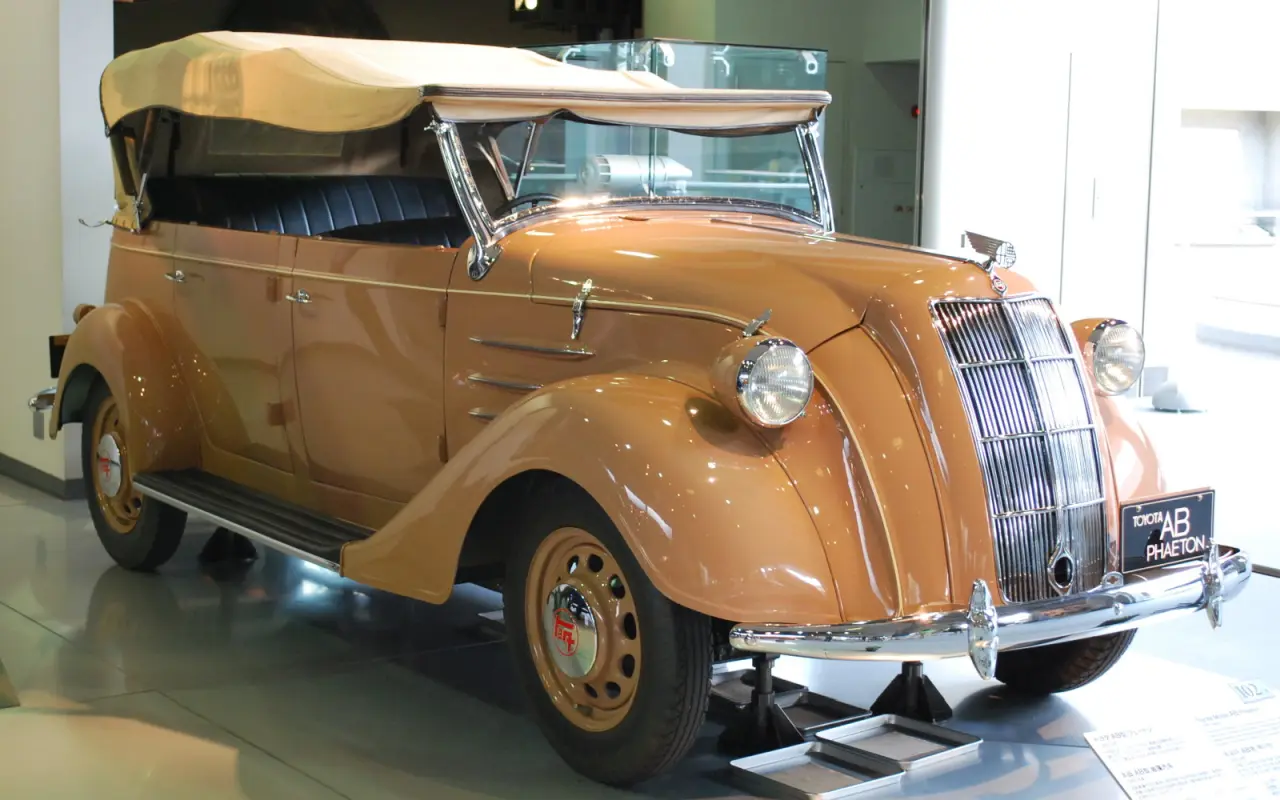
Following the success of the Model AA, Toyota introduced the Model AB.
This open-top touring car shared much of its engineering with the AA but featured a lighter body and was produced in limited numbers. It served as an experimental platform while Toyota continued refining its passenger vehicle technology.
Toyota Model AC (1943–1948)
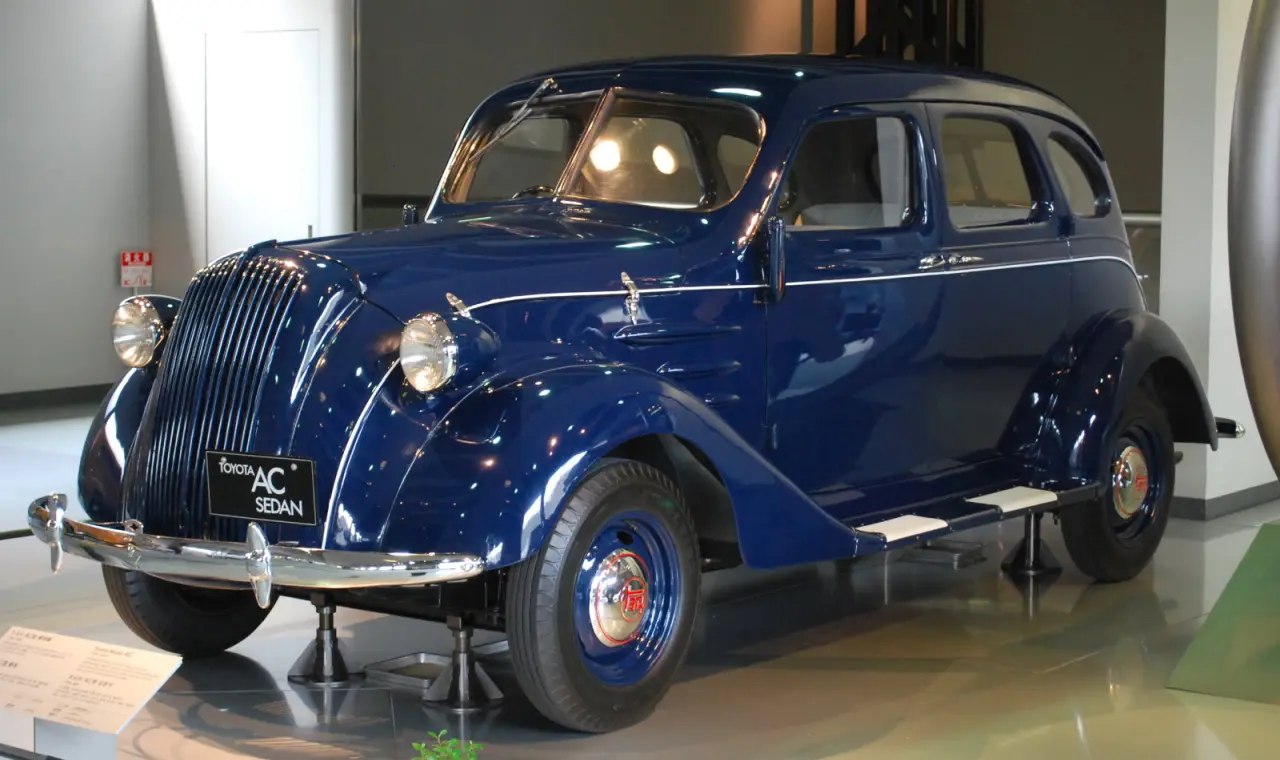
The Toyota AC was an updated version of the Model AA, featuring several body modifications, including a split windshield separated by a reinforced central pillar.
Development began in 1938, while production took place intermittently between 1943 and 1948, with only 115 units manufactured.
Because of wartime conditions, Toyota soon shifted its attention toward developing a completely new post-war vehicle—the Toyota SA.
Toyota SA (1947–1952): Toyota's First Affordable Passenger Car
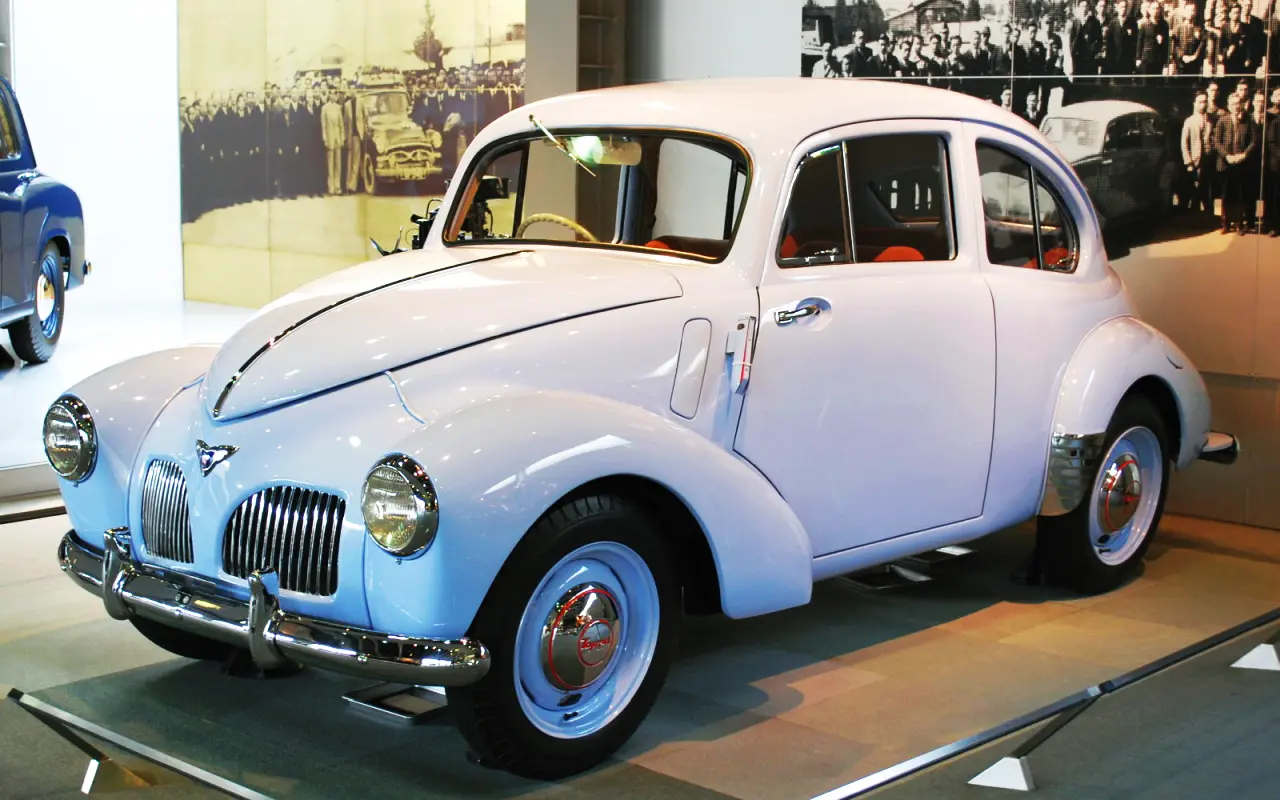
After World War II, Toyota introduced the Toyota SA, nicknamed the "Toyopet."
Designed to provide affordable transportation for Japanese families, the SA featured:
-
A compact four-cylinder engine
-
Lightweight construction
-
Excellent fuel economy
-
Independent suspension, unusual for its era
The SA became the foundation of Toyota's post-war passenger car business.
Toyota Land Cruiser (1951): The Beginning of a Legend
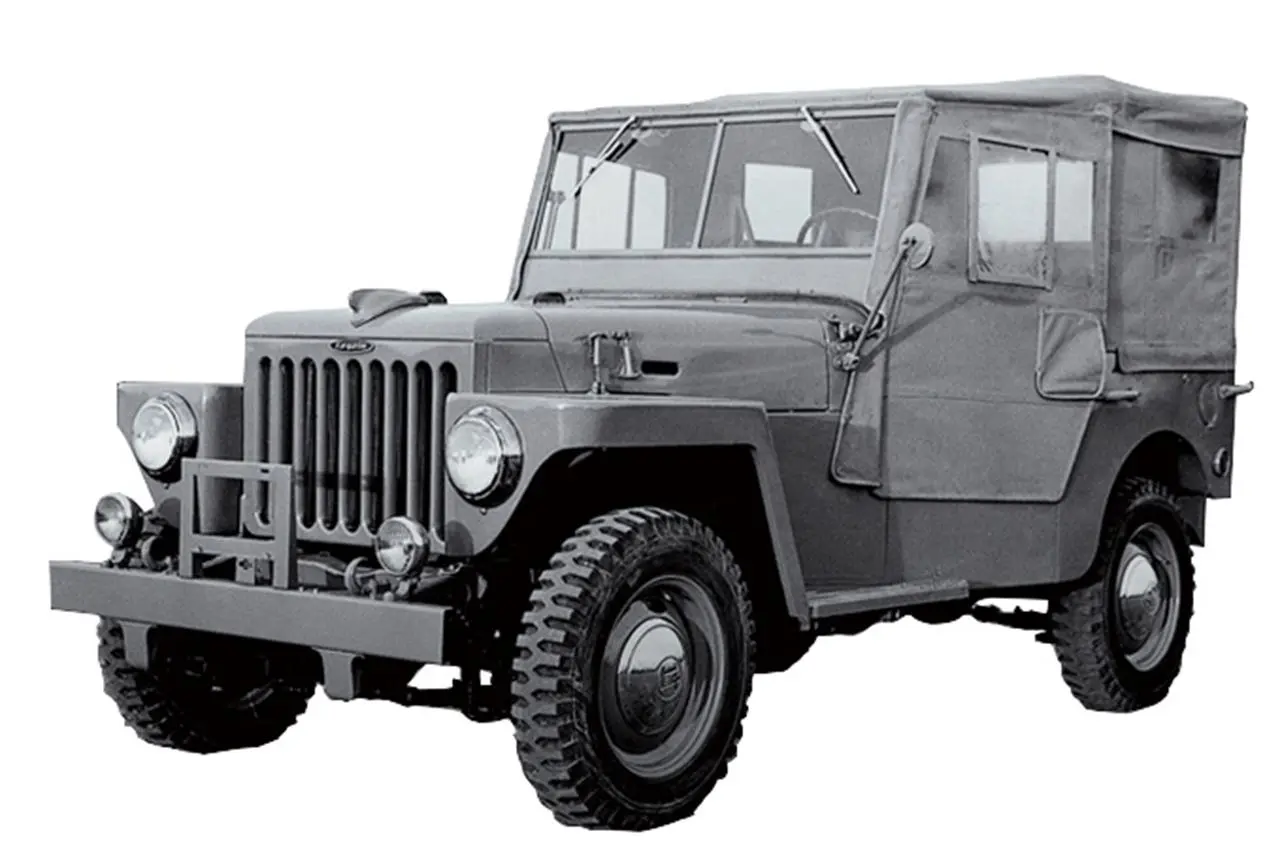
Introduced in 1951, the Toyota Land Cruiser was originally developed for military use before entering civilian markets.
Its four-wheel-drive system, rugged construction, and exceptional durability quickly earned international recognition.
Over the decades, the Land Cruiser became one of the world's most respected off-road vehicles, especially in Africa, the Middle East, Australia, and South America.
Toyota's Global Expansion (1960s–1970s)
The 1960s marked Toyota's transformation into an international automotive manufacturer.
In 1966, Toyota introduced the Corolla, a compact family car designed to be affordable, reliable, and economical.
The Corolla rapidly became a worldwide success and eventually earned the title of the world's best-selling automobile nameplate.
Toyota also expanded its business through acquisitions, including Hino Motors and Daihatsu, allowing the company to diversify into commercial vehicles and compact cars.
Throughout the 1970s, Toyota expanded aggressively into North America and Europe, establishing manufacturing plants and dealer networks that significantly increased its global market share.
Toyota Crown (1955): Japan's Luxury Sedan Pioneer
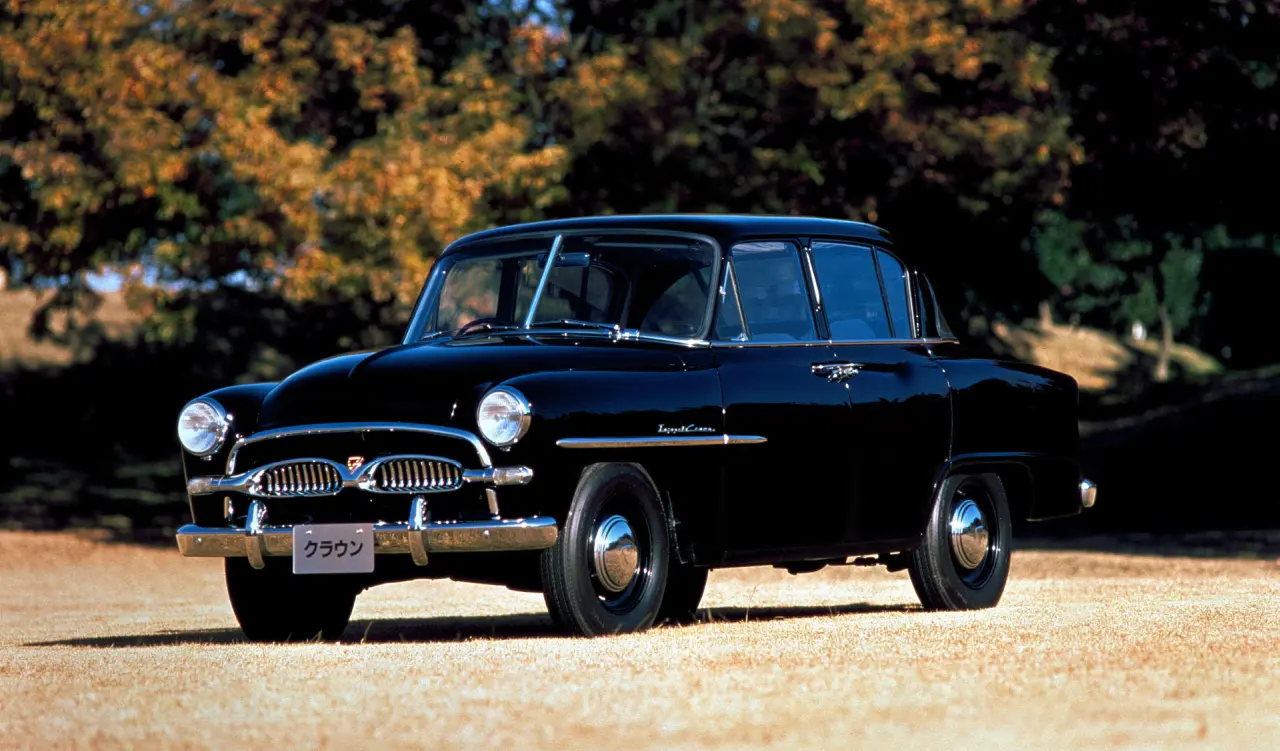
The Toyota Crown, launched in 1955, became Japan's first domestically developed luxury sedan.
Offering greater comfort, improved ride quality, and refined engineering, the Crown demonstrated Toyota's ability to compete beyond economy vehicles.
It also became one of Toyota's earliest export models.
Toyota Corolla (1966): The Car That Changed Everything
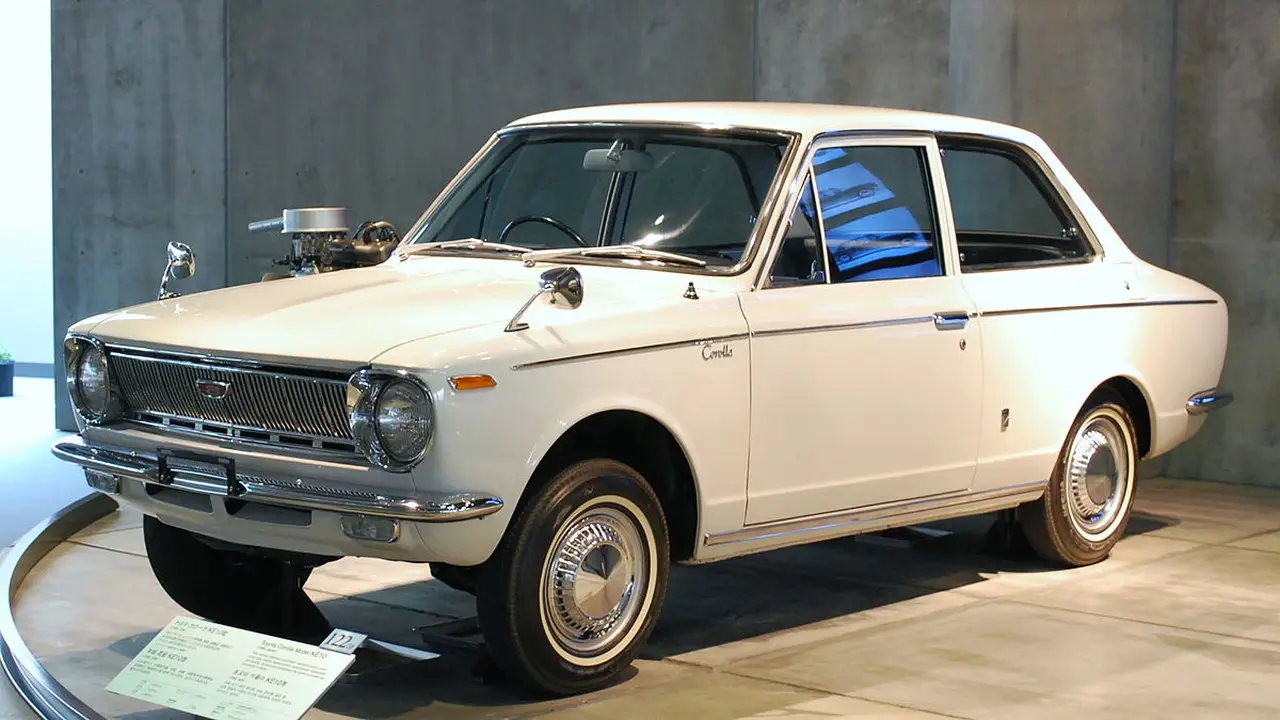
The Toyota Corolla transformed Toyota into a global automotive powerhouse.
Affordable pricing, excellent fuel economy, mechanical reliability, and low maintenance costs made it one of the most successful vehicles ever produced.
Today, more than 50 million Corolla vehicles have been sold worldwide, making it the best-selling automobile model in history.
Toyota Celica (1970): Bringing Sports Cars to the Masses
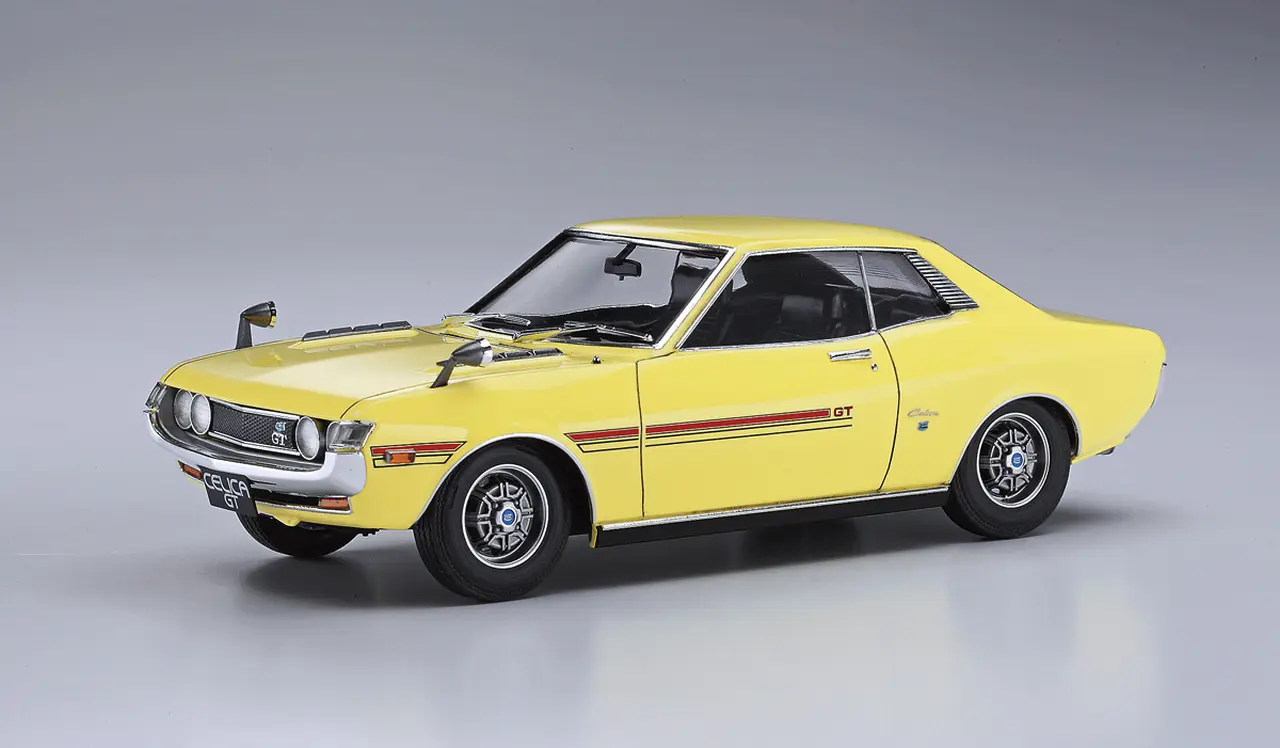
Introduced in 1970, the Toyota Celica gave Toyota a strong presence in the affordable sports coupe segment.
Its sleek styling, responsive handling, and competitive pricing appealed to younger drivers worldwide.
The Celica also became highly successful in international motorsport, particularly in rally racing.
Toyota Camry (1982): The Global Family Sedan
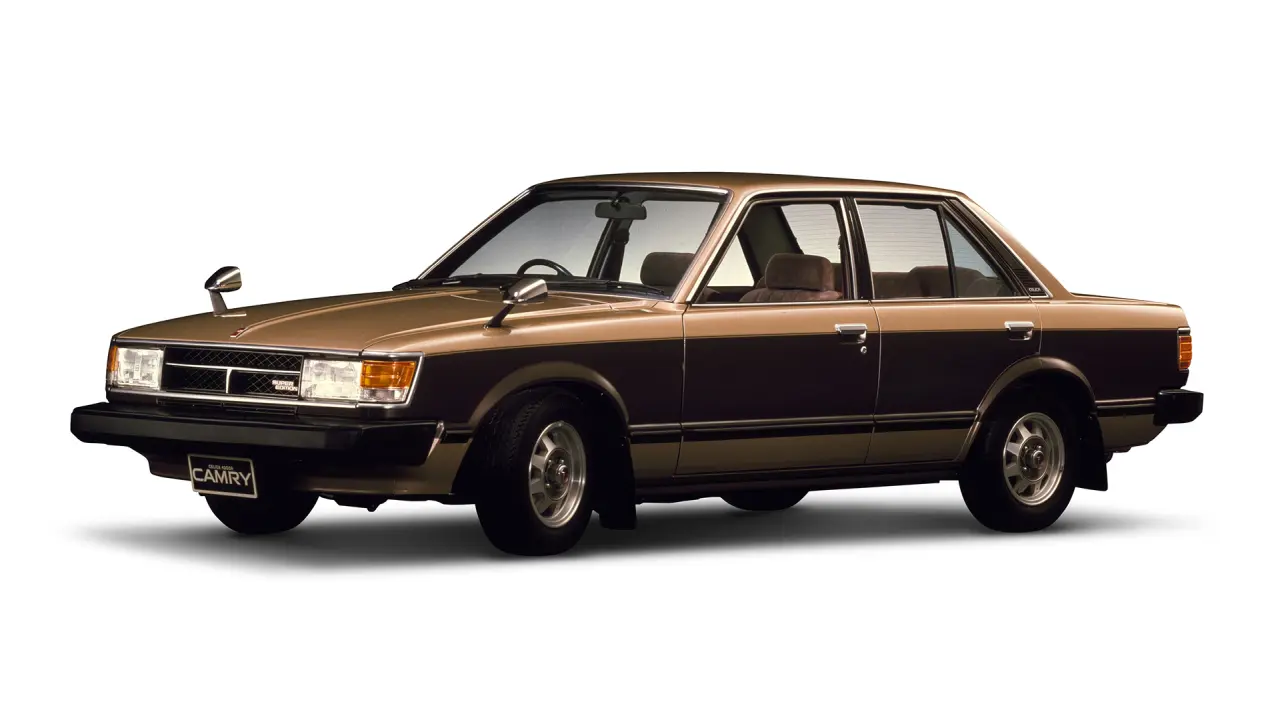
The Toyota Camry, introduced in 1982, became Toyota's flagship midsize sedan.
Known for its reliability, comfort, fuel efficiency, and long-term durability, the Camry quickly became one of the best-selling passenger cars in North America.
It remains one of Toyota's most successful global models.
Toyota Prius (1997): The World's First Mass-Produced Hybrid
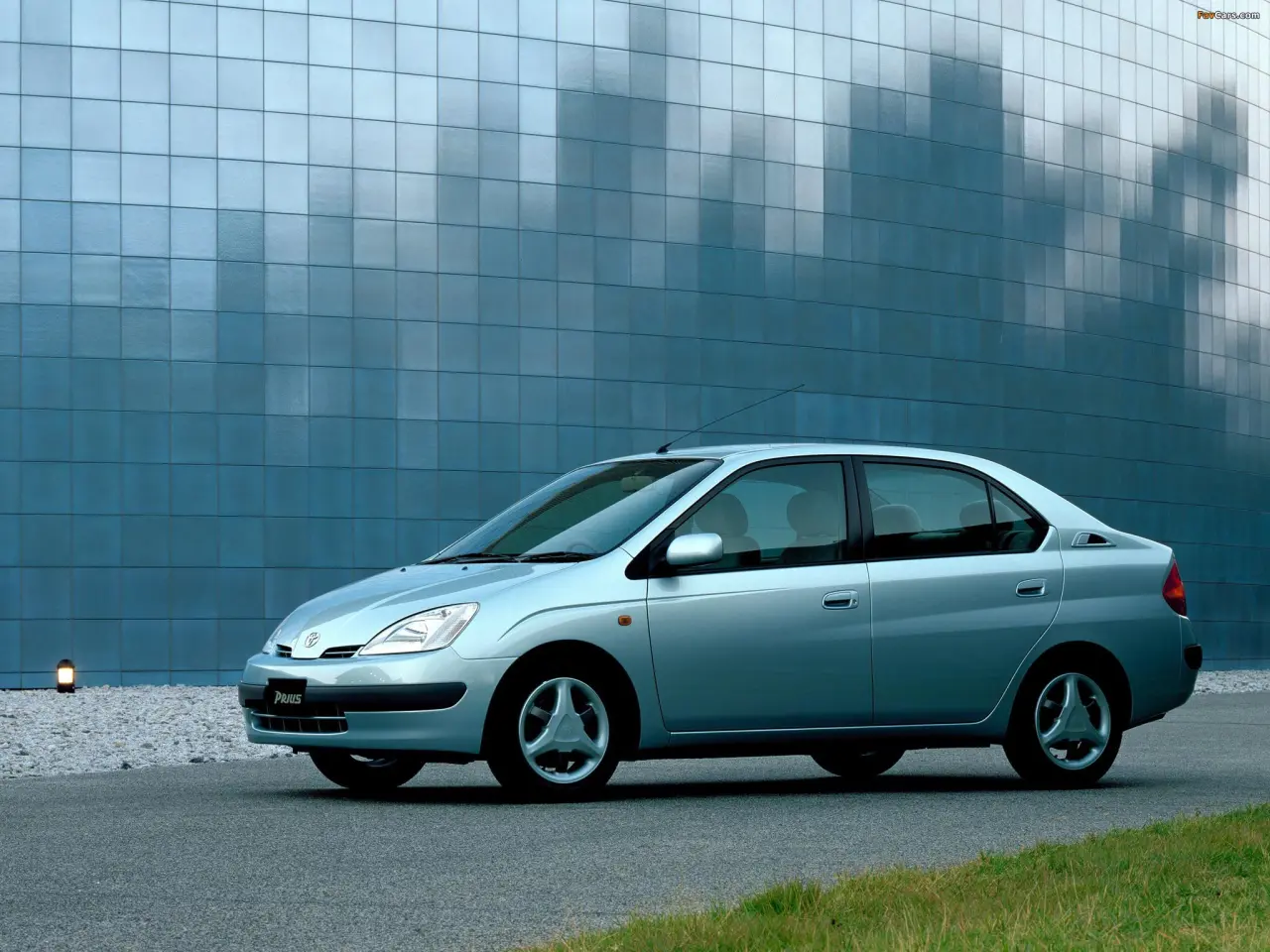
Toyota revolutionized the automotive industry once again with the launch of the Prius in 1997.
As the world's first mass-produced hybrid passenger vehicle, the Prius combined a gasoline engine with an electric motor to significantly reduce fuel consumption and emissions.
Its success positioned Toyota as the global leader in hybrid technology.
Technology, Lean Manufacturing, and Global Leadership
Toyota's worldwide success is based not only on its vehicles but also on its manufacturing philosophy.
The Toyota Production System (TPS) introduced concepts such as:
-
Just-in-Time (JIT) manufacturing
-
Kaizen (continuous improvement)
-
Jidoka (automation with human intelligence)
-
Waste elimination
-
Quality at every production stage
These principles have influenced manufacturing industries far beyond the automotive sector.
Toyota Today
Today, Toyota manufactures approximately 10 million vehicles annually and operates in more than 170 countries and regions.
Its current lineup includes globally recognized models such as:
-
Toyota Corolla
-
Toyota Camry
-
Toyota Prius
-
Toyota Land Cruiser
-
Toyota Hilux
-
Toyota RAV4
-
Toyota Yaris
-
Toyota Crown
Toyota also owns luxury brand Lexus and maintains strategic partnerships with companies such as Subaru, Mazda, Suzuki, and Isuzu.
The Future of Toyota
Toyota continues investing heavily in next-generation mobility technologies, including:
-
Battery electric vehicles (BEVs)
-
Hybrid and plug-in hybrid systems
-
Hydrogen fuel-cell vehicles
-
Autonomous driving technology
-
Artificial intelligence
-
Connected mobility services
-
Advanced battery research
Rather than relying on a single technology, Toyota follows a multi-pathway strategy, believing that hybrids, battery-electric vehicles, hydrogen fuel-cell vehicles, and low-emission internal combustion engines will all contribute to reducing carbon emissions.
Conclusion
From producing its first truck in 1935 to becoming one of the world's largest automotive manufacturers, Toyota's journey is a remarkable story of innovation, perseverance, and continuous improvement.
Models such as the Model AA, Land Cruiser, Corolla, Camry, and Prius have each played a vital role in shaping Toyota's global reputation.
Today, Toyota stands not only as a manufacturer of reliable automobiles but also as a leader in sustainable mobility, advanced manufacturing, and future transportation technologies. As the automotive industry continues to evolve, Toyota remains committed to innovation while staying true to the principles that have defined its success for nearly a century.