TR
TR EN
EN

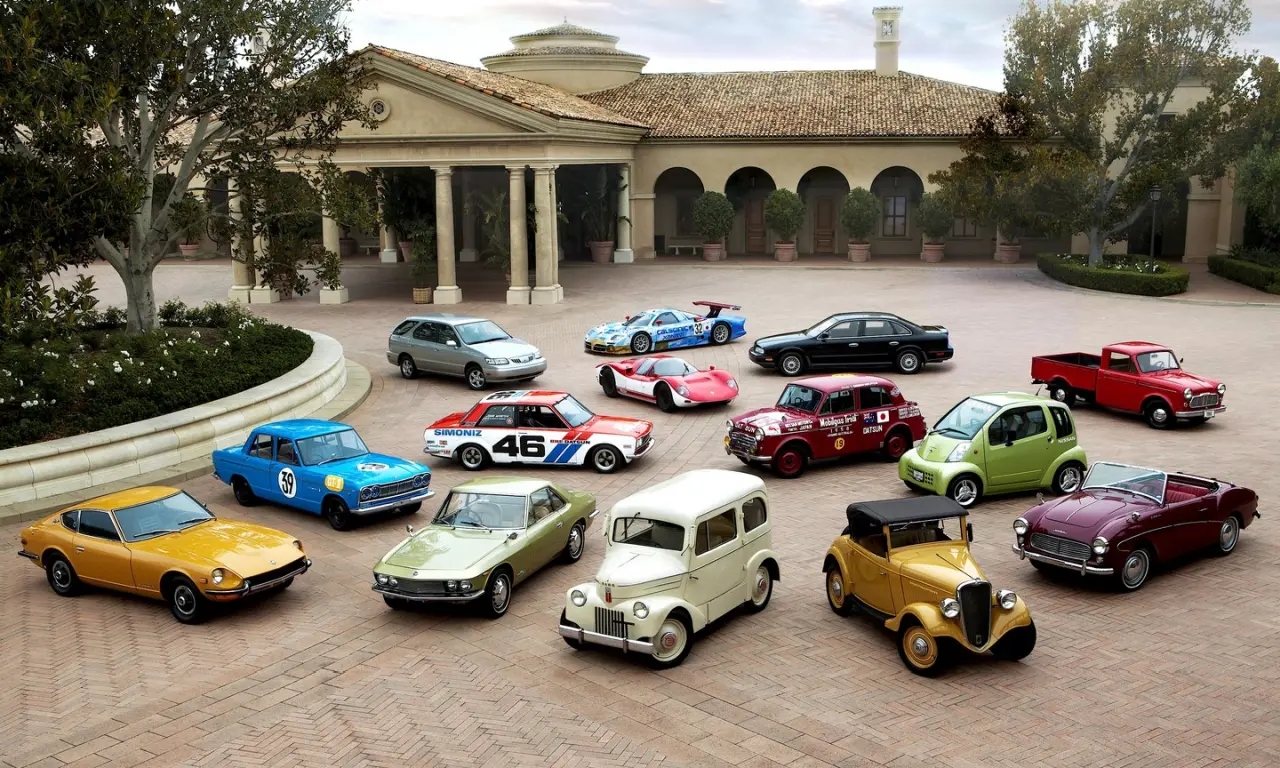
From Datsun to Nissan: The Brand That Revolutionized the Automotive Industry
Nissan is a Japanese multinational automobile manufacturer and one of the world's leading automotive companies. The history of Nissan is not only the story of a brand but also an important chapter in the development of Japan's automotive industry.
Before the Nissan Brand
Kaishinsha Motorcar Works (1910–1930)
In 1910, Kaishinsha Motorcar Works (快進自動車工場, Kaishin Jidōsha Kōjō) was founded by Kenjiro Den, Rokuro Aoyama, and Meitaro Takeuchi. It was one of Japan's earliest automobile manufacturers and played a pioneering role in the country's automotive industry.
The company's first automobile, introduced in 1914, was named DAT, taking its name from the initials of the founders' surnames.
Key Milestones
-
1914: The first DAT automobile was introduced and became one of Japan's earliest modern passenger cars.
-
1925: The company changed its name to DAT Motorcar Co.
-
1926: DAT Motorcar merged with Jitsuyo Jidosha Co., forming DAT Manufacturing Co., Ltd., an important step in the development of Japan's automotive industry.
DAT Model (1914)

The DAT was introduced in 1914 as the company's first production automobile. Named after the founders' initials, it is regarded as one of Japan's first modern automobiles.
Powered by a four-cylinder engine, the DAT featured technology that was advanced for its time. Although inspired by contemporary European and American automobiles, it was engineered to suit Japan's manufacturing capabilities and road conditions.
The Birth of DATSON (1930–1933)
In 1930, the company entered into a technical partnership with the British automaker Austin, helping improve its engineering and production capabilities.
In 1931, the company introduced a smaller passenger car named DATSON, meaning "Son of DAT." However, because the word "Son" (損) could be associated with "loss" or "disadvantage" in Japanese, the name was changed to DATSUN, with "Sun" symbolizing the rising sun of Japan.
In 1933, the company was reorganized as Jidosha-Seizo Co., Ltd., and production operations were moved to Yokohama.
DATSUN (1931–1945)
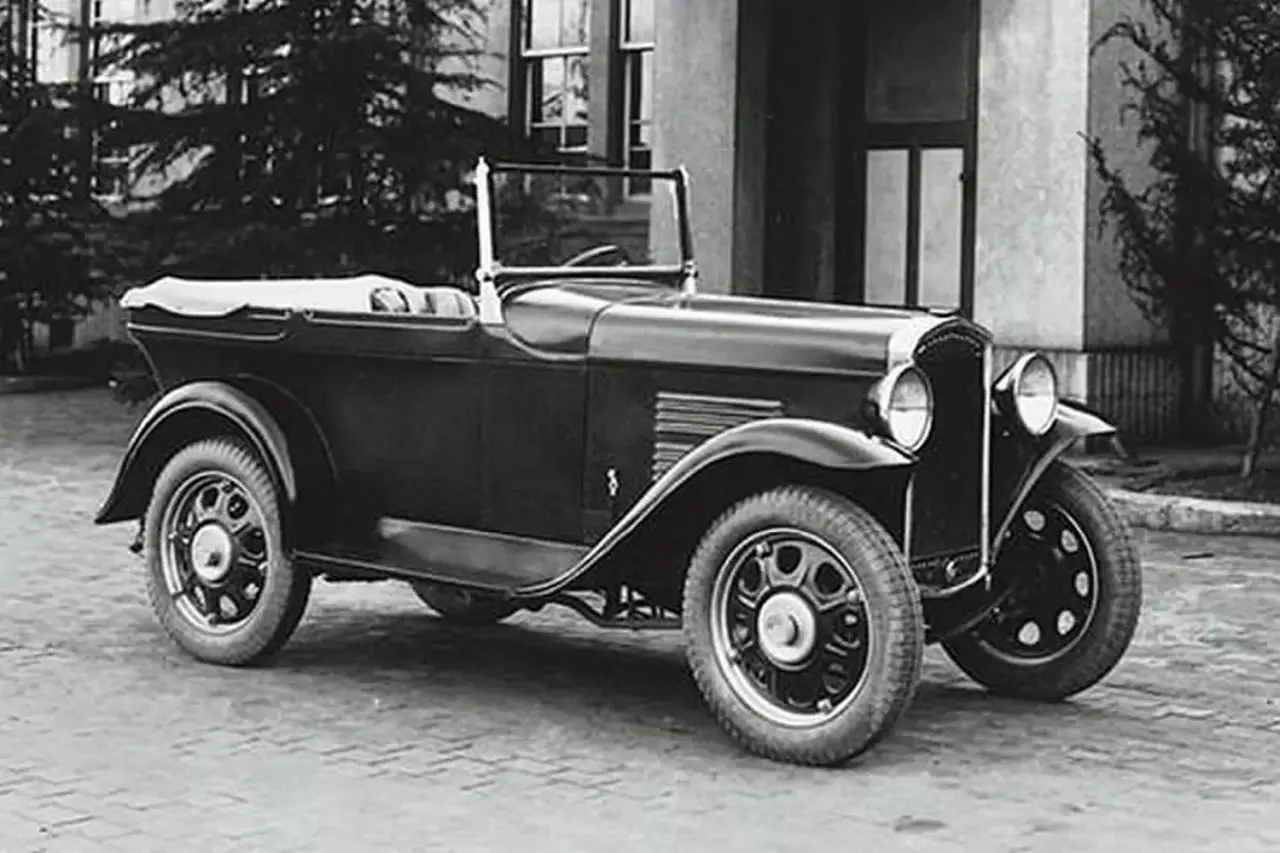
Between 1931 and 1945, Datsun became one of Japan's first successful mass-produced automobile brands. Thanks to its affordable price, mechanical simplicity, reliability, and fuel efficiency, Datsun played a major role in introducing private automobile ownership to Japanese consumers.
The success of Datsun laid the foundation for Nissan's future global expansion.
The Birth of Nissan (1934)
In 1934, Jidosha-Seizo Co., Ltd. became Nissan Motor Co., Ltd., officially establishing the Nissan brand.
The name Nissan originated from Nihon Sangyo ("Japan Industries"), the parent industrial holding company. "Ni-San" was the abbreviation commonly used for the company on the Tokyo Stock Exchange before becoming the official automotive brand name.
Nissan's Early Models
Although Nissan Motor was officially established in 1934, passenger cars continued to be sold under the Datsun brand for many years. During this period, Nissan focused on expanding both passenger vehicle and commercial vehicle production.
Nissan Type 70 (1934)
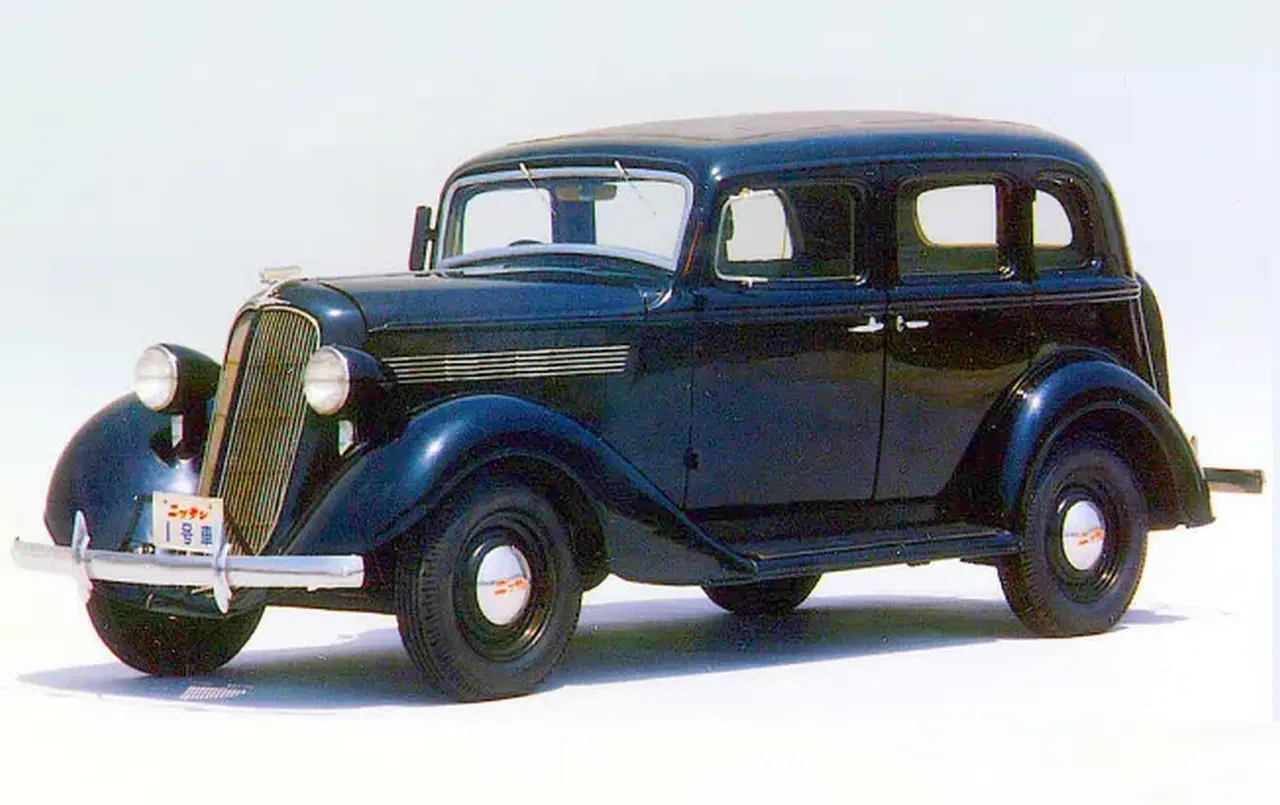
The Nissan Type 70 was among the company's earliest automobiles after the establishment of Nissan Motor. Designed as a practical and reliable passenger vehicle, it represented Nissan's ambitions to expand its domestic automobile production.
Specifications
-
Engine: 1.0-liter four-cylinder
-
Power Output: Approximately 25 hp
-
Layout: Compact four-door passenger car
-
Performance: Reliable and economical for everyday transportation
The Type 70 helped strengthen Nissan's position in Japan's growing automobile market.
Nissan Type 80 (1937–1941)
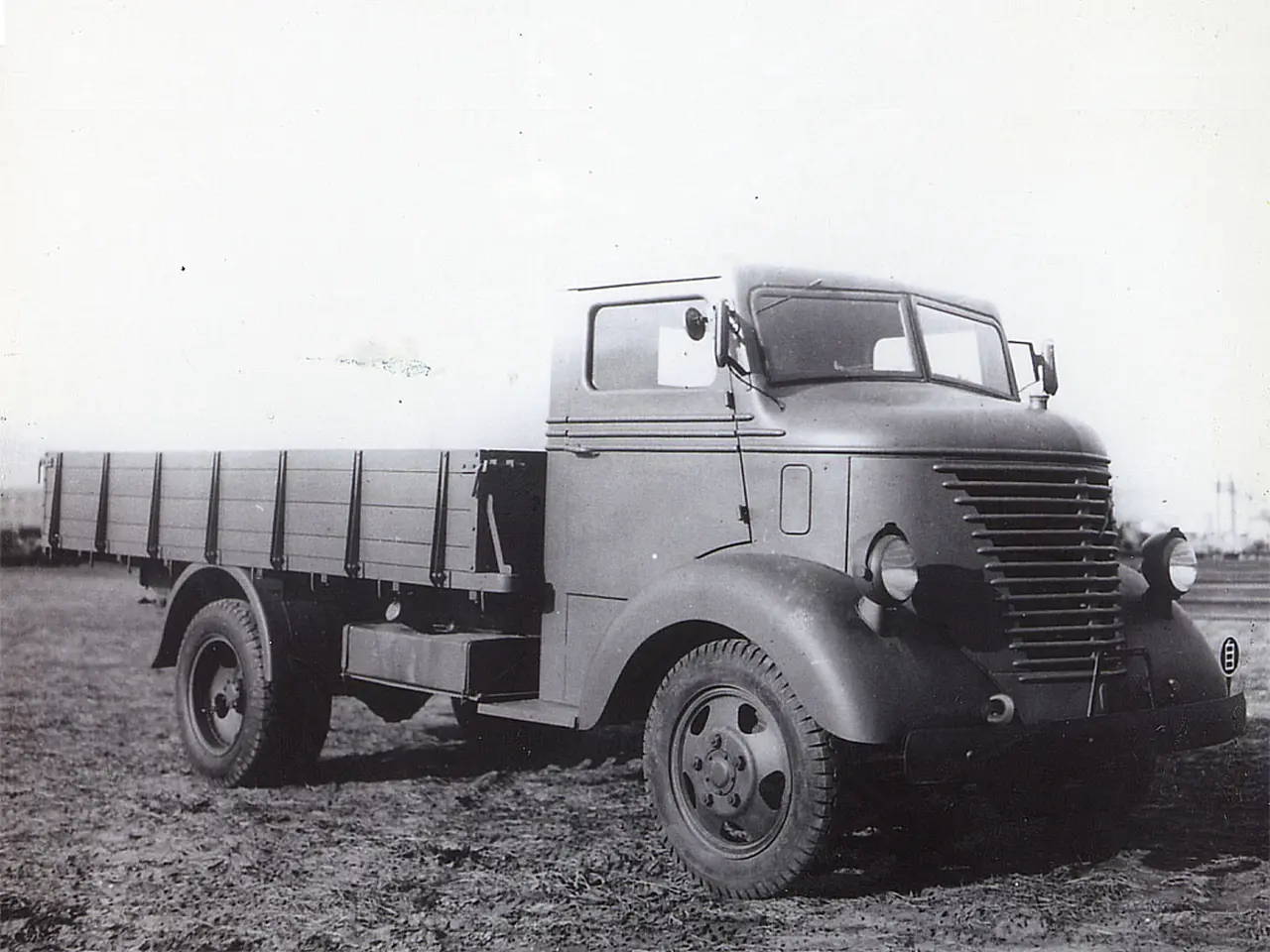
The Nissan Type 80 marked Nissan's first major entry into commercial truck production. Inspired by contemporary American truck designs, it featured a strengthened chassis and increased payload capacity.
Built on a modified passenger-car platform, the truck was offered in multiple body styles including:
-
Cargo truck
-
Bus
-
Fire engine
-
Utility vehicle
During World War II, the Type 80 was also used by the Japanese military alongside trucks produced by other domestic manufacturers.
Datsun Sports Model DC3 (1952)

The Datsun Sports DC3 is widely recognized as one of Japan's earliest sports cars and an important milestone in Nissan's performance car heritage.
Designed by Sukekazu Ohta, the open-top roadster was built on modified Datsun sedan and pickup chassis components.
Only 20 examples were produced after its successful public debut in January 1952, making it one of Nissan's rarest production vehicles.
Skyline (1957)
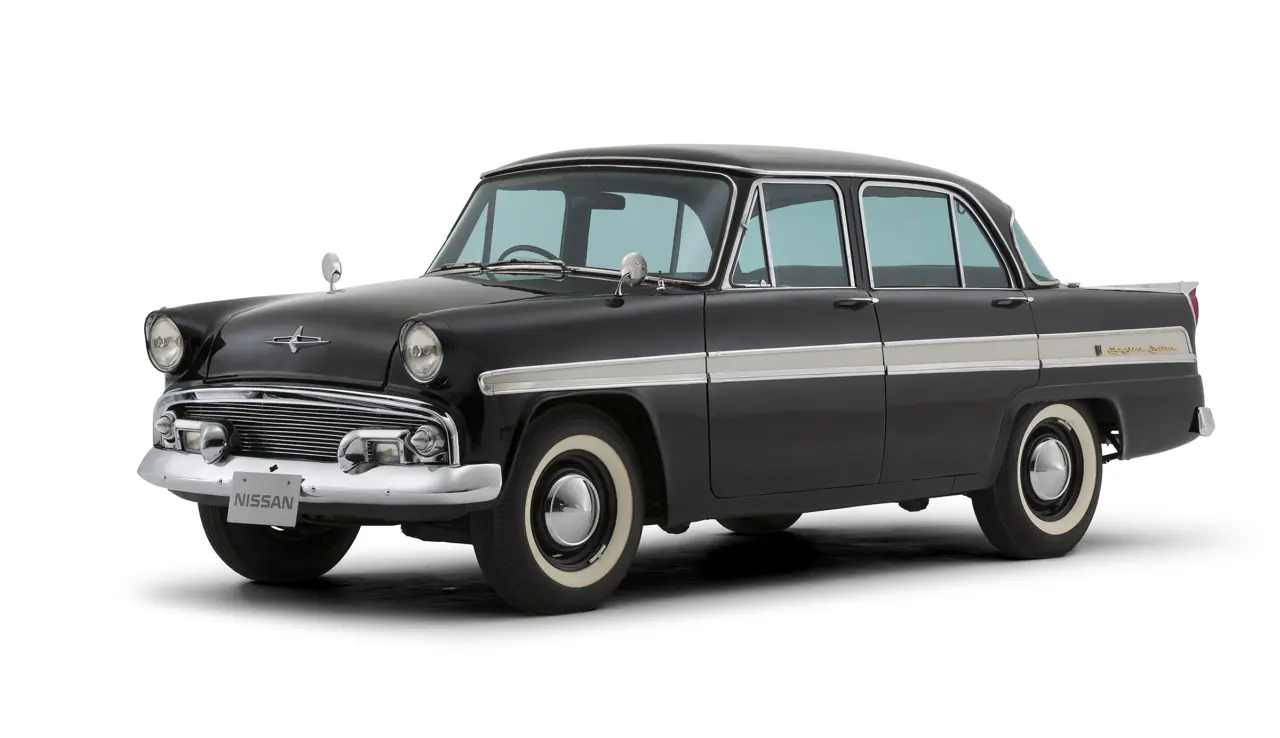
The Skyline was originally introduced in 1957 by Prince Motor Company, not Nissan. It quickly became one of Japan's most respected passenger cars thanks to its performance and refined engineering.
The first-generation Skyline featured:
-
1,484 cc GA30 OHV four-cylinder engine
-
60 PS
-
Top speed of approximately 125 km/h
Following the merger of Prince Motor Company and Nissan in 1966, the Skyline officially became part of Nissan's model lineup and eventually evolved into one of the world's most iconic performance cars.
Datsun Sunny 1000 Deluxe (1966 – B10)
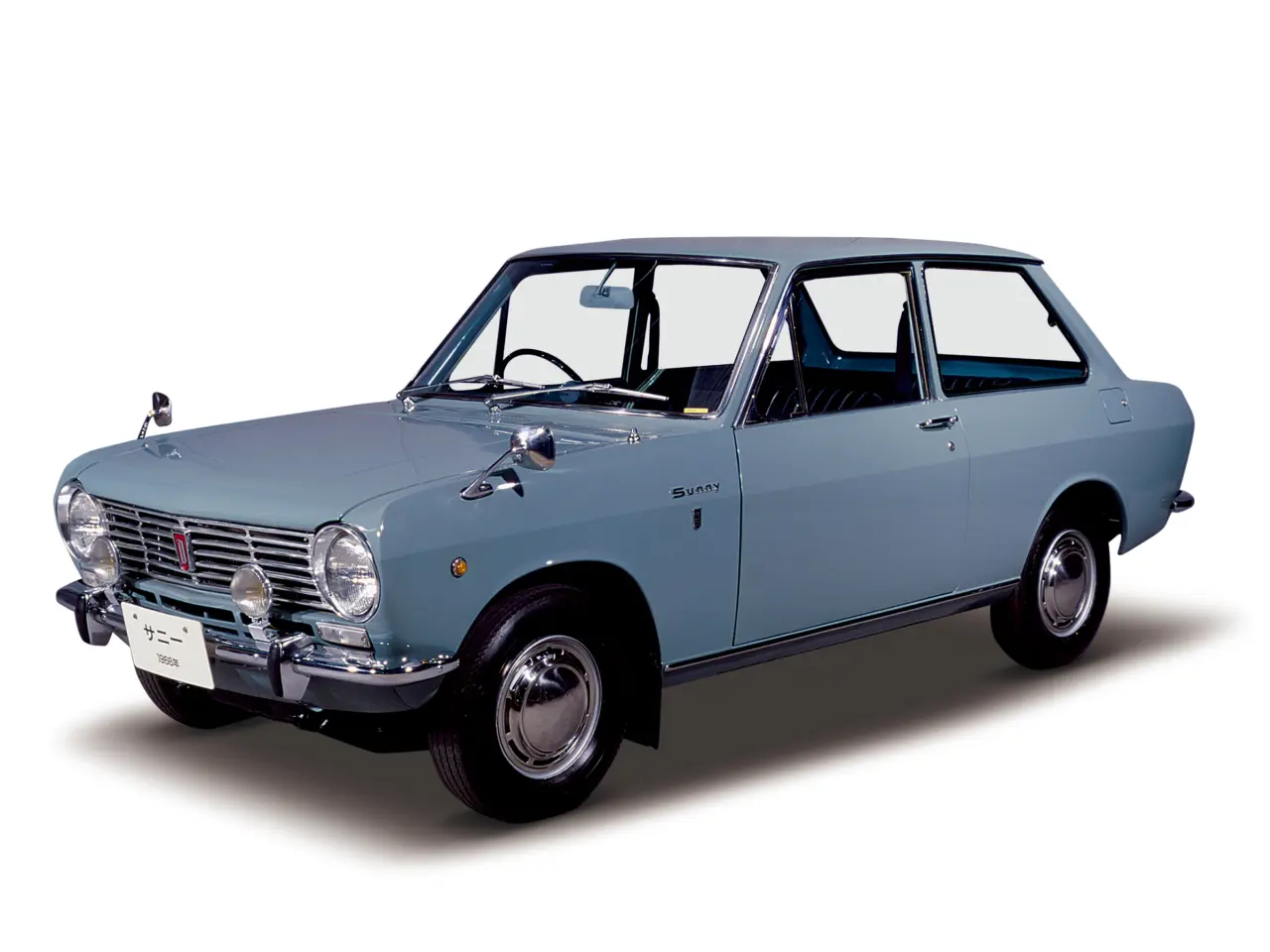
Introduced in 1966, the Datsun Sunny B10 became one of Japan's most successful compact cars.
Designed to be affordable, reliable, and economical, the Sunny made automobile ownership accessible to thousands of middle-class families.
Nissan organized one of Japan's largest naming competitions, receiving 8.5 million name suggestions before selecting the name Sunny.
Within only five months of launch, sales exceeded 30,000 units.
Specifications
-
Engine: 988 cc A10 OHV inline-four
-
Power: 56 PS
-
Transmission: Four-speed manual
-
Top Speed: Approximately 135 km/h
Nissan Laurel (1968 – C30)
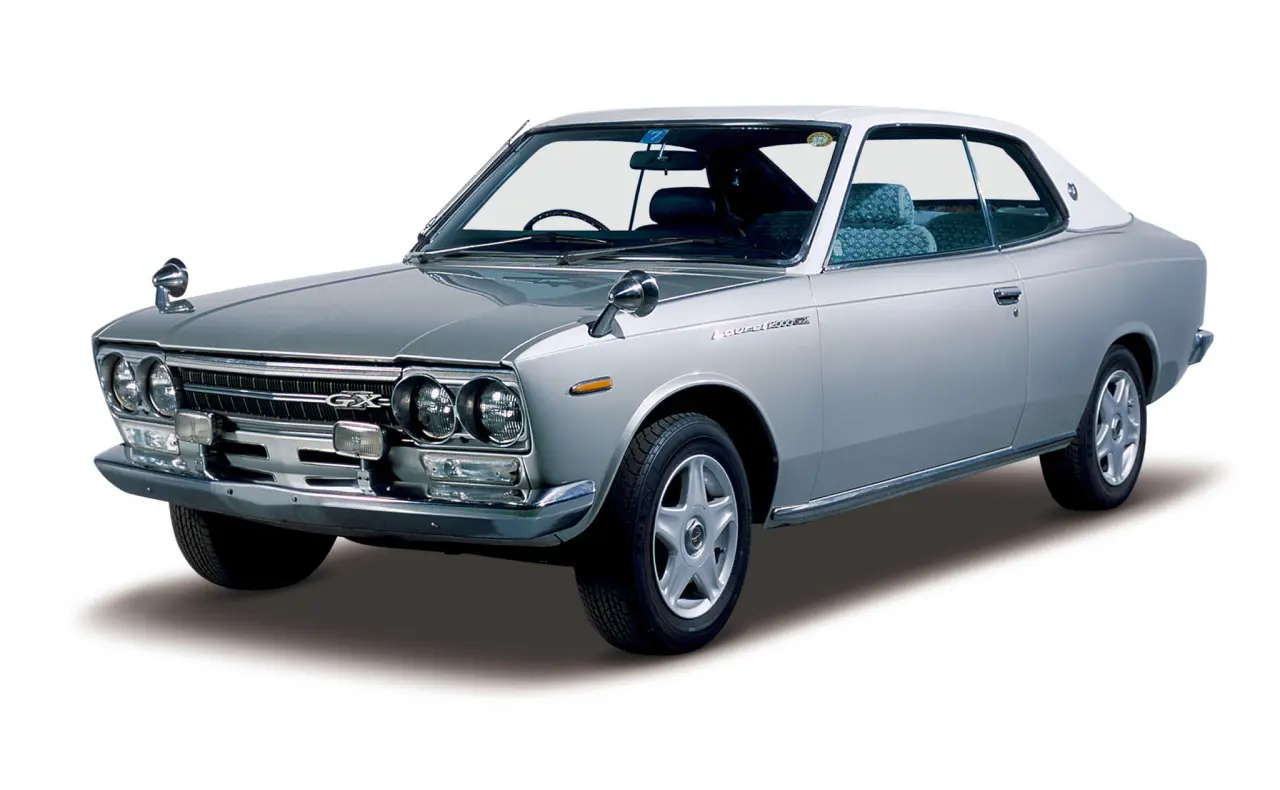
Introduced in 1968, the Laurel entered the compact luxury sedan segment.
Positioned between the Bluebird and Cedric, the Laurel combined comfort with advanced engineering.
Notable features included:
-
1.8-liter G18 engine
-
Optional 2.0-liter G20 OHC engine (introduced in 1970)
-
Independent suspension on all four wheels
-
Comfortable interior focused on premium driving
The Laurel became one of Nissan's most important executive sedans.
Nissan Fairlady Z / Datsun 240Z (S30) (1969)
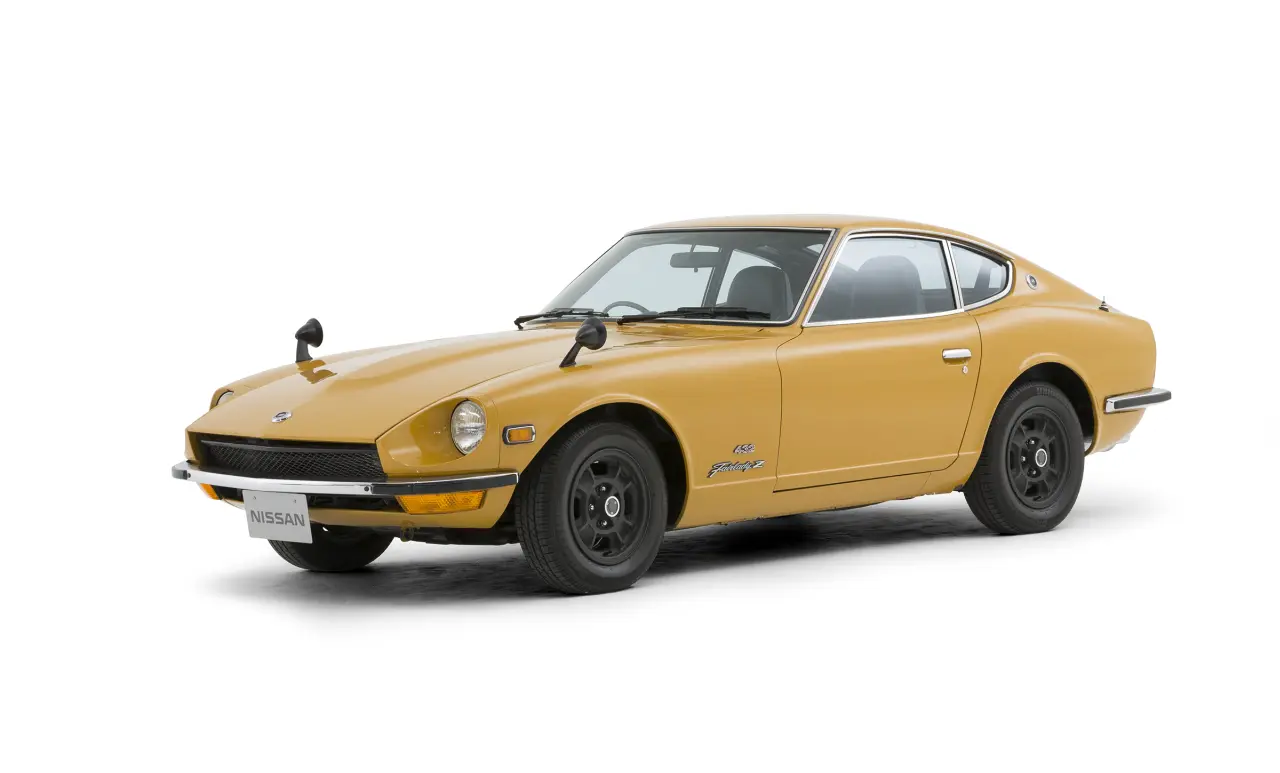
Known as Fairlady Z in Japan and Datsun 240Z in export markets, the S30 became one of the most successful sports cars ever produced.
During its nine-year production run, more than 520,000 units were sold worldwide.
The high-performance Z432 version featured:
-
S20 DOHC inline-six engine
-
160 PS
-
Four valves per cylinder
-
Triple carburetors
-
Dual overhead camshafts
Its combination of performance, reliability, and affordability transformed Nissan into a global sports car manufacturer.
Nissan Maxima (1981–Present)
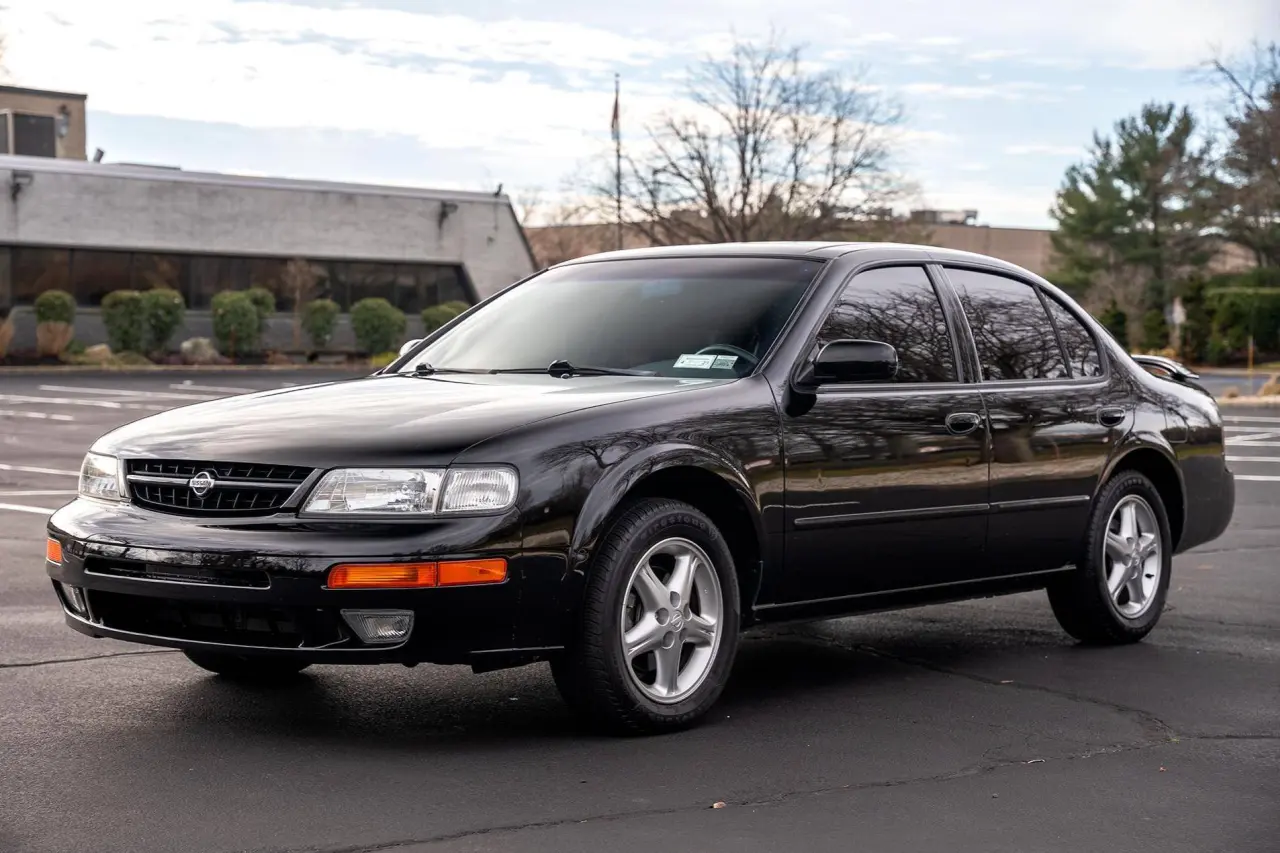
The Nissan Maxima debuted in 1981 as the successor to the Datsun 810, eventually becoming Nissan's flagship sports sedan.
Often marketed as the "Four-Door Sports Car," the Maxima earned a reputation for combining comfort, performance, and advanced technology.
Nissan Sentra (1982–Present)

Introduced in 1982, the Sentra became Nissan's global compact sedan.
In North America, the Sentra effectively replaced the Sunny name while continuing its legacy of affordability, fuel efficiency, and reliability.
Infiniti (1989)
In 1989, Nissan introduced Infiniti, a luxury automobile division created primarily for the North American market.
Infiniti allowed Nissan to compete directly with established premium brands by offering luxury sedans, coupes, and SUVs with advanced technology and refined engineering.
Nissan Altima (1992–Present)

Launched in 1992, the Altima became Nissan's midsize sedan designed specifically for North America.
Developed from the Bluebird platform, it offered larger dimensions, improved comfort, and more powerful engines, eventually becoming one of Nissan's best-selling vehicles.
Partnership with Ford (1992)
In 1992, Nissan celebrated the sale of its two-millionth vehicle in the United States.
During the same period, Nissan partnered with Ford Motor Company to develop the Nissan Quest, while Ford marketed its own version as the Mercury Villager.
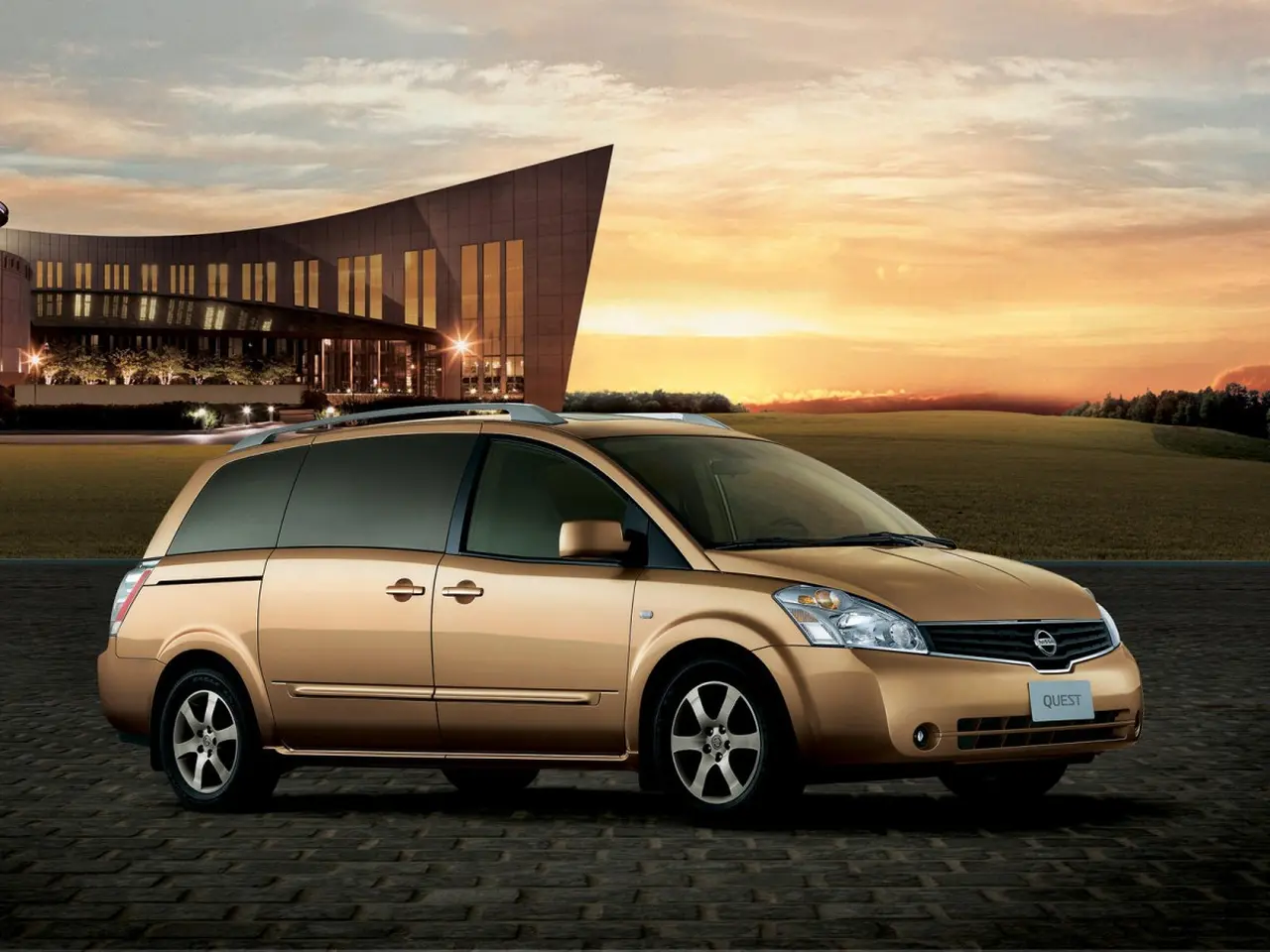
Nissan Quest (1993–2016)
The Nissan Quest was introduced in 1993 as a family-oriented minivan.
Developed jointly with Ford for its first three generations, the Quest offered spacious seating, practical interior packaging, and a comfortable ride.
Production ended in 2016 as consumer demand shifted toward crossover SUVs.
Renault Alliance (1999)
By the late 1990s, Nissan faced severe financial challenges.
On March 26, 1999, Renault acquired a major stake in Nissan, forming the Renault–Nissan Alliance. Carlos Ghosn became Nissan's CEO and launched an extensive restructuring program.
The alliance strengthened both companies through shared technology, global manufacturing, and joint vehicle development.
Nissan Revival Plan (1999–2002)
Under Carlos Ghosn's leadership, Nissan introduced the Nissan Revival Plan, focusing on:
-
Reducing operating costs
-
Eliminating debt
-
Improving production efficiency
-
Restoring profitability
The strategy successfully returned Nissan to financial stability.
Nissan 180 Plan (2002–2005)
The Nissan 180 Plan set ambitious targets:
-
One million additional annual vehicle sales
-
8% operating profit margin
-
Zero automotive debt
The plan significantly improved Nissan's global competitiveness.
Nissan Logo
The Nissan logo has evolved over the decades while maintaining its simple, recognizable identity.
Traditionally featuring the Nissan name across a circular emblem, the logo symbolizes the company's commitment to innovation, reliability, and Japanese engineering excellence. The circle has often been interpreted as representing the rising sun, reflecting the brand's Japanese heritage.
Global Manufacturing Network
Nissan operates one of the world's largest automotive manufacturing networks.
The company began exporting vehicles to Europe in the early 1960s and later established production facilities across the globe.
Major manufacturing locations include:
-
Japan
-
United Kingdom
-
Spain
-
United States
-
Mexico
-
South Africa
-
Australia
In 1993, the Nissan Micra, produced in the United Kingdom, won the prestigious European Car of the Year award.
Conclusion
From the humble DAT automobile of 1914 to today's advanced electric vehicles, Nissan has become one of the world's most influential automotive manufacturers.
With continuous investment in electrification, autonomous driving technology, intelligent mobility, and sustainable transportation, Nissan continues to shape the future of the global automotive industry. Together with Renault and Mitsubishi, the company remains one of the world's largest automotive alliances, driving innovation across international markets.