TR
TR EN
EN

Is It Safe to Buy a Car with Chassis Damage?
A vehicle's chassis is the foundation of its structural integrity. It supports the engine, suspension, drivetrain, and body while absorbing impact forces during collisions. When shopping for a used car, discovering that a vehicle has chassis damage can immediately raise concerns. But does chassis damage automatically mean you should walk away? The answer depends on the severity of the damage, the quality of the repairs, and your intended use of the vehicle.
In this guide, we'll explain what chassis damage is, how it affects safety and value, and whether buying a car with chassis damage is ever a good idea.
What Is Chassis Damage?
The chassis (or frame) is the structural backbone of a vehicle. It provides strength, supports critical components, and helps protect occupants during an accident.
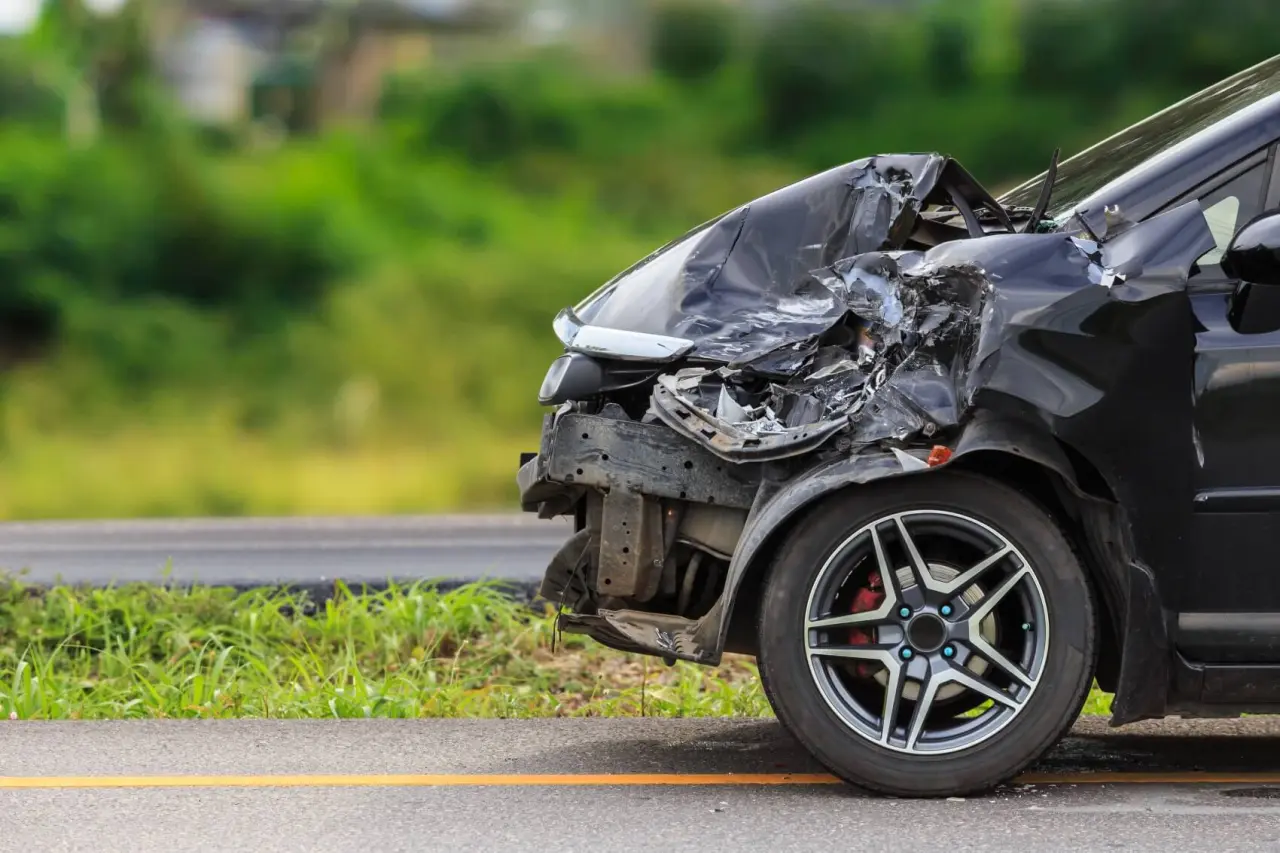
Chassis damage occurs when this structure is bent, twisted, cracked, or otherwise deformed due to an impact. While minor cosmetic damage affects body panels, chassis damage involves the vehicle's primary load-bearing structure.
Modern passenger cars generally use unibody construction, where the body and frame are integrated into a single structure. SUVs, pickup trucks, and some commercial vehicles may use a body-on-frame design with a separate chassis.
Damage to either type can have serious consequences if not repaired correctly.
Common Causes of Chassis Damage
Several situations can cause structural damage to a vehicle.
Major traffic collisions
Front-end, rear-end, or side-impact accidents are the most common cause of bent or twisted chassis components.
Rollovers
Vehicles involved in rollover accidents often suffer extensive structural deformation affecting multiple areas of the frame.
Severe potholes or road hazards
Driving over deep potholes, curbs, or large obstacles at high speed may damage suspension mounting points or frame rails.
Flood damage
Flooding can weaken structural components through corrosion, particularly if water remains trapped inside enclosed frame sections.
Types of Chassis Damage
Not all structural damage is equally serious.
Minor structural damage
This may involve small bends in non-critical sections that can often be corrected using professional frame-straightening equipment.
Moderate structural damage
This usually affects frame rails, suspension mounting points, or cross members. Repairs become more complex and require specialized equipment.
Severe structural damage
Extensive twisting, multiple damaged sections, cracked structural members, or improperly repaired accident damage can permanently compromise vehicle safety.
Vehicles with severe chassis damage are often declared a total loss by insurance companies.
How Chassis Damage Affects Safety
The biggest concern is safety.
Modern vehicles are engineered with carefully designed crumple zones that absorb collision energy while protecting occupants.
If the chassis has been improperly repaired, the vehicle may no longer perform as designed during another accident.
Potential safety issues include:
-
Reduced crash protection
-
Poor airbag timing due to altered impact forces
-
Suspension instability
-
Uneven braking performance
-
Steering problems
-
Increased risk of structural failure during future collisions
Even if a damaged vehicle appears normal externally, hidden structural weaknesses may remain.
Signs of Previous Chassis Damage
Some warning signs may indicate previous structural repairs.
Uneven panel gaps
Doors, hood, or trunk lids that do not align properly may suggest previous frame distortion.
Vehicle pulls to one side
Persistent steering pull despite proper wheel alignment can indicate structural misalignment.
Uneven tire wear
Abnormal tire wear may result from suspension geometry that cannot be fully corrected.
Visible welds or repairs
Fresh welds, replacement frame sections, or irregular underbody repairs deserve closer inspection.
Paint inconsistencies
Different paint shades or overspray underneath the vehicle may reveal previous accident repairs.
Can Chassis Damage Be Properly Repaired?
Yes—but only under the right circumstances.
Professional collision repair centers use computerized frame measuring systems and hydraulic frame-straightening equipment to restore factory dimensions.
Quality repairs should include:
-
Manufacturer-approved repair procedures
-
Computerized frame measurements
-
Professional welding where permitted
-
Suspension alignment
-
Structural integrity inspection
However, not every damaged chassis can be restored to original factory specifications.
The severity of the original accident plays a major role in determining repair quality.
Should You Buy a Car with Chassis Damage?
There is no universal answer.
Buying a vehicle with previous structural damage may be reasonable if:
-
The damage was minor.
-
Repairs were performed professionally.
-
Structural measurements meet factory specifications.
-
The vehicle passes a thorough independent inspection.
-
The price reflects its accident history.
On the other hand, purchasing such a vehicle becomes much riskier if:
-
Repair documentation is unavailable.
-
Multiple structural sections were replaced.
-
Weld quality appears poor.
-
Suspension alignment cannot be corrected.
-
Airbags were previously deployed without proper replacement.
-
Corrosion has developed around repaired areas.
Impact on Vehicle Value
Even when repaired correctly, chassis damage almost always reduces resale value.
Many buyers avoid vehicles with structural repair history, making resale more difficult.
Insurance companies, dealerships, and appraisal services often classify structural damage as a significant factor affecting market value.
Although the initial purchase price may be lower, future resale losses can offset those savings.
Insurance Considerations
Insurance premiums and coverage may also be affected.
Some insurers require additional inspections before providing full coverage for previously repaired vehicles.
If the vehicle was previously declared a total loss and rebuilt, coverage options may be more limited depending on local regulations.
Always inform your insurance provider about a vehicle's structural repair history before purchasing.
The Importance of a Pre-Purchase Inspection
Before buying any vehicle with known or suspected chassis damage, arrange an inspection by an experienced independent mechanic or collision repair specialist.
A professional inspection should include:
-
Structural measurement
-
Suspension inspection
-
Wheel alignment check
-
Underbody examination
-
Frame rail inspection
-
Corrosion assessment
-
Diagnostic scan for safety systems
Spending a small amount on an inspection can prevent expensive mistakes later.
Is a Chassis-Damaged Car Worth Buying?
For some buyers, the answer may be yes.
If the vehicle has documented repairs, professional restoration, verified structural measurements, and a substantially lower purchase price, it may offer good value.
However, buyers seeking long-term reliability, maximum safety, or strong resale value are generally better served by choosing a vehicle with no structural damage history.
The lower purchase price should never be the only reason to buy a structurally repaired vehicle.
Conclusion
A car with chassis damage is not automatically unsafe, but it requires far more careful evaluation than a vehicle with only cosmetic repairs. The quality of the repair, the extent of the original damage, and the availability of repair documentation are all critical factors.
If you're considering purchasing a vehicle with previous chassis damage, always obtain a professional inspection and verify the repair history before making a decision. In many cases, paying more for a structurally sound vehicle can provide greater safety, reliability, and long-term value.