TR
TR EN
EN

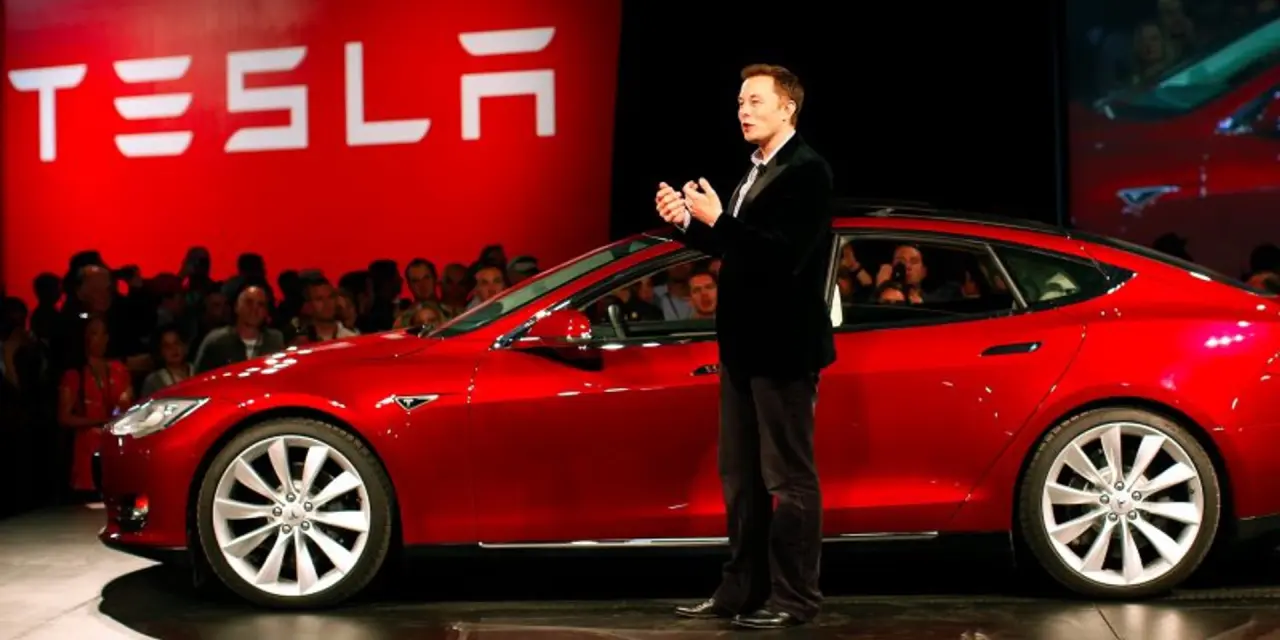
The History of Tesla: How a Startup Revolutionized the Automotive Industry
Tesla is one of the world's most influential automotive and technology companies, transforming the electric vehicle industry and accelerating the global transition toward sustainable energy. While many people associate Tesla primarily with CEO Elon Musk, the company's story began before his involvement. Since its founding in 2003, Tesla has evolved from a small Silicon Valley startup into one of the most valuable automakers in history, pioneering electric vehicles, battery technology, autonomous driving systems, and renewable energy solutions.
The Founding of Tesla (2003–2004)
Tesla, Inc. was founded on July 1, 2003, by Martin Eberhard and Marc Tarpenning in San Carlos, California, USA.
Their vision was straightforward but ambitious:
-
Prove that electric cars could outperform gasoline-powered vehicles.
-
Accelerate the world's transition to sustainable transportation.
-
Eliminate the common belief that electric vehicles were slow, unattractive, and impractical.
The company was named after Nikola Tesla, the Serbian-American inventor whose work on alternating current (AC) electricity revolutionized modern electrical engineering.
In 2004, entrepreneur Elon Musk joined Tesla after leading the company's Series A investment round. Musk became Chairman of the Board and played an increasingly significant role in product development, fundraising, and long-term strategy.
The First Tesla: Roadster (2008)
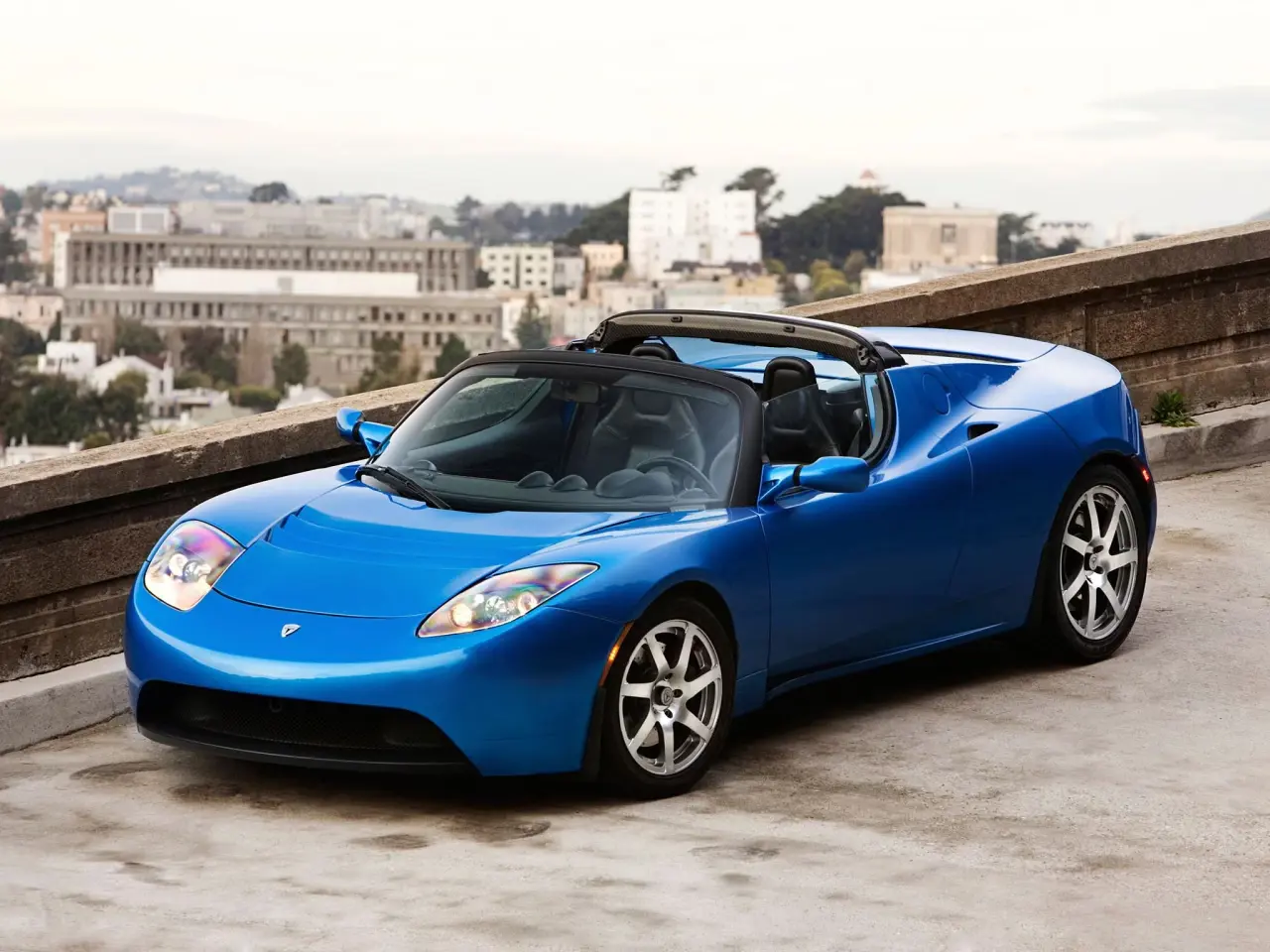
Tesla introduced its first production vehicle, the Tesla Roadster, in 2008.
Built on a modified Lotus Elise chassis, the Roadster demonstrated that electric cars could deliver exceptional performance.
Key highlights included:
-
Over 200 miles (320 km) of driving range
-
0–60 mph in under 4 seconds
-
Lithium-ion battery technology
-
Zero tailpipe emissions
The Roadster completely changed public perception of electric vehicles and established Tesla as an innovative automotive company.
Surviving Financial Challenges
Tesla's early years were financially difficult.
Developing advanced electric vehicles required enormous investments in:
-
Battery technology
-
Software development
-
Manufacturing facilities
-
Charging infrastructure
During the 2008 global financial crisis, Tesla nearly ran out of cash.
Elon Musk invested much of his personal fortune into the company to keep it operating. This period became one of the defining moments in Tesla's history.
Model S Changes the Industry (2012)
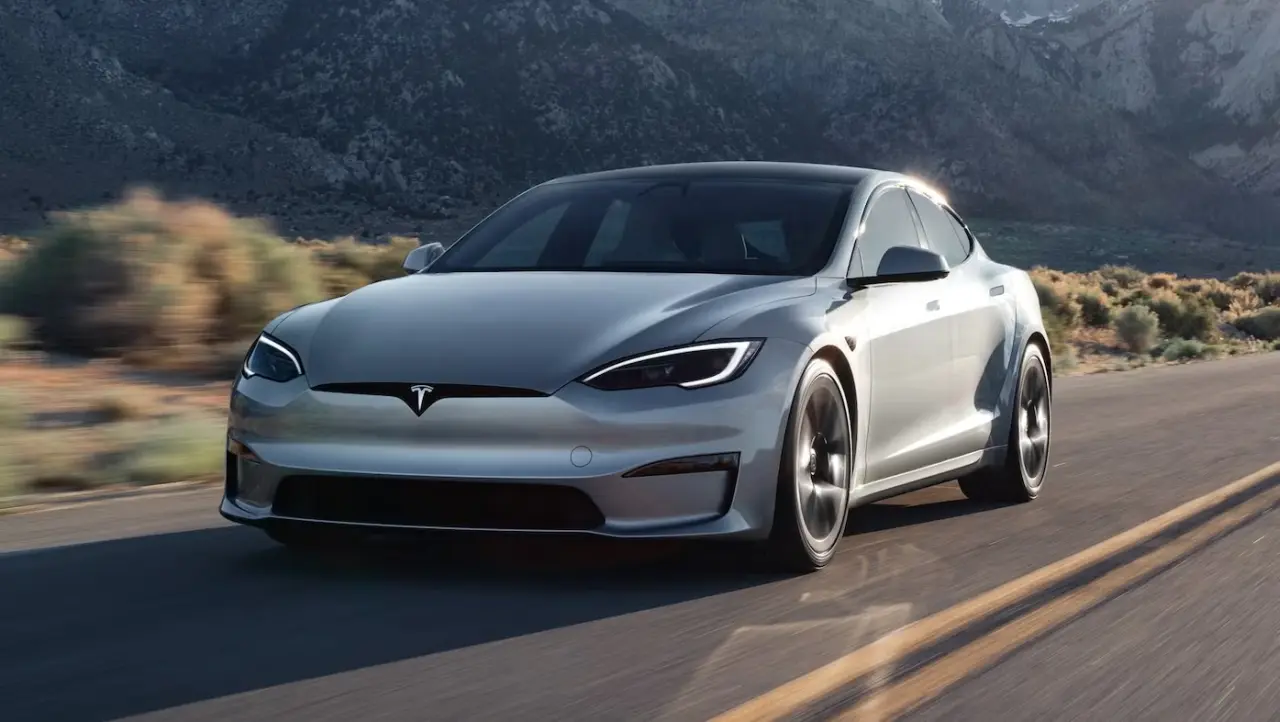
Tesla launched the Model S in 2012, marking a turning point for both the company and the automotive industry.
Unlike the Roadster, the Model S was designed as a luxury family sedan with industry-leading technology.
Major innovations included:
-
Long driving range
-
Large touchscreen infotainment system
-
Over-the-air software updates
-
High safety ratings
-
Instant electric acceleration
The Model S won numerous international awards and proved that electric cars could compete directly with premium luxury sedans from established manufacturers.
Building the Supercharger Network
One of Tesla's greatest competitive advantages has been its charging infrastructure.
Beginning in 2012, Tesla started building its own Supercharger network, allowing owners to recharge their vehicles much faster than conventional charging stations.
Today, the Supercharger network spans thousands of locations across North America, Europe, Asia, Australia, and many other regions, making long-distance electric travel practical.
Tesla has also begun opening portions of its charging network to other compatible electric vehicle brands in several markets.
Expanding the Model Lineup
After the success of the Model S, Tesla introduced several new vehicles.
Tesla Model X (2015)

The Model X became one of the world's first premium all-electric SUVs.
It featured:
-
Falcon Wing rear doors
-
All-wheel drive
-
Seating for up to seven passengers
-
Exceptional acceleration
-
Advanced safety technology
Tesla Model 3 (2017)
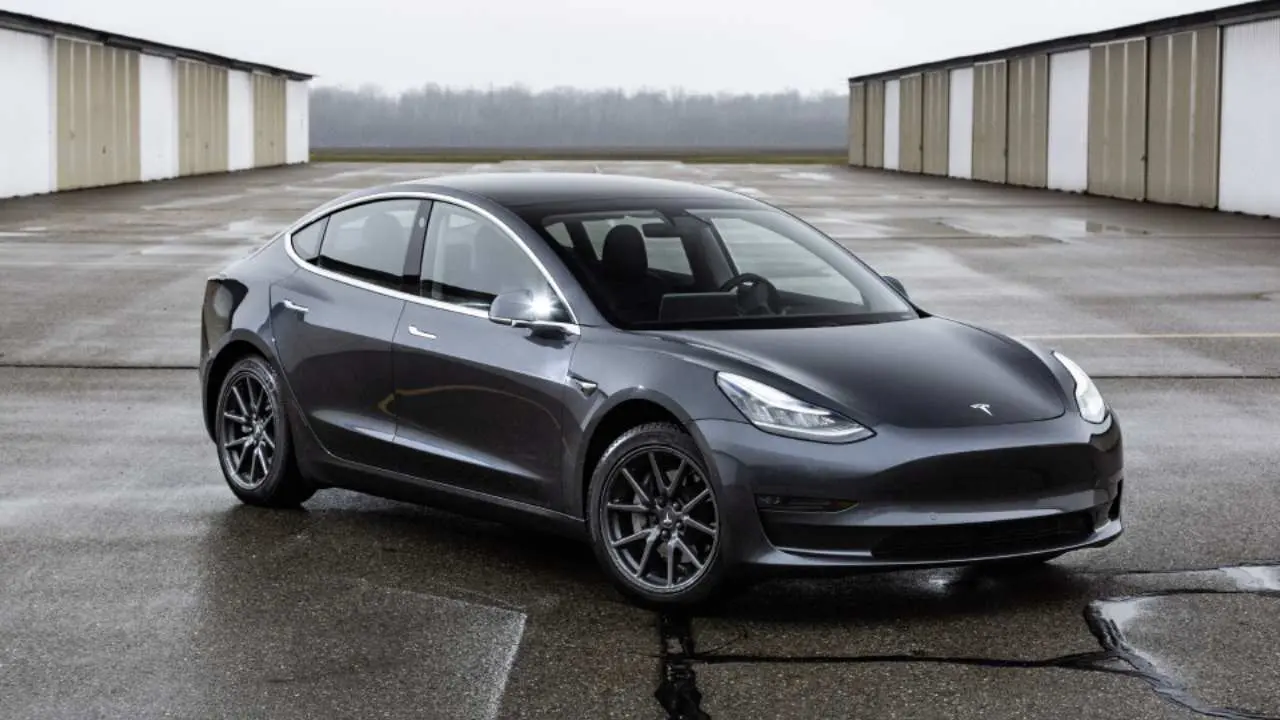
The Model 3 represented Tesla's effort to bring electric vehicles to the mass market.
Its combination of affordability, long range, and advanced technology made it one of the world's best-selling electric vehicles.
Tesla Model Y (2020)
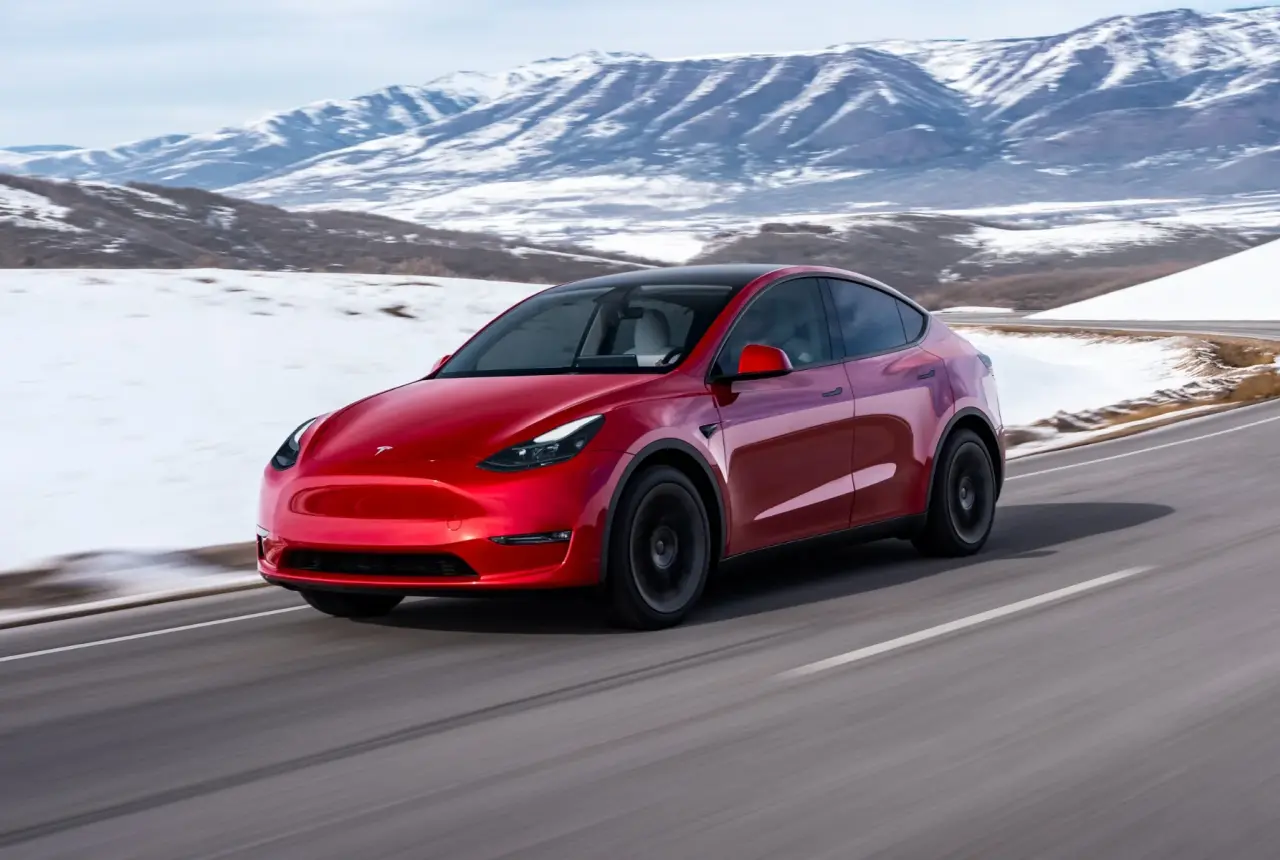
Built on the Model 3 platform, the Model Y quickly became one of Tesla's most successful products.
Its SUV body style appealed to a broad audience, and it has become one of the best-selling passenger vehicles globally.
Tesla Cybertruck (2023–Present)
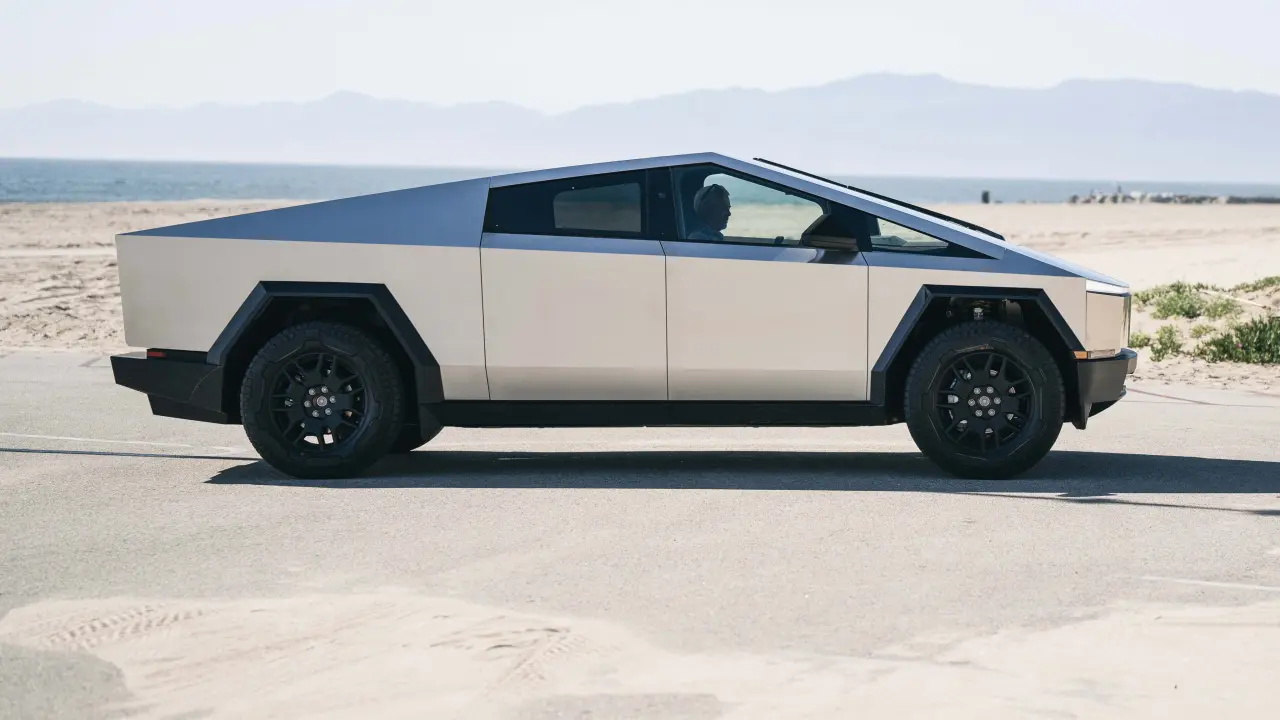
Tesla officially began delivering the Cybertruck in November 2023, introducing one of the most unconventional pickup trucks ever produced. First unveiled in 2019, the Cybertruck immediately attracted worldwide attention with its futuristic angular design and ultra-hard stainless steel body. Unlike traditional pickup trucks, the Cybertruck was designed to combine the utility of a heavy-duty truck with the performance of a high-end sports car and the efficiency of an electric vehicle.
A Radical Design Philosophy
The Cybertruck features an exoskeleton made from ultra-hard cold-rolled stainless steel, providing exceptional durability and resistance to dents, corrosion, and everyday wear. Its geometric shape was engineered to maximize structural strength while creating a unique appearance unlike any production vehicle on the road.
The truck also incorporates Tesla Armor Glass, reinforced windows designed to improve durability, although the famous window demonstration during the 2019 unveiling became one of the event's most talked-about moments.
Performance and Power
Tesla offers the Cybertruck in multiple configurations, including rear-wheel-drive and all-wheel-drive variants, with the high-performance Cyberbeast model sitting at the top of the lineup.
Depending on the version, the Cybertruck offers:
-
Up to 845 horsepower (Cyberbeast)
-
0–60 mph acceleration in as little as 2.6 seconds
-
A maximum towing capacity of approximately 11,000 pounds (about 4,990 kg)
-
Payload capacity of up to 2,500 pounds (about 1,134 kg)
These figures make the Cybertruck one of the fastest and most capable production electric pickup trucks available.
Battery Range and Charging
Tesla equips the Cybertruck with large battery packs capable of delivering impressive driving range.
Depending on the model, the EPA-estimated range reaches approximately:
-
250 miles (402 km) for the Rear-Wheel Drive model
-
325 miles (523 km) for the All-Wheel Drive model
-
320 miles (515 km) for the Cyberbeast
An optional Range Extender battery pack has also been announced for customers requiring additional long-distance capability.
Like other Tesla vehicles, the Cybertruck supports fast charging through the extensive Tesla Supercharger network, allowing convenient long-distance travel.
Technology and Interior
Inside, the Cybertruck follows Tesla's minimalist design philosophy.
Notable features include:
-
Large central touchscreen display
-
Advanced over-the-air (OTA) software updates
-
Tesla Autopilot
-
Optional Full Self-Driving (Supervised) capability
-
Adaptive air suspension
-
Rear-wheel steering for improved maneuverability
-
Vehicle-to-load (V2L) power capability for tools and external equipment
The spacious cabin comfortably accommodates five passengers while offering extensive storage solutions, including the lockable rear cargo vault known as the "Vault."
Safety and Durability
Tesla designed the Cybertruck with structural rigidity and occupant protection as key priorities.
Its stainless-steel exoskeleton contributes to crash protection while the low-mounted battery pack lowers the center of gravity, improving stability and handling.
The adaptive air suspension also allows adjustable ride height, making the Cybertruck suitable for both highway driving and off-road adventures.
Why the Cybertruck Matters
The Cybertruck represents one of Tesla's boldest engineering projects.
Rather than simply building another electric pickup, Tesla reimagined what a truck could be by combining:
-
Futuristic industrial design
-
High-performance electric powertrains
-
Advanced software integration
-
Exceptional towing capability
-
Off-road functionality
-
Continuous software improvements through OTA updates
Although its unconventional appearance has divided opinions, the Cybertruck has become one of the most recognizable electric vehicles ever produced and marks Tesla's entry into the highly competitive full-size pickup truck market.
Tesla Roadster (Second Generation – Announced)
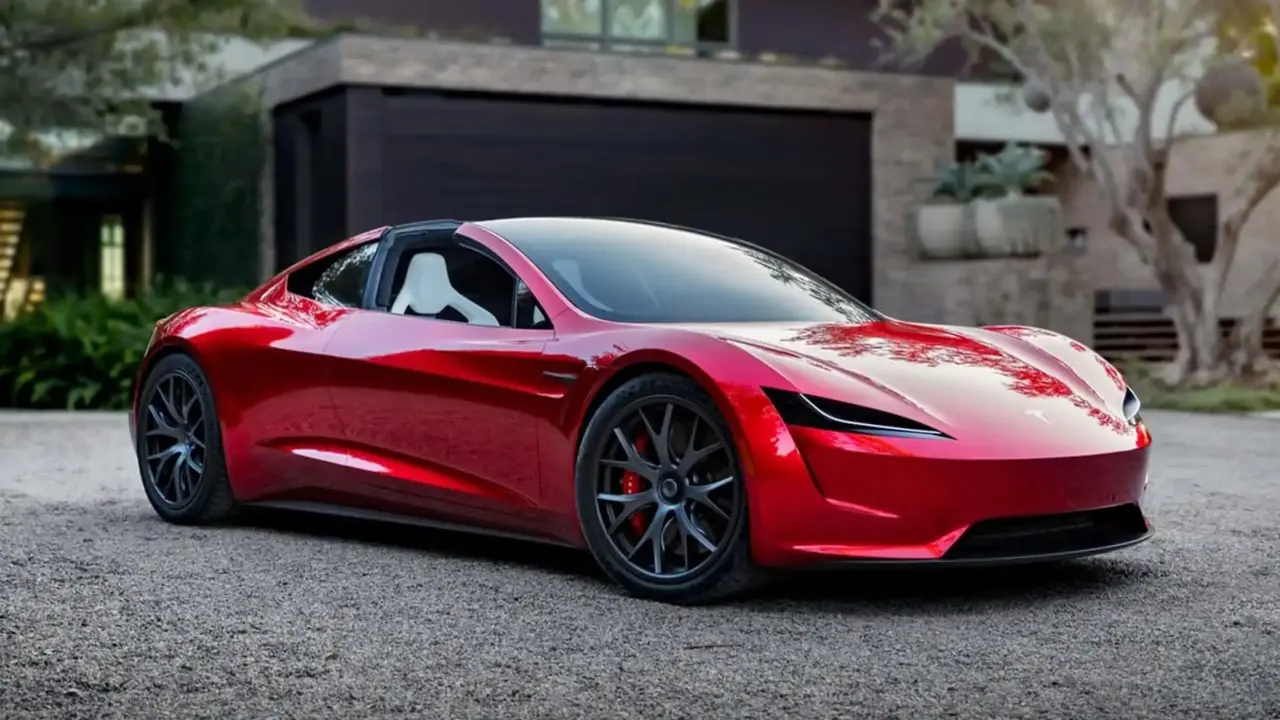
The second-generation Tesla Roadster is designed to become Tesla's ultimate performance vehicle. First unveiled in 2017, the Roadster has not yet entered mass production, but it remains one of the most highly anticipated electric supercars ever announced.
Building on the legacy of Tesla's original Roadster, the new model aims to demonstrate that electric vehicles can outperform many of the world's fastest gasoline-powered sports cars.
Elegant and Aerodynamic Design
The second-generation Roadster features a sleek, low-profile body with advanced aerodynamic styling.
Its design emphasizes:
-
Lightweight construction
-
Exceptional airflow management
-
Aggressive front fascia
-
Removable glass roof panel
-
Four-seat (2+2) layout
-
Wide rear stance for improved stability
The result is a vehicle that combines supercar proportions with everyday usability.
Extraordinary Performance
Tesla claims the new Roadster will set new benchmarks for production-car acceleration.
Expected performance figures include:
-
0–60 mph (0–97 km/h): approximately 1.9 seconds
-
Quarter mile: approximately 8.8 seconds
-
Top speed exceeding 250 mph (over 400 km/h)
If achieved, these figures would place the Roadster among the fastest production cars ever built.
The vehicle is expected to use a tri-motor all-wheel-drive system, delivering exceptional traction and instant electric torque.
Battery and Driving Range
One of the Roadster's most remarkable features is its projected driving range.
Tesla has announced:
-
Battery capacity of approximately 200 kWh
-
Estimated driving range of up to 620 miles (around 1,000 km) on a single charge
Such a range would make the Roadster one of the longest-range electric vehicles ever produced.
Advanced Technology
Like all modern Tesla vehicles, the Roadster is expected to feature cutting-edge technology.
Expected features include:
-
Tesla Autopilot
-
Optional Full Self-Driving capability
-
Over-the-air software updates
-
Premium infotainment system
-
Large touchscreen interface
-
Advanced connectivity features
Tesla has also hinted at a special SpaceX Package, which may use cold-gas thrusters to further improve acceleration, handling, and braking performance. However, this package has not yet entered production.
Luxury Interior
The Roadster's cabin combines minimalist Tesla styling with premium materials.
Expected highlights include:
-
High-quality leather and sustainable materials
-
Digital driver display
-
Large central touchscreen
-
Premium sound system
-
Sports seats designed for high-performance driving
Although designed as a supercar, the Roadster also offers practical luggage space and seating for four occupants.
Production Status
The second-generation Roadster has experienced multiple production delays.
Tesla continues to state that development is ongoing, although no final production launch date has been officially confirmed. The company intends for the Roadster to serve as its flagship performance vehicle once manufacturing begins.
A New Benchmark for Electric Supercars
The second-generation Tesla Roadster represents the company's vision of combining record-breaking acceleration, exceptional range, advanced technology, and zero-emission performance into a single vehicle.
If production specifications match Tesla's announced targets, the Roadster could redefine expectations for electric performance cars and become one of the most significant electric supercars ever built.
Tesla Semi (2022–Present)
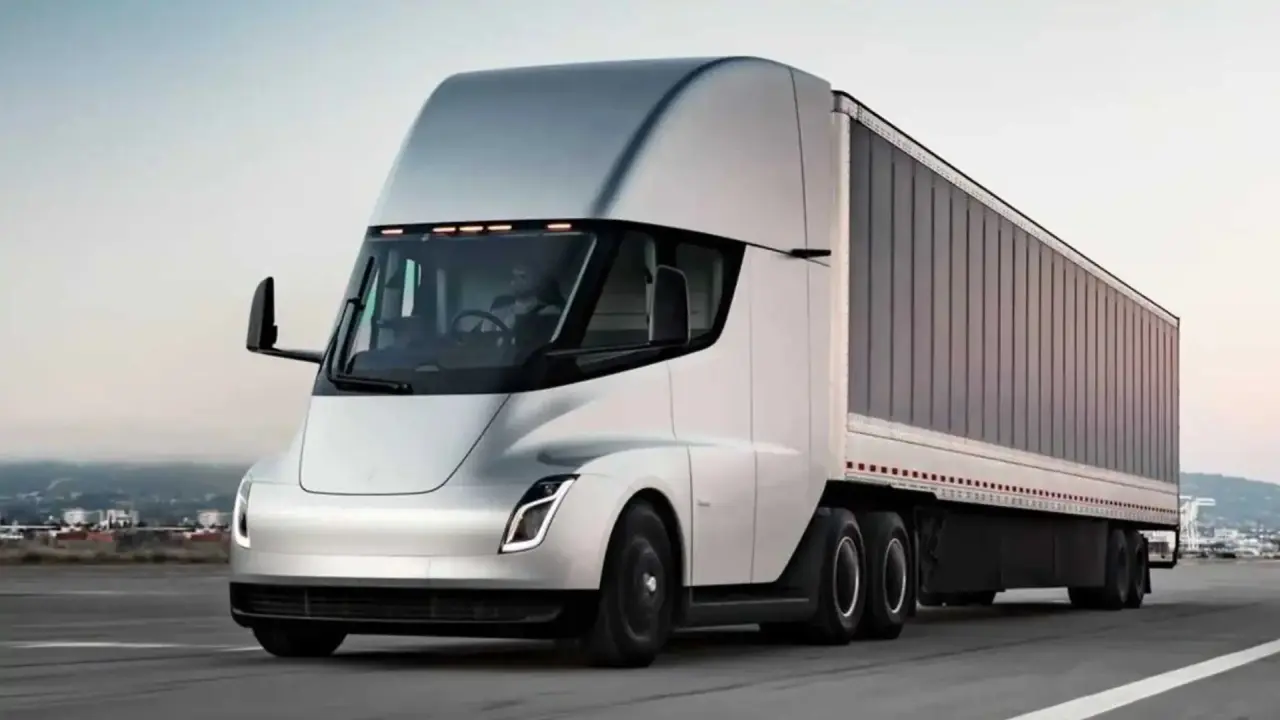
The Tesla Semi marks Tesla's entry into the commercial trucking industry, bringing the company's electric vehicle technology to the heavy-duty transportation sector. First unveiled in 2017, the Semi experienced several production delays before entering limited production in late 2022, with the first customer deliveries made to PepsiCo. Designed to reduce operating costs, eliminate tailpipe emissions, and improve fleet efficiency, the Tesla Semi represents one of the most ambitious electric commercial vehicles ever developed.
From Concept to Production
Tesla introduced the Semi in November 2017 with the goal of transforming long-haul freight transportation. Although supply chain challenges and battery production priorities delayed manufacturing, the company officially began customer deliveries in December 2022.
The Semi is aimed primarily at:
-
Logistics companies
-
Freight carriers
-
Distribution fleets
-
Retail transportation networks
-
Businesses seeking lower operating costs and reduced emissions
Its combination of electric power, advanced software, and lower maintenance requirements makes it an attractive alternative to conventional diesel trucks.
Powertrain and Performance
Unlike traditional heavy-duty trucks powered by large diesel engines, the Tesla Semi uses multiple high-efficiency electric motors derived from Tesla's passenger vehicle technology.
Key performance highlights include:
-
Tri-motor electric drivetrain
-
Instant electric torque
-
Smooth acceleration under heavy loads
-
Regenerative braking for improved efficiency
Tesla states that a fully loaded Semi can accelerate from 0–60 mph (0–97 km/h) in approximately 20 seconds, significantly faster than many conventional Class 8 diesel trucks.
Even when operating without a trailer, acceleration is exceptionally quick for a commercial vehicle.
Towing Capacity and Payload
The Tesla Semi is engineered to meet North American Class 8 trucking standards.
Its maximum gross combined vehicle weight (GCVW) reaches 82,000 pounds (approximately 37,200 kg), depending on regulations and configuration.
The truck is designed to transport:
-
Long-distance freight
-
Consumer goods
-
Food and beverages
-
Industrial equipment
-
Distribution cargo
The electric powertrain maintains consistent performance even while carrying heavy loads on steep grades.
Battery Technology and Driving Range
One of the Semi's biggest innovations is its high-capacity battery system.
Tesla currently offers a version capable of traveling approximately 500 miles (about 800 km) on a full charge under normal operating conditions.
The company has also discussed shorter-range variants suitable for regional transportation.
The battery pack is designed to provide:
-
Long service life
-
High energy efficiency
-
Consistent performance under heavy loads
-
Low operating costs over millions of kilometers
Megawatt Charging System
To support commercial fleet operations, Tesla developed a new high-power charging solution known as the Megawatt Charging System (MCS).
Using this technology, the Semi can recover approximately 70% of its driving range in around 30 minutes, depending on operating conditions and battery state.
Fast charging allows fleet operators to recharge vehicles during mandatory driver rest periods, helping minimize downtime.
Driver-Focused Interior
The Tesla Semi features a modern cabin designed with driver comfort and visibility in mind.
Notable interior features include:
-
Centrally positioned driver's seat
-
Two large touchscreen displays
-
Excellent forward visibility
-
Minimalist dashboard
-
Ergonomic controls
-
Spacious cabin layout
The central seating position improves visibility while creating a more balanced driving experience.
Advanced Safety Systems
Safety is a major focus of the Tesla Semi.
The truck incorporates numerous driver-assistance technologies, including:
-
Automatic Emergency Braking
-
Lane Departure Warning
-
Electronic Stability Control
-
Traction Control
-
Adaptive Cruise Control
-
Collision Mitigation Systems
Its low center of gravity, created by the battery pack mounted beneath the chassis, improves vehicle stability and reduces rollover risk compared with many conventional trucks.
Lower Operating Costs
Tesla estimates that electric operation can significantly reduce total ownership costs compared with diesel-powered trucks.
Potential savings come from:
-
Lower electricity costs compared with diesel fuel
-
Reduced maintenance requirements
-
Fewer moving mechanical parts
-
Regenerative braking that reduces brake wear
-
Increased drivetrain efficiency
For large commercial fleets operating thousands of miles each year, these savings can become substantial over the vehicle's lifetime.
Environmental Benefits
The Tesla Semi produces zero tailpipe emissions, helping companies reduce their carbon footprint and comply with increasingly strict environmental regulations.
When charged using renewable energy, the truck offers one of the lowest carbon footprints in the heavy-duty transportation industry.
The Future of Commercial Transportation
The Tesla Semi demonstrates how battery-electric technology can be applied beyond passenger vehicles. By combining long driving range, powerful performance, advanced software, rapid charging, and lower operating costs, Tesla aims to accelerate the transition toward cleaner commercial transportation.
As charging infrastructure expands and battery technology continues to improve, the Tesla Semi is expected to play an increasingly important role in the future of sustainable freight transport.
Tesla's Battery Innovation
Tesla has invested heavily in battery research and development.
Major advancements include:
-
Higher energy density
-
Longer battery life
-
Faster charging
-
Improved thermal management
-
Lower production costs
The company also introduced its own 4680 battery cells, designed to improve efficiency while reducing manufacturing complexity.
Battery technology remains one of Tesla's greatest competitive strengths.
Gigafactories Around the World
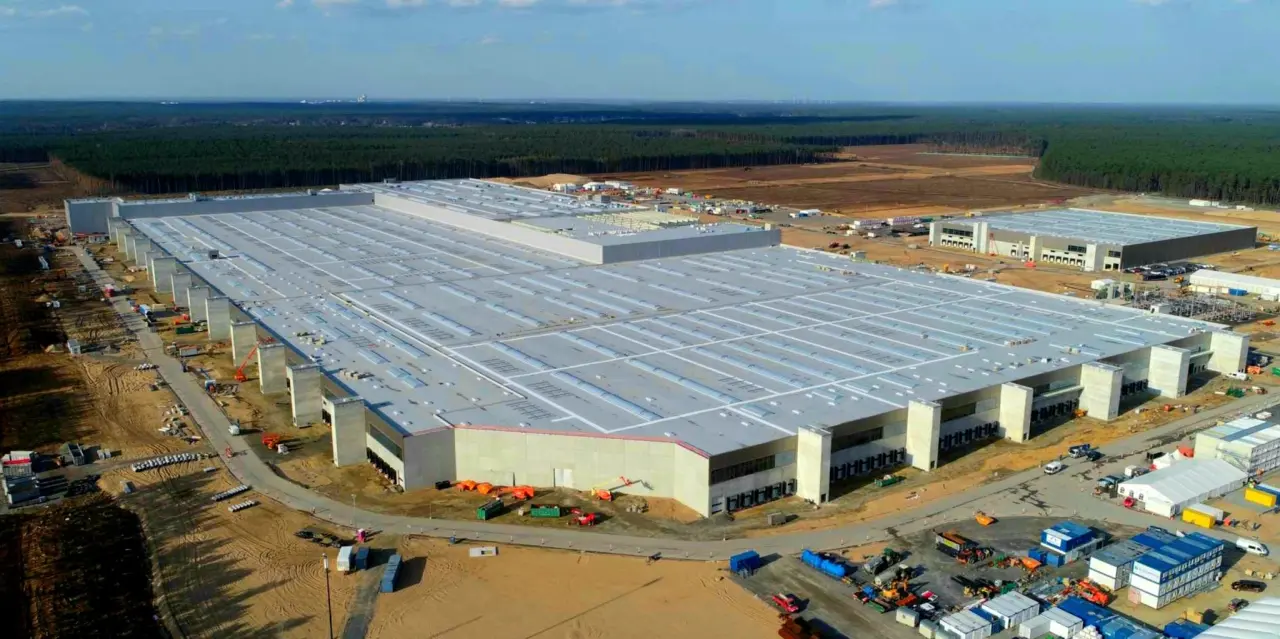
To meet increasing demand, Tesla built massive manufacturing facilities known as Gigafactories.
Major facilities include:
-
Fremont Factory (California, USA)
-
Gigafactory Nevada (USA)
-
Gigafactory New York (USA)
-
Gigafactory Texas (USA)
-
Gigafactory Berlin-Brandenburg (Germany)
-
Gigafactory Shanghai (China)
These factories manufacture vehicles, batteries, electric motors, and energy storage systems at an unprecedented scale.
Autopilot and Full Self-Driving
Tesla is one of the industry's leaders in advanced driver-assistance systems.
Its technologies include:
Autopilot
Provides assistance with:
-
Adaptive cruise control
-
Lane centering
-
Highway driving assistance
-
Traffic-aware acceleration and braking
Full Self-Driving (Supervised)
Tesla continues developing increasingly advanced driving assistance features, including:
-
Automatic lane changes
-
Navigation on highways
-
Smart Summon
-
Automatic parking
-
Traffic light and stop sign recognition
Although these systems provide sophisticated driver assistance, they still require active driver supervision and are not fully autonomous.
Beyond Cars: Tesla Energy
Tesla is more than an automobile manufacturer.
The company develops renewable energy products such as:
Powerwall
A residential battery system that stores solar energy for home use.
Megapack
Large-scale battery storage designed for utility companies and renewable energy projects.
Solar Roof
Roof tiles with integrated solar panels that generate electricity while replacing conventional roofing materials.
These products support Tesla's broader mission of accelerating the world's transition to sustainable energy.
Artificial Intelligence and Robotics
Tesla is investing heavily in artificial intelligence.
Projects include:
-
Neural-network-based autonomous driving
-
AI-powered manufacturing
-
Computer vision systems
-
The Tesla Optimus humanoid robot
Optimus is designed to perform repetitive, dangerous, or physically demanding tasks in factories and eventually in homes and businesses.
Challenges and Controversies
Tesla's rapid growth has also brought significant challenges.
The company has faced:
-
Production delays during rapid expansion
-
Supply chain disruptions
-
Increasing global competition
-
Regulatory investigations involving Autopilot
-
Price fluctuations across different markets
Despite these challenges, Tesla has remained one of the world's leading electric vehicle manufacturers.
Tesla Today
Today, Tesla is widely recognized as one of the most innovative technology companies in the world.
Its core business areas include:
-
Electric vehicles
-
Battery technology
-
Autonomous driving software
-
Artificial intelligence
-
Renewable energy systems
-
Grid-scale energy storage
-
Robotics
Tesla vehicles are sold in dozens of countries, while its charging infrastructure and software ecosystem continue expanding globally.
Why Tesla Is Different
Several characteristics distinguish Tesla from traditional automakers.
Software-First Philosophy
Tesla vehicles receive regular over-the-air software updates that continuously add features, improve performance, and enhance safety without requiring dealership visits.
Vertical Integration
Tesla designs and manufactures many critical components in-house, including batteries, electric motors, software, and power electronics.
Direct-to-Consumer Sales
Unlike many traditional manufacturers, Tesla primarily sells vehicles directly to customers through its own retail stores and online platform.
Fast Innovation
Tesla introduces technological improvements more frequently than many legacy automakers, often implementing hardware and software changes throughout a model's production cycle.
Key Milestones in Tesla's History
-
2003 – Tesla is founded by Martin Eberhard and Marc Tarpenning.
-
2004 – Elon Musk joins Tesla as lead investor and Chairman.
-
2008 – Tesla launches the Roadster.
-
2010 – Tesla becomes a publicly traded company on NASDAQ.
-
2012 – Model S is introduced along with the Supercharger network.
-
2015 – Model X enters production.
-
2017 – Model 3 begins production.
-
2020 – Model Y launches and Tesla becomes one of the world's most valuable automakers.
-
2021 – Gigafactory Berlin and Gigafactory Texas begin production.
-
2022–Present – Continued expansion in AI, battery technology, energy storage, and robotics.
Conclusion
From a small Silicon Valley startup founded in 2003 to one of the world's most influential automotive and technology companies, Tesla has fundamentally changed how the world views electric vehicles.
Its innovations in battery technology, software, charging infrastructure, and renewable energy have pushed the entire automotive industry toward electrification. While the company continues to face intense competition and technological challenges, Tesla remains a driving force behind the future of sustainable transportation and intelligent mobility.