TR
TR EN
EN

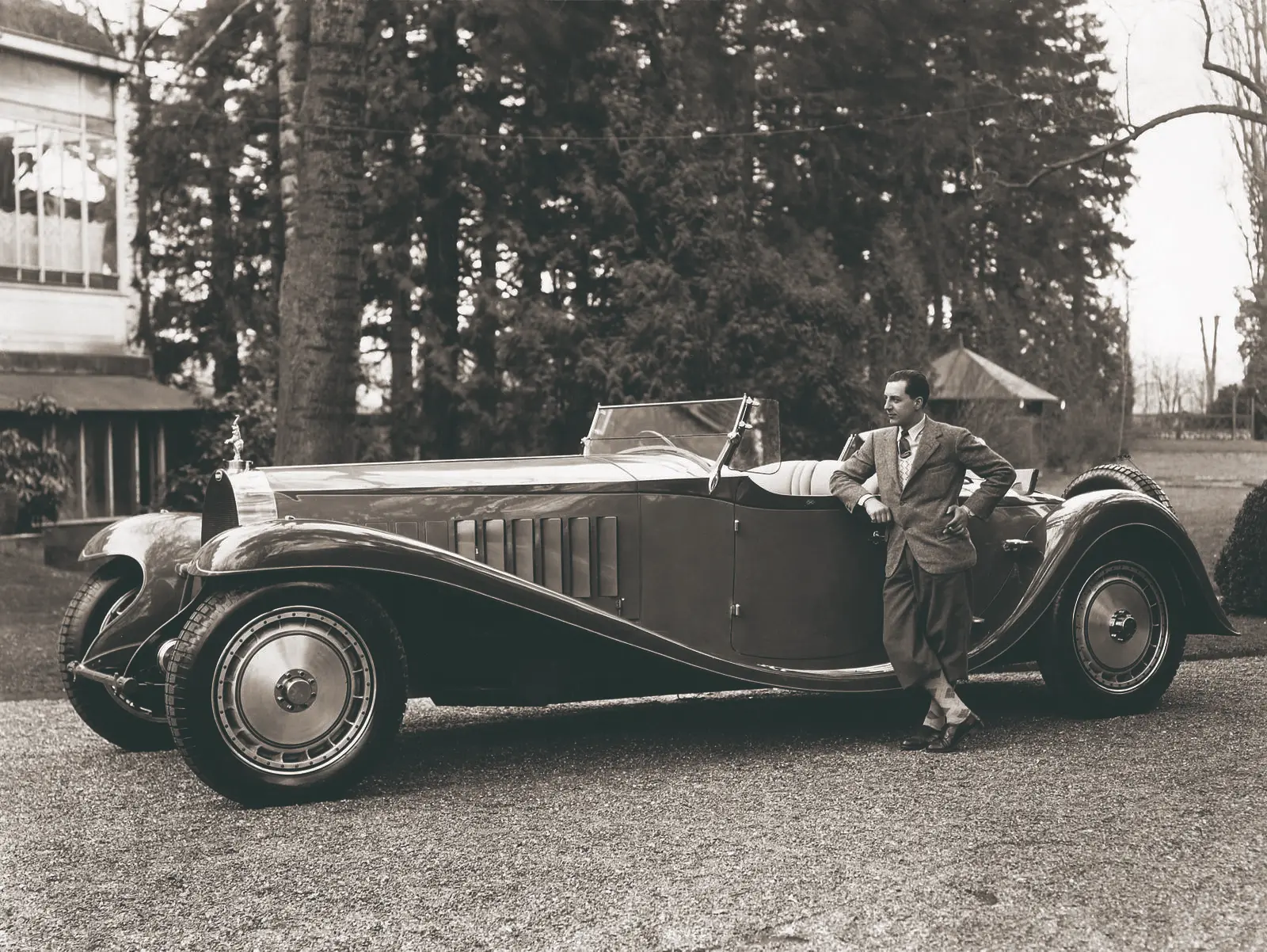
Bugatti History: The Story of Speed, Luxury, and Engineering Excellence
Bugatti is one of the most prestigious names in automotive history, renowned for building some of the world's fastest, most luxurious, and technically advanced automobiles. Founded in 1909 by Ettore Bugatti, the brand has experienced remarkable success, periods of decline, and an extraordinary revival that transformed it into one of the most exclusive hypercar manufacturers on the planet.
Today, Bugatti represents the pinnacle of automotive engineering, combining breathtaking performance with handcrafted luxury and timeless design.
The Birth of Bugatti (1909–1914)
Bugatti was founded in 1909 by Italian-born engineer and designer Ettore Bugatti in Molsheim, then part of the German Empire (now located in France).
Unlike many early automobile manufacturers, Ettore Bugatti viewed cars as works of art as much as machines. His philosophy focused on lightweight construction, elegant styling, mechanical precision, and exceptional performance.
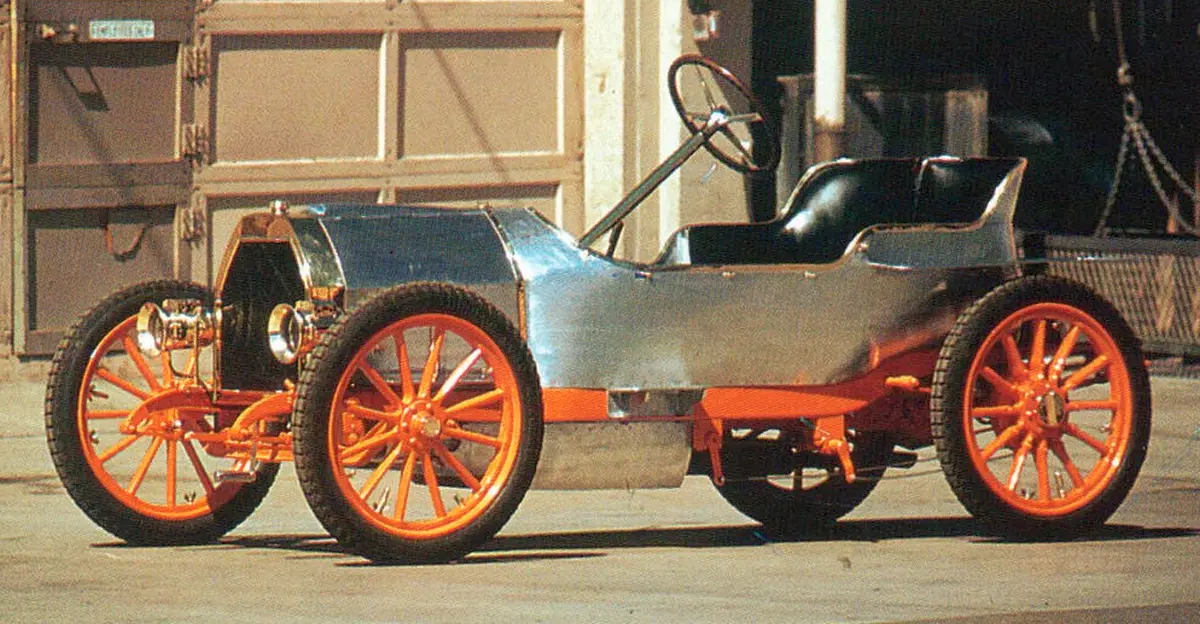
One of the company's earliest creations was the Bugatti Type 10, a lightweight prototype that demonstrated Ettore's innovative engineering ideas. Although produced in very limited numbers, it laid the foundation for every Bugatti that followed.
From the beginning, Bugatti concentrated on building high-performance automobiles capable of winning races while also offering unmatched craftsmanship.
Racing Dominance During the Golden Age (1920s–1930s)
The 1920s and 1930s became Bugatti's greatest era in motorsport.
The introduction of the legendary Bugatti Type 35 in 1924 changed racing history. It quickly became one of the most successful Grand Prix racing cars ever built.
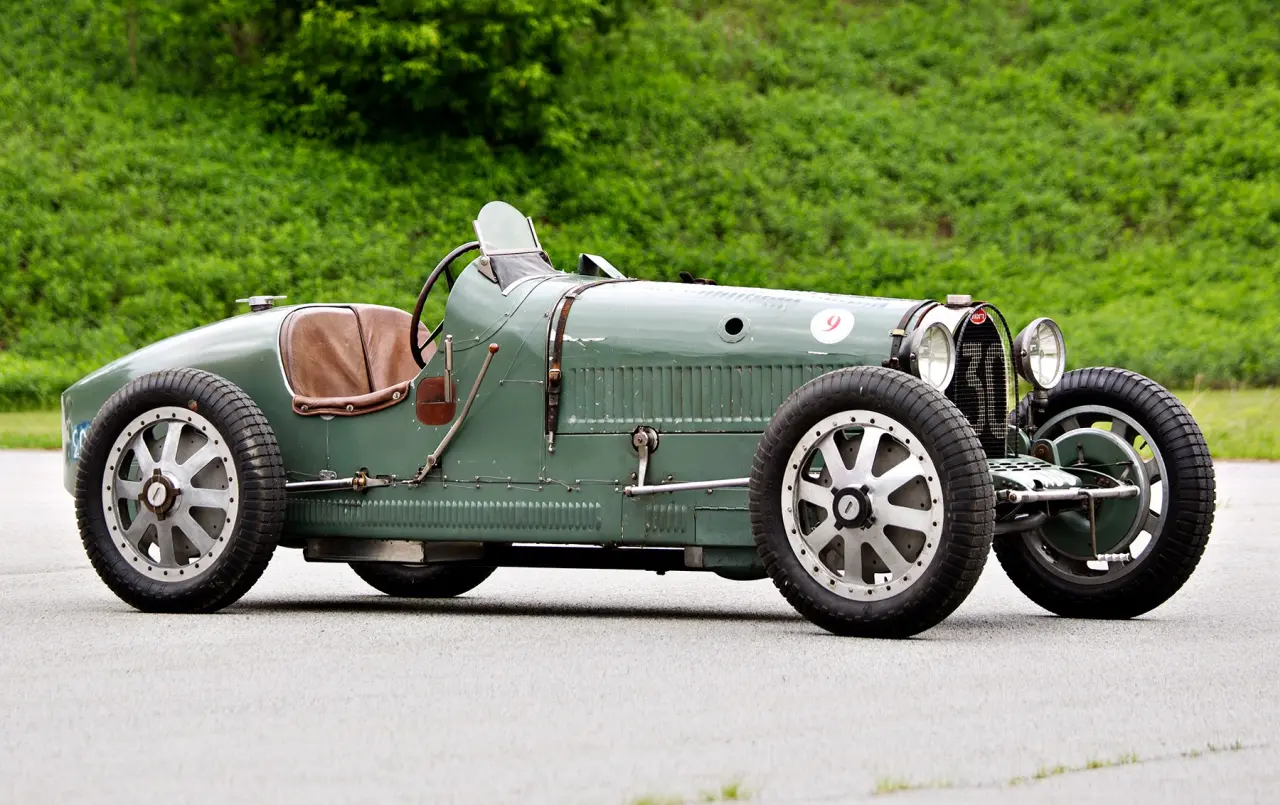
The Type 35 was celebrated for its:
Lightweight construction
Every component was designed to reduce weight without sacrificing durability.
Advanced engineering
The car featured sophisticated suspension and braking systems that gave it excellent handling.
Powerful performance
Its straight-eight engine delivered outstanding speed and reliability for its era.
The Type 35 achieved more than 2,000 racing victories, making it one of the most successful competition cars in automotive history.
Bugatti dominated prestigious events throughout Europe, including Grand Prix races, hill climbs, and endurance competitions.
The Legendary Bugatti Type 57 Atlantic

In the mid-1930s, Ettore Bugatti's son, Jean Bugatti, introduced what many consider the most beautiful automobile ever created: the Bugatti Type 57 Atlantic.
Produced in extremely limited numbers, the Atlantic combined stunning aerodynamic styling with remarkable engineering.
Today, surviving examples are considered among the world's most valuable collector cars, with estimated values exceeding $100 million, making them some of the rarest and most expensive automobiles ever built.
World War II and the End of an Era
The outbreak of World War II dramatically changed Bugatti's future.
Automobile production slowed significantly, and the company's operations became increasingly difficult due to wartime conditions.
A devastating blow came in 1947, when Ettore Bugatti passed away.
Without its visionary founder, Bugatti gradually declined. Financial difficulties, changing market conditions, and the loss of engineering leadership prevented the company from maintaining its former success.
Years of Decline (1950s–1980s)
Following Ettore Bugatti's death, the company struggled to survive.
By the mid-1950s, Bugatti had effectively stopped producing automobiles.
Although the brand remained famous among enthusiasts and collectors, it disappeared from the new car market for several decades.
During this period:
Automobile production ended
No new Bugatti passenger cars entered production.
The Molsheim factory changed ownership
The historic facilities were eventually acquired by other companies.
The Bugatti name lived on
Classic Bugatti racing cars and luxury automobiles became increasingly valuable collectors' items.
Despite its inactivity, Bugatti's reputation as one of history's greatest automotive brands never disappeared.
The EB110 Revival (1987–1995)
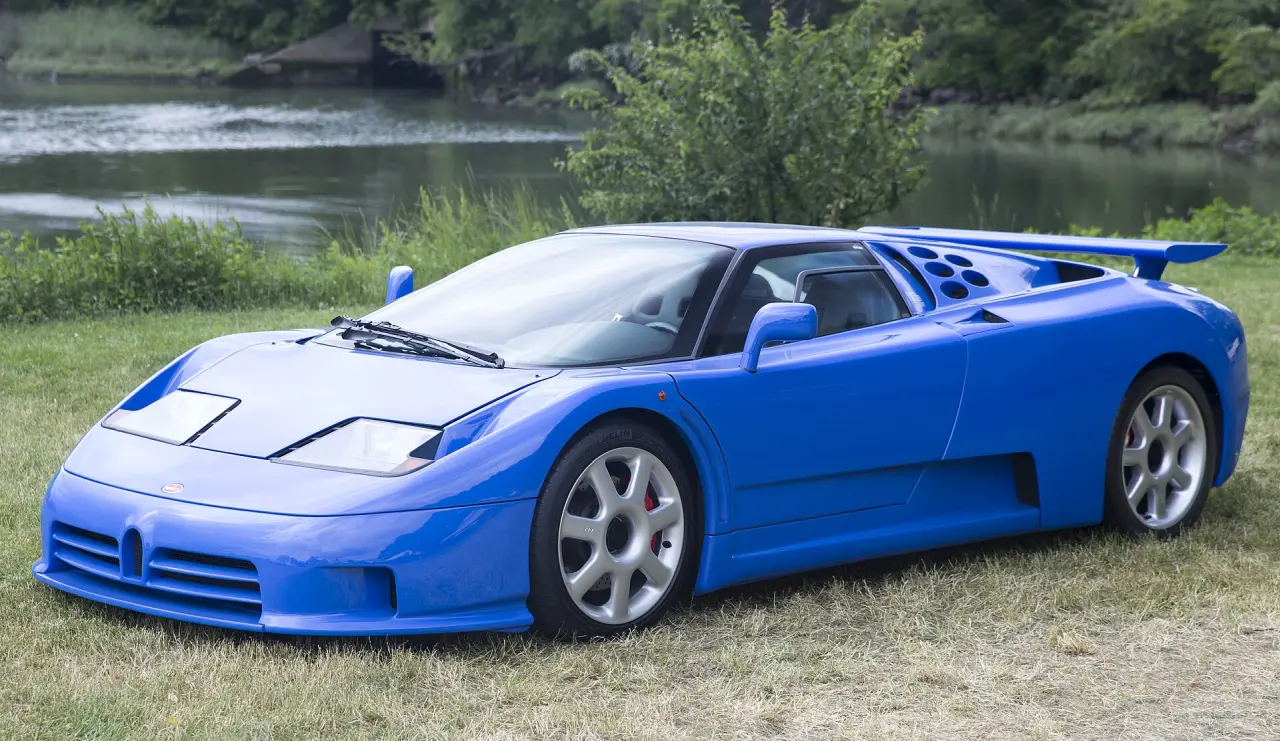
A new chapter began in 1987 when Italian entrepreneur Romano Artioli acquired the Bugatti brand.
His goal was ambitious: restore Bugatti as a world-class supercar manufacturer.
The result was the spectacular Bugatti EB110, introduced in 1991.
The EB110 featured technology that was years ahead of its competitors, including:
Carbon-fiber chassis
One of the earliest production supercars to use advanced composite construction.
3.5-liter quad-turbocharged V12 engine
Producing approximately 560 horsepower.
All-wheel drive
Providing exceptional traction and stability.
Top speed exceeding 340 km/h (211 mph)
Making it one of the fastest production cars in the world.
Although technically impressive, financial problems forced Bugatti into bankruptcy once again in 1995.
Volkswagen Restores the Legend (1998–2015)
In 1998, the Volkswagen Group purchased Bugatti and committed enormous resources to restoring the brand.
Volkswagen's objective was simple but incredibly ambitious:
Create the fastest, most powerful, most luxurious production automobile ever built.
After years of engineering development, Bugatti introduced the Veyron 16.4 in 2005.
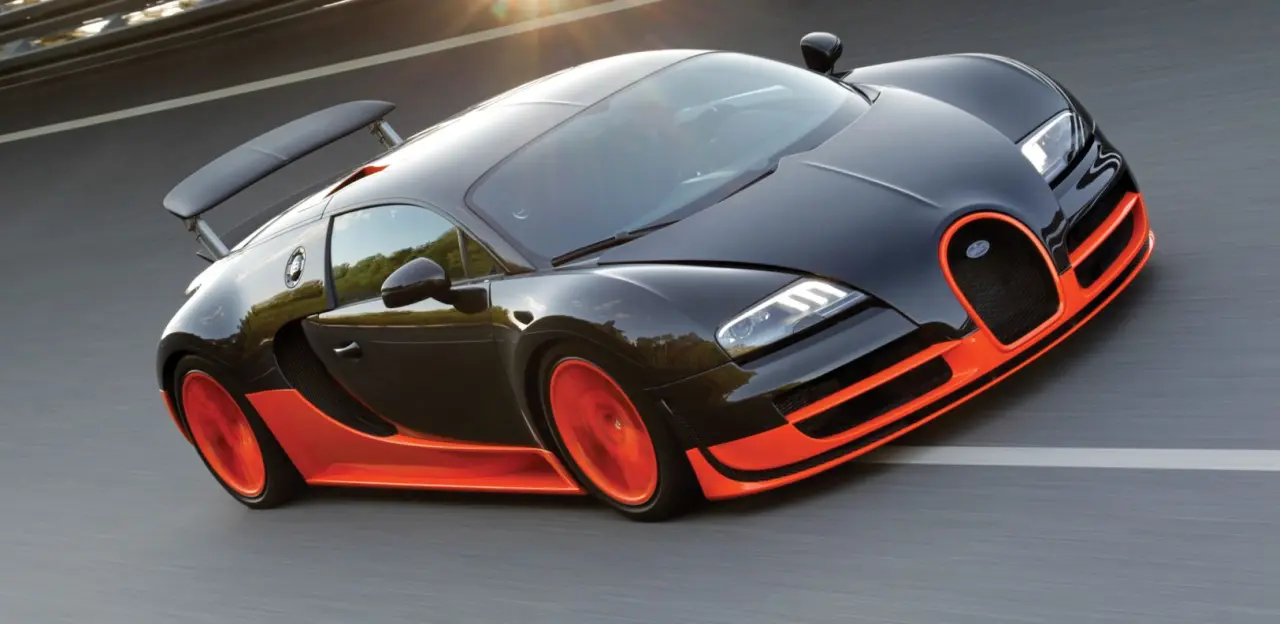
The Veyron completely redefined automotive performance.
Its groundbreaking specifications included:
8.0-liter quad-turbocharged W16 engine
An engineering masterpiece producing 1,001 horsepower.
Top speed of 407 km/h (253 mph)
Making it the fastest production car in the world at the time.
Advanced all-wheel-drive system
Allowing immense power to be delivered safely.
Luxury craftsmanship
Every interior was handcrafted using premium leather, aluminum, carbon fiber, and exotic materials.
In 2010, the Bugatti Veyron Super Sport raised the benchmark even higher with 1,200 horsepower and a verified top speed of 431 km/h (268 mph), setting a new production car world record.
The Chiron Era (2016–Present)
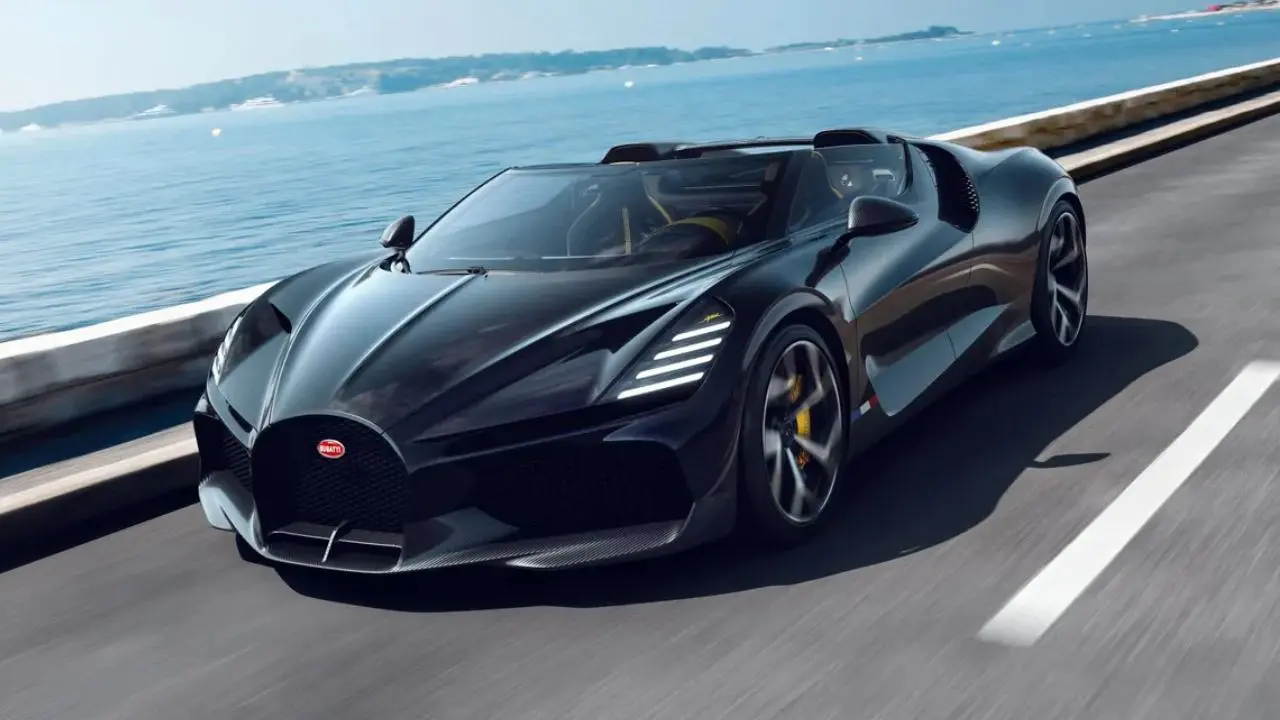
Bugatti introduced the Chiron in 2016 as the successor to the Veyron.
Named after legendary Bugatti racing driver Louis Chiron, the new hypercar pushed engineering to unprecedented levels.
Key highlights included:
1,500 horsepower
Generated by an upgraded quad-turbocharged W16 engine.
Top speed electronically limited to 420 km/h (261 mph)
For safety and tire limitations.
Extraordinary acceleration
0–100 km/h (62 mph) in approximately 2.4 seconds.
Luxury craftsmanship
Every vehicle required months of hand assembly by skilled technicians.
The Chiron demonstrated that extreme speed could coexist with exceptional refinement and everyday drivability.
Breaking the 300 mph Barrier
One of Bugatti's greatest modern achievements came in 2019.
A specially prepared Bugatti Chiron Super Sport 300+ became the first production-derived automobile to exceed 300 mph, reaching 490.48 km/h (304.77 mph) during testing.
Although not officially recognized as a production-car record due to differing record requirements, it remains one of the greatest engineering accomplishments in automotive history.
The Rimac Era and the Future of Bugatti
In 2021, Bugatti entered another exciting chapter by forming Bugatti Rimac, a joint venture between the Rimac Group and the Porsche AG, part of the Volkswagen Group.
This partnership combines:
Bugatti's heritage
Over a century of luxury, craftsmanship, and engineering excellence.
Rimac's electric expertise
World-leading battery systems, electric motors, and high-performance EV technology.
The collaboration is expected to shape Bugatti's next generation of hypercars while preserving the brand's commitment to exclusivity and performance.
Bugatti's Latest Hypercars
Bugatti continues producing extremely limited and highly exclusive vehicles.
Among its newest creations are:
Bugatti Mistral
A roadster powered by Bugatti's legendary W16 engine and designed as the final road-going model to use this iconic powerplant.
Bugatti Bolide
A lightweight, track-focused hypercar built for maximum performance, featuring extreme aerodynamics and race-inspired engineering.
Both models are produced in very small numbers, ensuring exceptional exclusivity.
What Makes Bugatti Unique?
Bugatti has remained unlike any other automobile manufacturer because of several defining characteristics.
Engineering without compromise
Every Bugatti is designed to push the limits of performance and innovation.
Handcrafted luxury
Each vehicle is assembled largely by hand using premium materials and meticulous craftsmanship.
Record-breaking performance
Bugatti has repeatedly established new benchmarks for production-car speed and acceleration.
Exclusive production
Only a limited number of vehicles are built, making ownership exceptionally rare.
Artistic design
Inspired by Ettore Bugatti's belief that automobiles should be both engineering masterpieces and works of art.
Bugatti Today
Modern Bugatti vehicles represent the highest level of automotive achievement.
The brand continues to combine:
-
Extraordinary engineering
-
Hypercar performance
-
Exceptional craftsmanship
-
Innovative technology
-
Timeless design
-
Extreme exclusivity
As the automotive industry moves toward electrification, Bugatti is preparing a new generation of hypercars that will blend its legendary performance heritage with cutting-edge hybrid and electric technologies.
Conclusion
Since its founding in 1909, Bugatti has become one of the most admired names in automotive history.
From the legendary Type 35 race cars and the breathtaking Type 57 Atlantic to the record-breaking Veyron and Chiron, Bugatti has consistently pushed the boundaries of what is possible in automotive engineering.
Today, under Bugatti Rimac, the company continues to honor Ettore Bugatti's original vision: creating automobiles that are not only among the fastest machines on Earth but also enduring works of engineering and art. With more than a century of innovation behind it, Bugatti remains a symbol of speed, luxury, exclusivity, and uncompromising excellence.