TR
TR EN
EN

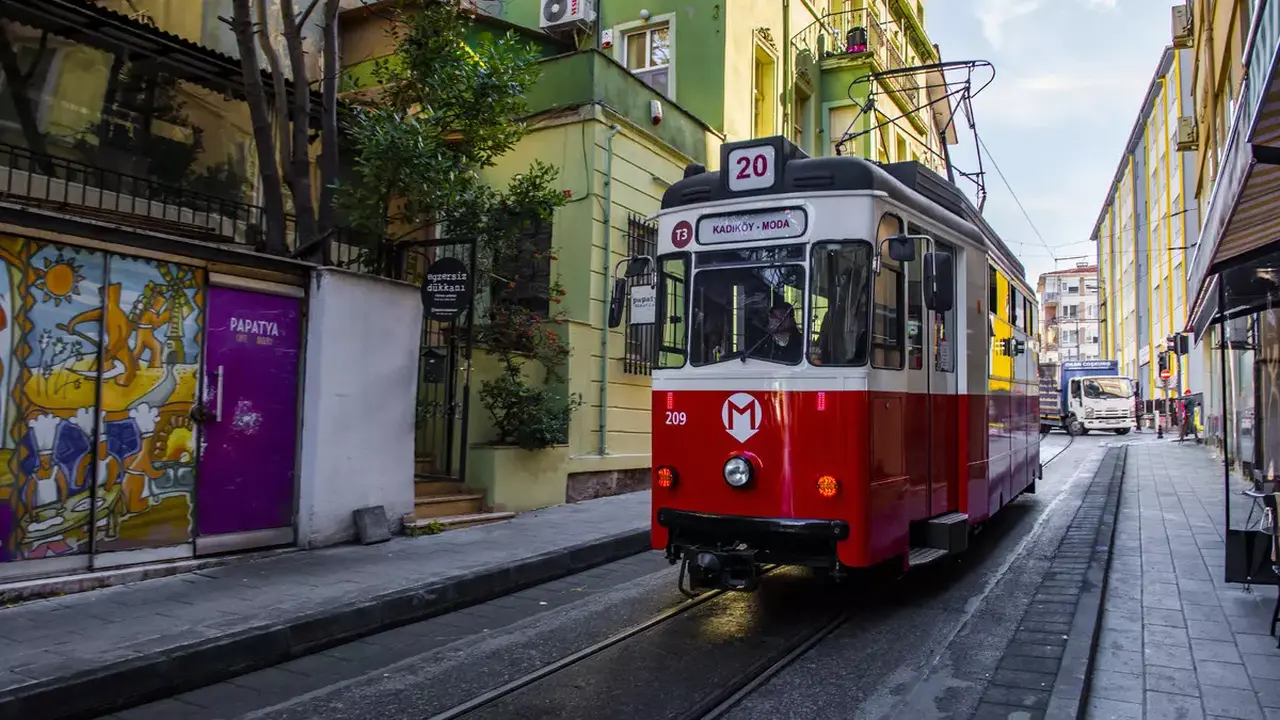
What Is a Tram? How Does a Tram Work?
Trams are one of the most efficient, environmentally friendly, and convenient forms of public transportation in modern cities. Running on dedicated rail tracks and powered primarily by electricity, trams provide reliable urban mobility while helping reduce traffic congestion and greenhouse gas emissions.
From historic horse-drawn streetcars to today's low-floor electric vehicles, trams have played an important role in shaping public transportation across Europe and many other parts of the world.
In this guide, we'll explore what a tram is, how it works, its history, braking systems, electric motors, and why trams continue to be a key part of sustainable urban transport.
What Is a Tram?
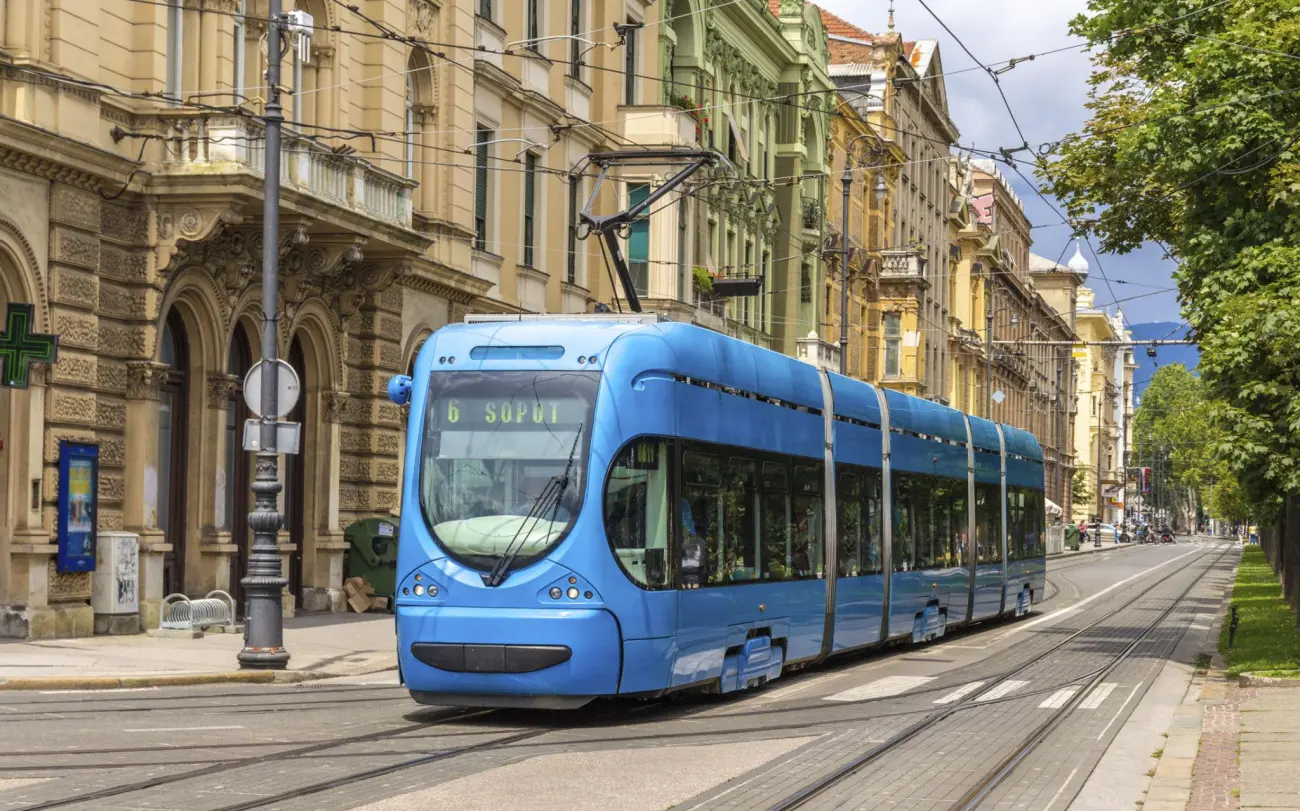
A tram (also called a streetcar in some countries) is an electric rail vehicle designed primarily for urban transportation. Unlike trains, trams usually operate within city streets or on dedicated urban rail corridors, making frequent stops to serve passengers.
Modern tram systems are considered part of the light rail transit (LRT) family and are widely used throughout Europe.
Compared with buses, trams offer several advantages:
-
High passenger capacity
-
Smooth and comfortable rides
-
Lower emissions
-
Reduced traffic congestion
-
Lower rolling resistance, improving energy efficiency
-
Better accessibility with low-floor designs
Many European cities rely heavily on tram networks as part of their integrated public transport systems.
The History of the Tram
The origins of the tram date back to the early nineteenth century.
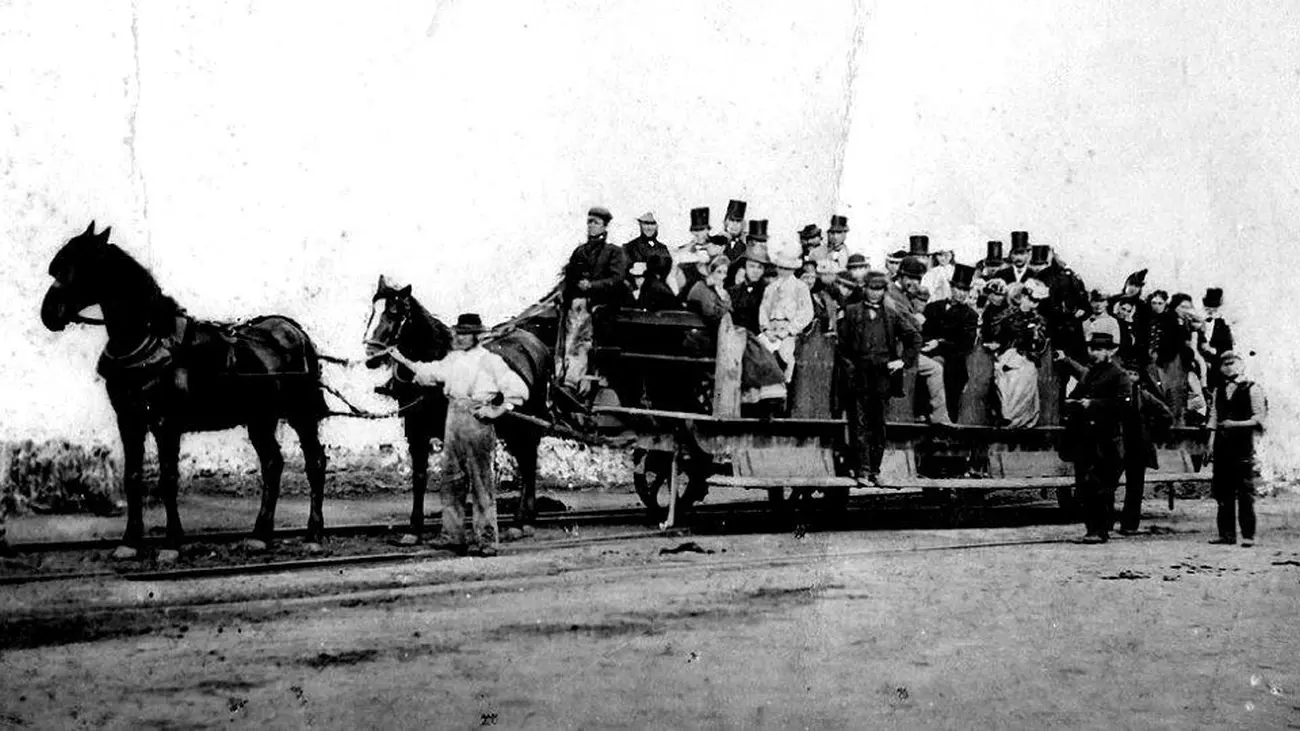
The first tramways used horse-drawn carriages running on steel rails. These systems became increasingly popular across Europe and North America during the mid-1800s because rails allowed horses to pull much heavier loads with less effort than ordinary roads.
A major breakthrough came in 1881, when Werner von Siemens introduced the world's first practical electric tram in Berlin, Germany.
Instead of horses, electric motors powered the vehicle using electricity supplied through overhead wires.
This innovation quickly spread throughout Europe.
By the early twentieth century, nearly every major European city had developed extensive electric tram networks.
The Decline and Revival of Tram Systems
Following the Second World War, many cities removed tram lines.
Several factors contributed to this decline:
-
Growing private car ownership
-
Expansion of diesel bus fleets
-
Road widening projects
-
Urban redevelopment
However, attitudes began changing during the 1990s.
Cities increasingly recognized that heavy car traffic created:
-
Air pollution
-
Noise pollution
-
Traffic congestion
-
Higher carbon emissions
As a result, governments across Europe started investing once again in modern tram networks.
Today, cities including:
-
Vienna
-
Amsterdam
-
Prague
-
Budapest
-
Zurich
-
Strasbourg
-
Barcelona
-
Manchester
operate some of the world's most advanced tram systems.
How Does a Tram Work?
Although modern trams appear simple from the outside, they combine several advanced engineering systems.
Electricity Supply
Most modern trams operate entirely on electricity.
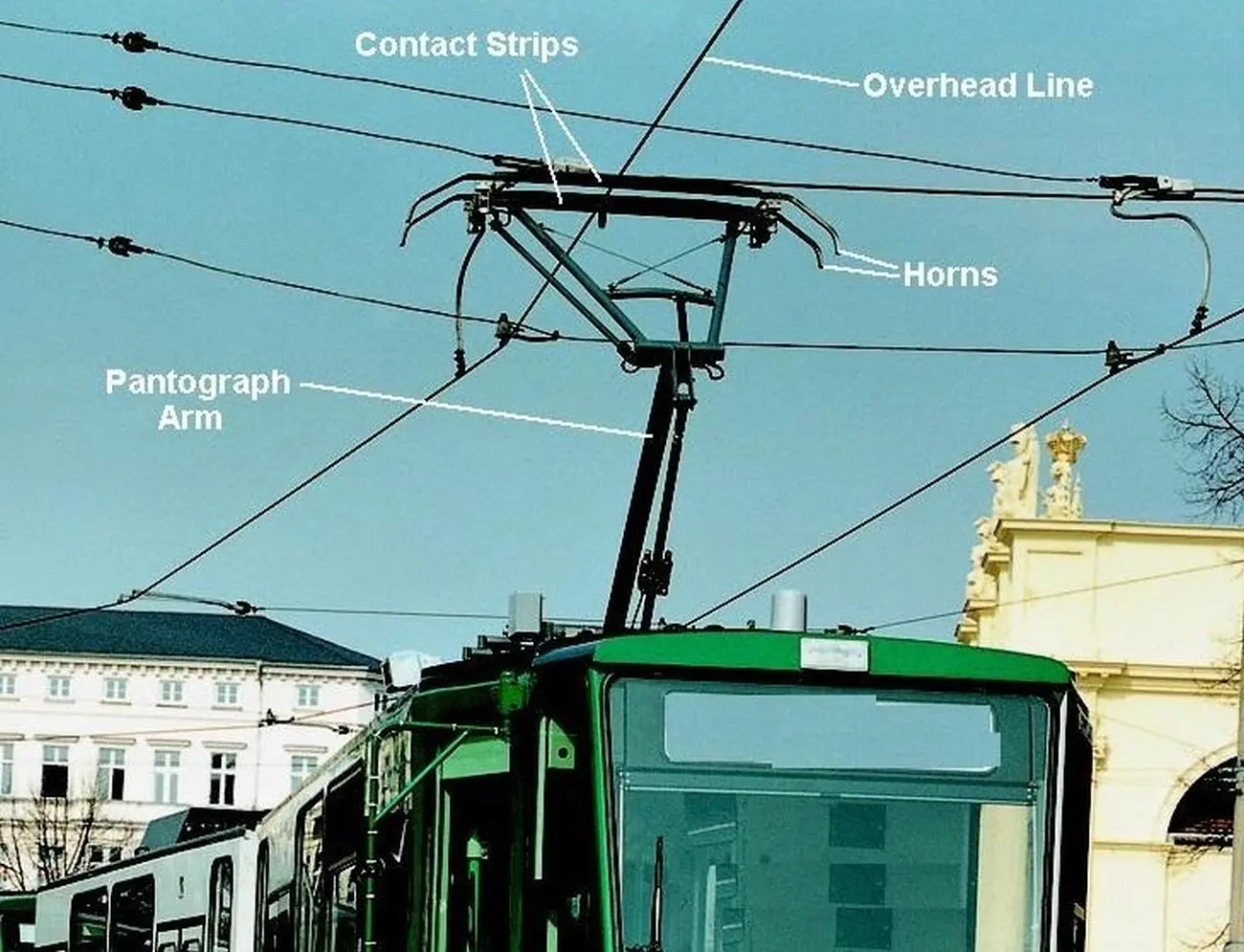
Power is usually supplied through overhead catenary wires, which typically carry 600–750 volts DC, although some systems operate at higher voltages.
A device mounted on the roof called a pantograph maintains contact with the overhead wire, collecting electricity while the tram moves.
The electricity is then distributed to the traction equipment.
Electric Motors
Unlike buses powered by diesel engines, trams use electric traction motors.
These motors offer several advantages:
-
Instant torque
-
Quiet operation
-
High efficiency
-
Minimal maintenance
-
Zero tailpipe emissions
Many trams have multiple motors, often installed on several axles to improve traction and acceleration.
Electric motors are especially well suited for frequent stop-and-go operation in city traffic.
Steel Wheels on Steel Rails
Trams run on steel wheels that travel along steel rails.
This combination creates extremely low rolling resistance compared with rubber tires on asphalt.
Benefits include:
-
Lower energy consumption
-
Smooth operation
-
Reduced wear
-
Higher passenger comfort
Because the tracks determine the route, trams require no steering wheel.
The driver simply controls:
-
Speed
-
Acceleration
-
Braking
-
Door operation
-
Safety systems
Passenger Stops
Like buses, trams stop at designated stations along their routes.
Modern vehicles typically include:
-
Automatic station announcements
-
Digital passenger information displays
-
Wheelchair ramps
-
Low-floor boarding
-
Air conditioning
-
CCTV security systems
These features improve accessibility and passenger comfort.
Do Trams Have Engines?
Yes—but not combustion engines.
Modern trams are powered by electric motors, not gasoline or diesel engines.
Depending on the design, each powered bogie may contain one or more traction motors.
Electric propulsion offers several advantages over internal combustion engines:
-
Immediate acceleration
-
Quiet operation
-
High efficiency
-
Lower maintenance requirements
-
Environmentally friendly operation
Some modern tram systems also include onboard batteries or supercapacitors, allowing short sections of operation without overhead wires in historic city centers.
How Do Tram Braking Systems Work?
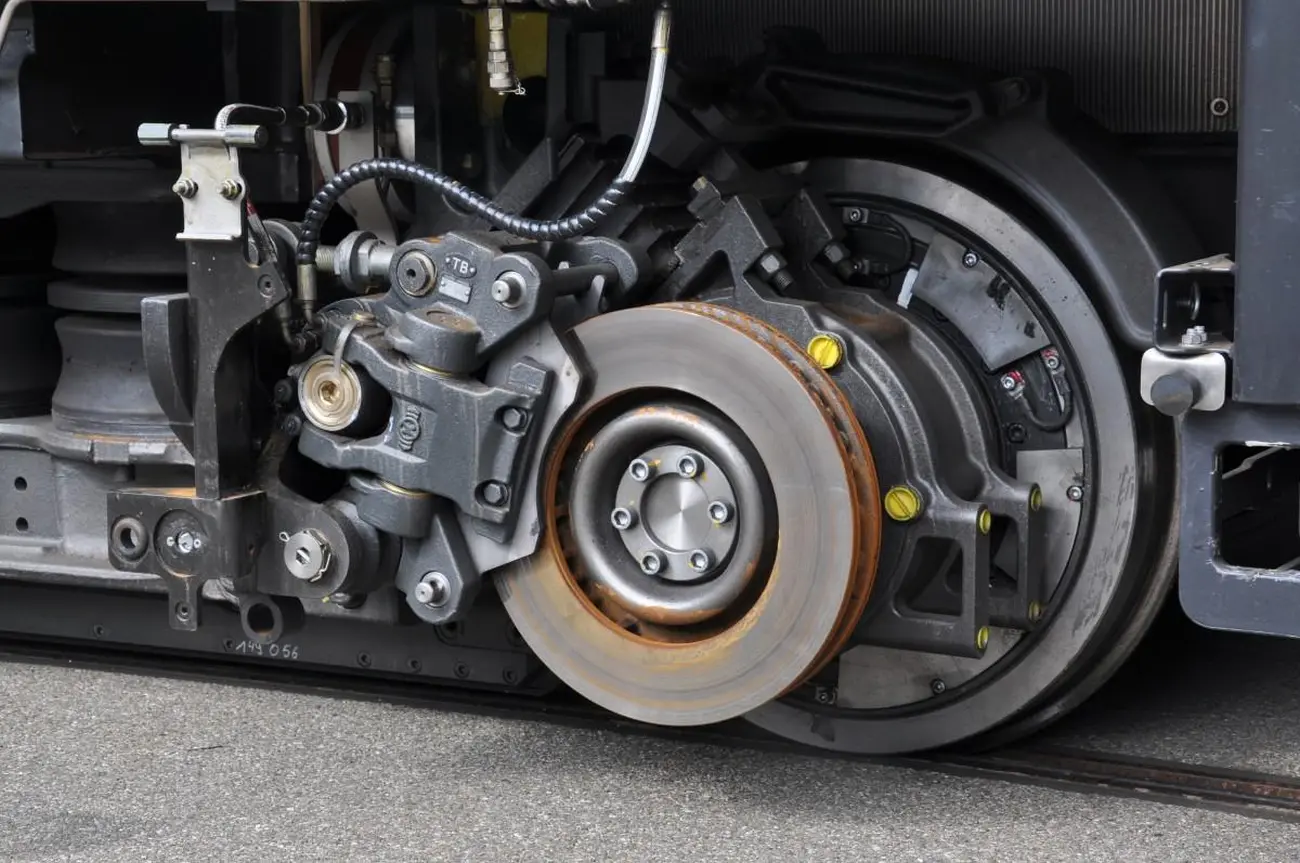
Safety is one of the highest priorities in tram design.
Modern trams typically combine several braking technologies.
Regenerative Braking
Regenerative braking is the primary braking system used by most modern trams.
Instead of wasting energy as heat, the electric motors operate as generators while slowing the vehicle.
This recovered electricity is either:
-
Returned to the power grid, or
-
Stored for later use, depending on the system.
Benefits include:
-
Improved energy efficiency
-
Reduced brake wear
-
Lower operating costs
Mechanical Disc Brakes
Mechanical disc brakes provide reliable stopping power at low speeds and during emergency situations.
Brake pads clamp onto steel discs attached to the wheels, converting kinetic energy into heat.
Magnetic Track Brakes
Many modern trams are equipped with magnetic rail brakes.
During emergency braking, powerful electromagnets press directly against the rails, significantly increasing stopping performance.
These systems are especially valuable during:
-
Wet weather
-
Snow
-
Ice
-
Low-adhesion conditions
Pneumatic Braking Systems
Compressed-air braking systems often operate alongside regenerative and mechanical brakes.
These provide additional stopping force, particularly on heavier articulated tram vehicles.
Why Are Trams Becoming More Popular?
Urban planners increasingly view trams as a long-term solution for sustainable transportation.
Their popularity continues to grow because they offer:
-
Low operating emissions
-
Reduced traffic congestion
-
High passenger capacity
-
Quiet operation
-
Excellent accessibility
-
Lower long-term operating costs
Many cities are expanding tram networks as part of broader climate and mobility strategies.
Modern Tram Technology
Today's trams incorporate advanced technologies that improve safety, efficiency, and passenger comfort.
Common features include:
-
Low-floor accessibility
-
Energy-efficient LED lighting
-
Regenerative braking
-
Driver assistance systems
-
Real-time passenger information
-
GPS tracking
-
Automatic vehicle diagnostics
-
Battery-assisted operation
-
Air conditioning
-
Smart traffic signal priority
These innovations make modern trams significantly more efficient than earlier generations.
Are Trams the Future of Urban Transportation?
For many cities, the answer is yes.
As governments work to reduce carbon emissions and encourage sustainable mobility, trams have become an essential component of modern public transport networks.
Compared with cars, trams can transport hundreds of passengers while producing far lower emissions per traveler.
Combined with cycling infrastructure, buses, metro systems, and pedestrian-friendly urban planning, tram networks help create cleaner, quieter, and more livable cities.
Conclusion
From nineteenth-century horse-drawn streetcars to today's sophisticated electric light rail vehicles, trams have undergone remarkable technological evolution.
Powered by efficient electric motors, guided by steel rails, and equipped with advanced braking systems, modern trams provide one of the safest and most sustainable forms of urban transportation available.
As cities continue investing in greener infrastructure and reducing dependence on private vehicles, trams are expected to play an even greater role in the future of public transport—offering millions of people a cleaner, quieter, and more efficient way to travel every day.