TR
TR EN
EN

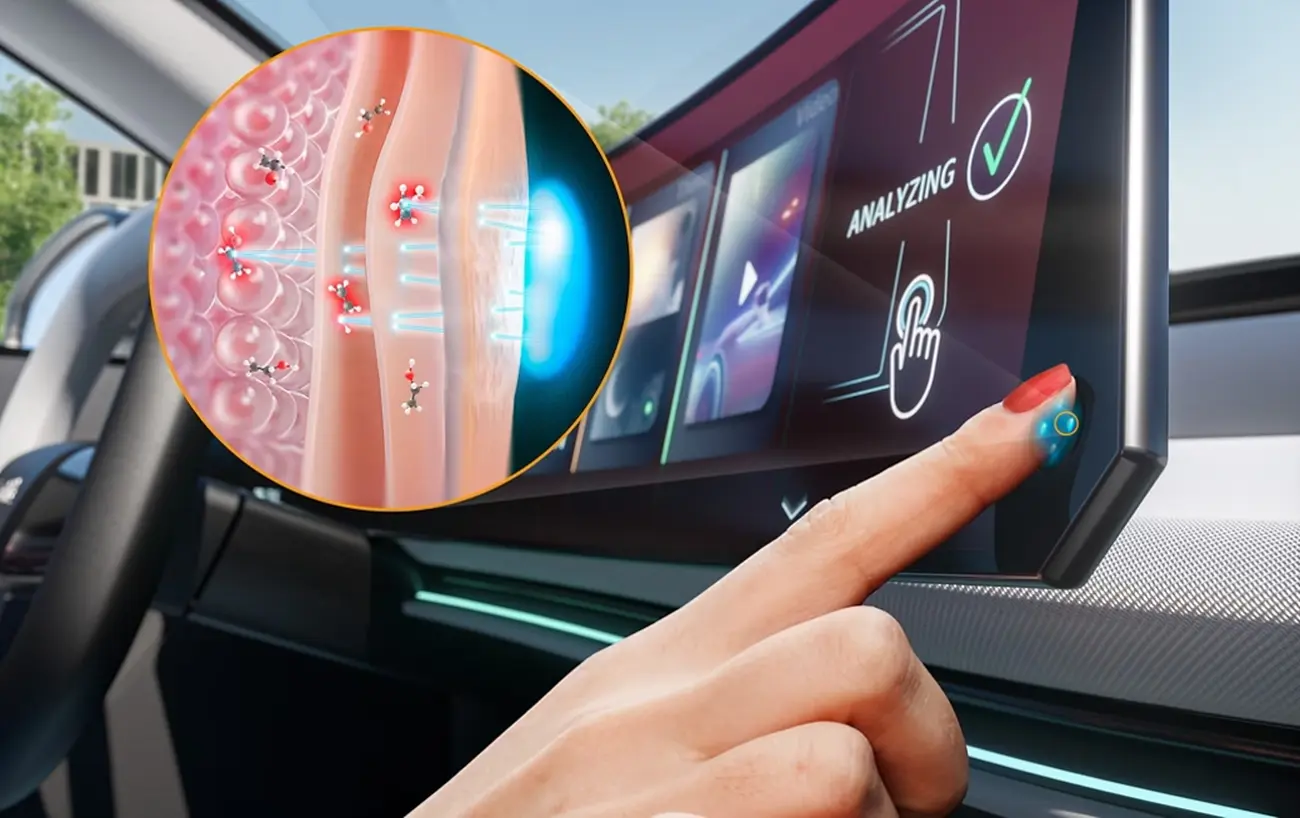
Cars Will Detect Drunk Drivers Before They Drive: A New Touch-Based Alcohol Detection System
Vehicle safety technology continues to evolve rapidly, and one of the latest innovations could change how drunk driving is prevented. A new touch-based alcohol detection system, developed through a collaboration between trinamiX GmbH and Aumovio SE, is designed to determine whether a driver has consumed alcohol—without requiring a traditional breath test.
The technology is expected to be suitable for future vehicles from major manufacturers, including Volkswagen Group, Mercedes-Benz Group, and Stellantis, although widespread commercial deployment has not yet begun.
How Does the System Work?
Unlike conventional breathalyzers, this system analyzes alcohol levels through a simple touch.
Here's how it works:
-
The driver places a finger on a built-in sensor.
-
The sensor emits near-infrared (NIR) light into the skin.
-
The light interacts with molecules beneath the skin, including ethanol.
-
Artificial intelligence analyzes the reflected signals.
-
Within approximately 10 seconds, the system estimates the driver's blood alcohol concentration (BAC).
The developers aim to reduce the analysis time to just a few seconds in future versions.
Why Is This Technology Different?
Traditional alcohol testing relies on breath samples, while the new system uses biometric optical measurements.
Potential advantages include:
-
No need to blow into a device
-
Simple touch-based operation
-
Fast analysis
-
Contactless integration into the vehicle
-
Potentially improved measurement consistency
According to the developers, optical measurements may reduce some limitations associated with breath-based testing, although the technology is still being refined for automotive applications.
Where Will the Sensor Be Installed?
The system is designed to fit naturally into areas that drivers already touch before driving.
Possible installation locations include:
-
Steering wheel
-
Engine start/stop button
-
Gear selector
-
Touchscreen controls
-
Driver authentication panel
This allows alcohol screening to become part of the normal vehicle startup process without requiring additional equipment.
Will the Car Refuse to Start?
One of the most common questions is whether the system will completely prevent the vehicle from being driven.
Current information suggests that the primary goal is driver safety rather than punishment.
Depending on manufacturer implementation and local regulations, the system could potentially:
-
Warn the driver about possible alcohol impairment
-
Recommend alternative transportation
-
Suggest calling a taxi or ride-sharing service
-
Increase the sensitivity of driver assistance systems
-
Support additional safety functions
Whether a vehicle would actually prevent driving would ultimately depend on the manufacturer's design choices and the legal requirements in each country.
When Could This Technology Arrive?
Although no official production timeline has been confirmed, industry experts expect touch-based alcohol detection systems to begin appearing in production vehicles toward the end of the decade if testing and regulatory approval progress successfully.
Early estimates suggest that manufacturing costs could remain below approximately US$100 per vehicle, with costs potentially decreasing further as production scales up.
Lower production costs would make the technology more accessible across different vehicle segments.
Alcohol Limits Across Europe
European countries do not share a single legal blood alcohol limit.
For example:
-
Some countries apply a zero-tolerance policy for certain drivers.
-
Many European countries use a legal limit of 0.5 g/L BAC (0.05%).
-
Others apply different limits depending on driver experience or vehicle type.
Future vehicle systems could potentially be configured to comply with the regulations of the country in which the vehicle is operating.
Could This Become Mandatory?
The European automotive industry continues to introduce advanced driver safety technologies aimed at reducing road fatalities.
Although touch-based alcohol detection is not currently mandatory for passenger vehicles, many experts believe that similar impairment-detection technologies could become increasingly common as part of broader road safety initiatives.
Future regulations will depend on ongoing technological development, regulatory approval, and decisions made by national and international authorities.
A New Era of Vehicle Safety
Modern vehicles are becoming increasingly capable of monitoring both the vehicle itself and, in some cases, the driver's condition.
Driver monitoring cameras, fatigue detection systems, and intelligent assistance features are already becoming standard equipment. Touch-based alcohol detection could represent another significant step toward reducing impaired driving and improving road safety.
The bottom line: Cars of the future may do far more than transport their occupants. They may also help determine whether a driver is fit to drive, adding another layer of protection for everyone on the road.