TR
TR EN
EN

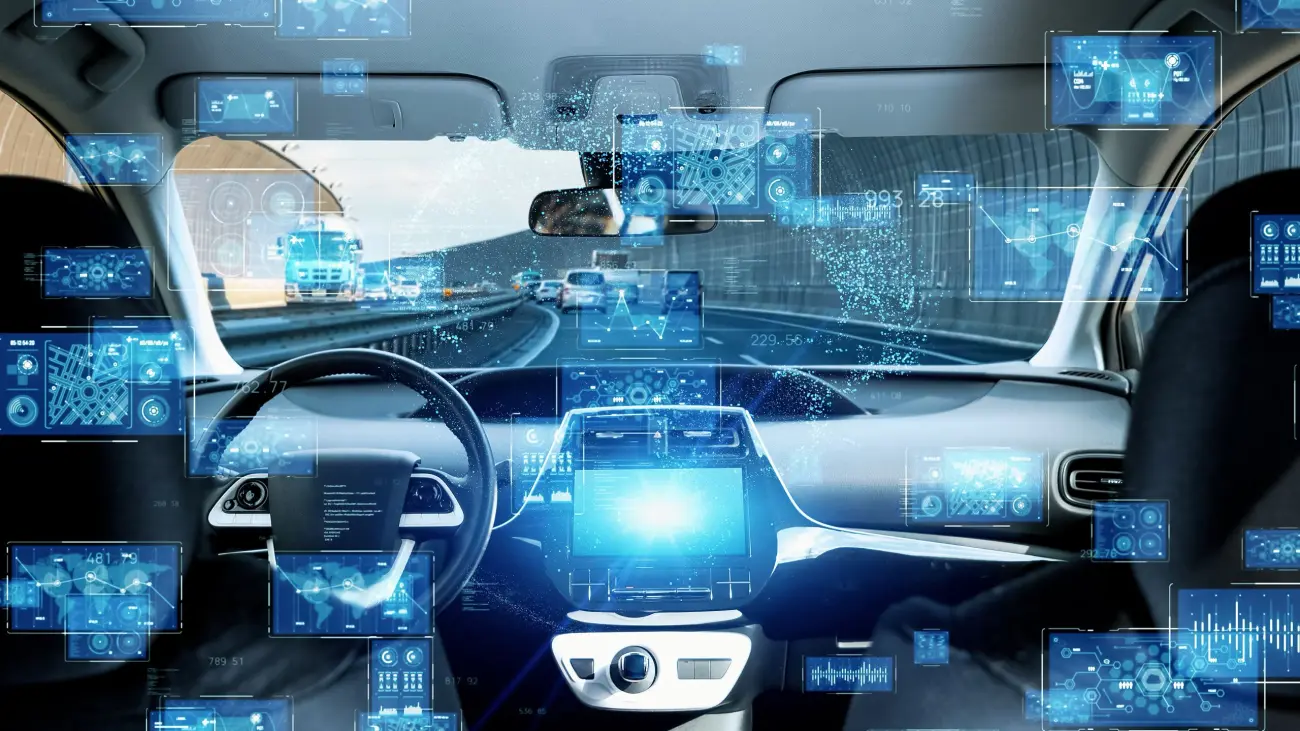
Is Your Car Listening to You? Or Is It Part of a Global Data Network?
Modern vehicles are no longer just machines that take you from one place to another. Today's cars are equipped with internet connectivity, cameras, microphones, sensors, and sophisticated software that transform them into connected digital platforms. Manufacturers such as Tesla, BMW, Mercedes-Benz, Volvo, and many others now offer features that rely heavily on data collection and cloud connectivity.
As connected vehicles become more common, an important question continues to emerge:
Is your car simply listening for voice commands, or is it collecting much more information than you realize?
Modern Cars Are Equipped with Microphones and Cameras
Many new vehicles include technologies such as:
-
Microphones for voice assistants and hands-free calls
-
Cameras for driver monitoring and safety systems
-
GPS receivers
-
Various sensors that monitor vehicle performance and driving behavior
Systems such as Apple CarPlay, Android Auto, and manufacturer-specific voice assistants require microphones to detect activation phrases like:
-
"Hey Mercedes"
-
"Hey BMW"
-
"Hey Google"
-
"Hey Siri"
These features have become standard in many new vehicles sold across Europe.
Are Cars Always Listening?
This question often causes confusion.
Most modern vehicles do not continuously record conversations. Instead, their voice assistants typically remain in a passive listening mode, waiting for a predefined wake word.
Once the activation phrase is detected, the system begins processing the driver's command.
In other words:
-
The microphone may remain active while waiting for a command.
-
This does not necessarily mean that every conversation inside the vehicle is permanently recorded or transmitted.
Exactly how voice data is processed depends on the vehicle manufacturer, software version, user settings, and whether cloud-based voice services are enabled.
What Data Do Connected Cars Collect?
Voice commands are only a small part of the information generated by modern vehicles.
Depending on the manufacturer and connected services enabled, vehicles may collect data such as:
-
Vehicle location
-
Driving speed
-
Acceleration and braking patterns
-
Steering inputs
-
Battery status (for electric vehicles)
-
Diagnostic information
-
Navigation history
-
Infotainment usage
-
Connected smartphone information
-
Vehicle health reports
Manufacturers generally state that this information is used for purposes including:
-
Improving vehicle safety
-
Software updates
-
Predictive maintenance
-
Navigation services
-
Connected features
-
Product development
Privacy policies vary significantly between manufacturers and regions.
Privacy Regulations in Europe
Within the European Union, personal data collected by connected vehicles is subject to strict privacy regulations, including the General Data Protection Regulation (GDPR).
Under these rules, manufacturers generally must:
-
Explain what data is collected
-
State why the data is collected
-
Describe how long it is stored
-
Inform users who may receive the data
-
Provide certain rights regarding access and deletion where applicable
Drivers should review both the vehicle's privacy settings and the manufacturer's privacy policy to understand how their information is handled.
Claims About Vehicle Surveillance
In recent years, reports and discussions have suggested that connected vehicles could potentially become valuable sources of intelligence data.
Some media reports have discussed concepts sometimes referred to as vehicle intelligence, suggesting that information collected from connected vehicles could, under certain circumstances, be analyzed alongside other digital data sources.
These discussions have included references to technologies involving:
-
Vehicle connectivity
-
Cloud-based data processing
-
Artificial intelligence
-
Fleet data analysis
Some reports have also mentioned companies involved in digital intelligence and data analytics.
However, it is important to distinguish between verified facts and unconfirmed claims.
There is currently no publicly verified evidence showing that ordinary consumer vehicles are routinely used as part of a global surveillance network. Many widely circulated claims remain speculative or are based on investigative reporting that has not been independently confirmed.
What Are the Real Cybersecurity Risks?
Experts generally agree that the more connected a vehicle becomes, the more important cybersecurity becomes.
Potential risks include:
-
Unauthorized access to personal data
-
Software vulnerabilities
-
Remote account compromise
-
Connected app security issues
-
Data breaches involving cloud services
Vehicle manufacturers continuously release software updates designed to improve security and reduce these risks.
How Can Drivers Protect Their Privacy?
While complete privacy is difficult in any connected device, drivers can reduce unnecessary data exposure.
Good practices include:
-
Review your vehicle's privacy settings.
-
Disable connected services that you do not use.
-
Keep vehicle software up to date.
-
Only pair trusted smartphones and devices.
-
Remove old Bluetooth connections.
-
Read the manufacturer's privacy policy before enabling connected services.
Many manufacturers also allow users to manage or disable certain data-sharing features through the vehicle's settings menu.
The Future of Connected Cars
The automotive industry continues moving toward vehicles that are increasingly connected.
Future vehicles are expected to rely even more heavily on:
-
Artificial intelligence
-
Cloud computing
-
Vehicle-to-vehicle communication
-
Vehicle-to-infrastructure communication
-
Remote diagnostics
-
Over-the-air software updates
These technologies can improve safety, convenience, and efficiency, but they also make data privacy an increasingly important topic for consumers and regulators alike.
Final Thoughts
Modern vehicles are far more than traditional automobiles. They are connected computers on wheels that continuously generate technical data to support navigation, safety, diagnostics, and digital services.
Many vehicles can listen for voice commands, collect operational data, and communicate with cloud services. However, this should not automatically be interpreted as continuous recording or mass surveillance.
The real challenge is finding the right balance between innovation, convenience, cybersecurity, and personal privacy.
The bottom line: Today's cars are not just transportation—they are connected digital platforms. Understanding what data they collect and how that information is used is becoming just as important as understanding horsepower, fuel economy, or safety ratings.